Immunomodulatory Effects of Atractylodes lancea in Healthy Volunteers with Dosage Prediction for Cholangiocarcinoma Therapy: A Modelling Approach
Teerachat Saeheng, Juntra Karbwang, Kesara Na-bangchang

TL;DR
This study uses a modeling approach to predict safe and effective doses of Atractylodes lancea for treating cholangiocarcinoma based on its immunomodulatory effects in healthy volunteers.
Contribution
The study introduces a PBPK model combined with toxicological and immunomodulatory data to recommend phase 2A dosing for Atractylodes lancea in cholangiocarcinoma therapy.
Findings
A once-daily dose of 1000 mg AL significantly suppressed pro-inflammatory cytokines and increased immune cells.
The PBPK model accurately predicted clinical data and recommended 1500 or 2000 mg as phase 2A dosing.
A 2000 mg dose showed better survival outcomes and tumor control without toxicity compared to control.
Abstract
Background and Aims: According to a recent study on the immunomodulatory activity of Atractylodes lancea (Thunb.) DC. (AL) in healthy Thai subjects, AL significantly inhibited the production of key pro-inflammatory cytokines while stimulating the production of immune cells. However, no maximum tolerated dose (MTD) and phase 2A dosage regimens were reported. The study aimed to evaluate the immunomodulatory effects of Atractylodes lancea (Thunb.) DC. (AL) in healthy subjects, and to recommend optimal dose regimens for intrahepatic cholangiocarcinoma (iCCA) based on toxicity criteria. Methods: A physiologically based pharmacokinetic (PBPK) model, combined with the toxicological approach and the immunomodulatory effect, was used for dose-finding. The safety and efficacy of each AL regimen were evaluated based on the previous study. At least a once-daily dose of 1000 mg AL significantly…
Genes, proteins, chemicals, diseases, species, mutations and cell lines named across the full text — each resolved to its canonical identifier and authoritative record.
Click any figure to enlarge with its caption.
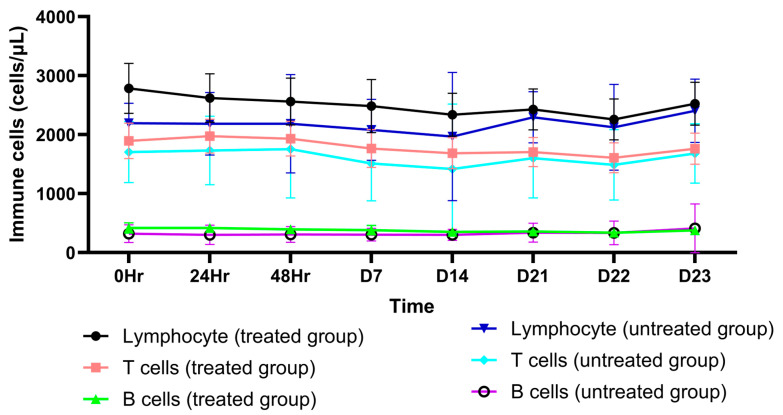 Figure 1
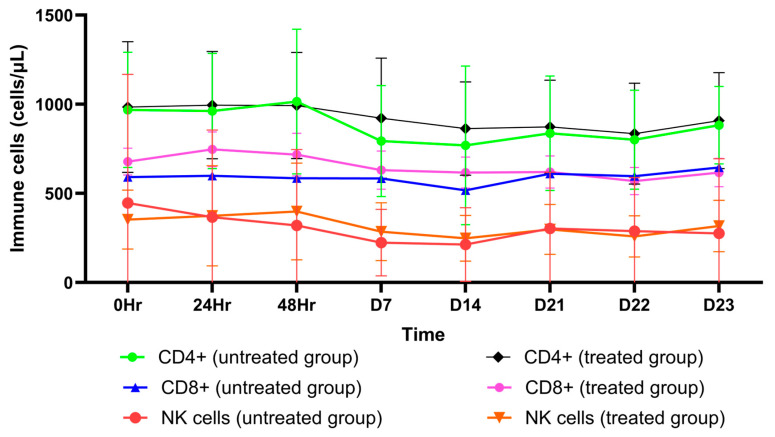 Figure 2
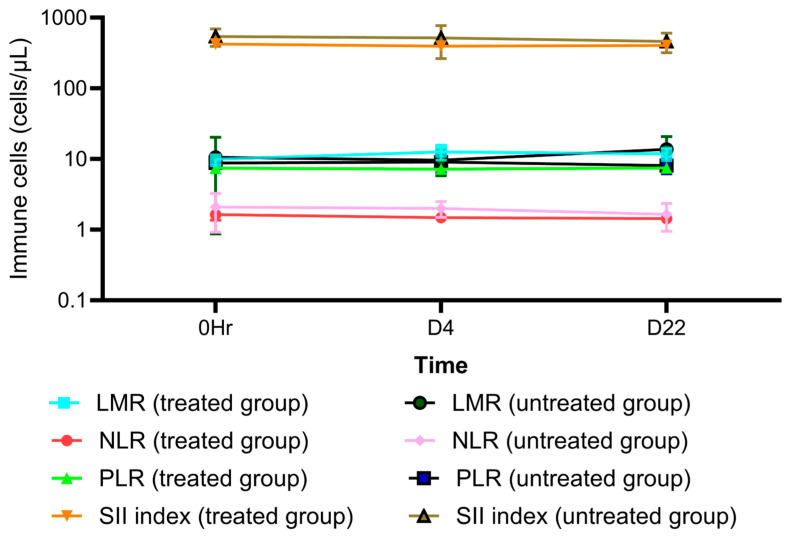 Figure 3
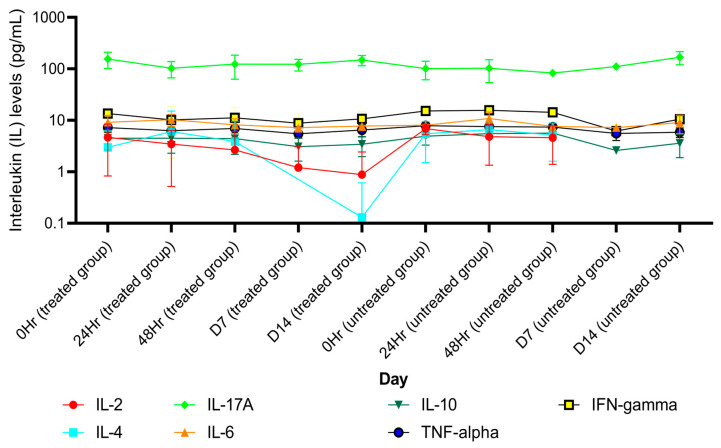 Figure 4
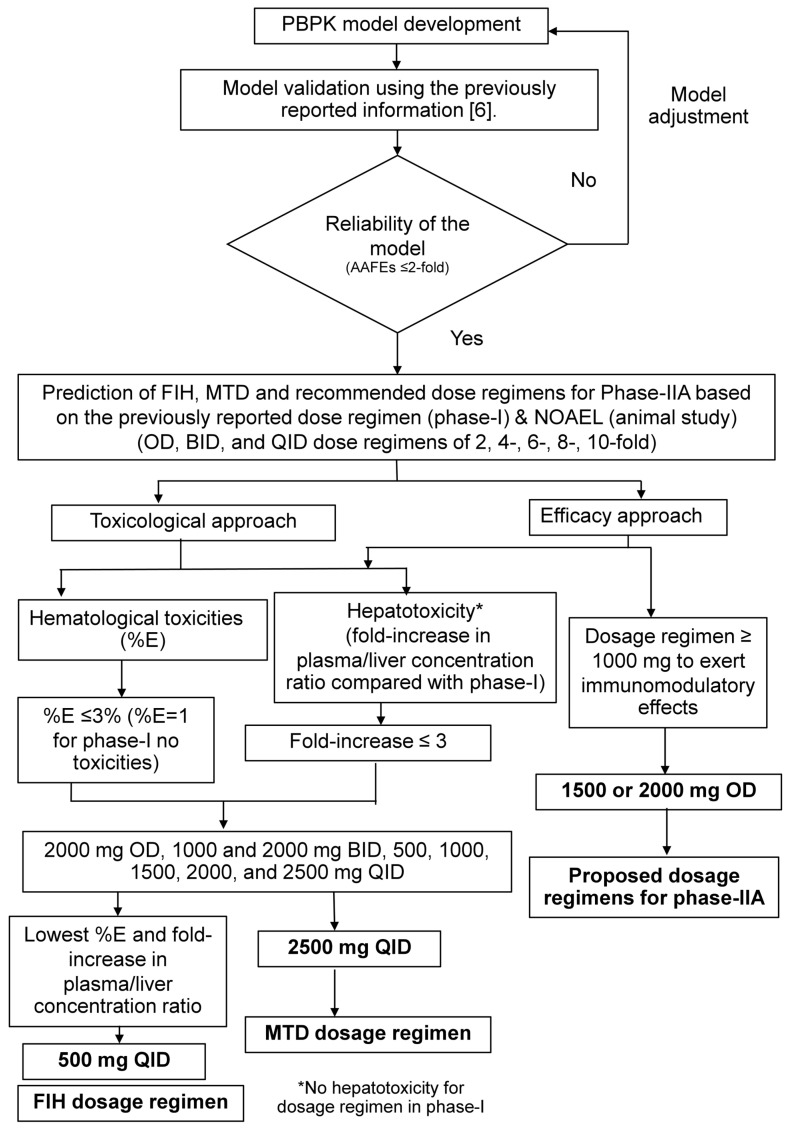 Figure 5
Peer Reviews
No public reviews on file for this paper yet. If you reviewed it on a platform where reviews are public (OpenReview, ICLR, NeurIPS, ICML), you can paste yours below so the community can read it here.
Videos
No videos yet. Explain this paper in a talk, walkthrough, or lecture? Add one.
Taxonomy
TopicsCholangiocarcinoma and Gallbladder Cancer Studies · Drug Transport and Resistance Mechanisms · Cancer Mechanisms and Therapy