Access to Substituted Tricyclic Heteroarenes by an Oxidative Cyclization Reaction and Their Antifungal Performance
Rehema Nakiwala, Noopur Dasgupta, Rebecca Wilson, Erika I. Lutter, Jeanne L. Bolliger

TL;DR
Researchers developed new antifungal compounds using a chemical reaction that creates tricyclic heteroarenes, which showed some effectiveness against fungal strains.
Contribution
A novel oxidative cyclization method to synthesize substituted tricyclic heteroarenes with antifungal potential.
Findings
New sulfur-containing triazoles and tricyclic heteroarenes were synthesized with broad functional group tolerance.
The compounds showed modest antifungal activity against Candida albicans and Trichosporon asahii.
The oxidative cyclization reaction proceeds via an ionic pathway involving a disulfide intermediate.
Abstract
Background/Objectives: Fungal pathogens are increasingly developing concerning resistance against the currently available antifungal drugs, which creates a constant demand for new antifungal agents. Methods: Here, we report the synthesis of C3,N4-substituted triazole derivatives containing a N4-(2-((4-methoxybenzyl)thio)phenyl) group. By selectively removing the 4-methoxybenzyl group, we were able to access the free thiol analogs which, under oxidative conditions, undergo a cyclization reaction yielding a C5-substituted benzo[4,5]thiazolo[2,3-c][1,2,4]triazole. We were able to show a broad functional group tolerance for the preparation of the triazole derivatives, as well as the tricyclic heteroarenes prepared thereof. Mechanistic investigations suggest that the oxidative cyclization reaction proceeds via an ionic pathway involving a disulfide intermediate. Isolation of the disulfide…
Genes, proteins, chemicals, diseases, species, mutations and cell lines named across the full text — each resolved to its canonical identifier and authoritative record.
Click any figure to enlarge with its caption.
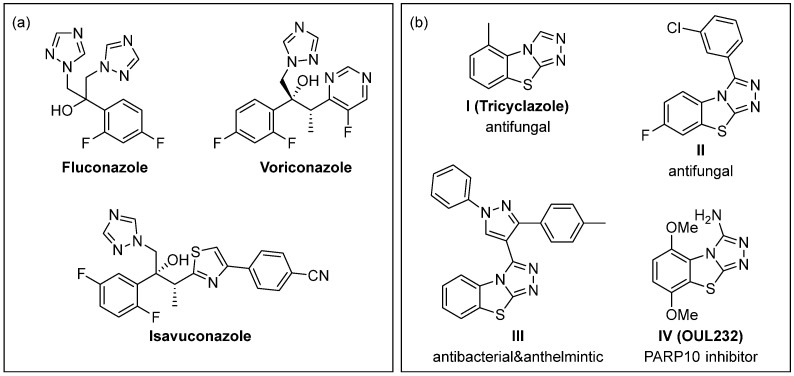 Figure 1
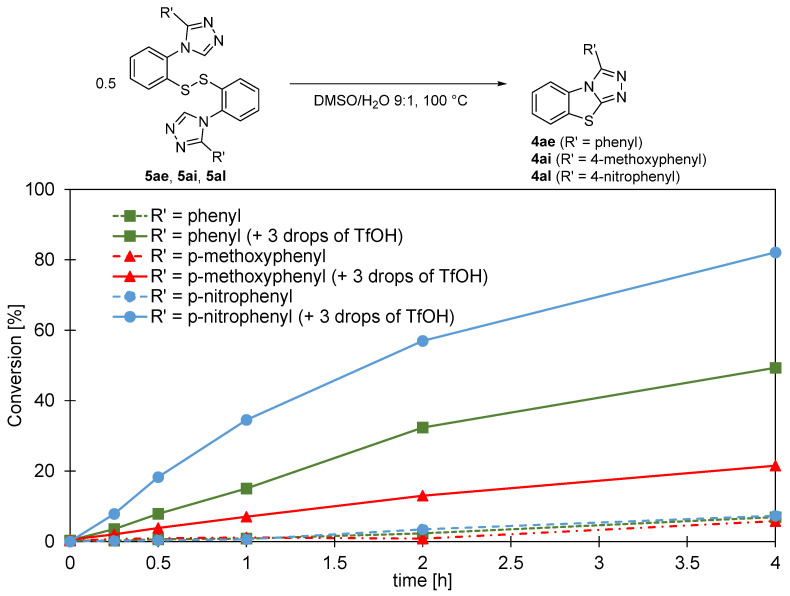 Figure 2
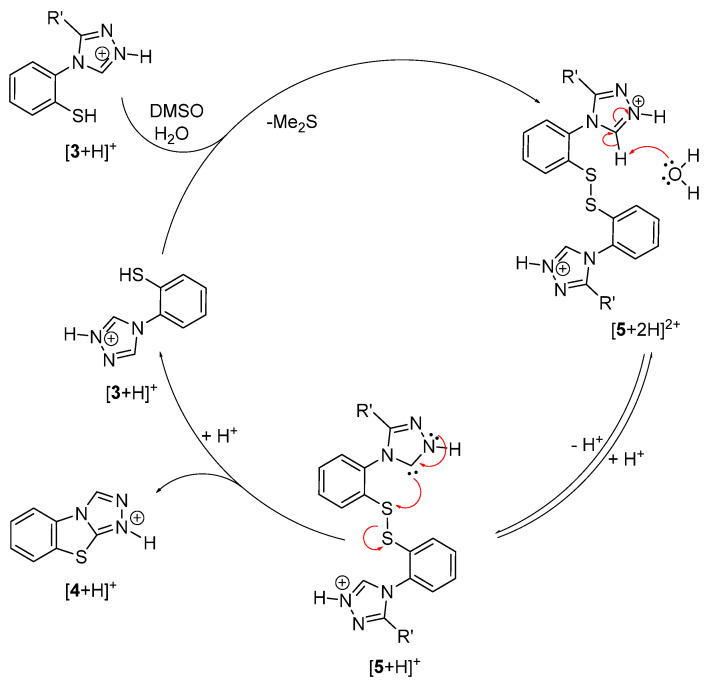 Figure 3
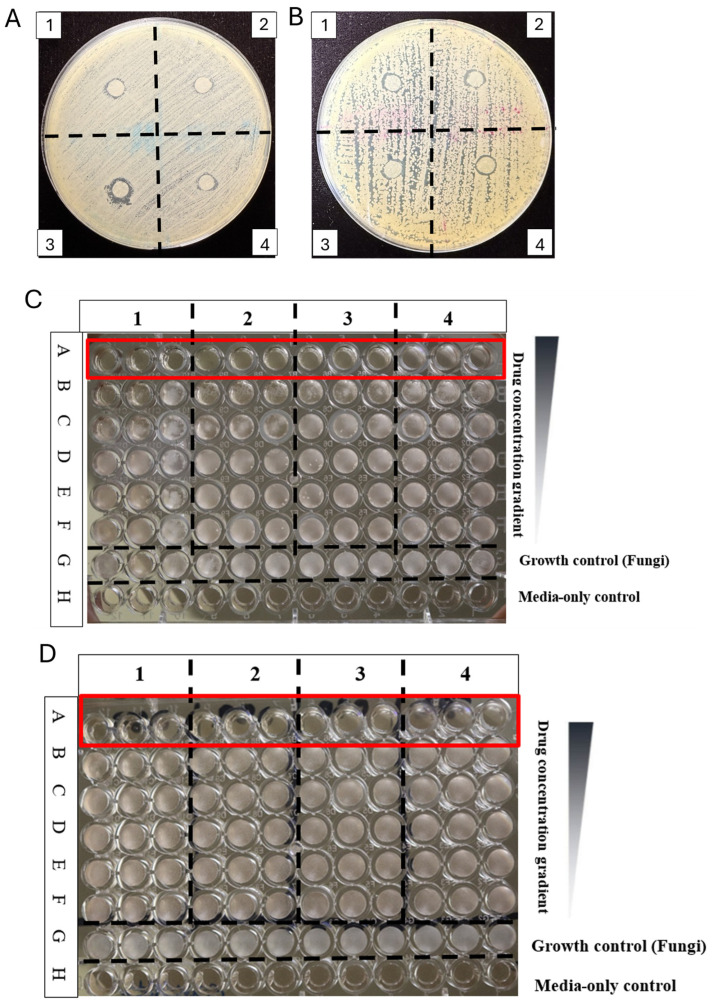 Figure 4
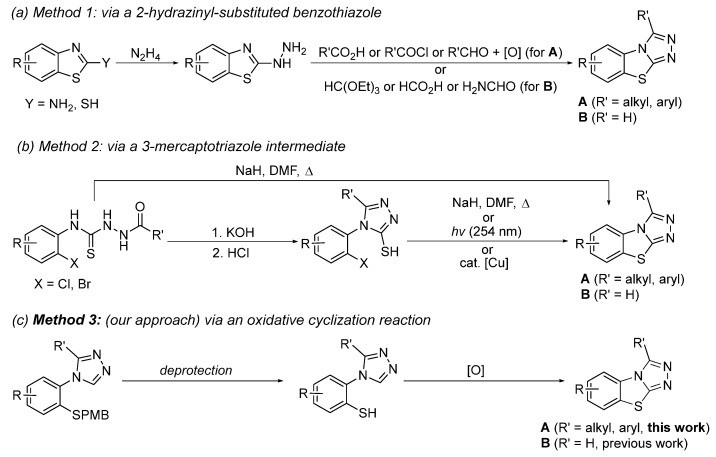 Figure 5
 Figure 6
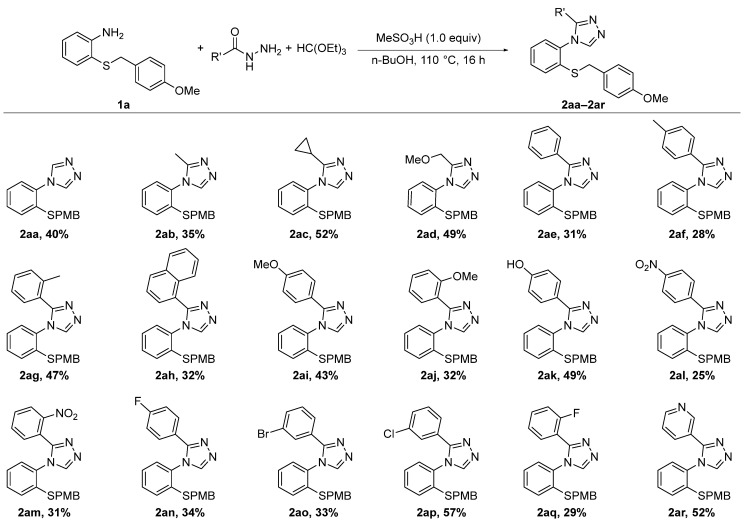 Figure 7
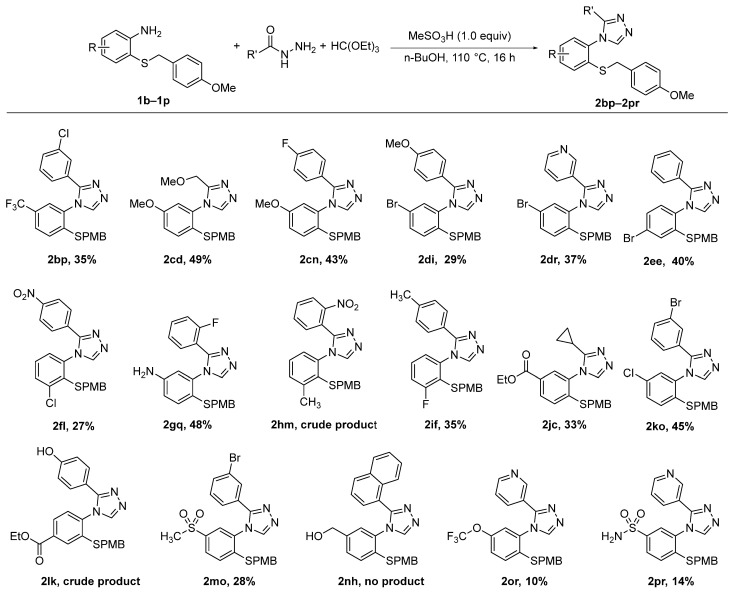 Figure 8
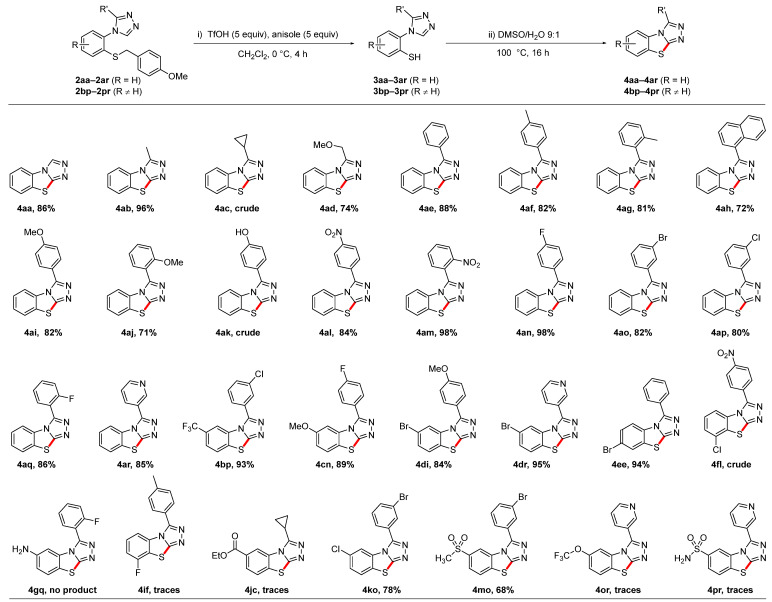 Figure 9
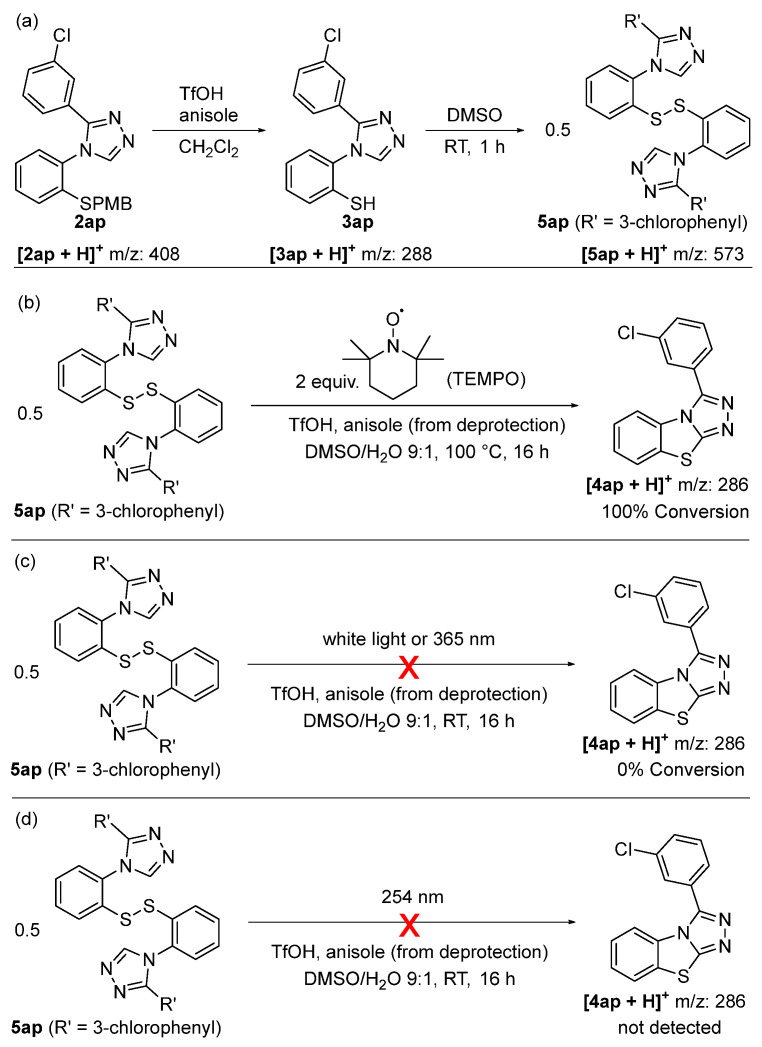 Figure 10
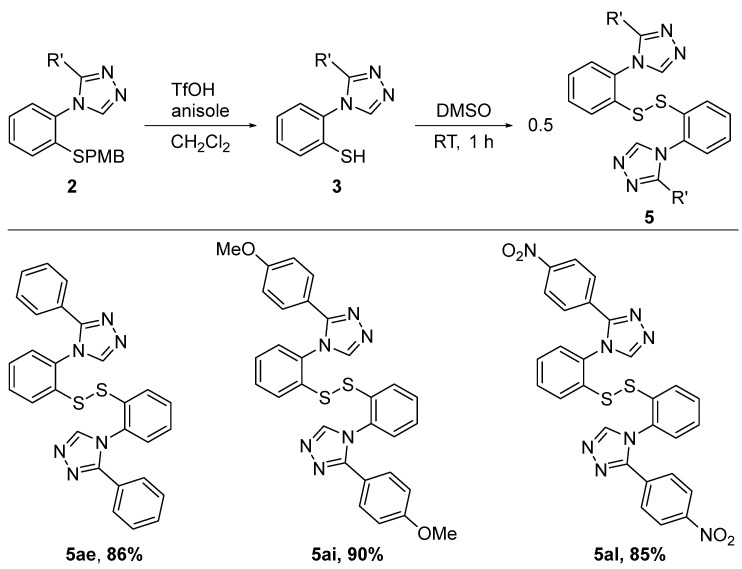 Figure 11
Peer Reviews
No public reviews on file for this paper yet. If you reviewed it on a platform where reviews are public (OpenReview, ICLR, NeurIPS, ICML), you can paste yours below so the community can read it here.
Videos
No videos yet. Explain this paper in a talk, walkthrough, or lecture? Add one.
Taxonomy
TopicsAntifungal resistance and susceptibility · Synthesis and Biological Evaluation · Sulfur-Based Synthesis Techniques