Acquisition and Modeling of Material Appearance Using a Portable, Low Cost, Device
Davide Marelli, Simone Bianco, Gianluigi Ciocca

TL;DR
This paper presents a low-cost, portable device for capturing material appearances using consumer-grade hardware and LED lighting.
Contribution
The novel contribution is a cost-effective and portable device for material appearance acquisition using consumer-grade components.
Findings
The device costs EUR 80 and can acquire surface patches with 40 pix/mm resolution.
The device uses 24 images under different lighting conditions to generate albedo, normal, and roughness maps.
The device's accuracy was validated quantitatively and qualitatively, showing it can faithfully capture various materials.
Abstract
Material appearance acquisition allows researchers to capture the optical properties of surfaces and use them in different tasks such as material analysis, digital twins reproduction, 3D configurators, augmented and virtual reality, etc. Precise acquisition of such properties requires complex and expensive hardware. In this paper, we aim to answer the following research challenge: Can we design an accurate enough but low-cost and portable device for material appearance acquisition? We present the rationale behind the design of our device using consumer-grade hardware components. Ultimately, our device costs EUR 80 and can acquire surface patches of size 5 × 5 cm with a 40 pix/mm resolution. Our device exploits a traditional RGB camera to capture a surface using 24 different images, each photographed using different lighting conditions. The different lighting conditions are generated by…
Genes, proteins, chemicals, diseases, species, mutations and cell lines named across the full text — each resolved to its canonical identifier and authoritative record.
Click any figure to enlarge with its caption.
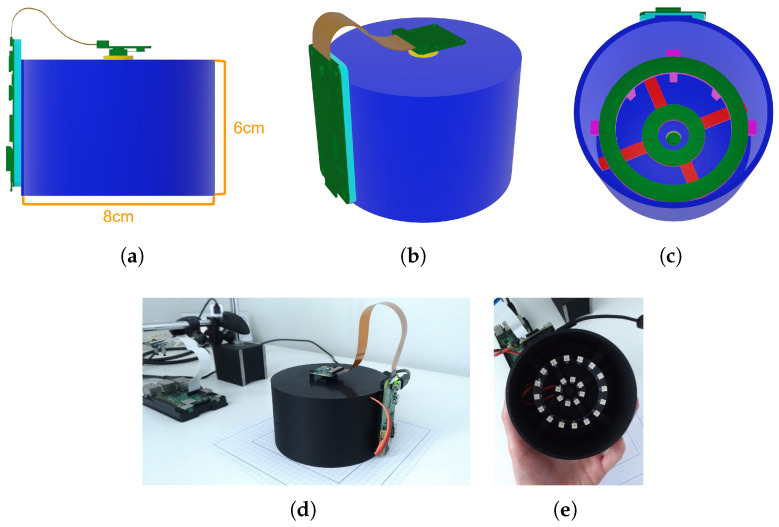 Figure 1
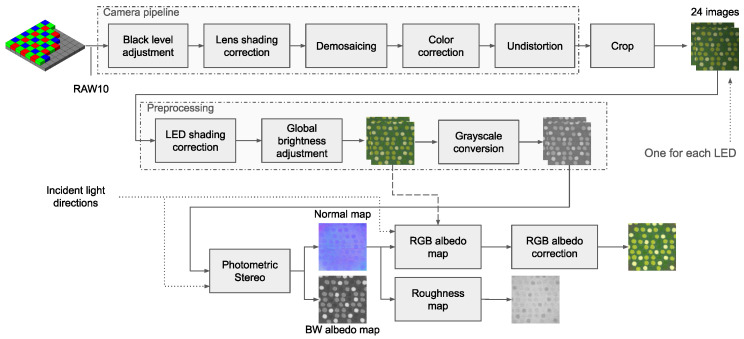 Figure 2
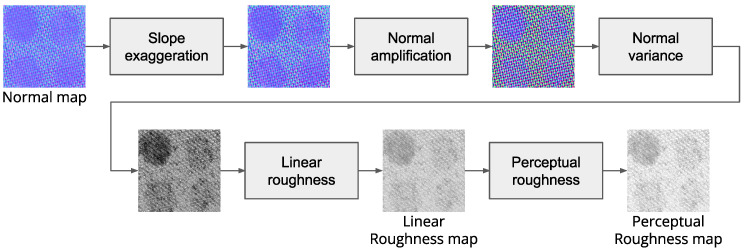 Figure 3
 Figure 4
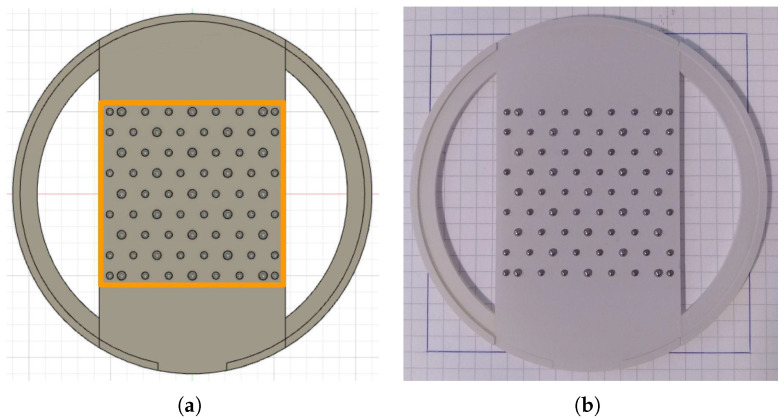 Figure 5
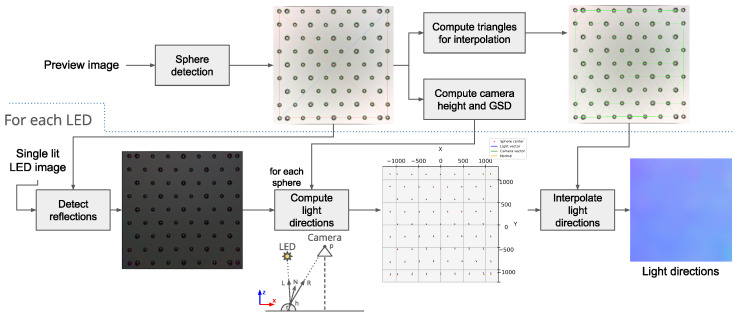 Figure 6
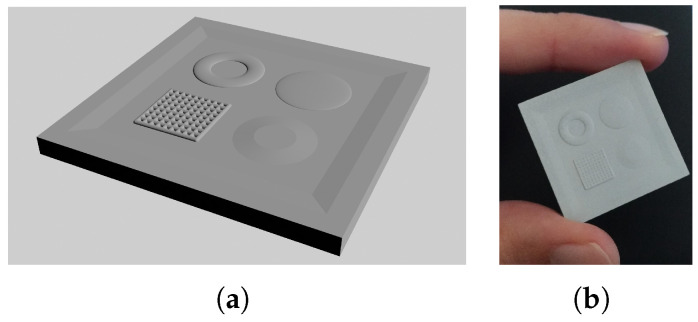 Figure 7
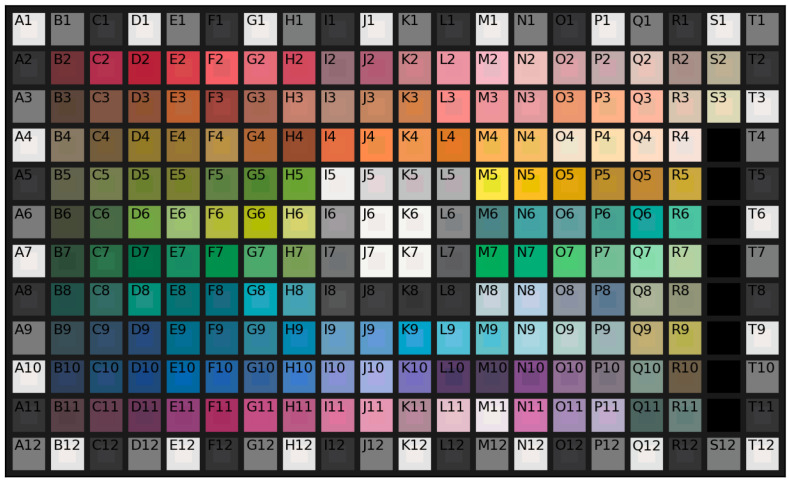 Figure 8
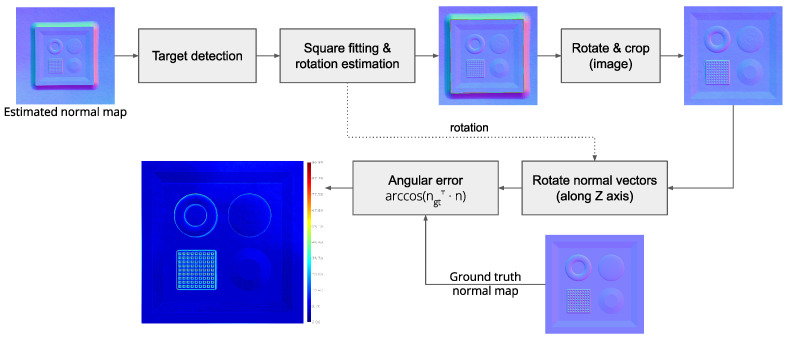 Figure 9
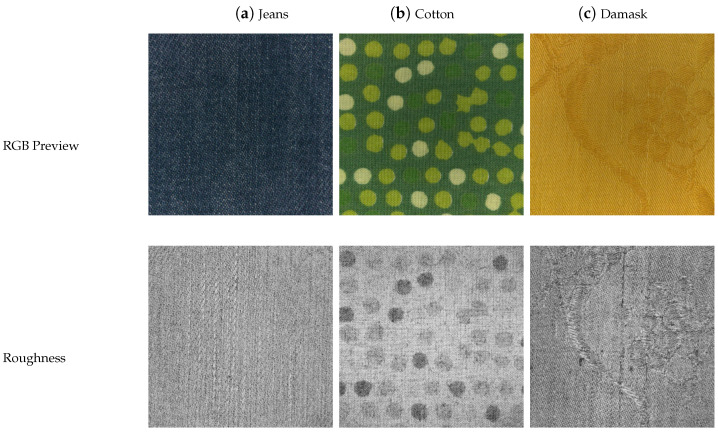 Figure 10
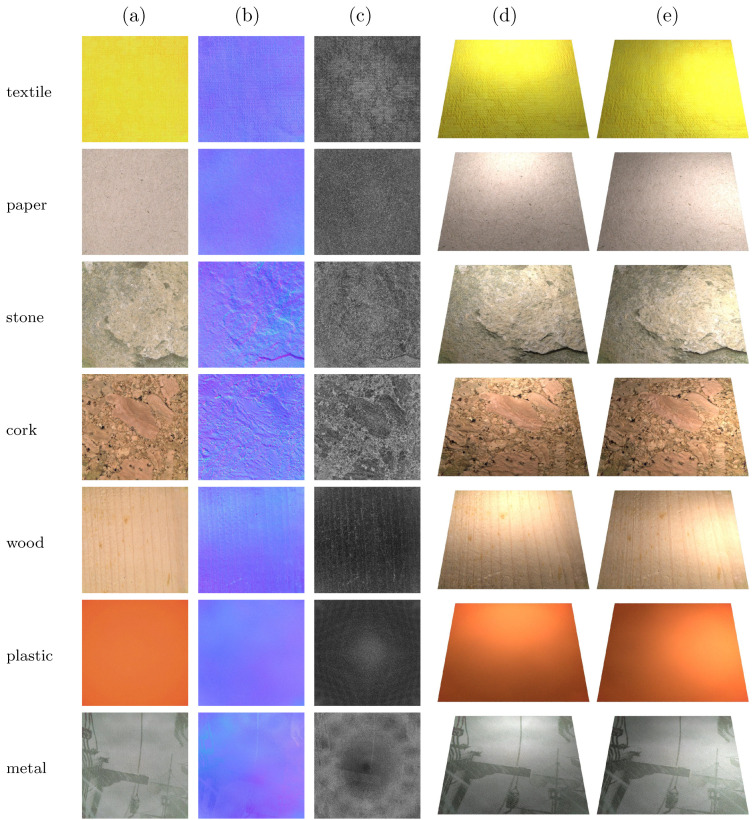 Figure 11
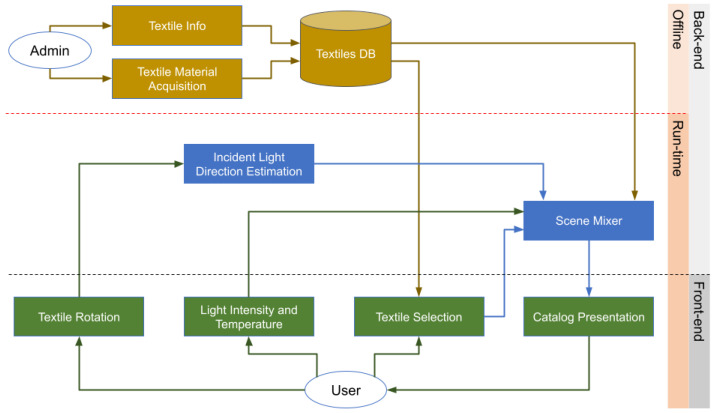 Figure 12
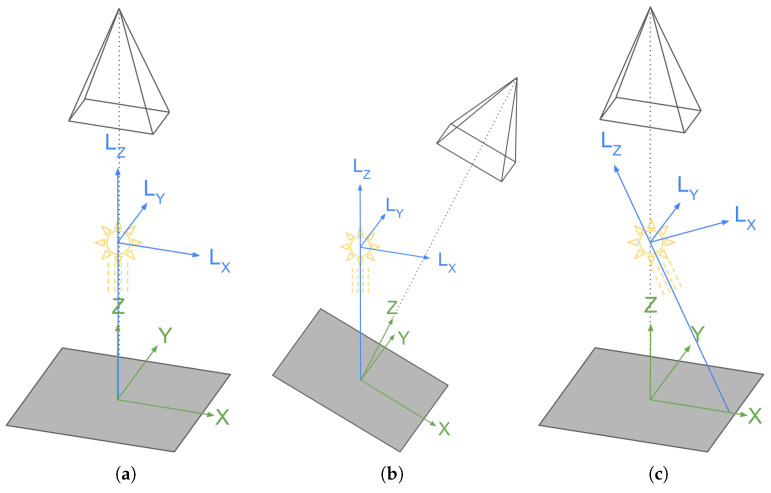 Figure 13
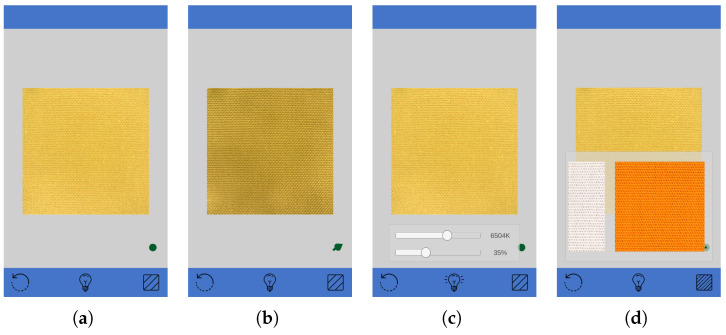 Figure 14
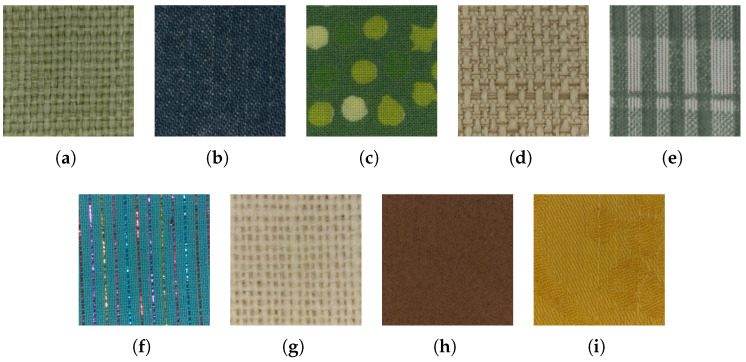 Figure 15
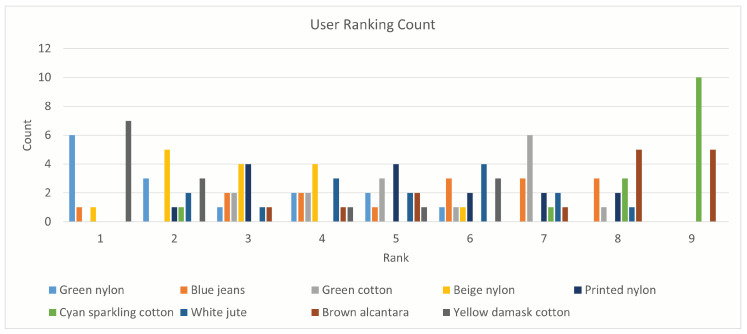 Figure 16
Peer Reviews
No public reviews on file for this paper yet. If you reviewed it on a platform where reviews are public (OpenReview, ICLR, NeurIPS, ICML), you can paste yours below so the community can read it here.
Videos
No videos yet. Explain this paper in a talk, walkthrough, or lecture? Add one.
Taxonomy
TopicsComputer Graphics and Visualization Techniques · 3D Surveying and Cultural Heritage · Interactive and Immersive Displays