Geometric Models of Speciation in Minimally Monophyletic Genera Using High-Resolution Phylogenetics
Richard H. Zander

TL;DR
This paper uses geometric models to explain how species in a genus survive and evolve over time, combining phylogenetics and physics principles.
Contribution
Introduces geometric models using regular polygons to explain speciation and survival patterns in minimally monophyletic genera.
Findings
Regular polygons inscribed in circles model balanced survival areas for new species in a genus.
The model aligns with a physics meta-law and explains the 'rule of four' in vascular plant genera.
High-resolution ancestor–descendant analysis outperforms traditional phylogenetic methods in modeling evolutionary results.
Abstract
High-resolution phylogenetics using both morphology and molecular data reveal surfactant-like trait buffering of peripatric descendant species that facilitate resilience for supra-specific entities across geologic time. Regular polygons inscribed in circles model balanced areas of survival of various numbers of new species in one genus. This model maximizes the peripatric survival of descendant species, with populations partly in allopatric habitats and in sympatric areas. It extends the theory advanced with Willis’s Age and Area hypothesis. Hollow curves of the areas bounded between a series of inscribed regular polygons and their containing circles show a ranked progression governed by similar power laws of other phenomena, including Zipf’s law and a universal meta-law in physics. This model matches best the physics meta-law (law of laws) but is only one of several somewhat different…
Genes, proteins, chemicals, diseases, species, mutations and cell lines named across the full text — each resolved to its canonical identifier and authoritative record.
Click any figure to enlarge with its caption.
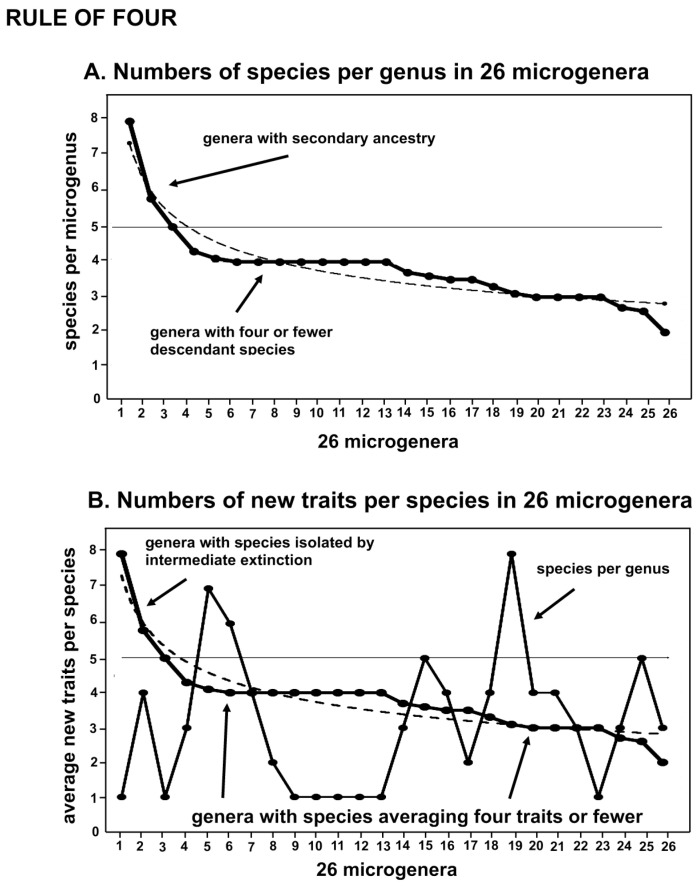 Figure 1
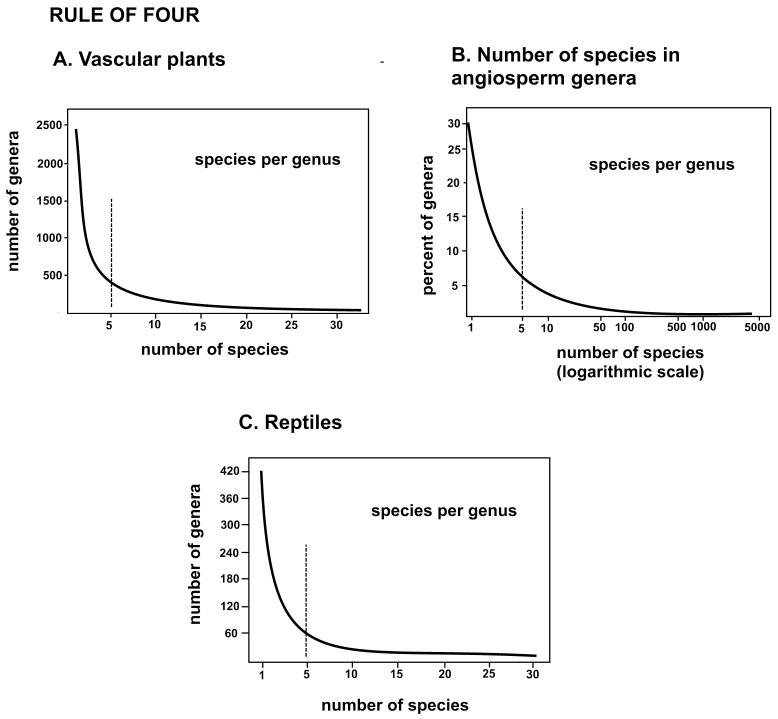 Figure 2
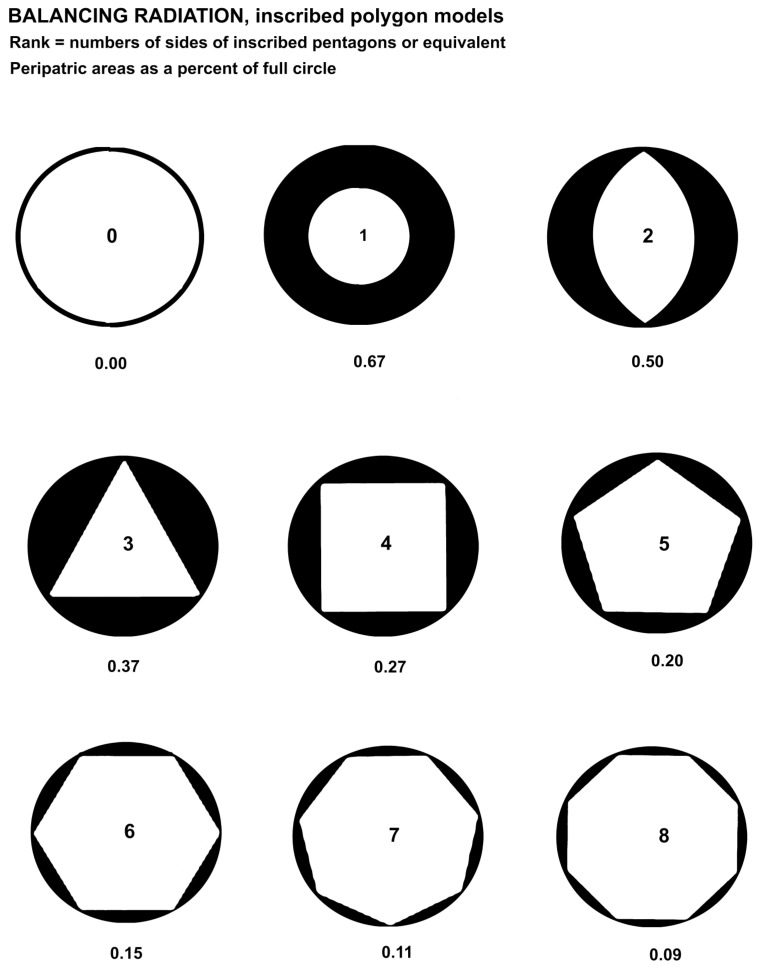 Figure 3
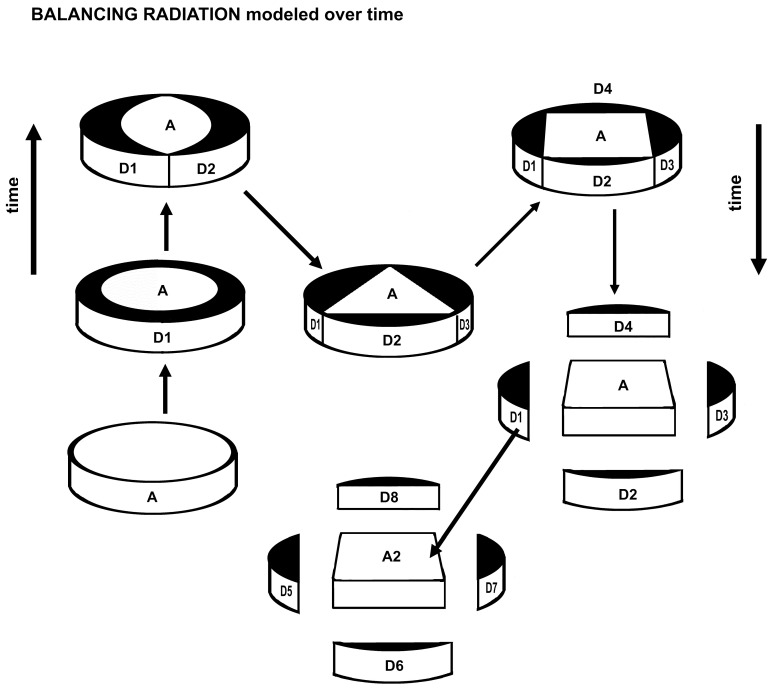 Figure 4
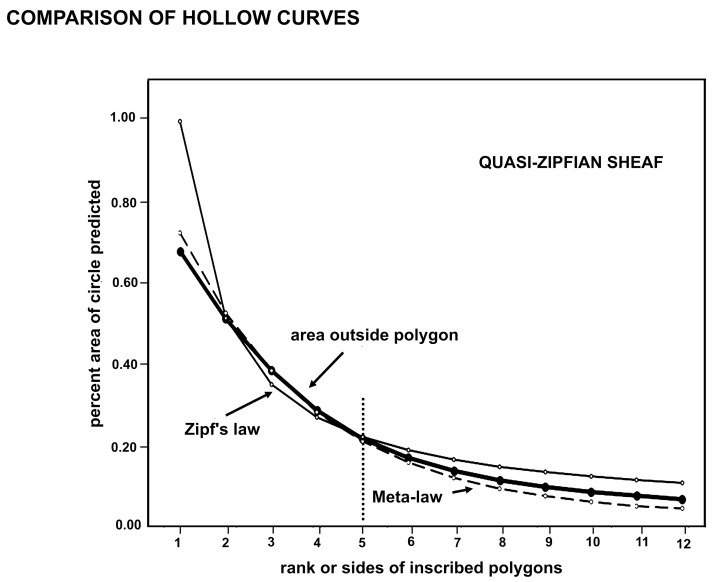 Figure 5
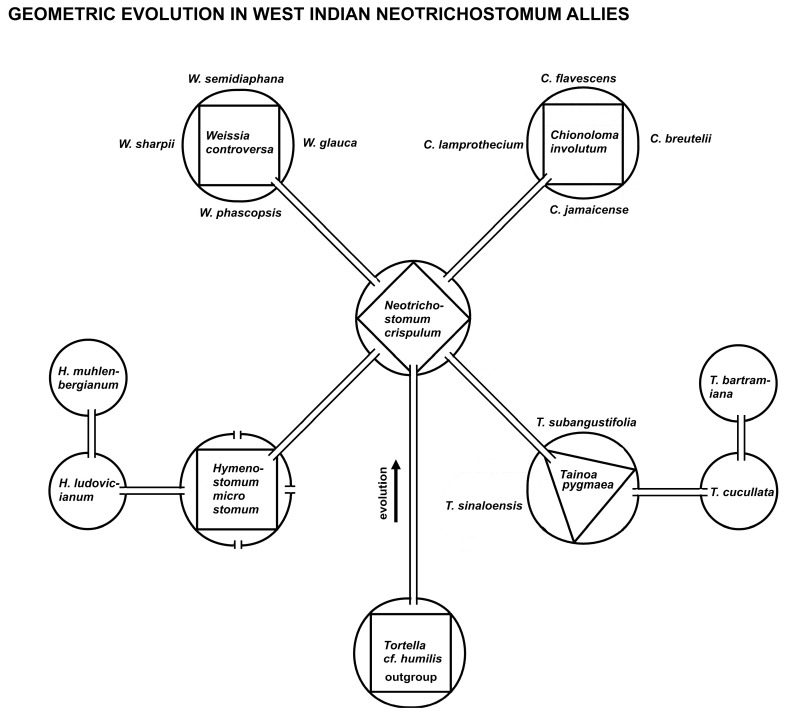 Figure 6
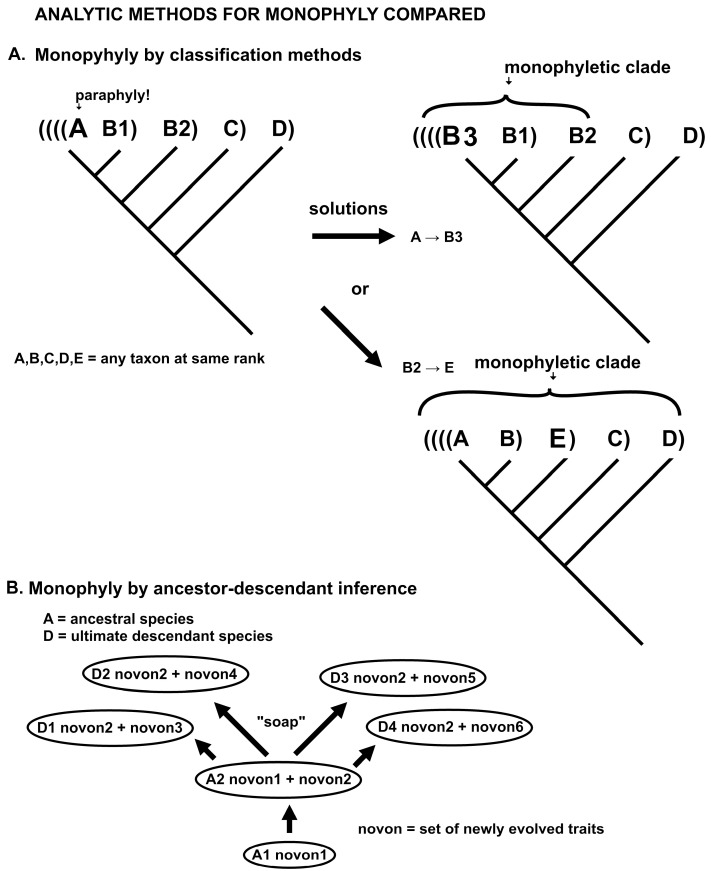 Figure 7
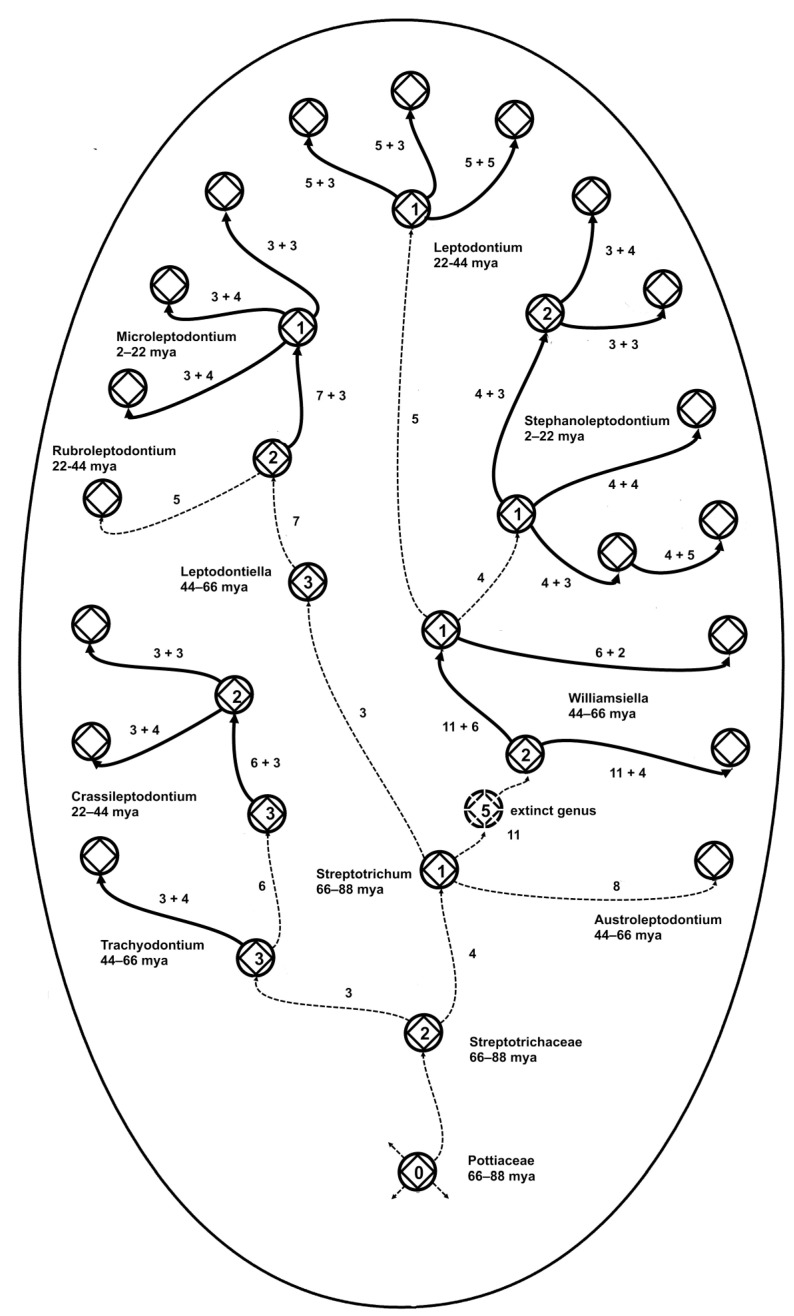 Figure 8
Peer Reviews
No public reviews on file for this paper yet. If you reviewed it on a platform where reviews are public (OpenReview, ICLR, NeurIPS, ICML), you can paste yours below so the community can read it here.
Videos
No videos yet. Explain this paper in a talk, walkthrough, or lecture? Add one.
Taxonomy
TopicsEvolution and Paleontology Studies · Ecology and Vegetation Dynamics Studies · Plant and animal studies