Pesticides’ Cornea Permeability—How Serious Is This Problem?
Anna W. Sobańska, Andrzej M. Sobański, Karolina Wanat

TL;DR
This study evaluates how easily 348 pesticides can pass through the cornea and cause eye damage, finding that some are more likely to cause harm than others.
Contribution
The paper introduces new models to predict cornea permeability and eye corrosion risk using physicochemical properties of pesticides.
Findings
Most pesticides can permeate the cornea, but highly lipophilic ones from organochlorine and pyrethroid families face more difficulty.
Eye corrosion is a significant concern for pesticides from organochlorine and organophosphorus families.
Artificial neural networks were used to assess eye-corrosive potential based on physicochemical properties.
Abstract
Background: A total of 348 pesticides from different chemical families (carbamates, organochlorines organophosphorus compounds, pyrethroids, triazines and miscellaneous) were investigated in the context of their cornea permeability and potential to cause eye corrosion. Methods: Multivariate models of cornea permeability based on compounds whose cornea permeability has been determined experimentally were proposed. The models, applicable to compounds across a relatively broad lipophilicity range (e.g., pesticides with octanol–water partition coefficient log P up to ca. 8), assume a reverse-parabolic relationship between cornea permeability and lipophilicity, expressed as XLOGP3; other main descriptors present in the models are log D at pH 7.4 and polar surface area (PSA). Results: It appears that the trans-corneal transport of all studied pesticides is possible to some degree; however, it…
Genes, proteins, chemicals, diseases, species, mutations and cell lines named across the full text — each resolved to its canonical identifier and authoritative record.
Click any figure to enlarge with its caption.
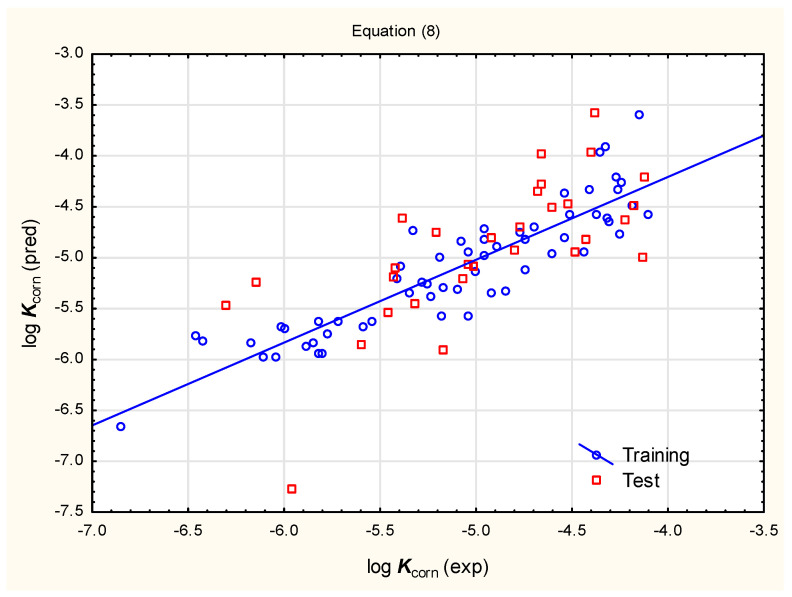 Figure 1
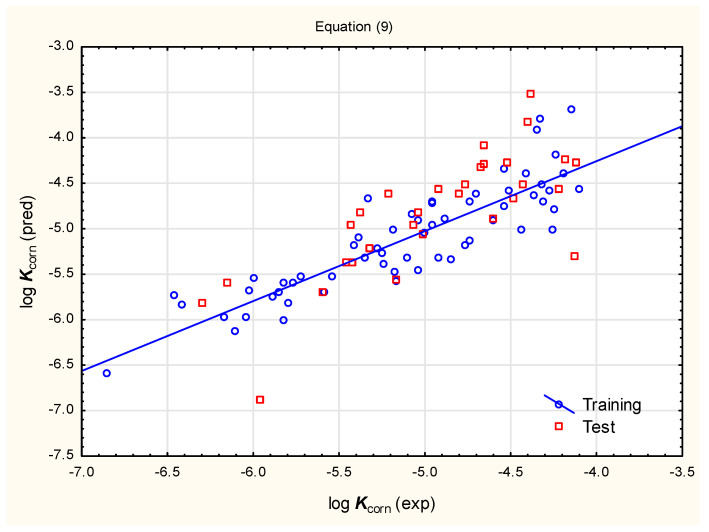 Figure 2
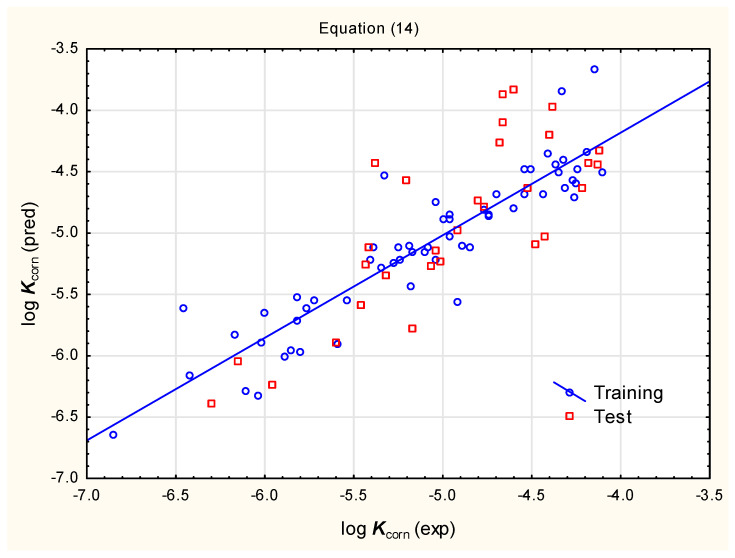 Figure 3
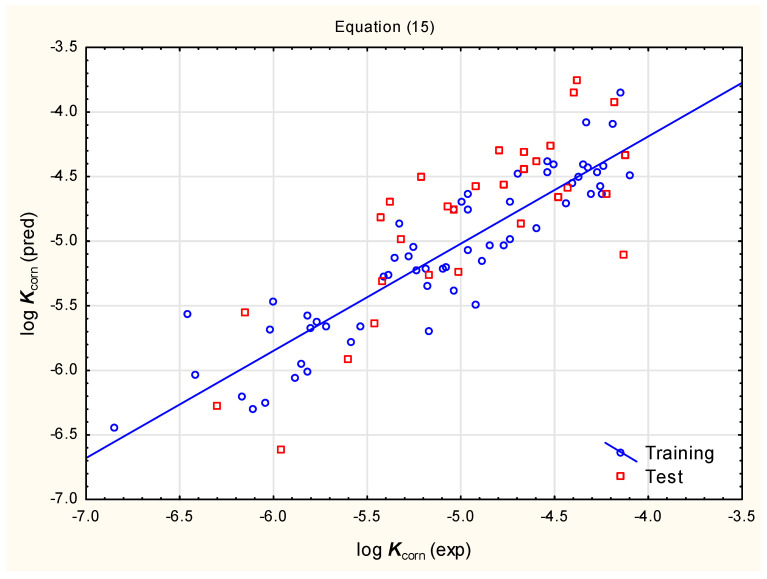 Figure 4
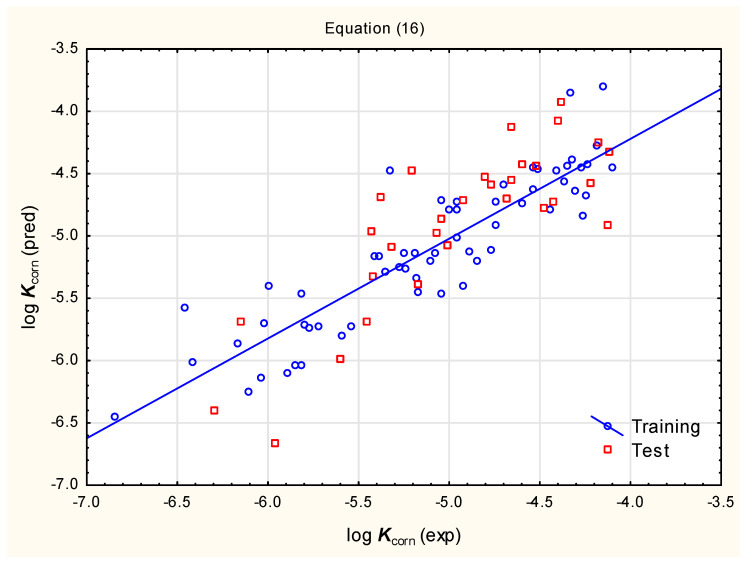 Figure 5
Peer Reviews
No public reviews on file for this paper yet. If you reviewed it on a platform where reviews are public (OpenReview, ICLR, NeurIPS, ICML), you can paste yours below so the community can read it here.
Videos
No videos yet. Explain this paper in a talk, walkthrough, or lecture? Add one.
Taxonomy
TopicsPesticide Exposure and Toxicity · Computational Drug Discovery Methods · Molecular Sensors and Ion Detection