Lebanese Medicinal Plants with Ophthalmic Properties
Jeanne Andary, Haitham El Ballouz, Rony Abou-Khalil

TL;DR
This review documents 52 Lebanese medicinal plants with potential benefits for eye health, highlighting their uses and phytochemical properties.
Contribution
The first comprehensive documentation of Lebanese medicinal plants with ophthalmic properties and their phytochemistry.
Findings
52 species from 28 families, including two endemic species, were identified for their ocular therapeutic uses.
Lamiaceae is the most represented plant family, and 68% of the plants target the anterior part of the eye.
Some plants are harmful and require caution, emphasizing the need for screening and preservation.
Abstract
Lebanon benefits from a rich biodiversity, with medicinal and aromatic plants (MAPs) representing an important part of the country’s natural wealth; however, limited data are available documenting medicinal plants being employed in eye health. This review is the first to document Lebanese medicinal plants with ophthalmic characteristics and phytochemistry that might be beneficial in the development of new, accessible, and efficient ocular medications. In this study, we searched for studies on ocular therapeutic plants using known resources, including PubMed, ScienceDirect, and Google Scholar, and confirmed these plants’ presence within the Lebanese flora. The efficacy of 52 species from 28 families, including two endemic species (Crepis libanotica and Salvia libanotica), has been documented. Their Latin names, regional names, ocular medical applications, the plant parts used, and…
Genes, proteins, chemicals, diseases, species, mutations and cell lines named across the full text — each resolved to its canonical identifier and authoritative record.
Click any figure to enlarge with its caption.
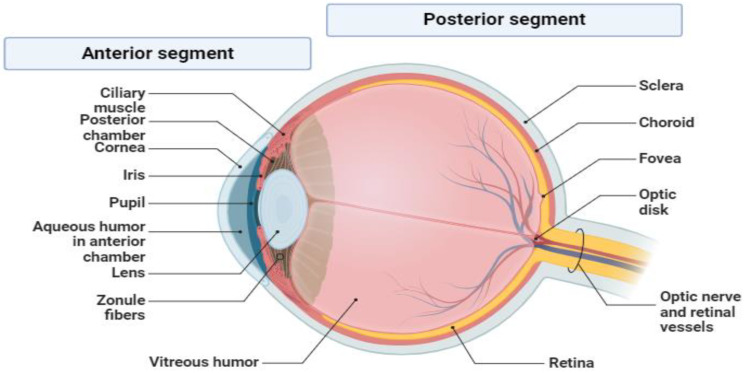 Figure 1
Peer Reviews
No public reviews on file for this paper yet. If you reviewed it on a platform where reviews are public (OpenReview, ICLR, NeurIPS, ICML), you can paste yours below so the community can read it here.
Videos
No videos yet. Explain this paper in a talk, walkthrough, or lecture? Add one.
Taxonomy
TopicsPhytochemistry and Biological Activities · Essential Oils and Antimicrobial Activity · Ethnobotanical and Medicinal Plants Studies
1. Introduction
For centuries, herbal medicine has been used to treat a wide range of human disorders, with at least 80% of the world’s population, primarily in developing countries, relying on it for primary healthcare [1]. Since the beginning of civilization, humans have used resources from fauna and flora to treat eye diseases [2]. Pharmacologically active preparations that modulate eye activity have been utilized for over 2000 years, with Atropa belladonna extracts originally being used for pupillary dilatation [3]. Owing to their low cost, herbal medicines are increasingly preferred over contemporary pharmaceuticals, and conservative remedies are still popular for use in reversible ailments.
The Mediterranean Basin, with its mild climate and millennia-old population, is rich in plant diversity, including rare and endemic plants [4]. The daily Mediterranean diet includes vegetables, fruits, and spices, with both cultivated and wild food species providing essential nutritional value and medicinal properties [5]. Lebanon, located on the eastern shore of the Mediterranean Sea, benefits from a rich biodiversity [6], hosting more than 4500 plant species, 2863 of which are considered native, and an endemism rate of 12% [7]. A range of conventional herbal eye drops made from a variety of medicinal plants can be used to treat ocular diseases [2]. The development and exploration of a country’s untapped medical knowledge is necessary for the better management of ocular disorders. Therefore, documenting and categorizing the nation’s currently unknown medical information is crucial in improving the management of eye illnesses.
The purpose of this study was to highlight, for the first time, numerous Lebanese medicinal plants that have been traditionally used to treat eye disorders, which could be further researched for use in various ocular diseases. It is the right of the local population to better understand, use, and develop their indigenous resources. Additionally, this study can serve as a valuable starting point for researchers to develop new and more effective ocular formulations that respect plant biodiversity and environmental sustainability.
2. Major Ocular Diseases
The eye is a paired organ located in the orbital cavity, responsible for capturing images transmitted to the cortical vision center [8]. The anterior segment of the eye includes ocular structures from the anterior part of the cornea to the posterior part of the lens, as well as the trabecular meshwork (TM) and aqueous humor [9] (Figure 1). Posterior-segment eye disease (PSED) is commonly defined as comprising diseases of the retina, choroid, and optic nerve and primarily includes glaucoma, age-related macular degeneration (AMD), and diabetic retinopathy (DR) [10]. Ocular diseases affect vision and can lead to irreversible blindness and the loss of visual acuity. However, many causes of vision impairment can be prevented or treated [11].
At least 2.2 billion people worldwide suffer from visual impairment, with at least one billion having conditions that could have been avoided or remain untreated. The World Health Organization estimates that eye conditions are disproportionately more prevalent in low- and middle-income countries and medically underserved populations. It is also estimated that 11.9 million people globally suffer from moderate or severe vision impairment or blindness due to glaucoma, diabetic retinopathy, and trachoma conditions that could have been prevented [12].
Anatomy of the eye with the anterior and posterior segments, created using Biorender.com [13].
2.1. Eye Infections
The eye is one of the most sensitive organs and is constantly exposed to various environmental agents. Tears contain several substances that help protect against infection, while the eyelids and eyelashes shield the ocular surface from the environment and help keep the surface of the eye moist. Occasionally, these defense mechanisms can be disrupted, leading to ocular problems [14]. Due to continuous exposure to the external environment, the eyes are susceptible to infections caused by bacteria, fungi, parasites, or viruses. The range of conditions and diseases that affect the eye vary widely, from redness to loss of vision. Most of these infections present clinically as infections of the anterior segment that include blepharitis, styes, conjunctivitis, corneal ulcers, and keratitis; infections of the lacrimal system, such as canaliculitis and dacryocystitis; or more severe infections affecting the orbit and the posterior segment, like orbital cellulitis and endophthalmitis [15].
2.2. Cataracts, Dry-Eye, and Allergies
Cataracts are the leading cause of visual impairment worldwide and are defined by the presence of lens opacities or the loss of transparency [16]. Cataracts resulting from long-term light exposure are caused by photo-oxidation that decomposes the biological components of the lens, primarily crystallin. The oxidized thiol groups in crystalline molecules form disulfide bonds, leading to crystalline aggregation and cataract formation [17].
The term ‘allergic conjunctivitis’ refers to a group of hypersensitivity disorders that affect the eyelid, conjunctiva, and/or cornea. The primary goal in managing ocular allergies is to identify the causes and prevent recurrence by eliminating them [18].
The Tear Film and Ocular Surface Society Dry Eye Workshop II (TFOS DEWS II) defines dry-eye disease as follows: In addition to causing cytotoxic effects and retinal ganglion cell loss, oxidative stress damages the trabecular meshwork, obstructing the outflow of aqueous humor and raising the intraocular pressure [19].
2.3. Glaucoma, Eye Cancer, and Diabetic Retinopathy
Glaucoma causes a progressive, irreversible loss in retinal ganglion cells, damage to the optic nerve, and loss of vision, both with and without increased intraocular pressure. However, intraocular pressure remains the most important modifiable risk factor. Oxidative stress has cytotoxic effects and causes, leading to retinal ganglion cell death and damage to the trabecular meshwork, which obstructs the outflow of aqueous humor and results in elevated intraocular pressure [20].
Diabetic retinopathy (DR) is the most common microvascular complication of diabetes mellitus (DM) and a leading cause of visual loss in working-age populations. Inflammation and retinal neurodegeneration may be involved in DR as independent pathogenesis pathways. The development of agents targeting molecules in these pathways may provide new therapeutic treatments for DR [21].
Eye cancer is a rare disease, with a lower occurrence compared to other forms of cancer, and it is generally less invasive. It can affect either the outer parts of the eye (extraocular cancer) or the eyeball itself (intraocular cancer). In adults, the most common intraocular cancers are melanoma and lymphoma, while in children, retinoblastoma is the most common and may be extraocular or intraocular [22].
3. Methodology
Data collection was carried out through an extensive review of the literature. We initially searched for studies on ocular therapeutic plants in well-known resources, using specific keywords such as medicinal plants, ocular diseases, and ophthalmic plants.
Population (P): This study included published articles (original research) related to medicinal plants used to treat ophthalmic disorders covering the period from January 2000 to October 2024 in English. Articles from PubMed (National Library of Medicine) (188 articles), Science Direct Scopus (146 articles), Google Scholar (41 articles), and published books were used to create a primary list of ophthalmic plants, as well as World Flora Online (http://www.worldfloraonline.org, accessed on 10 October 2024) and Plants of the World Online (https://powo.science.kew.org/, accessed on 10 October 2024). The primary list contained the names of nearly 375 medicinal plants. These plants were then checked for their presence in Lebanese flora using the following resources: http://www.lebanon-flora.org/ accessed on 10 October 2024, and the atlas Nouvelle Flore du Liban et de la Syrie documenting the biodiversity in these regions [23]. Figure 2 illustrates the different steps involved in the study design.
Inclusion criteria: All original research articles on medicinal plants used to treat different ocular disorders in English and related to plants growing in Lebanon.
Exclusion criteria: All data published outside the timeframe of the study period, studies published in languages other than English, or works on plants not native to the Lebanese flora.
The final dataset, consisting of 52 different species, was compiled in an Excel worksheet (Table 1) and arranged alphabetically. The chemical structures were drawn using ChemDraw Professional 15 software.
4. Findings and Discussion
The compiled papers are from a variety of sources: reviews account for 32%, ethnopharmacological surveys for 8%, reports for 8%, and case studies for 3%. Notably, 45% are classified as original research publications (Figure 3); 18% of these articles focused on the eye in vivo, while 15% of the studies were in vitro. In contrast, 12% of the research did not involve either in vitro or in vivo trials.
The names of the medicinal plants found in the Lebanese flora are listed in Table 1, along with their Latin names, regional names, plant parts used, preparation forms, ocular uses, and related sites of action. The plant names were verified using http://www.theplantlist.org, accessed on 10 October 2024. The various plant characteristics were recorded exactly as provided by the reference sources, without any commentary, to prevent misunderstandings or incorrect interpretations. These species are listed in the order of their appearance in the table: Althaea officinalis, Alhagi maurorum, Allium sativum, Anagallis arvensis, Arbutus unedo, Bidens pilosa, Borago officinalis, Capparis spinose, Centaurea cyanus, Chenopodium opulifolium, Cichorioum intybus, Citrullus colocynthis, Crepis robertioides, Crepis libanotica, Cyperus rotundus, Datura stramonium, Daucus carota, Euphrasia officinalis, Ficus carica, Foeniculum vulgare, Fumaria officinalis, Hyoscyamus niger, Iris germanica, Juniperus excelsa, Linum usitatissimum, Ocimum basilicum, Olea europaea, Origanum syriacum, Origanum laevigatum, Malvae sylvestris, Matricaria chamomilla, Marrubium vulgare, Melissa officinalis, Mentha longifolia, Mentha spicata, Nerium oleander, Plantago lanceolate, Portulaca oleracea, Rosa damascena, Rosa centifolia, Rosemarinus officinalis, Salvia sclarea, Salvia Libanotica fruticose, Salvia officinalis, Silybum marianum, Solanum dulcamara, Solanum villosum, Thymus vulgaris, Urginea maritima, Xanthium strumarium, Ziziphus jujube, and Ziziphus spina-christi.
4.1. Family Classification
The effectiveness of 52 species from 28 families, including two indigenous ones (Crepis libanotica and Salvia libanotica), was documented in this study. The majority of species are from the Lamiaceae family (21%), followed by the Asteraceae (14%) and Solanaceae (7%), while Malvaceae, Rhamnaceae, and Rosaceae are present (3% each). Other families accounted for 49% of the total (Figure 4).
Table 1 shows that most of the cited Lebanese medicinal plants have multiple ocular properties. Additionally, many plant families exhibit similar treatment characteristics. Interestingly, the etiology of most ocular diseases involves free radical-mediated oxidative damage, hypoxia, reduced blood supply to ocular tissues, and, in certain conditions, angiogenesis [93]. Phytochemicals show antioxidant, anti-angiogenic, and/or anti-inflammatory activities, and they can also reduce fluid retention and strengthen capillary walls [94]. Therefore, the prevention or treatment of eye disorders may benefit from the selection of these phytochemicals.
To minimize high heterogeneity and traditional publication bias, Table 2 lists the various phytoconstituents found in the listed Lebanese medicinal plants (from research articles only) along with their corresponding mechanisms of action.
Species of the Lamiaceae family have traditionally been used for their curative and preventive properties. Their value stems from the synthesis of a wide range of secondary metabolites with antibacterial, antioxidant, anti-inflammatory, antimicrobial, antiviral, and anticancer properties. The main classes of phenolic compounds identified are phenolic acids, mainly caffeic and rosmarinic acids, and flavonoids. These antioxidant defenses contribute to eye health and maintenance [118]. In this context, the essential oils of Rosemarinus officinalis, Salvia sclarea, and Thymus vulgaris, which contain monoterpene, diterpene, and sesquiterpene hydrocarbons, azulene, alcohols, aldehydes, and ketones, have been cited for their antibacterial properties (Table 2) [80,81,82]. Keratitis caused by the fungus Fusarium can be treated with Salvia sclarea, while amoebic keratitis can be treated with ethanol extracts of Origanum syriacum and Origanum laevigatum [65]. Other beneficial features of this family include its ability to reduce ocular inflammation, as demonstrated by Marrubium vulgare [68], Salvia libanotica fruticose [83], and Salvia officinalis [84].
Long-term exposure to UV, visible ionizing radiation, and environmental toxins cause oxidative damage in ocular tissues, leading to pathological consequences in the ageing eye. While eye tissues, like the tear film, have strong antioxidant defenses against free radicals, the trabecular meshwork lacks these defenses [111]. The inclusion of saturated fatty acids (palmitic and stearic acids) and unsaturated fatty acids (α-linolenic, linoleic, and oleic acids) in Ocimum basilicum has beneficial effects. Moreover, polyunsaturated fatty acids can reduce intraocular pressure due to their anti-inflammatory and antioxidant properties. The contributions of flavonoids (quercetin, rhamnocitrin, and luteolin), phenolic acids (rosmarinic and caffeic), and volatile compounds (geranial, neral, citronellal, and geraniol) explain why Melissa officinalis shows potential in preventing age-related macular degeneration [27,28]. The antimicrobial activity of Thymus vulgaris is attributed to compounds such as α-thujene, α-pinene, and camphene. The essential oil of T. vulgaris can inhibit the growth of microscopic filamentous fungi from the genus Penicillium [116,117]. In addition, polyphenolic extracts from Spearmint (Mentha spicata) may provide nutritional support for neuronal tissues, potentially complementing hypotensive treatments for glaucoma and other ocular conditions by disrupting antioxidant, anti-inflammatory, and neuroprotective mechanisms [72].
The pharmacological effects of Asteraceae plants can be attributed to their wide range of phytochemical compounds, including polyphenols, phenolic acids, flavonoids, acetylenes, and triterpenes. The Asteraceae family exhibits potent antioxidant, anti-inflammatory, and antibacterial properties [119]. Notable species in this category include Bidens pilosa, Centaurea cyanus, Cichorioum intybus, and Matricaria chamomilla, which can be used to alleviate eye inflammation. Crepis robertioides and Crepis libanotica have been used to treat eye infections, while Centaurea cyanus is effective specifically in eyelid and conjunctival inflammation such as blepharitis and conjunctivitis. However, the antioxidant properties of silibinin, a flavonolignan extracted from Silybum marianum, make it useful in the treatment of age-related macular degeneration [86,115]. Many eye conditions are treated with Matricaria chamomilla [30,31]. Additionally, Xanthium strumarium has the potential to enhance vision [90].
The abundance of phytochemicals in the family Solanaceae highlights their potential as healing plants. This family, also known as the nightshade family, includes plants that contain lethal alkaloids [120]. In addition to being an insecticide used to remove Lucilia sericata, Hyoscyamus niger can cause red eyes or itching [57]. Joo, 2023, highlighted the dual role of alkaloids as both therapeutic agents and potential toxins [121]. On the other hand, Solanum dulcamara and Solanum villosum can be used to treat eye inflammation and sore eyes, respectively.
Species of the Malvaceae family possess a wide variety of chemical constituents, such as polysaccharides, coumarins, flavonoids, polyphenols, vitamins, terpenes, and tannins, are found in different plant organs, particularly in the leaves and flowers. These compounds are linked to their biological activity [122]. Althaea officinalis and Malvae sylvestris are notably known for their ability to moisturize the eyes and prevent dry-eye disease. This effect is attributed to the presence of mucilaginous molecules, which may enhance the lubricating effect [35,36].
The health benefits of the Rosaceae family are linked to its secondary metabolites, with enriched extracts finding applications in pharmacology. Its main constituents include flavonoids, triterpenes, tannins, polysaccharides, phenolic acids, fatty acids, organic acids, carotenoids, and vitamins [123]. The flower extracts of Rosa damascena and Rosa centifolia are used for eye washing and treating eye inflammation. Terpenoids and saponins, which are abundant in the genus Ziziphus, are responsible for many of its health benefits [124]. Rhamnaceae plants Ziziphus jujube and Ziziphus spina-christi have also been utilized to treat eye inflammation.
4.2. Plant Parts
Most plant components are applied topically to the affected area of the eye and utilized externally, although some are also used internally. The stem was prevalent in the remedies that we found (17%), followed by aerial parts (15%), leaves (4%), and flowers (8%) (Figure 5).
4.3. Ocular Preparation and Administration
The 52 medicinal plants cited in this study were prepared and administered using a variety of techniques, as shown in Table 1. These methods are accurately reported as cited in the references. Infusion, decoction, or maceration in water are the basic methods used to obtain aqueous plant extracts. A decoction is typically used for the harder or woodier parts of the plant; it involves placing the plant in cold water, roughly divided, and boiling the mixture for at least 15 min over a moderate flame [125]. Anagallis arvensis leaf juice can be used to improve eyesight, while an infusion of Borago officinalis leaves can treat conjunctivitis. Both the flower of Fumaria officinalis and the rhizome decoction of Cyperus rotundus can be used as alternative remedies for conjunctivitis. Eyebright, also known as Euphrasia officinalis, has historically been used in folk medicine mostly to treat eye conditions.
Additionally, solvents can penetrate plant cell walls to release intracellular compounds, thereby increasing the yield of the extracts. Studies have shown that using alcohol-based solvents, especially in aqueous mixtures (e.g., 80% methanol or ethanol), can improve the extraction of phenolic content and antioxidant activities [126]. It has been suggested that the methanolic extracts of Citrullus colocynthis, Allium sativum, and Iris germanica could delay the development of cataracts, reduce intraocular pressure, and treat conjunctivitis. Additionally, methanolic extracts of Origanum basilicum and Origanum syriacum have been linked to the treatment of amoebic keratitis.
Essential oils (EOs) are complex mixtures of secondary metabolites with specific chemical compositions that vary according to the plant’s characteristics. In the East, aromatic substances are often considered more than just perfumes and are used for therapeutic purposes [81]. The essential oils of Thymus vulgaris, Salvia sclarea, Rosemarinus officinalis, and Salvia officinalis have also been cited for their numerous ocular qualities, particularly their antibacterial effects.
Some formulations were cited in specific forms, such as lotions (Plantago lanceolate and Fumaria officinalis) and ointments (Chenopodium opulifolium and Olea europaea). When blended with sugar, Alhagi maurorum flower powder is used to cleanse the eye and improve vision. Linum usitatissimum oil capsules have been used to treat patients with dry-eye and Sjögren’s syndrome. The simple edible plants mentioned include Arbutus unedo, Daucus carota, Foeniculum vulgare, and Portulaca oleracea.
4.4. Disease Treatment Classification
Recent preclinical studies have explored the use of re-emerging herbal compounds for prophylaxis and management in anterior- and posterior-segment eye diseases [127]. A significant percentage (68%) of the cited Lebanese medicinal plants could be used to target the anterior portion of the eye. The most frequently recommended treatments were for eye infections or inflammation, leading to symptoms such as pain, redness, discharge, excessive moisture, and light sensitivity. These characteristics are commonly observed in species belonging to the Lamiaceae and Asteraceae families, as previously mentioned. Certain plants, such as Bidens pilosa, Linum usitatissimum, Malvae sylvestris, Melissa officinalis, and Olea europaea, have been found to play a role in stabilizing the tear film, thus reducing dry-eye symptoms. Daucus carota, rich in carotenoids such as beta-carotene, lutein, and zeaxanthin, helps protect the eye from oxidative stress, apoptosis, mitochondrial dysfunction, and inflammation. Additionally, Matricaria chamomilla may offer protection against ultraviolet (UV) radiation or cataract development (Table 2). A lower incidence of age-related eye disorders is associated with a high intake of these carotenoids. These phytomolecules are lipophilic, meaning they can penetrate biological barriers like the blood–retina barrier (BRB). As a result, their ability to reach the retina enables them to have anti-inflammatory and antioxidant effects [128].
However, 5% of the listed medicinal plants, including Chenopodium opulifolium, Juniperus excels, and Urginea maritima, are suggested for use in treating unspecified eye disorders.
The complex structure and physiology of the eye make it difficult for ophthalmologists to treat posterior-segment ocular diseases such as age-related macular degeneration (AMD) or diabetic retinopathy (DR) [129]. As illustrated in Figure 6, only 9% of the cited medicinal plants are effective for conditions such as glaucoma or AMD. The specialized nature of the eye includes several static and moving obstacles that prevent drugs from reaching their intended target sites of action. Therefore, new carrier systems for herbal phytoconstituents should be developed to overcome the poor permeability and absorption limitations at the desired site of action [127]. Research indicates that Arbutus unedo can delay or prevent cataracts due to the presence of zeaxanthin [130,131]. Borago officinalis contains gamma-linolenic acid, a vasodilator that improves blood flow and may help lower retinal venous pressure [34]. Melissa officinalis (Lamiaceae) is used for age-related macular degeneration (AMD) due to its volatile compounds (geranial, citronellal, and geraniol), phenolic acids (rosmarinic and caffeic acid), and flavonoids (quercetin, rhamnocitrin, and luteolin). These phytochemicals can reduce apoptosis and oxidative damage while exhibiting potent antioxidant properties, acting as radical scavengers [69,113]. Additionally, phenolic compounds derived from Mentha spicata have been linked to improvements in neurotrophin levels, along with reductions in oxidative stress and inflammation markers, making them beneficial in treating glaucoma [72]. Finally, Silybum marianum is effective in treating age-related macular degeneration (AMD), primarily due to its flavonolignans, which possess antioxidant properties [86,115].
Treating posterior-segment ocular illnesses can be challenging; however, drug permeability improves with increased lipophilicity and decreases with lower molecular weight and/or reduced protein binding [129]. Table 3 lists the main phytochemical components along with their solubility, molecular weight, and functional groups. Plants that target both the anterior and posterior parts simultaneously include Allium sativum [132], Foeniculum vulgare [55], Rosa damascene [133], and Rosemarinus officinalis [134]. For example, solubility affects their capacity to cross ocular barriers, and functional groups determine how they interact with biological targets. Most of the listed molecules are slightly soluble in water but exhibit higher solubility in organic solvents. Additionally, their molecular weight ranges from 148 to 360 Da. Understanding these characteristics aids in the development of efficient ocular drug delivery systems [135].
4.5. Toxicology of Some Cited Medicinal Plants
The common belief that herbal remedies have no side effects has led to the widespread use of traditional eye medications. However, this dangerous misuse can result in ocular morbidity due to close contact with the eyes. Herbal eye “medicines” are believed to cause 8-10% of corneal blindness in Africa [137]. The negative effects include a worsening of the initial condition and an increased risk of infections, which, in extreme cases, can result in total eye injury. Since 11% of the described plants show signs of toxicity, caution should be exercised when handling plants that can harm the eyes, such as Datura stramonium, Ficus carica, Hyoscyamus niger, Nerium oleander, and Urginea maritima. The primary hazardous phytochemicals are listed in Table 4. Alkaloids such as atropine, scopolamine, and hyoscyamine are responsible for blocking the muscarinic acetylcholine receptors in the iris sphincter muscle, preventing contracting [138]. Some documented adverse outcomes include photophobia, mydriasis, blurred vision, and eye pain.
Additionally, the branches, leaves, and fruit skin of the fig tree (Ficus carica) release a milky sap or latex that contains proteolytic enzymes and furocoumarins. These compounds are known to be photoirritants [51].
5. Conclusions
Thousands of medicinal plant species have significant economic, social, and ecological value and are fundamental to human well-being. The 52 Lebanese medicinal plants listed in this study could play a crucial role in the development of new, affordable, and effective ocular drugs. This study was the first on this topic and established a foundation for further phytochemical and pharmacological exploration.
However, significant research gaps were identified, particularly in the studies focusing on ocular medicinal plants and eye diseases. Notably, 33% of the studies involved in vivo or in vitro trials, indicating the need for more thorough investigations. While phytochemical products have shown promise as potential therapies, many remain untested or inadequately monitored. Additionally, the efficacy of herbal treatments can be highly variable due to differences in their sources, quality, combinations, and preparation methods. This lack of standardization may lead to potential adverse reactions. The safety of herbal medications remains a major concern, and regulatory bodies must ensure that all herbal medicines are safe and of acceptable quality [1].
Endemic plants, such as Crepis libanotica and Salvia libanotica, should be screened through standardized pharmacological and clinical procedures to assess their potential activities [7]. Consequently, research into the phytochemical profiles of these species, particularly those that are currently underexplored, can aid in discovering bioactive compounds with positive effects on ocular health while also uncovering the potential uses and economic importance of these plants.
The reference list from the paper itself. Each links out to its DOI / PubMed record.
- 1Ekor M. The Growing Use of Herbal Medicines: Issues Relating to Adverse Reactions and Challenges in Monitoring Safety Front. Pharmacol.2014417710.3389/fphar.2013.0017724454289 PMC 3887317 · doi ↗ · pubmed ↗
- 2Pinheiro G.K.L.d.O. Araújo Filho I.d. Araújo Neto I.d. Rêgo A.C.M. de Azevedo E.P. Nature as a Source of Drugs for Ophthalmology Arq. Bras. Oftalmol.20188144345410.5935/0004-2749.2018008630208150 · doi ↗ · pubmed ↗
- 3Duncan G. Collison D.J. Role of the Non-Neuronal Cholinergic System in the Eye Life Sci.2003722013201910.1016/S 0024-3205(03)00064-X 12628451 · doi ↗ · pubmed ↗
- 4Cowling R.M. Rundel P.W. Lamont B.B. Kalin Arroyo M. Arianoutsou M. Plant Diversity in Mediterranean-Climate Regions Trends Ecol. Evol.19961136236610.1016/0169-5347(96)10044-621237880 · doi ↗ · pubmed ↗
- 5Monari S. Ferri M. Salinitro M. Tassoni A. Ethnobotanical Review and Dataset Compiling on Wild and Cultivated Plants Traditionally Used as Medicinal Remedies in Italy Plants 202211204110.3390/plants 1115204135956518 PMC 9370752 · doi ↗ · pubmed ↗
- 6Pullaiah T. Global Biodiversity: Selected Countries in Asia 1st ed.Apple Academic Press New York, NY, USA 2018978-0-429-48774-3
- 7Baydoun S. Kanj D. Raafat K. Aboul Ela M. Chalak L. Arnold-Apostolides N. Ethnobotanical and Economic Importance of Wild Plant Species of Jabal Moussa Bioreserve, Lebanon J. Ecosyst. Ecogr.20177100024510.4172/2157-7625.1000245 · doi ↗
- 8Sangeetha J. Asokan S. A Review on Traditional Medicine Used as Treatment for Conjunctivitis J. Pharm. Drug Anal.20186191196