Reversibly Alterable Hot-Electron Photodetection Without Altering Working Wavelengths Through Phase-Change Material Sb2S3
Yaoyao Li, Xiaoyan Yang, Jia Hao, Junhui Hu, Qingjia Zhou, Weijia Shao

TL;DR
This paper introduces a new photodetector design using Sb2S3 that can change its responsivity without changing the working wavelengths by altering the material's phase.
Contribution
A novel planar photodetector design using phase-change material Sb2S3 to reversibly alter responsivity without changing working wavelengths.
Findings
The device shows strong absorptance (>0.95) at the same resonance wavelengths for both phases of Sb2S3.
Responsivity can be reversibly altered between 59.9 nA/mW and 128.7 nA/mW by switching Sb2S3 phases.
The device maintains its performance at specified wavelengths even with varying structural parameters and biases.
Abstract
Generally, the responsivities of hot-electron photodetectors (HE PDs) are mainly dependent on the device working wavelengths. Therefore, a common approach to altering device responsivities is to change the working wavelengths. Another strategy for manipulating electrical performances of HE PDs is to harness electric bias that can be used to regulate hot-electron harvesting at specified working wavelengths. However, the reliance on bias hampers the flexibility in device operations. In this study, we propose a purely planar design of HE PDs that contains the phase-change material Sb2S3, realizing reversibly alterable hot-electron photodetection without altering the working wavelengths. Optical simulations show that the designed device exhibits strong absorptance (>0.95) at the identical resonance wavelengths due to the excitations of Tamm plasmons (TPs), regardless of Sb2S3 phases.…
Genes, proteins, chemicals, diseases, species, mutations and cell lines named across the full text — each resolved to its canonical identifier and authoritative record.
Click any figure to enlarge with its caption.
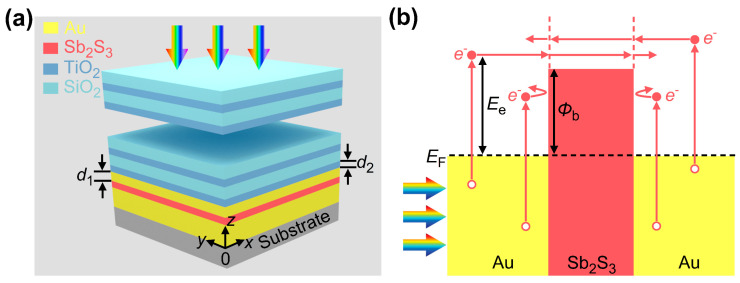 Figure 1
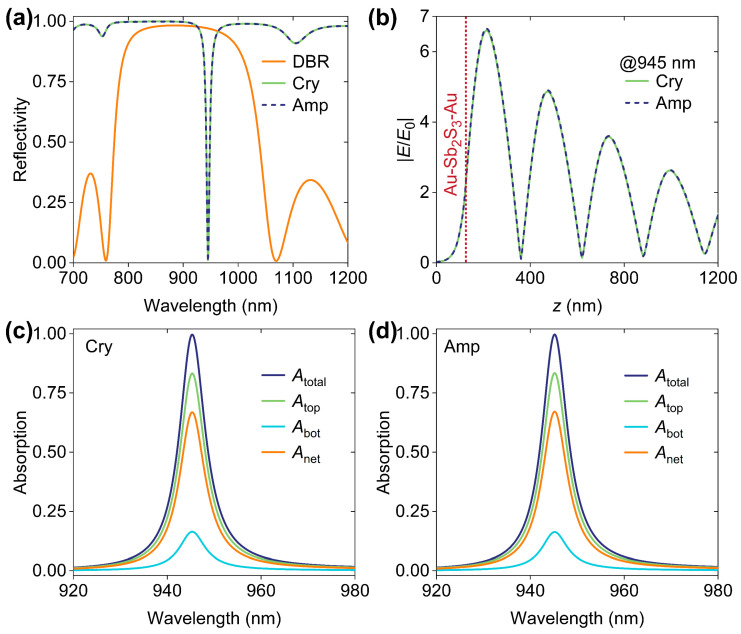 Figure 2
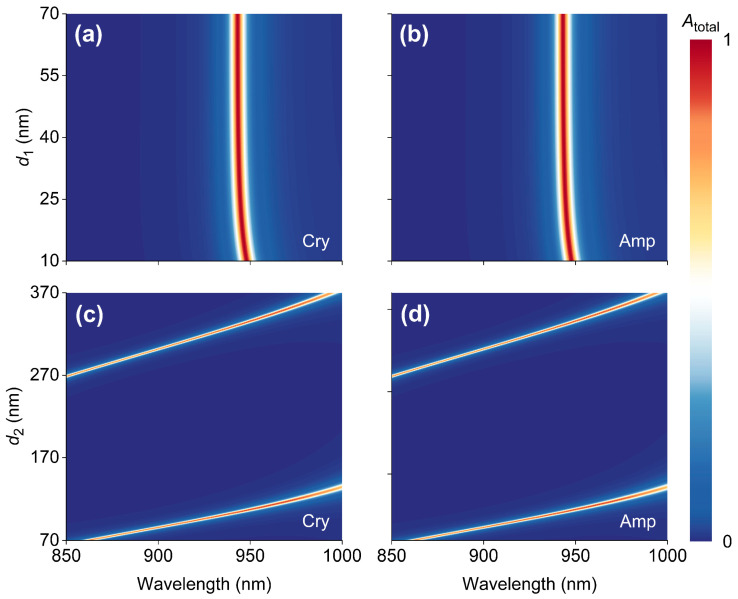 Figure 3
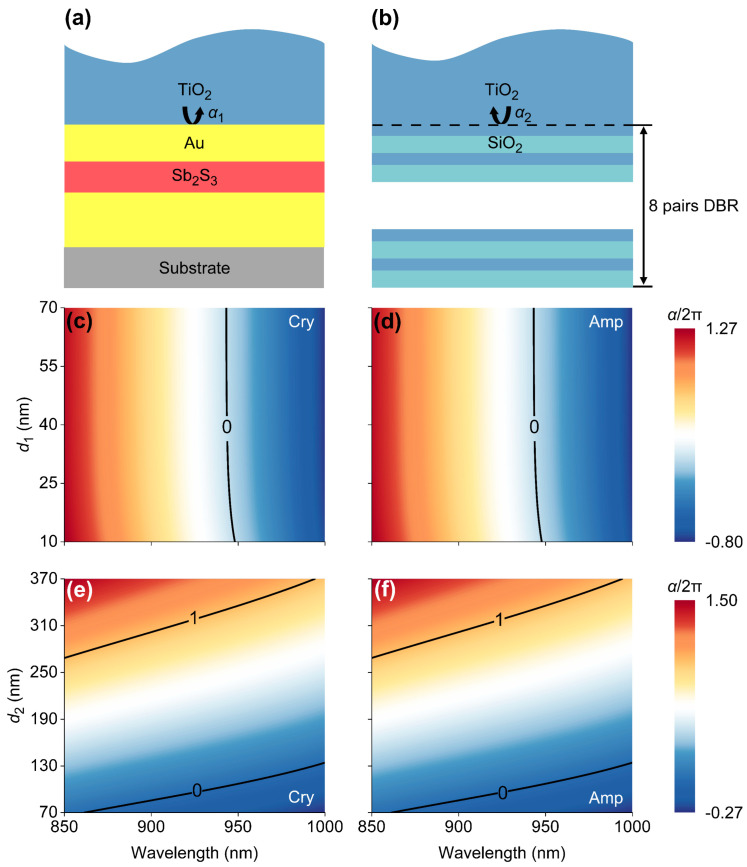 Figure 4
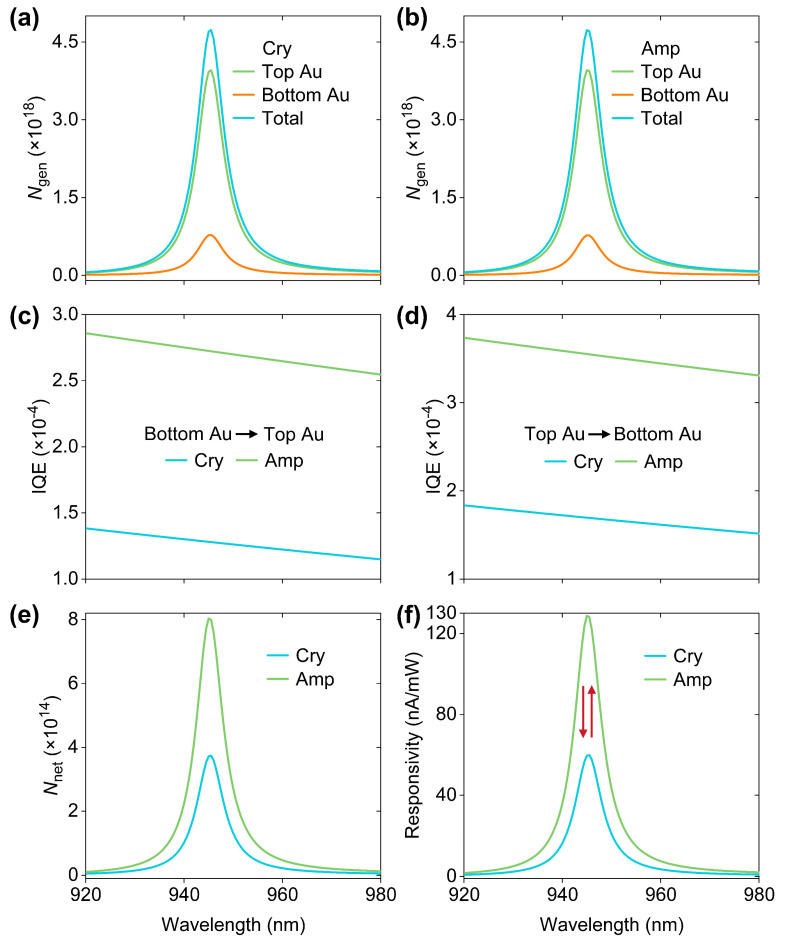 Figure 5
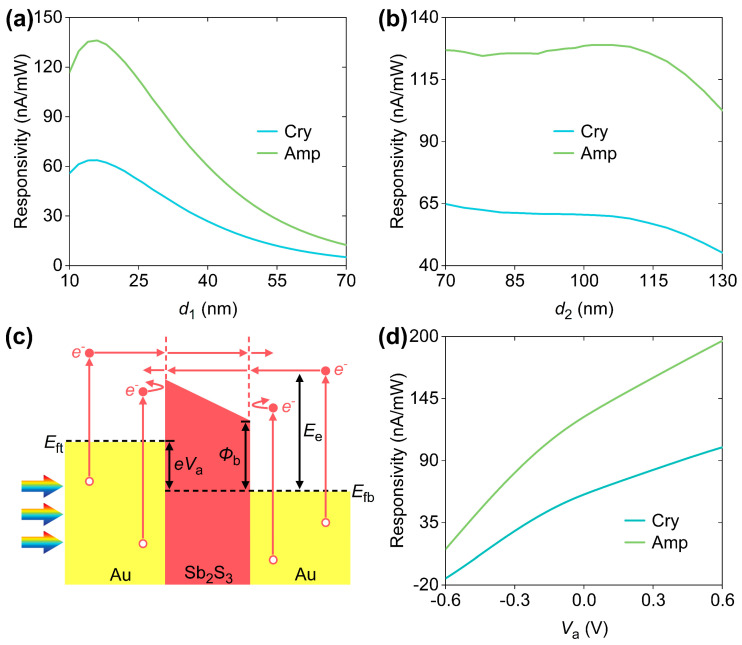 Figure 6
Peer Reviews
No public reviews on file for this paper yet. If you reviewed it on a platform where reviews are public (OpenReview, ICLR, NeurIPS, ICML), you can paste yours below so the community can read it here.
Videos
No videos yet. Explain this paper in a talk, walkthrough, or lecture? Add one.
Taxonomy
TopicsChalcogenide Semiconductor Thin Films · Quantum Dots Synthesis And Properties · Advanced Semiconductor Detectors and Materials