Integrated Device for Cancer Nucleic Acid Biomarker Detection at Body Temperature
Chang Chen, Bin Wu, Xuesong Li, Yuhang Jin, Hangyu Zhang, Bo Liu, Zhengyao Zhang, Na Li

TL;DR
This paper introduces a simple, fast, and user-friendly device for detecting cancer-related nucleic acid markers at body temperature, enabling early cancer screening.
Contribution
A novel PDMS-based device integrated with RT-RAA and colloidal gold test strips for rapid, semi-quantitative cancer nucleic acid biomarker detection at body temperature.
Findings
The device successfully amplified CEA, PSA, and PCA3 from serum and urine samples at body temperature in 20 minutes.
Optimal detection conditions included pH 8.5 for antibody labeling and specific concentrations of secondary antibody and streptavidin.
The method showed high sensitivity, specificity, and accuracy for clinical sample analysis.
Abstract
The quantitative analysis of nucleic acid markers is extensively utilized in cancer detection. However, it faces significant challenges, such as the need for specialized detection devices and the inherent complexity of testing procedures. To address these issues, this study proposes a simplified, rapid, and user-friendly platform for cancer nucleic acid marker detection. We firstly designed a polydimethylsiloxane (PDMS) device for the isothermal amplification reaction of nucleic acid biomarkers based on reverse-transcription recombinase-aided amplification (RT-RAA) technology. Specifically, three potential cancer nucleic acid biomarkers, carcinoembryonic antigen (CEA), prostate-specific antigen (PSA), and prostate cancer antigen 3 (PCA3) were amplified from human serum or urine samples in the PDMS device at body temperature. The reaction chamber was directly integrated with nucleic acid…
Genes, proteins, chemicals, diseases, species, mutations and cell lines named across the full text — each resolved to its canonical identifier and authoritative record.
Click any figure to enlarge with its caption.
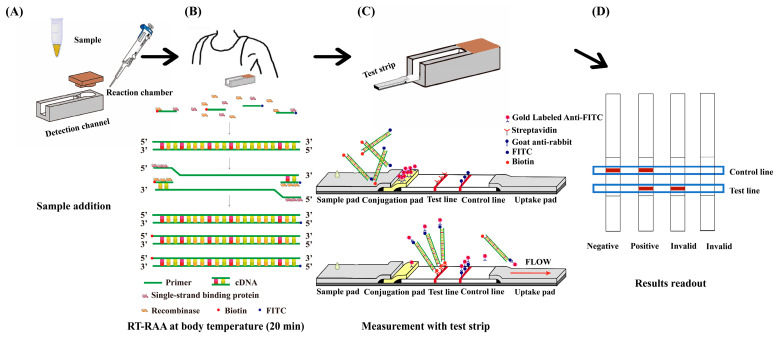 Figure 1
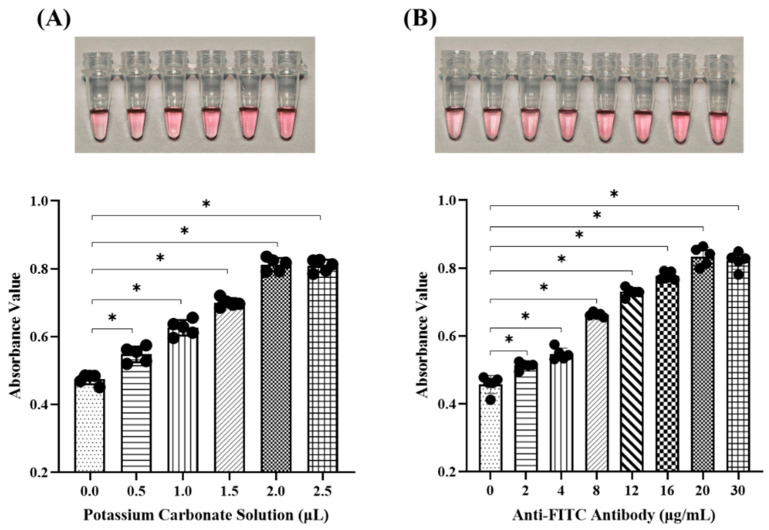 Figure 2
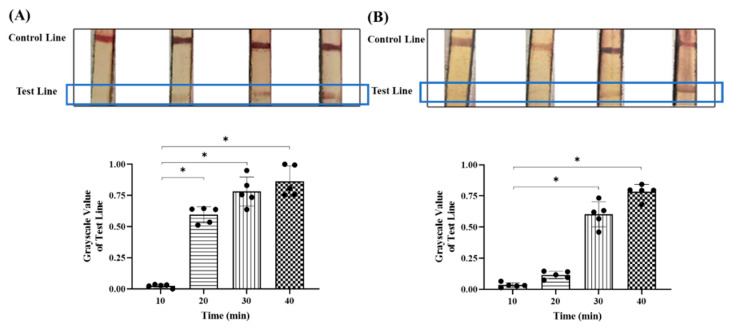 Figure 3
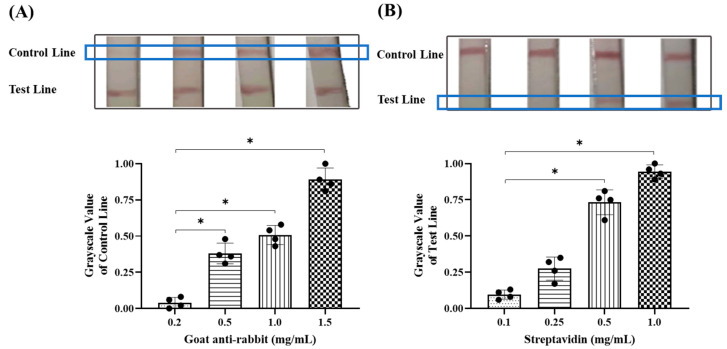 Figure 4
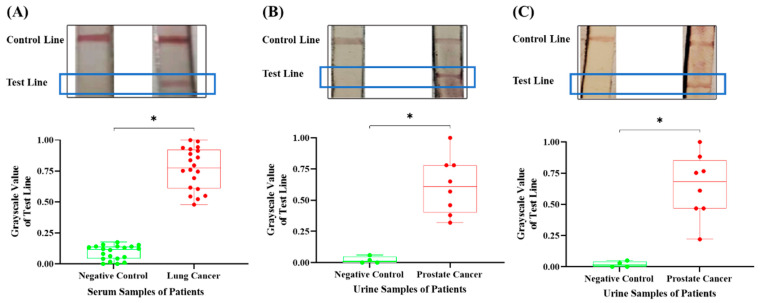 Figure 5
Peer Reviews
No public reviews on file for this paper yet. If you reviewed it on a platform where reviews are public (OpenReview, ICLR, NeurIPS, ICML), you can paste yours below so the community can read it here.
Videos
No videos yet. Explain this paper in a talk, walkthrough, or lecture? Add one.
Taxonomy
TopicsAdvanced biosensing and bioanalysis techniques · Biosensors and Analytical Detection · Molecular Biology Techniques and Applications