The Beneficial Effects of Alpha-Blockers, Antimuscarinics, Beta 3-Agonist, and PDE5-Inhibitors for Ureteral Stent-Related Discomfort: A Systematic Review and Meta-Analysis from KSER Update Series
Young Joon Moon, Doo Yong Chung, Do Kyung Kim, Hae Do Jung, Seung Hyun Jeon, Seok Ho Kang, Sunghyun Paick, Joo Yong Lee

TL;DR
This study compares medications for reducing discomfort from ureteral stents, finding that solifenacin is most effective.
Contribution
A network meta-analysis comparing multiple drug classes for ureteral stent discomfort, identifying solifenacin as the most effective.
Findings
Solifenacin showed the highest P-score and was ranked first in reducing urinary symptom scores.
Tamsulosin and alfuzosin were also effective compared to placebo but less than solifenacin.
Mirabegron, tadalafil, and silodosin did not show significant improvement over placebo.
Abstract
Background and Objectives: Ureteral stents are widely used in the field of urology but can cause varying degrees of side effects. This study utilized a network meta-analysis to evaluate stent-related discomfort (SRD) in patients with alpha-blockers (alfuzosin, tamsulosin, and silodosin), antimuscarinics (solifenacin), beta 3-agonists (mirabegron), and phosphodiesterase 5-inhibitors (tadalafil) versus a placebo. Materials and Methods: Relevant randomized controlled trials (RCTs) from 2006 to 2021 were identified from electronic databases, including PubMed, EMBASE, and the Cochrane Library. The following identifiers were included to assess the urinary symptom score (USS): participants (patients with ureteral stents), interventions (patients who took medication for stent discomfort), and outcomes (comparisons of the Ureteric Stent Symptoms Questionnaire (USSQ)). We also executed an…
Genes, proteins, chemicals, diseases, species, mutations and cell lines named across the full text — each resolved to its canonical identifier and authoritative record.
Click any figure to enlarge with its caption.
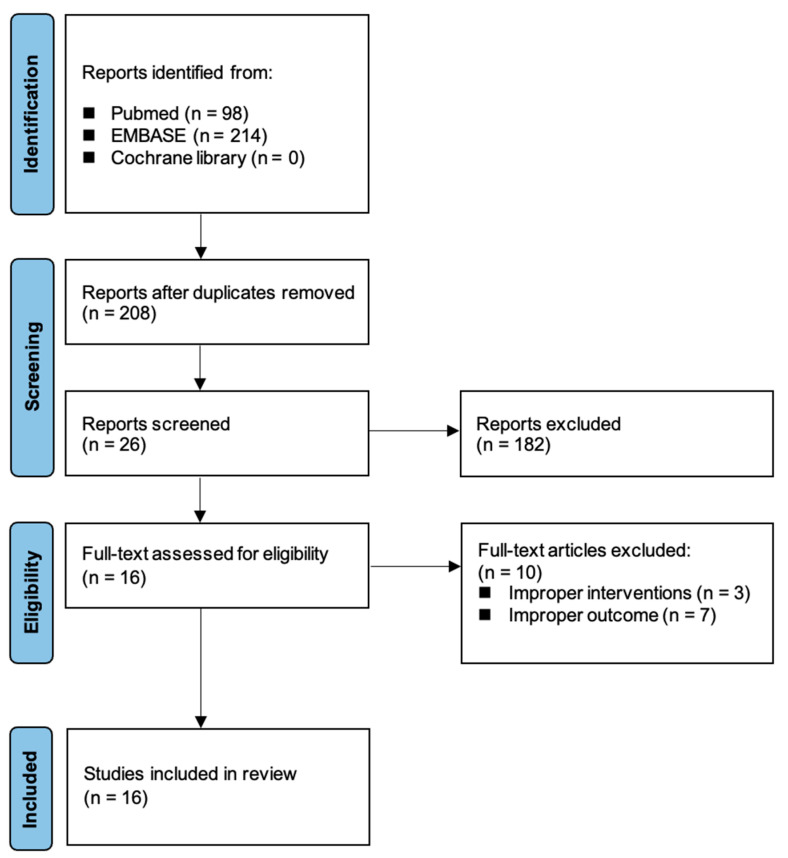 Figure 1
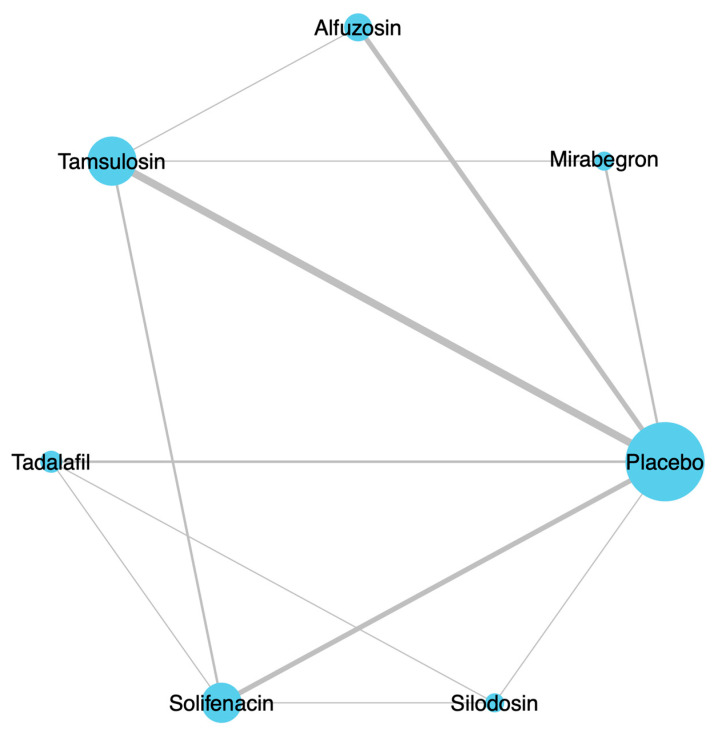 Figure 2
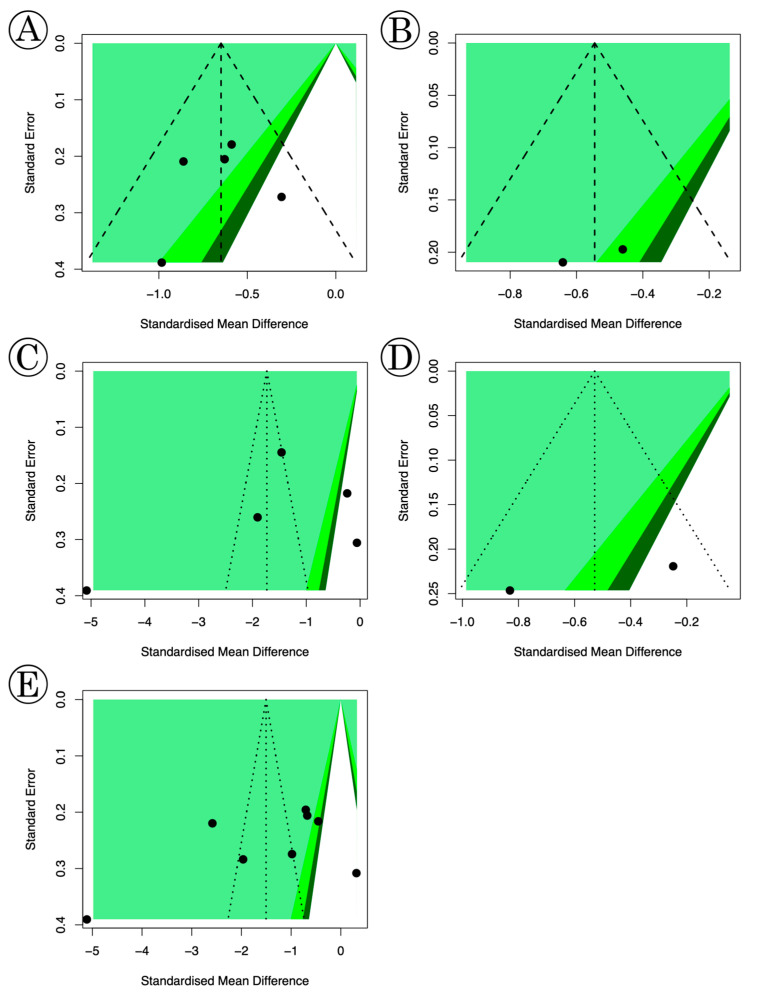 Figure 3
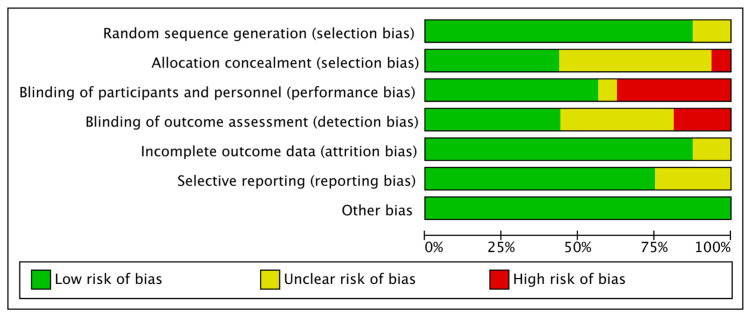 Figure 4
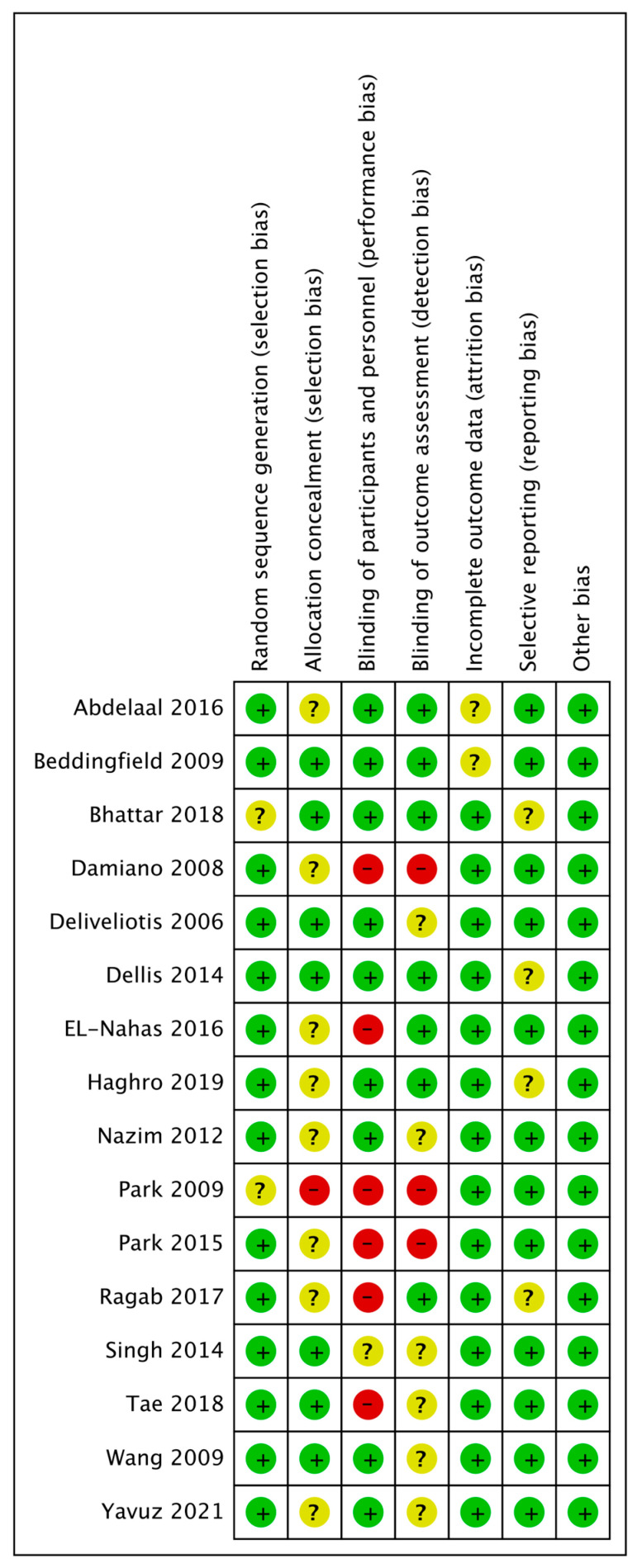 Figure 5
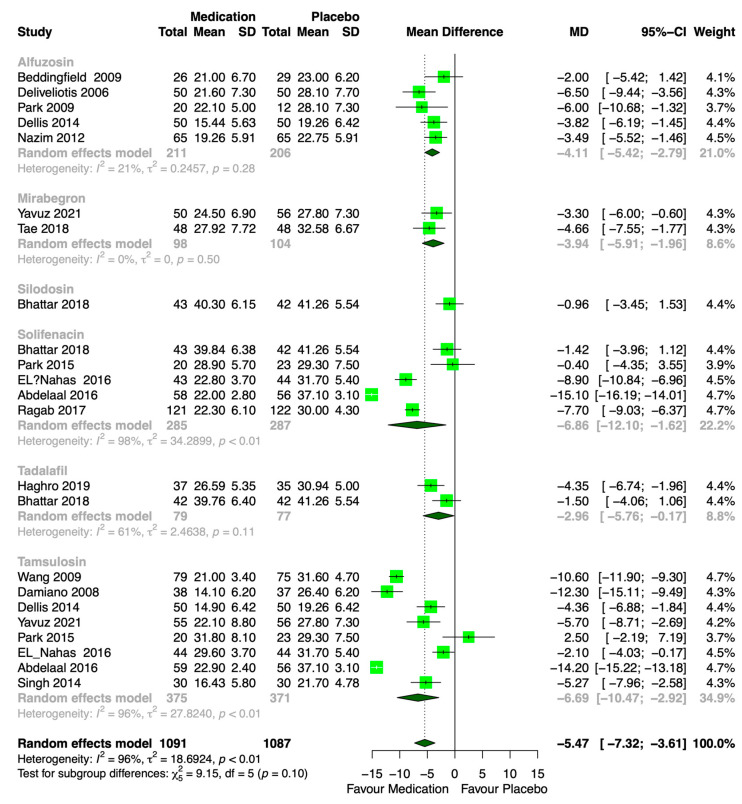 Figure 6
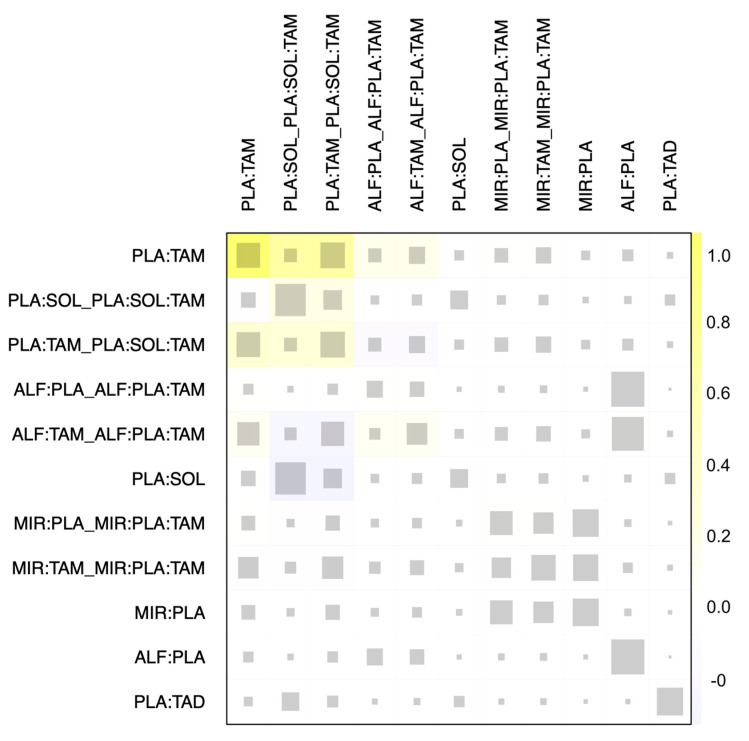 Figure 7
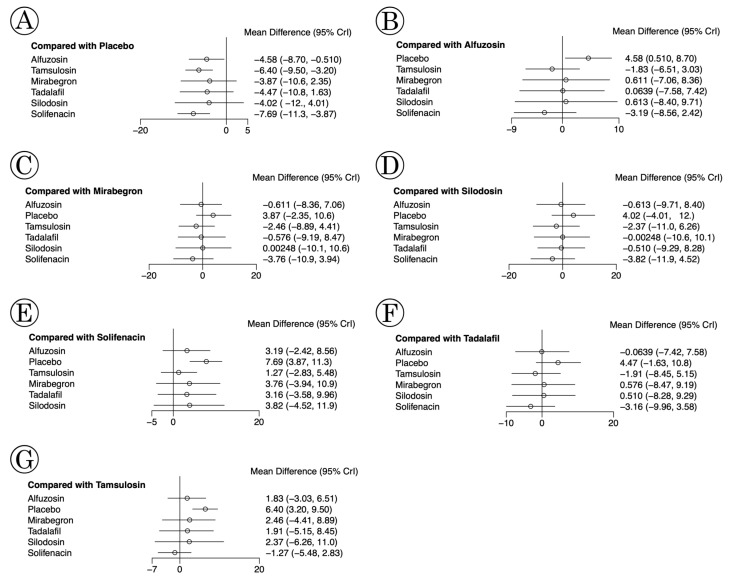 Figure 8
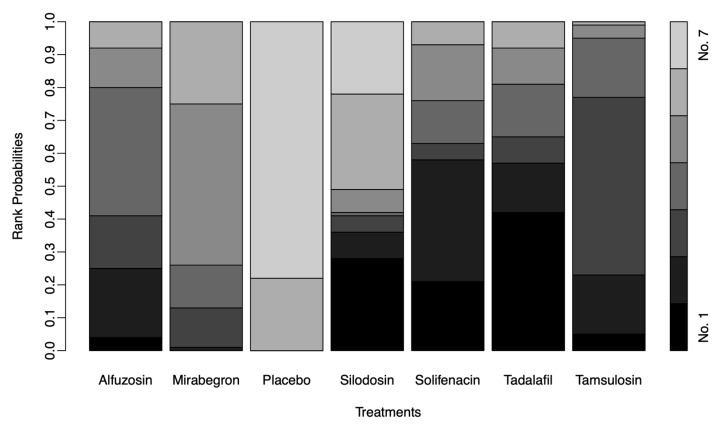 Figure 9
Peer Reviews
No public reviews on file for this paper yet. If you reviewed it on a platform where reviews are public (OpenReview, ICLR, NeurIPS, ICML), you can paste yours below so the community can read it here.
Videos
No videos yet. Explain this paper in a talk, walkthrough, or lecture? Add one.
Taxonomy
TopicsKidney Stones and Urolithiasis Treatments · Ureteral procedures and complications · Pediatric Urology and Nephrology Studies