Research on Forced Vibration Model of End Effector Under Low-Frequency Excitation and Vibration-Suppression Technology
Changqi Li, Henan Song, Ruirui Li, Jianwei Wu, Xiaobiao Shan, Jiubin Tan

TL;DR
This paper studies how to improve the accuracy of robot end effectors by modeling their vibrations and developing a method to suppress them.
Contribution
A new multi-stepwise beam model and a direct inverse controller for vibration suppression in end effectors are proposed.
Findings
The multi-stepwise beam model accurately captures the vibration characteristics of the end effector.
The direct inverse controller achieves a 50% amplitude suppression rate in experiments.
Numerical solutions reveal precise relationships between beam response and excitation.
Abstract
The positioning accuracy of the end effector is the core index that affects the robot’s performance. However, to achieve lightweight and functional requirements, the construction of end effectors is becoming more complex. Lightweight design through slotting is becoming more common. This leads to the fact that the traditional mathematical model cannot accurately characterize the vibration of the end effector. This study proposed the multi-stepwise beam model. It employed the separation of variables and element transmitting method to obtain the mathematical model of the modal shape functions and the natural frequencies. Meanwhile, the vibration response of the end effector under fixed-end excitation was analyzed, and the conclusions were made through experimental research. The direct inverse controller was presented to achieve vibration suppression. The experimental results indicate that…
Genes, proteins, chemicals, diseases, species, mutations and cell lines named across the full text — each resolved to its canonical identifier and authoritative record.
Click any figure to enlarge with its caption.
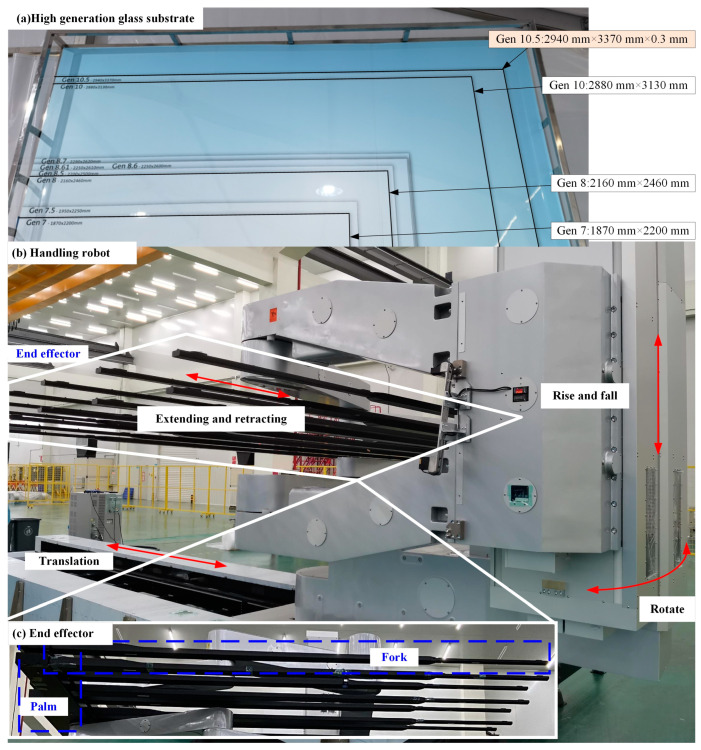 Figure 1
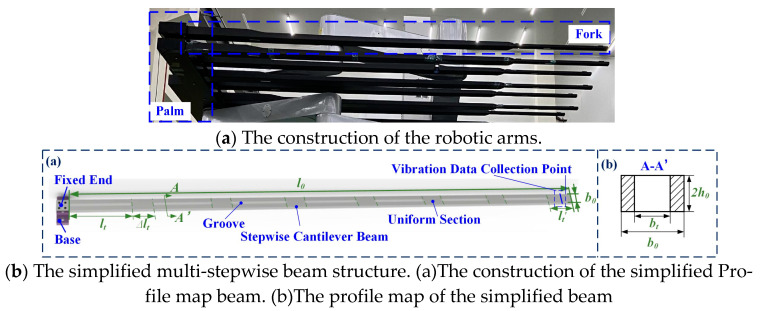 Figure 2
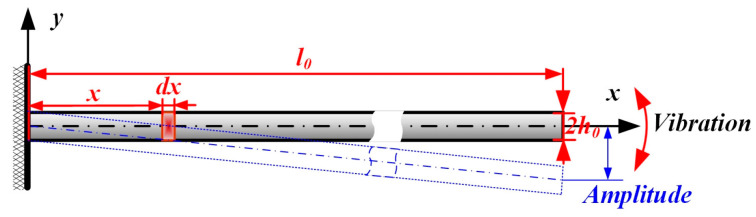 Figure 3
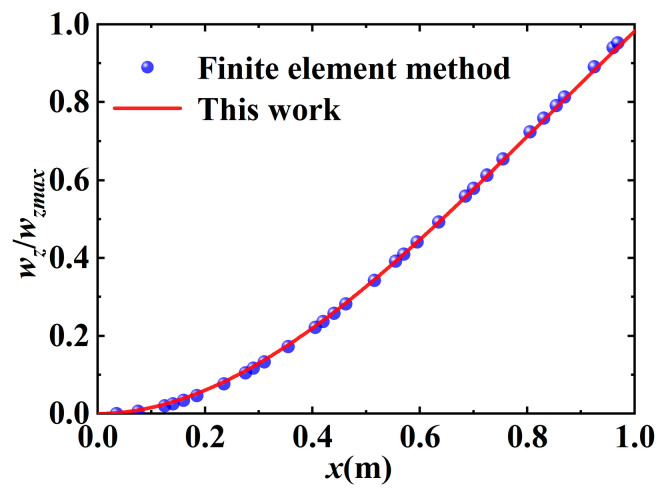 Figure 4
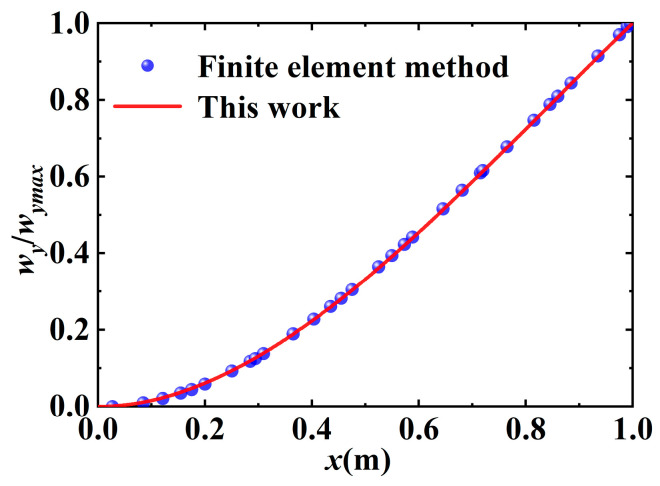 Figure 5
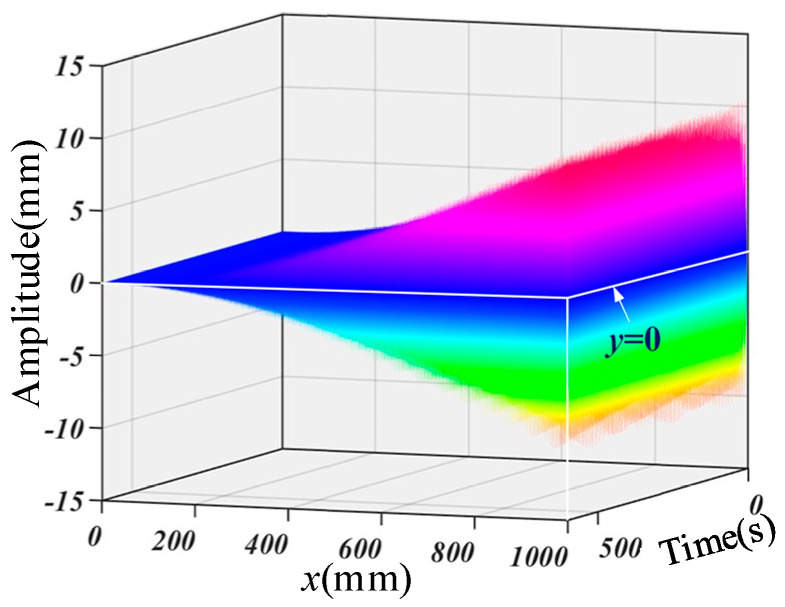 Figure 6
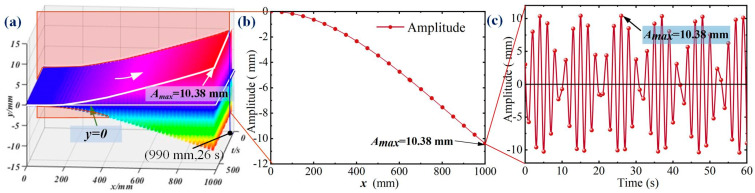 Figure 7
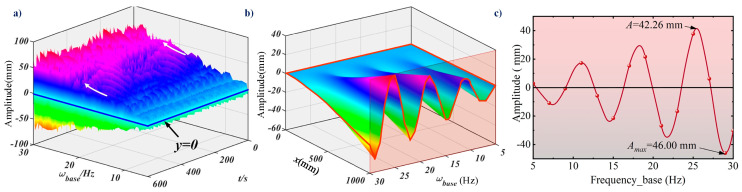 Figure 8
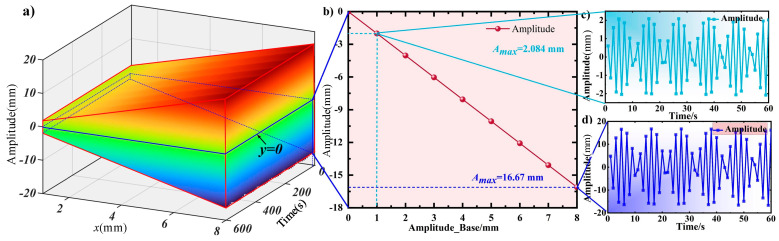 Figure 9
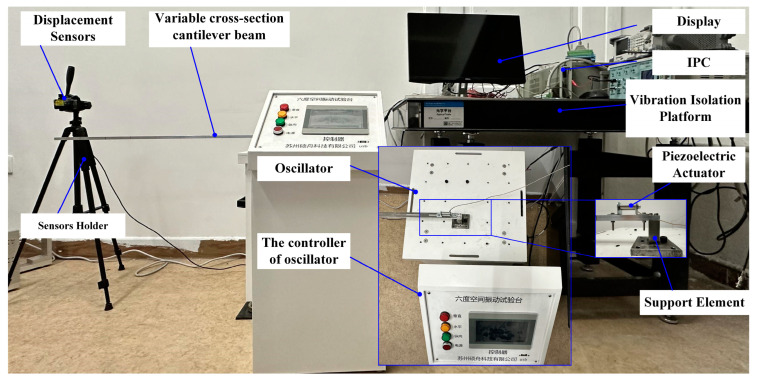 Figure 10
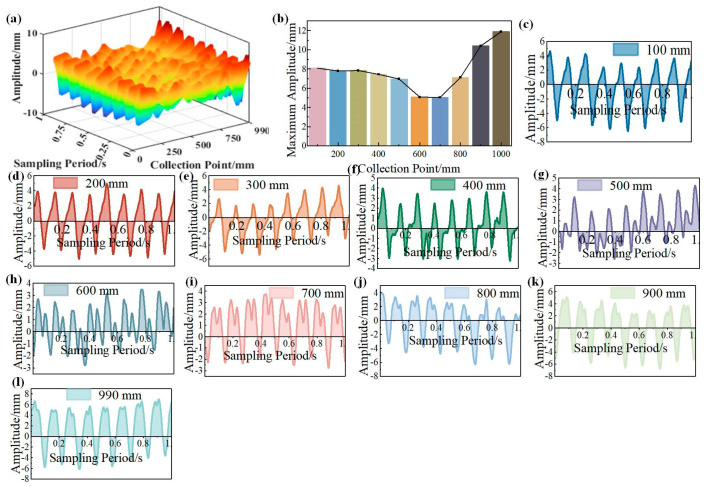 Figure 11
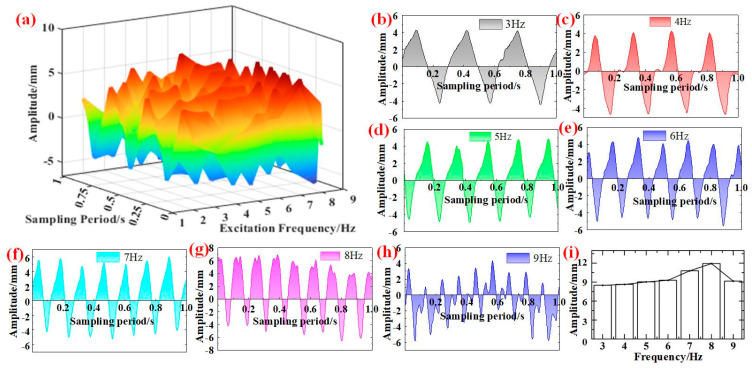 Figure 12
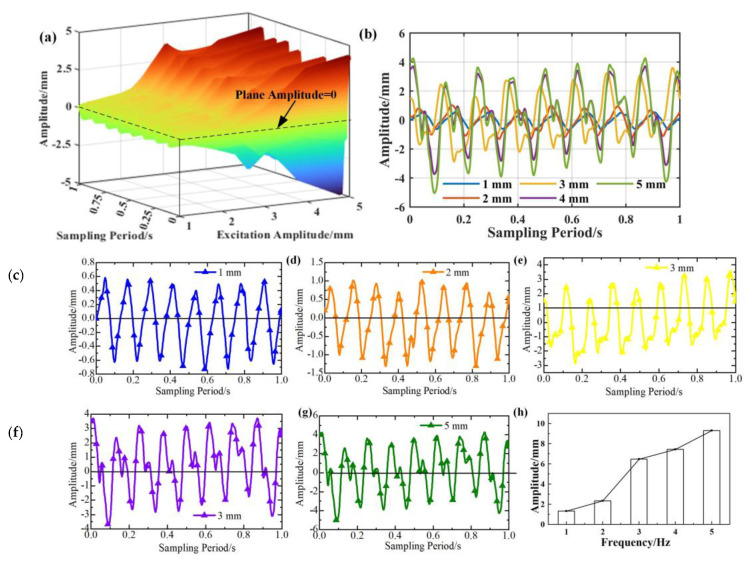 Figure 13
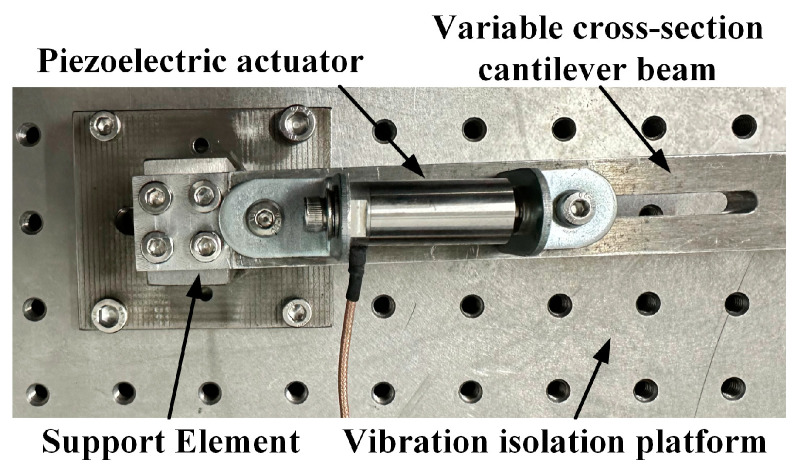 Figure 14
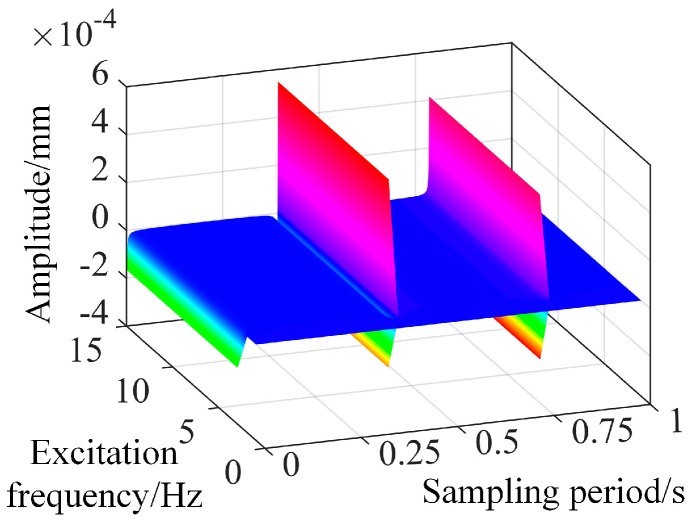 Figure 15
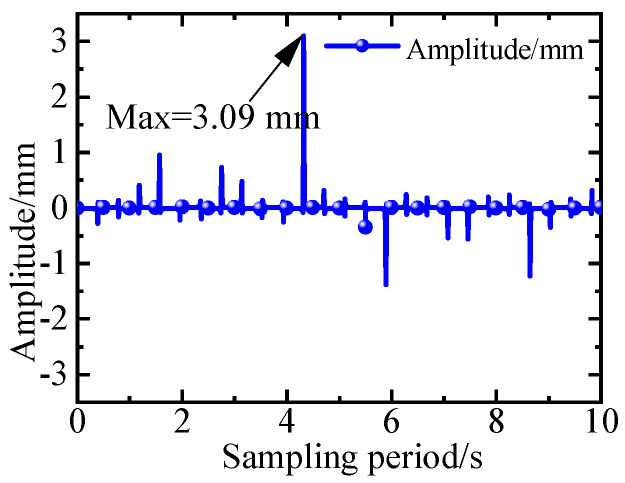 Figure 16
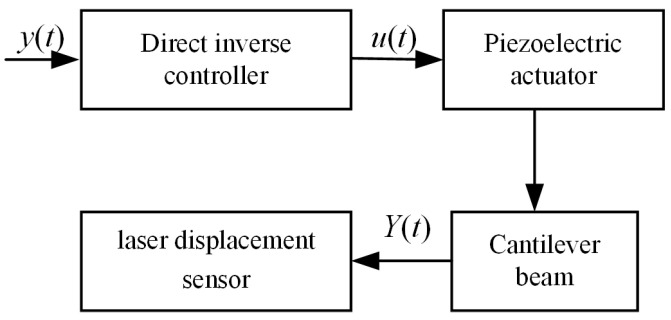 Figure 17
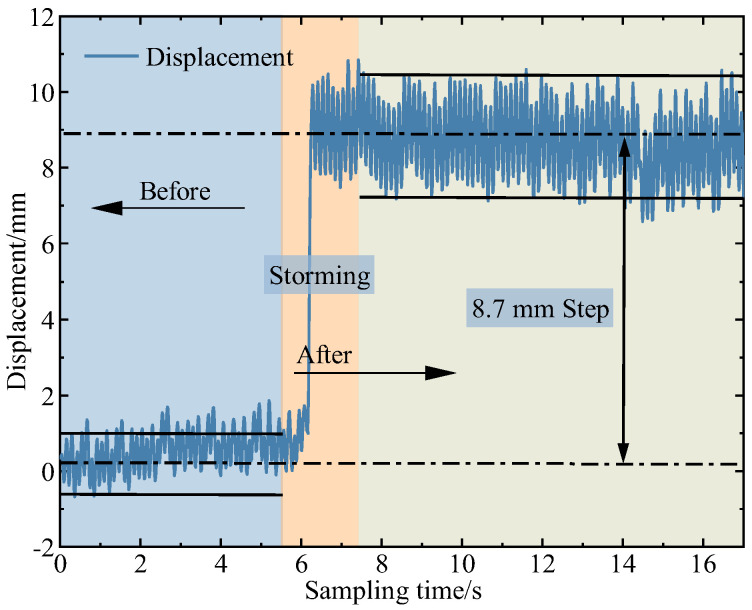 Figure 18
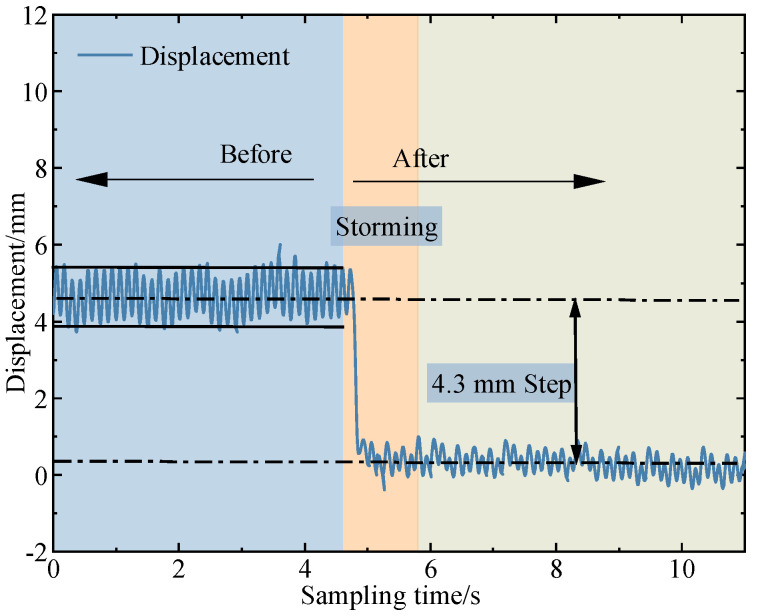 Figure 19
Peer Reviews
No public reviews on file for this paper yet. If you reviewed it on a platform where reviews are public (OpenReview, ICLR, NeurIPS, ICML), you can paste yours below so the community can read it here.
Videos
No videos yet. Explain this paper in a talk, walkthrough, or lecture? Add one.
Taxonomy
TopicsVibration and Dynamic Analysis · Magnetic Bearings and Levitation Dynamics · Structural Health Monitoring Techniques