Combined Analysis of Transcriptomes and Metabolomes Reveals Key Genes and Substances That Affect the Formation of a Multi-Species Biofilm by Nine Gut Bacteria
Ting Zhang, Zhangming Pei, Hongchao Wang, Jianxin Zhao, Wei Chen, Wenwei Lu

TL;DR
This study explores how nine gut bacteria form a multi-species biofilm by analyzing gene activity and metabolites, revealing key genes and substances involved in the process.
Contribution
The study identifies specific genes and metabolites that enhance multi-species biofilm formation compared to single-species biofilms.
Findings
740 common differentially expressed genes (DEGs) regulate pathways related to bacterial motility and communication.
L-arginine, l-serine, guanosine, and hypoxanthine are key metabolites linked to biofilm formation.
Combined transcriptome and metabolome analysis reveals 26 DEGs correlated with amino acid and purine metabolism pathways.
Abstract
Biofilms are one of the ways microorganisms exist in natural environments. In recent years, research has gradually shifted its focus to exploring the complexity and interactions of multi-species biofilms. A study showed that nine gut bacteria can form a multi-species biofilm on wheat fibers (M9 biofilm). However, the previous study did not clarify the reasons why M9 exhibited a better biofilm formation ability than the mono-species biofilms. In this study, the gene expression levels and metabolic accumulation of the M9 multi-species biofilm and biofilms of each individual bacterium were analyzed using transcriptomes and metabolomes. The differentially expressed genes (DEGs) showed that there were 740 common DEGs that existed in all of the nine groups, and they could regulate five pathways related to bacterial motility, cellular communication, and signal transduction. The metabolome…
Genes, proteins, chemicals, diseases, species, mutations and cell lines named across the full text — each resolved to its canonical identifier and authoritative record.
Click any figure to enlarge with its caption.
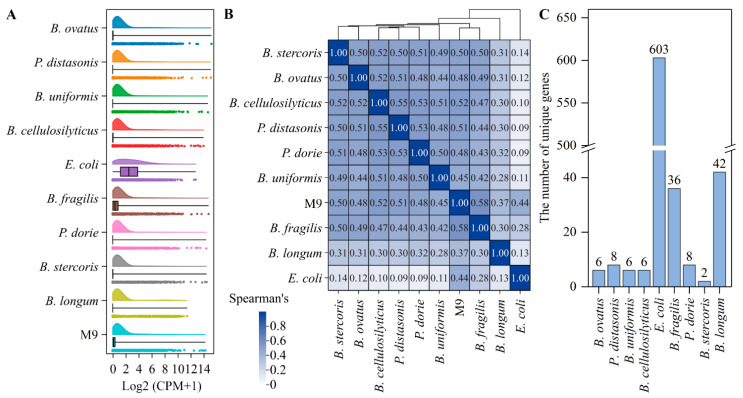 Figure 1
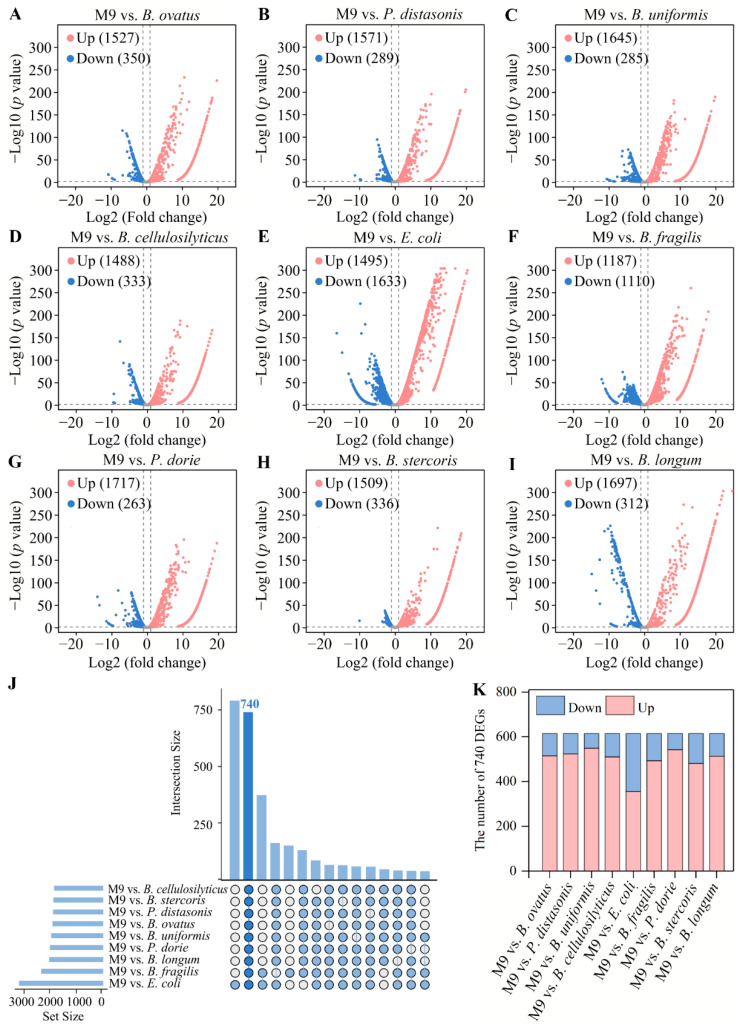 Figure 2
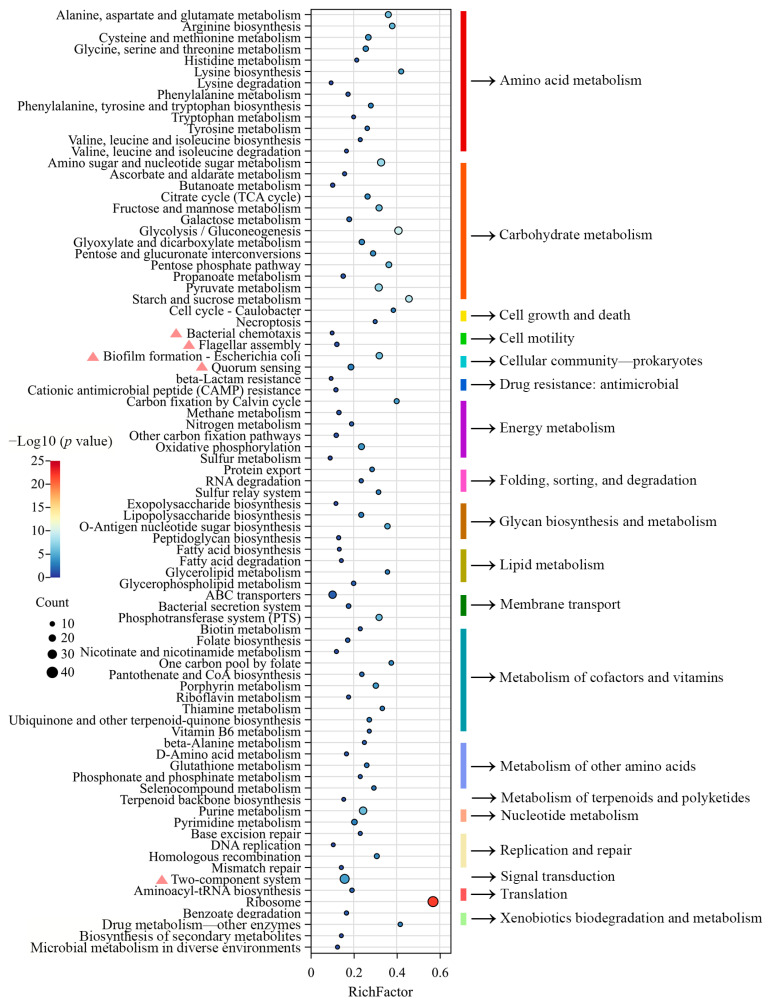 Figure 3
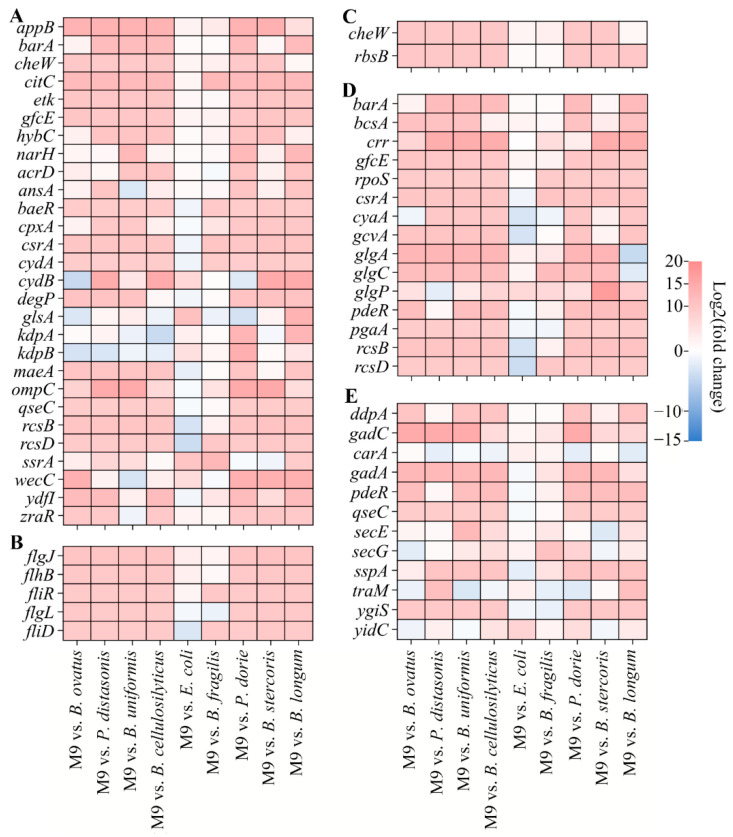 Figure 4
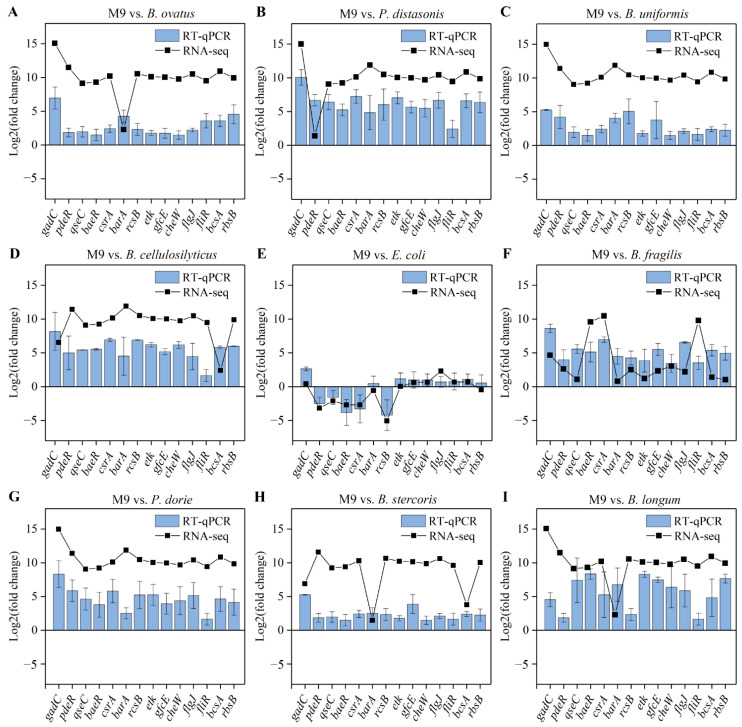 Figure 5
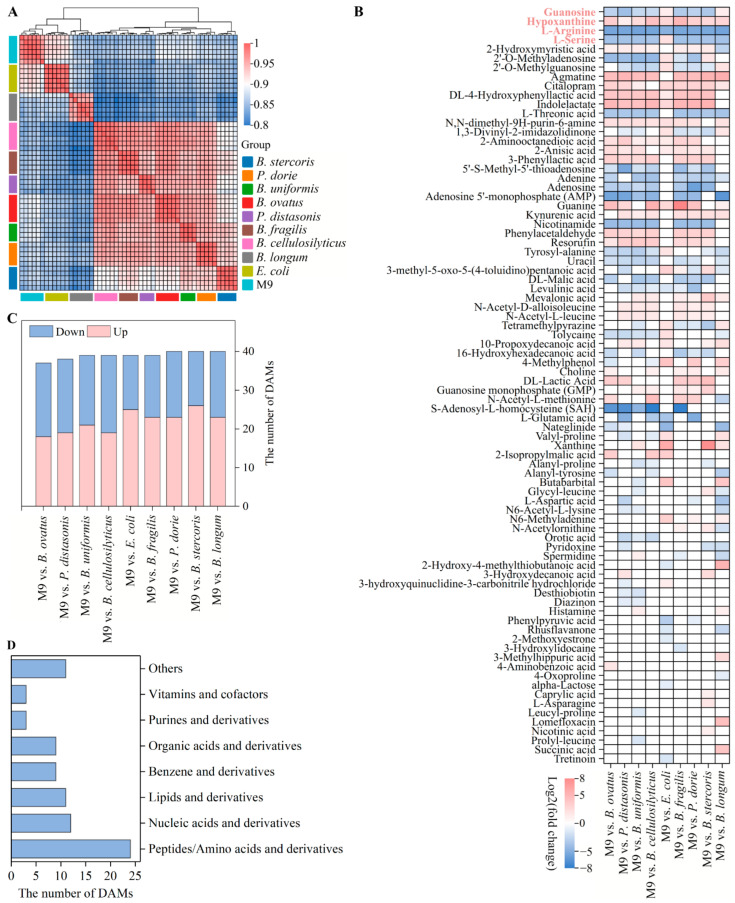 Figure 6
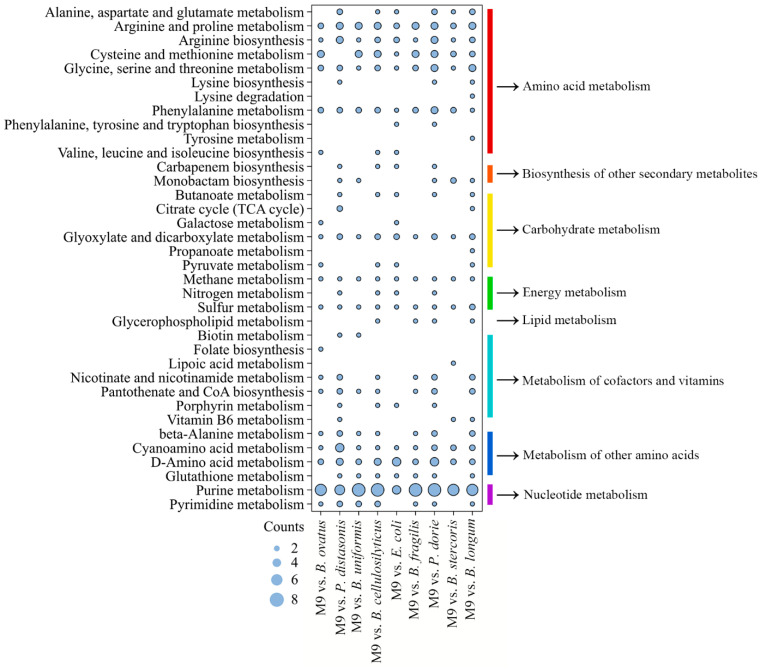 Figure 7
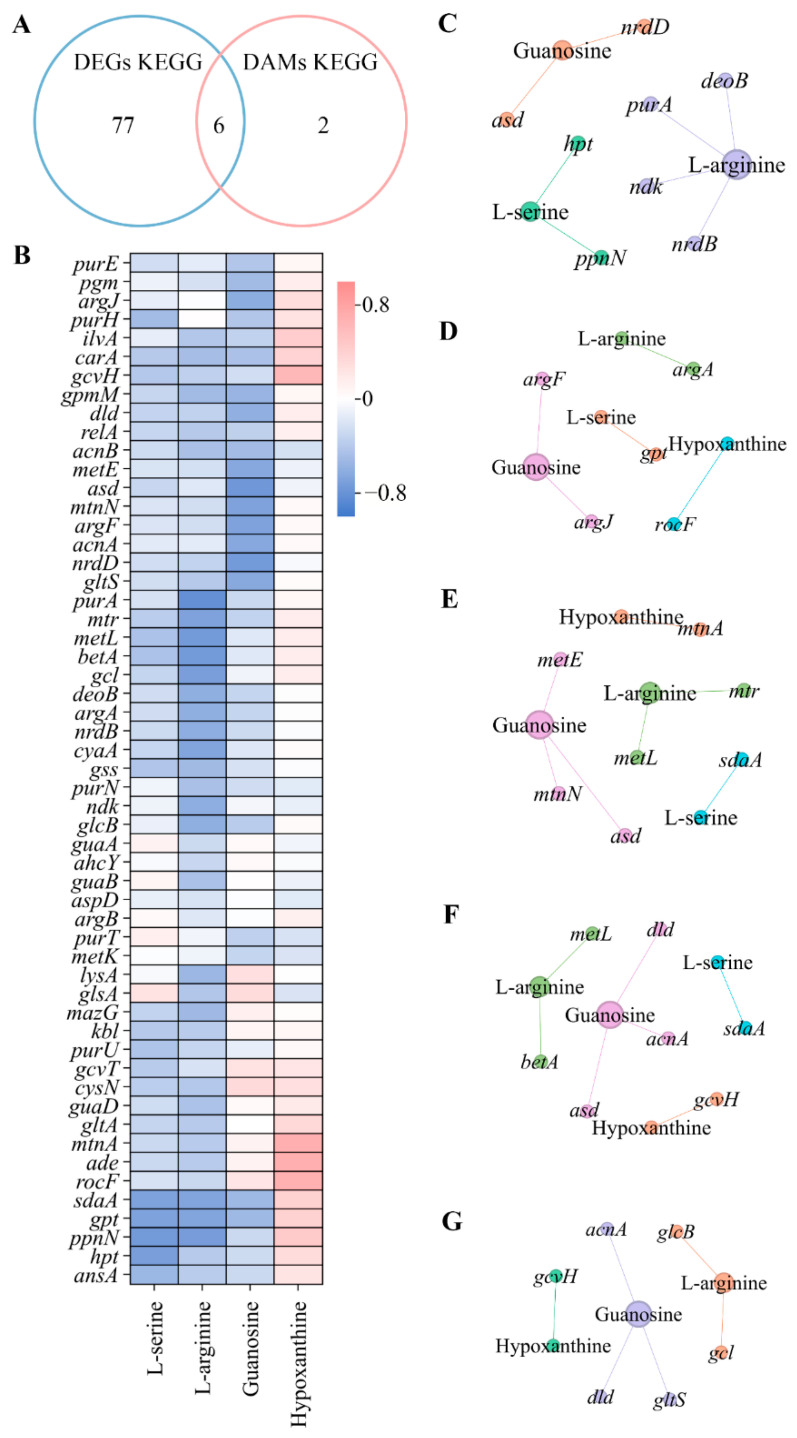 Figure 8
Peer Reviews
No public reviews on file for this paper yet. If you reviewed it on a platform where reviews are public (OpenReview, ICLR, NeurIPS, ICML), you can paste yours below so the community can read it here.
Videos
No videos yet. Explain this paper in a talk, walkthrough, or lecture? Add one.
Taxonomy
TopicsBacterial biofilms and quorum sensing · Antimicrobial Peptides and Activities · Oral microbiology and periodontitis research