Engineering Inorganic Pyrophosphate Metabolism as a Strategy to Generate a Fluoride-Resistant Saccharomyces cerevisiae Strain
José R. Perez-Castiñeira, Francisco J. Ávila-Oliva, Aurelio Serrano

TL;DR
This paper shows how engineering pyrophosphatase metabolism in yeast can make it resistant to fluoride, a toxic anion found in the environment.
Contribution
The study introduces new genetic strategies to enhance fluoride resistance in yeast by modifying pyrophosphatase activity.
Findings
Overexpression of IPP1 or its human ortholog increases fluoride tolerance in yeast.
Substituting IPP1 with a fluoride-insensitive PPase from Streptococcus mutans also enhances resistance.
Maintaining PPase activity is crucial for yeast adaptation to high fluoride concentrations.
Abstract
Fluorine accounts for 0.3 g/kg of the Earth’s crust, being widely distributed in the environment as fluoride. The toxic effects of this anion in humans and other organisms have been known for a long time. Fluoride has been reported to alter several cellular processes although the mechanisms involved are largely unknown. Inorganic pyrophosphatases (PPases) are ubiquitous enzymes that hydrolyze inorganic pyrophosphate (PPi), a metabolite generated from ATP. In Saccharomyces cerevisiae, the enzyme responsible for PPi hydrolysis in the cytosol (IPP1) is strongly inhibited by fluoride in vitro. The essentiality of IPP1 for growth has been previously demonstrated using YPC3, a yeast mutant with conditional expression of the corresponding gene. Here, YPC3 was used to generate cells that tolerate high concentrations of fluoride by (a) the overexpression of IPP1 or its human ortholog, or (b) the…
Genes, proteins, chemicals, diseases, species, mutations and cell lines named across the full text — each resolved to its canonical identifier and authoritative record.
Click any figure to enlarge with its caption.
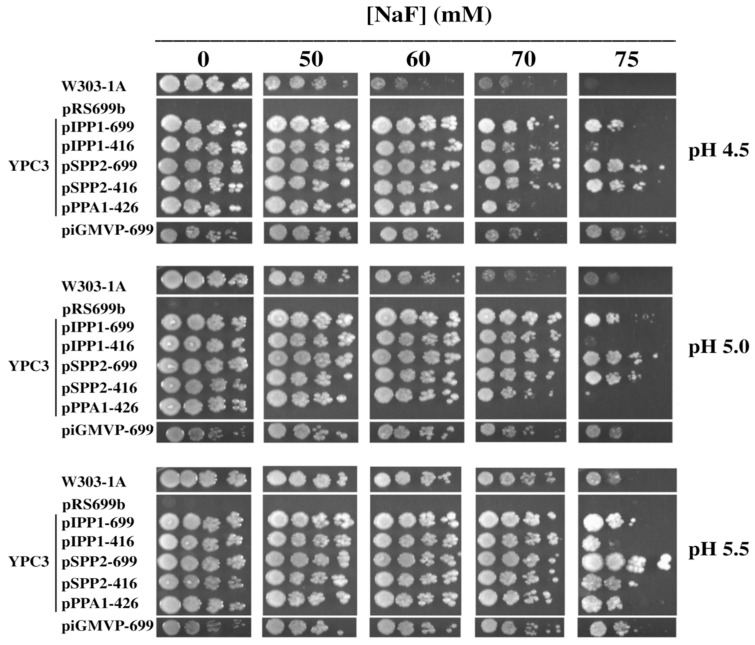 Figure 1
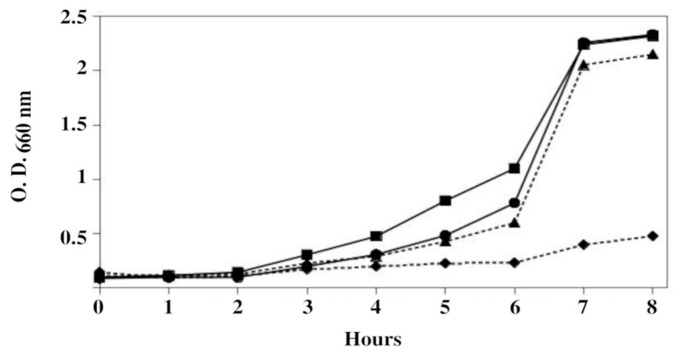 Figure 2
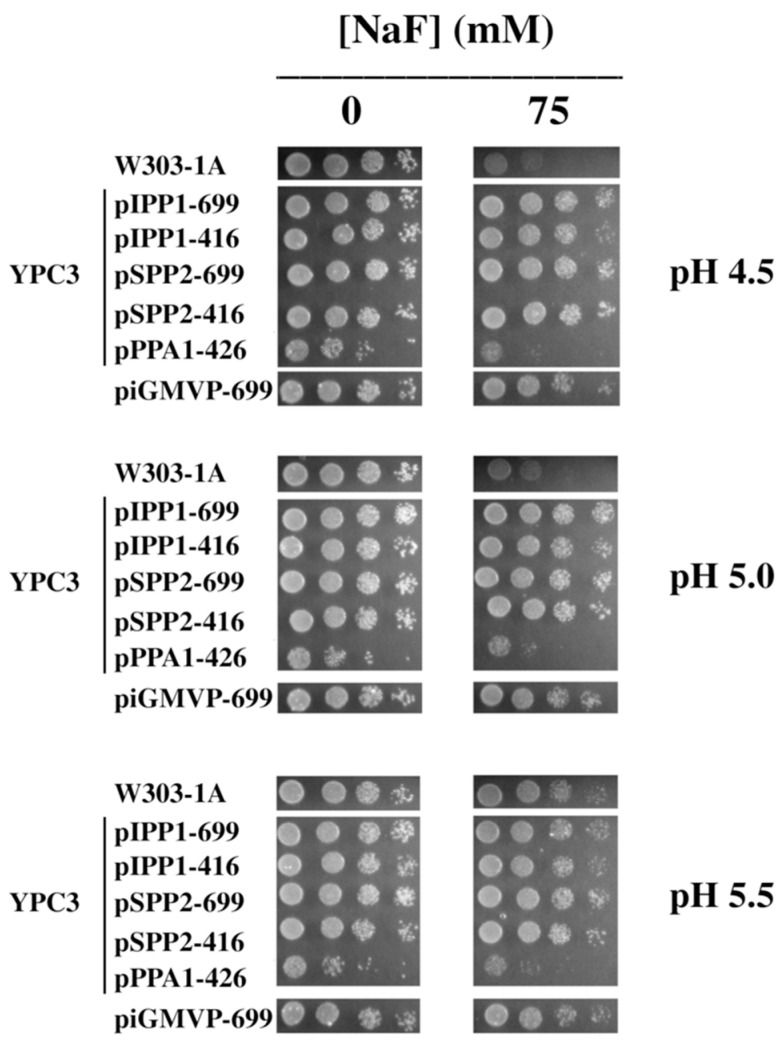 Figure 3
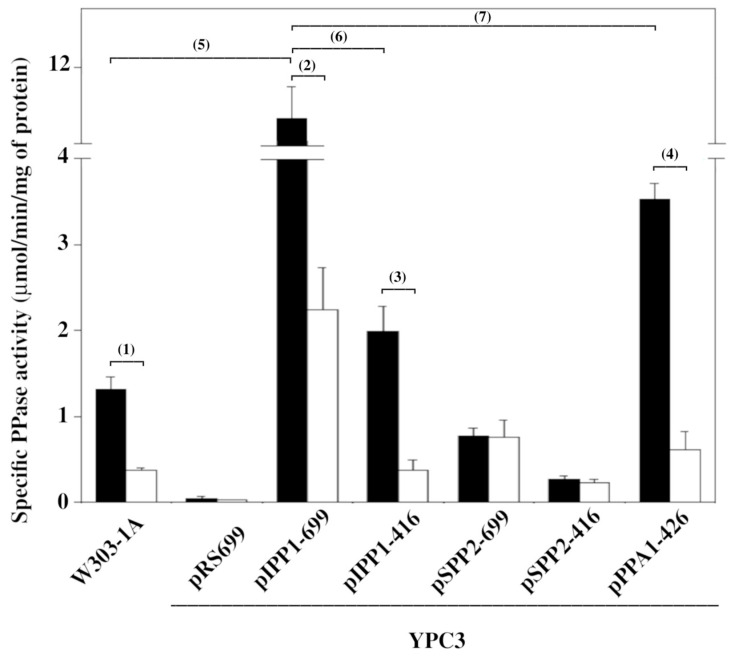 Figure 4
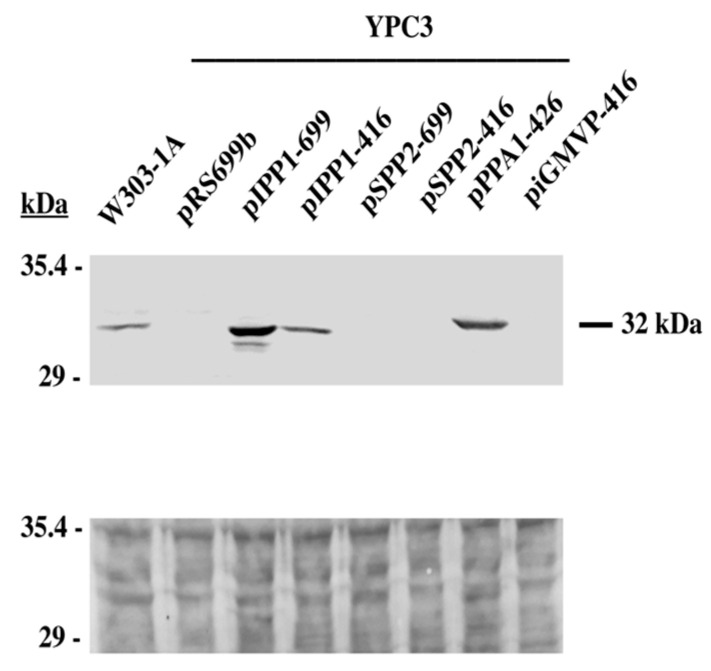 Figure 5
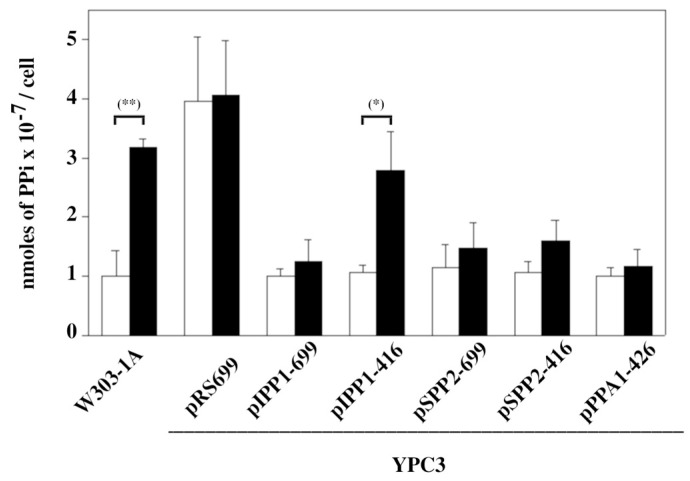 Figure 6
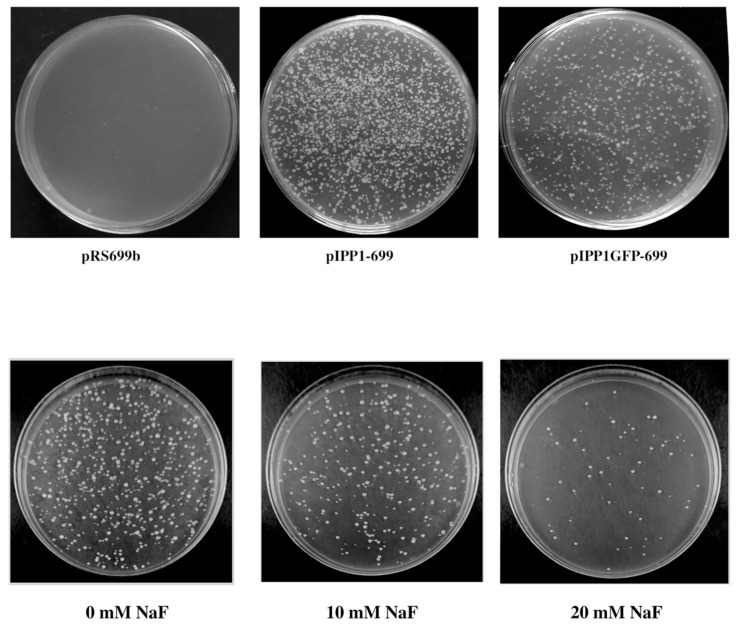 Figure 7
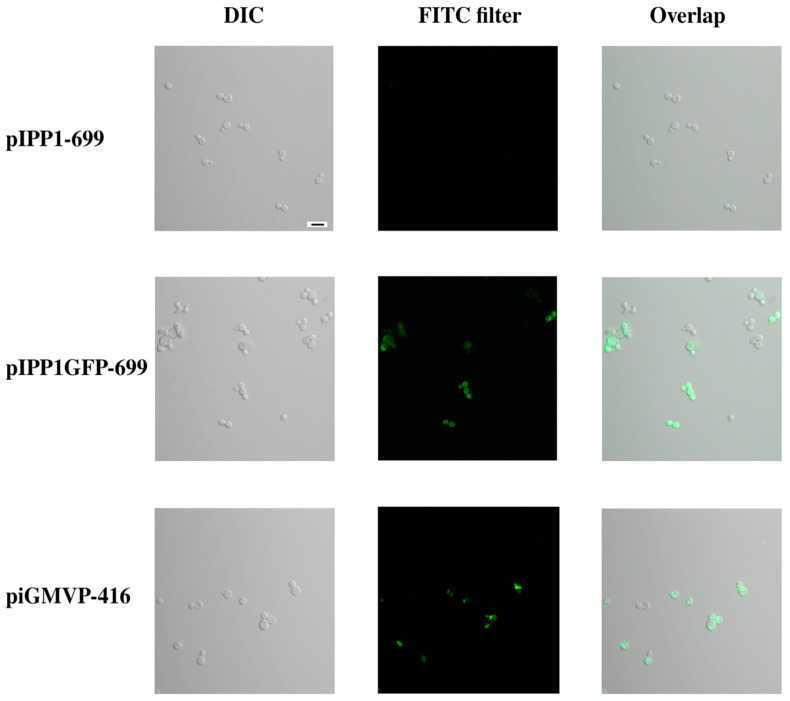 Figure 8
Peer Reviews
No public reviews on file for this paper yet. If you reviewed it on a platform where reviews are public (OpenReview, ICLR, NeurIPS, ICML), you can paste yours below so the community can read it here.
Videos
No videos yet. Explain this paper in a talk, walkthrough, or lecture? Add one.
Taxonomy
TopicsFluoride Effects and Removal · Alkaline Phosphatase Research Studies · Arsenic contamination and mitigation