An Assessment of Local Geometric Uncertainties in Polysilicon MEMS: A Genetic Algorithm and POD-Kriging Surrogate Modeling Approach
Ananya Roy, Francesco Rizzini, Gabriele Gattere, Carlo Valzasina, Aldo Ghisi, Stefano Mariani

TL;DR
This paper introduces a new method using genetic algorithms and surrogate modeling to assess geometric uncertainties in MEMS devices, revealing significant variability in over-etch measures.
Contribution
The novel approach combines genetic algorithms with POD-Kriging to estimate MEMS uncertainties using capacitance-voltage responses, offering an alternative to traditional methods.
Findings
MEMS devices on the same wafer showed different over-etch values depending on local geometry.
Over-etch mean values were +12.2% at comb fingers, +10.0% at springs, and −4.8% at stoppers.
The method enables uncertainty quantification based on capacitance-voltage responses alone.
Abstract
On the way toward MEMS miniaturization, the quantification of geometric uncertainties stands as a primary challenge. In this paper, an approach that combines genetic algorithms and proper orthogonal decomposition with kriging surrogate modeling was proposed to accurately predict over-etch measures through an on-chip test device. Despite being fabricated on a single wafer under nominally identical manufacturing conditions, MEMS can display different responses under the same actuation, due to a different characteristic geometry. It is shown that the uncertainties, given in terms of over-etch values, were not only different from die to die but also within the same die, depending on the local geometric features of the device. Therefore, the proposed method provided an alternative solution to estimate the uncertainties in MEMS devices, relying only on the capacitance–voltage response. A…
Genes, proteins, chemicals, diseases, species, mutations and cell lines named across the full text — each resolved to its canonical identifier and authoritative record.
Click any figure to enlarge with its caption.
 Figure 1
 Figure 2
 Figure 3
 Figure 4
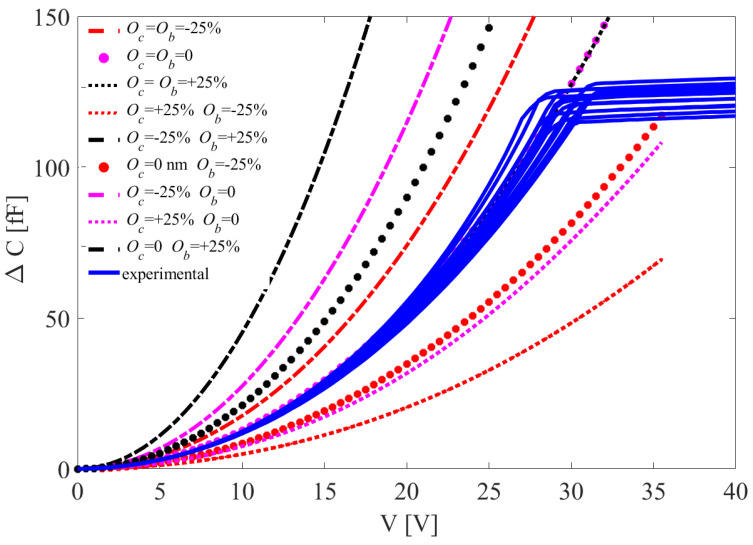 Figure 5
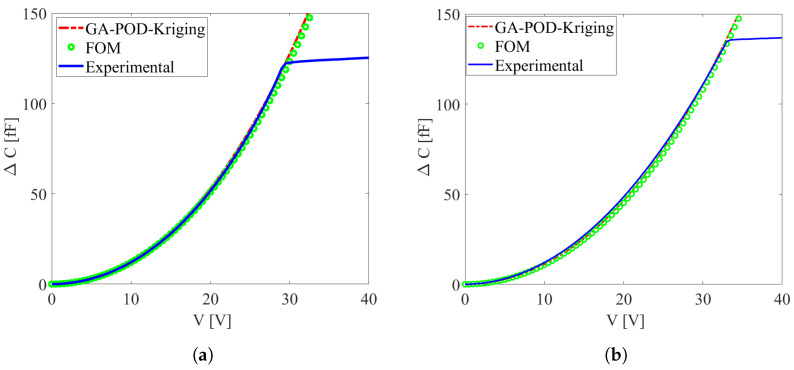 Figure 6
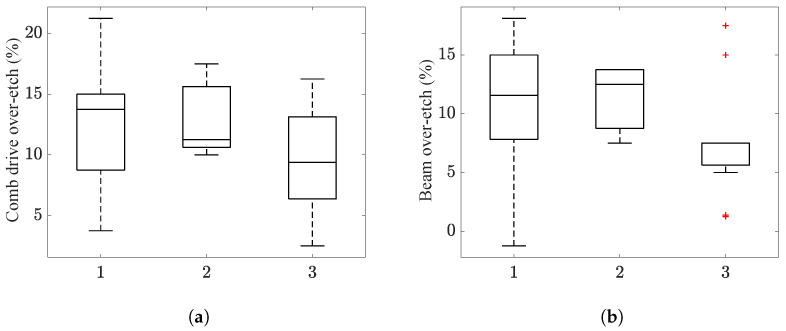 Figure 7
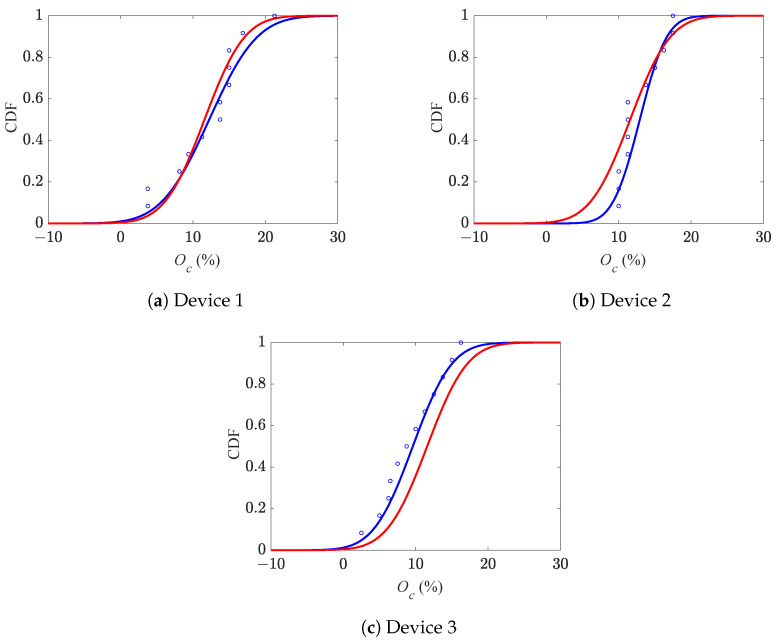 Figure 8
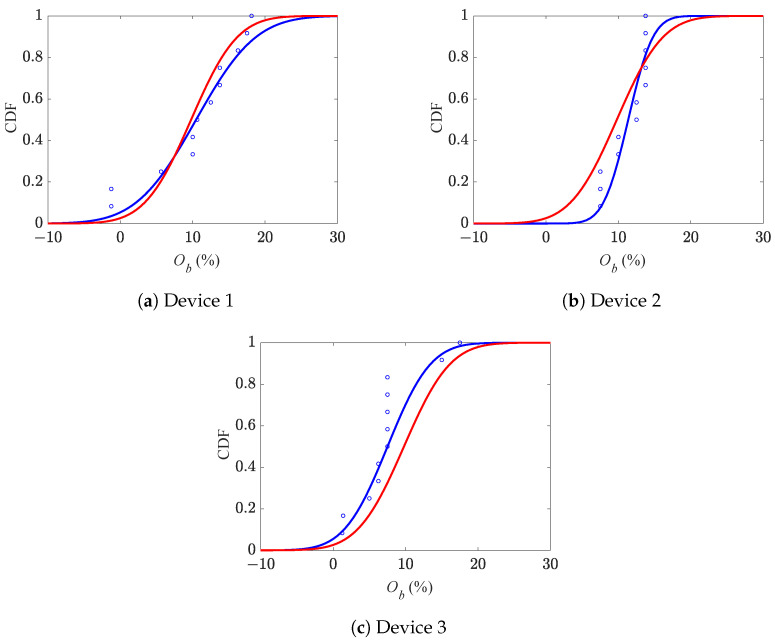 Figure 9
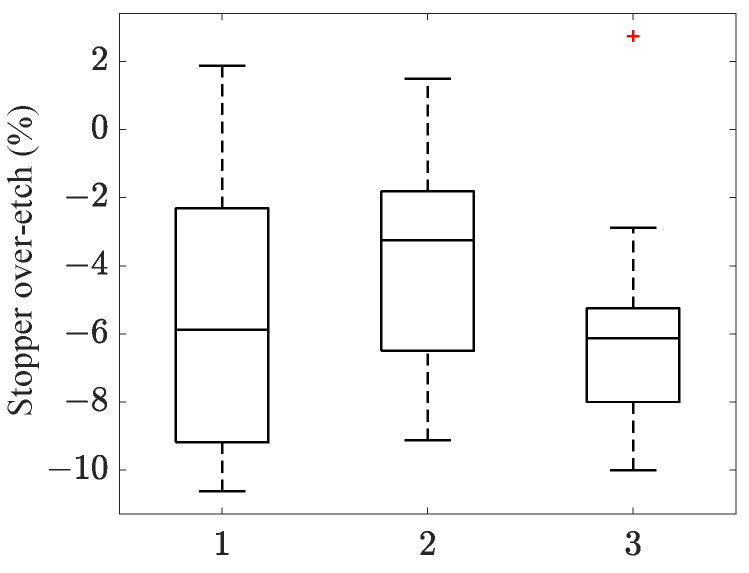 Figure 10
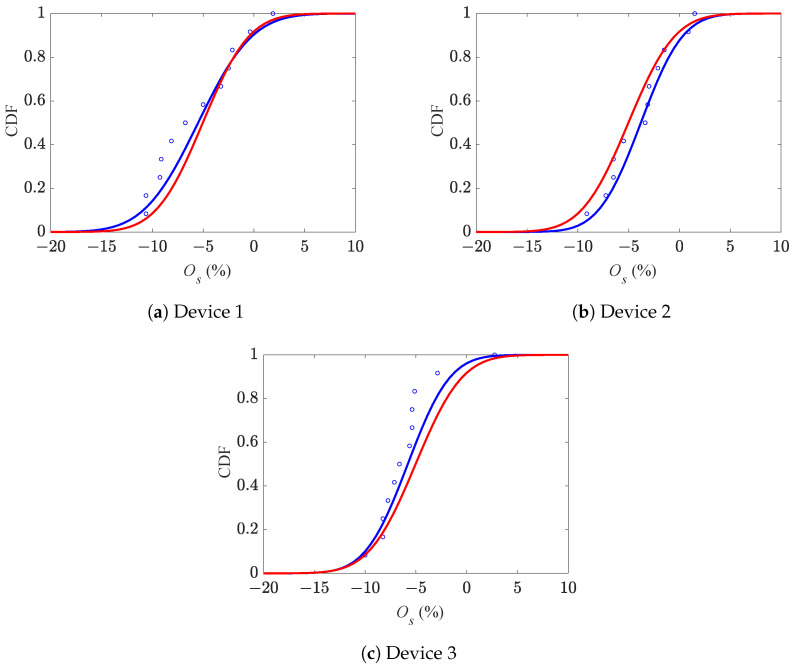 Figure 11
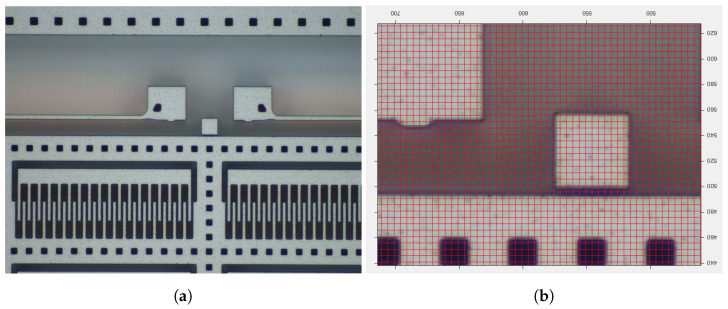 Figure 12
Peer Reviews
No public reviews on file for this paper yet. If you reviewed it on a platform where reviews are public (OpenReview, ICLR, NeurIPS, ICML), you can paste yours below so the community can read it here.
Videos
No videos yet. Explain this paper in a talk, walkthrough, or lecture? Add one.
Taxonomy
TopicsAdvanced MEMS and NEMS Technologies · Force Microscopy Techniques and Applications · Advanced Surface Polishing Techniques