Assessment of Scalable Fractionation Methodologies to Produce Concentrated Lauric Acid from Black Soldier Fly (Hermetia illucens) Larvae Fat
Luis Vázquez, Carlota Reyero, Raúl Hurtado-Ribeira, David Villanueva-Bermejo, Alejandro Belinchón, José Palomar, Tiziana Fornari, Diana Martín

TL;DR
This study explores scalable methods to concentrate lauric acid from black soldier fly larvae fat, showing promising results for producing high-value, antimicrobial-rich products.
Contribution
The paper evaluates winterization, supercritical fluid extraction, and distillation for scalable lauric acid concentration from insect fat.
Findings
Winterization with hexane achieved ~65% lauric acid concentration with ~81% recovery.
Supercritical CO2 extraction produced ~80% lauric acid ethyl ester with ~85% recovery.
Multistage distillation simulations showed 80% recovery with 96.7-97.4% purity but required high vacuum.
Abstract
The interest in insects as the food of the future is growing due to their sustainability and nutritional value. In particular, the fat content of Hermetia illucens larvae stands out for its high lauric acid content, a compound with antimicrobial properties and multifunctional activity. This study explored various fractionation methodologies to concentrate lauric acid and maximize its potential. The versatility and sustainable origin of the resulting products make them highly promising resources. In the present study, different methodologies with potential scalability and environmental friendliness, such as winterization, supercritical fluid extraction, and multistage distillation, were evaluated for lauric acid concentration. In all cases, to facilitate fractionation, the transformation of triacylglycerols into free fatty acids or fatty acid ethyl esters was required as a previous…
Genes, proteins, chemicals, diseases, species, mutations and cell lines named across the full text — each resolved to its canonical identifier and authoritative record.
Click any figure to enlarge with its caption.
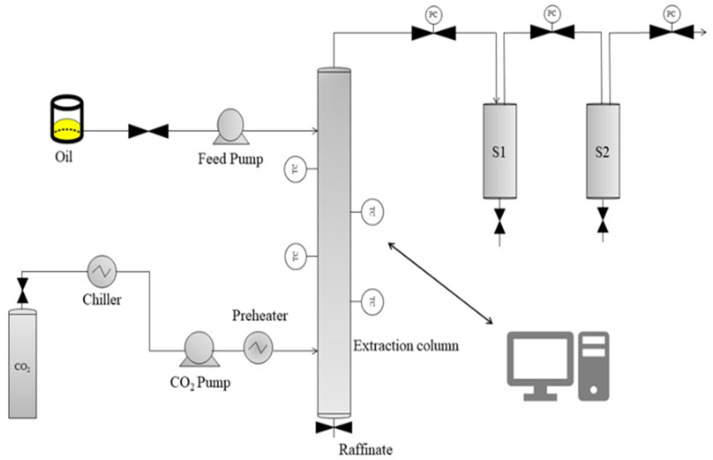 Figure 1
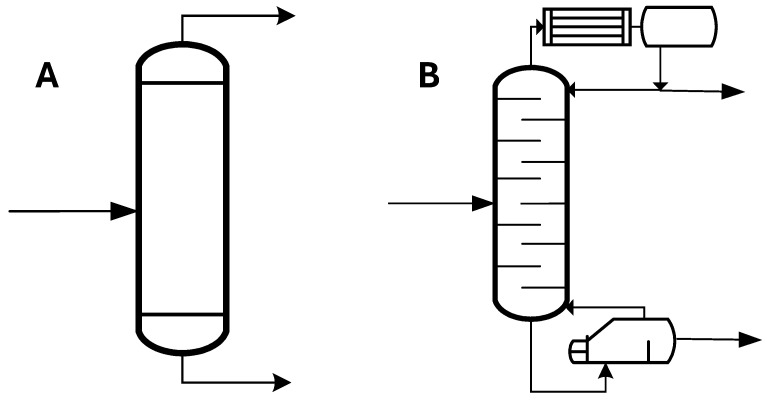 Figure 2
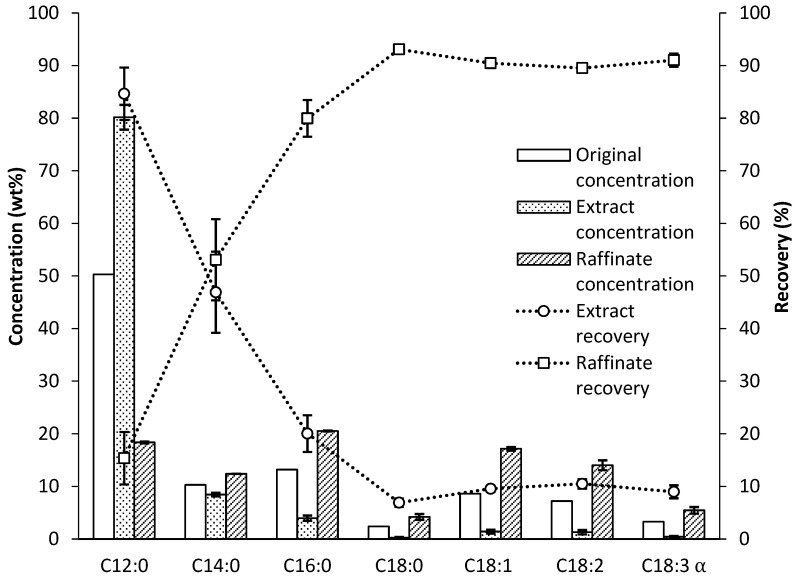 Figure 3
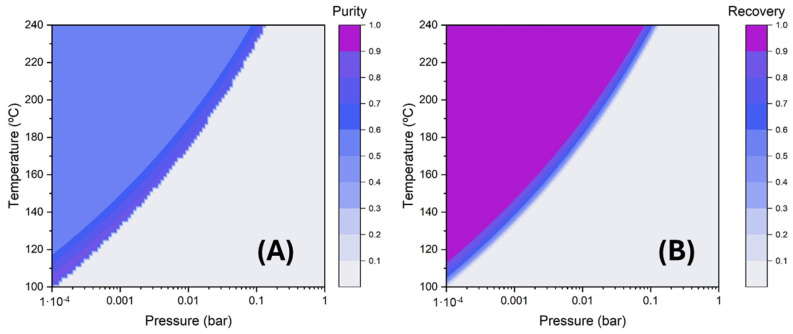 Figure 4
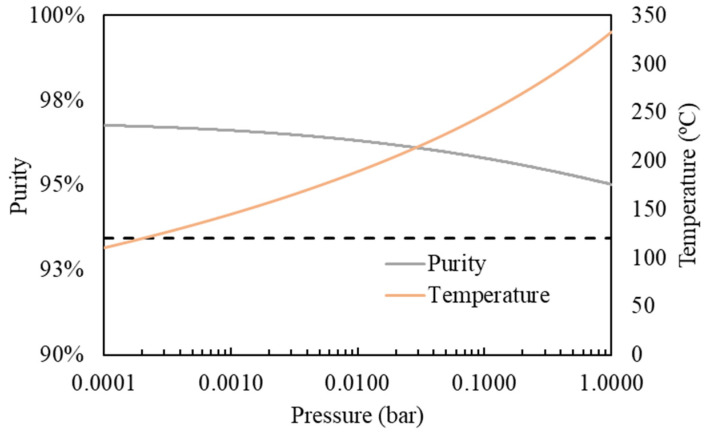 Figure 5
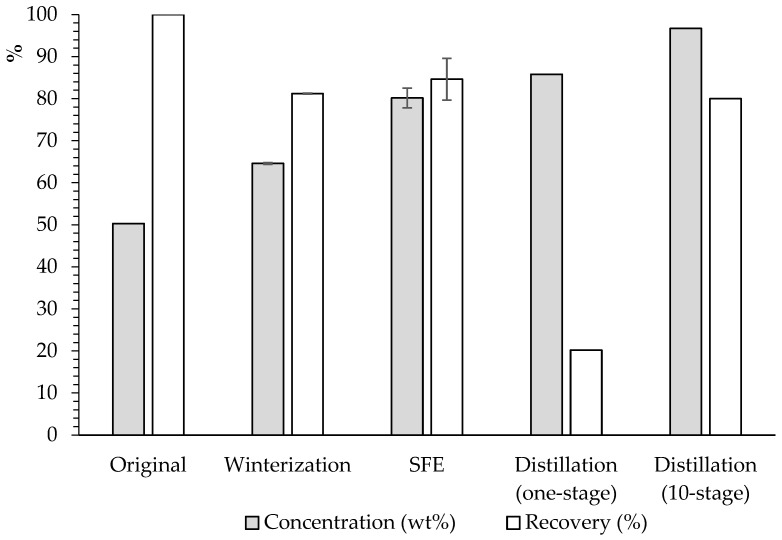 Figure 6
Peer Reviews
No public reviews on file for this paper yet. If you reviewed it on a platform where reviews are public (OpenReview, ICLR, NeurIPS, ICML), you can paste yours below so the community can read it here.
Videos
No videos yet. Explain this paper in a talk, walkthrough, or lecture? Add one.
Taxonomy
TopicsInsect Utilization and Effects · Chemistry and Chemical Engineering · Bee Products Chemical Analysis