Multiomic Analysis Provided Insights into the Responses of Carbon Sources by Wood-Rotting Fungi Daldinia carpinicola
Peng Yang, Xingchi Ma, Yu Zhang, Yanan Sun, Hao Yu, Jiandong Han, Meng Ma, Luzhang Wan, Fansheng Cheng

TL;DR
This study explores how the wood-rotting fungus Daldinia carpinicola uses different carbon sources, revealing insights into its genome and metabolism.
Contribution
The study provides new insights into the genomic and metabolic responses of Daldinia carpinicola to different carbon sources.
Findings
Daldinia carpinicola has a genome with strong wood degradation potential due to a high proportion of glycoside hydrolases and CAZymes.
Transcriptome and metabolomic analyses show D. carpinicola prefers sucrose over sawdust for growth, activating glycolysis and the citrate cycle.
Sawdust as a carbon source enhances amino acid biosynthesis and production of secondary metabolites in D. carpinicola.
Abstract
Daldinia carpinicola is a newly identified species of wood-rotting fungi, with substantial aspects of its biology and ecological function yet to be clarified. A Nanopore third-generation sequencer was employed for de novo genome assembly to examine the genetic characteristics. The genome consisted of 35.93 Mb in 46 contigs with a scaffold N50 of 4.384 Mb. Glycoside hydrolases and activities enzymes accounted for a large proportion of the 522 identified carbohydrate-active enzymes (CAZymes), suggesting a strong wood degradation ability. Phylogenetic and comparative analysis revealed a close evolutionary relationship between D. carpinicola and D. bambusicola. D. carpinicola and Hypoxylon fragiforme exhibited significant collinear inter-species genome alignment. Based on transcriptome and metabolomic analyses, D. carpinicola showed a greater ability to utilize sucrose over sawdust as a…
Genes, proteins, chemicals, diseases, species, mutations and cell lines named across the full text — each resolved to its canonical identifier and authoritative record.
Click any figure to enlarge with its caption.
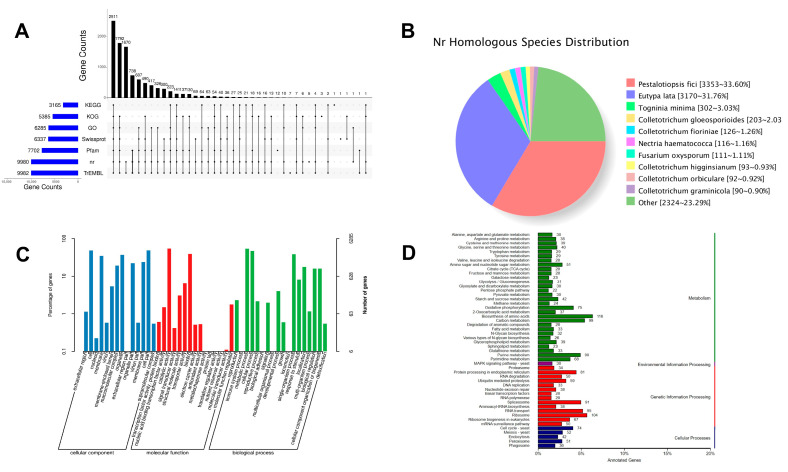 Figure 1
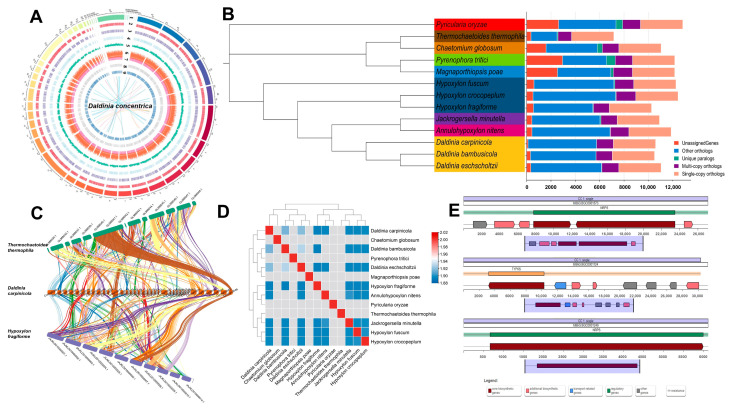 Figure 2
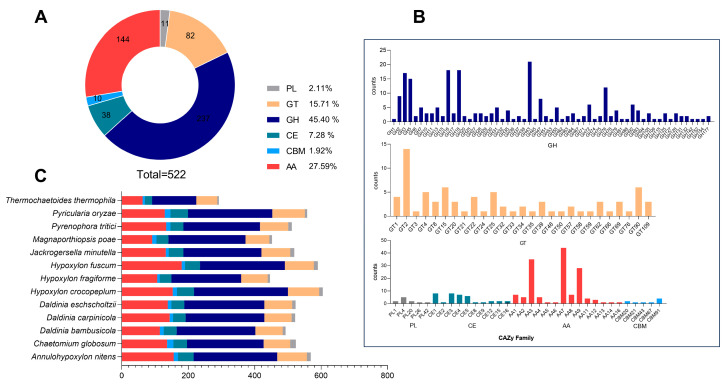 Figure 3
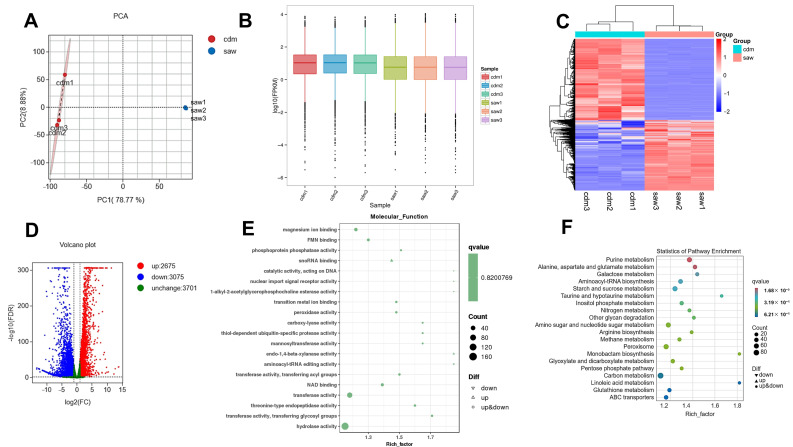 Figure 4
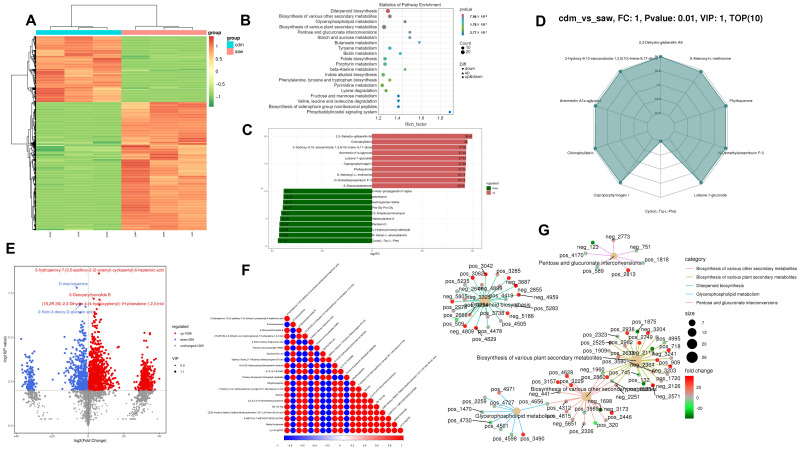 Figure 5
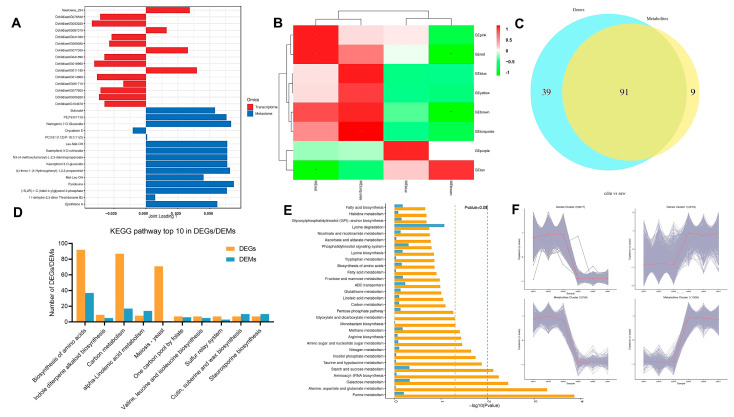 Figure 6
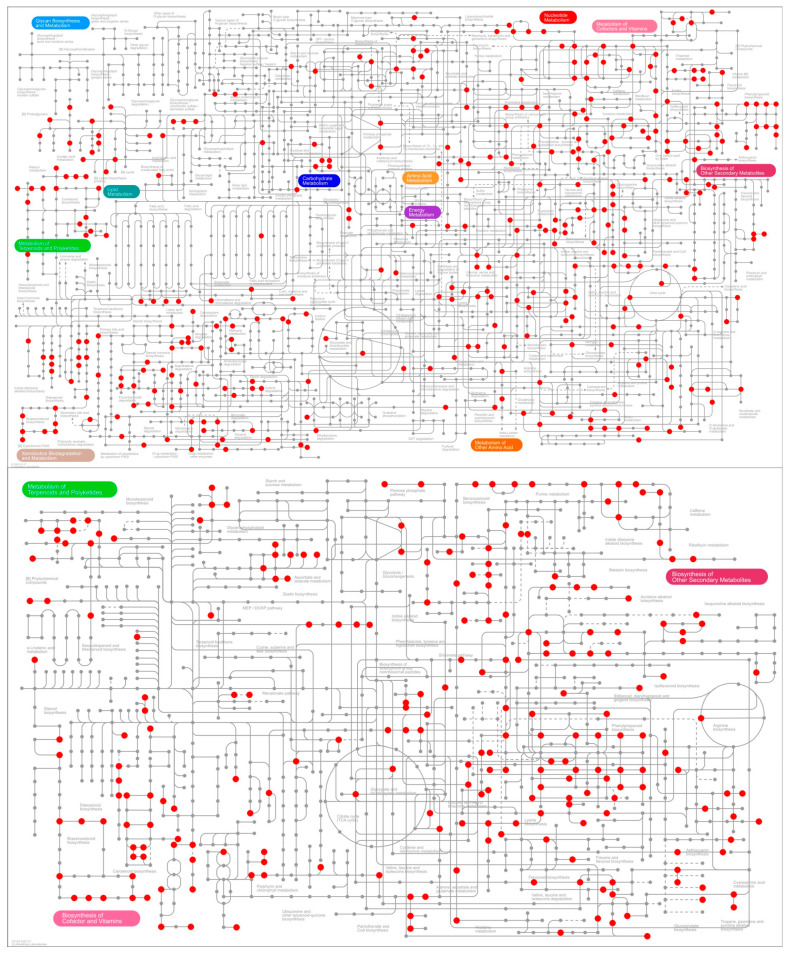 Figure 7
Peer Reviews
No public reviews on file for this paper yet. If you reviewed it on a platform where reviews are public (OpenReview, ICLR, NeurIPS, ICML), you can paste yours below so the community can read it here.
Videos
No videos yet. Explain this paper in a talk, walkthrough, or lecture? Add one.
Taxonomy
TopicsEnzyme-mediated dye degradation · Microbial Metabolism and Applications · Biochemical and biochemical processes