Echinocandin Adaptation in Candida albicans Is Accompanied by Altered Chromatin Accessibility at Gene Promoters and by Cell Wall Remodeling
Sudisht K. Sah, Anshuman Yadav, Tyler Stahl, Jeffrey J. Hayes, Michael Bulger, Elena Rustchenko

TL;DR
This study explores how Candida albicans adapts to echinocandin drugs by changing chromatin accessibility and cell wall structure.
Contribution
The study reveals genome-wide chromatin accessibility changes and cell wall remodeling in Candida albicans during echinocandin adaptation.
Findings
Drug adaptation is linked to chromatin accessibility changes in gene promoters.
Promoter regions show enriched binding motifs for zinc finger and basic leucine zipper transcription factors.
ECN-adapted mutants exhibit cell wall remodeling with increased chitin and cell surface exposure.
Abstract
Infections by the major opportunistic pathogen of human Candida albicans are commonly treated with echinocandin (ECN) drugs. However, C. albicans can adapt to grow in the presence of certain amounts of ECNs. Prior studies by several laboratories have defined multiple genes, as well as mechanisms involving induced aneuploidy, that can govern this. Still, the mechanisms of ECN adaptation are not fully understood. Here, we use genome-wide profiling of chromatin accessibility by ATAC-seq to determine if ECN adaptation is reflected in changes in the chromatin landscape in the absence of aneuploidy. We find that drug adaptation is coupled with multiple changes in chromatin accessibility genome-wide, which occur predominantly in gene promoter regions. Areas of increased accessibilities in promoters are enriched with the binding motifs for at least two types of transcription factors: zinc…
Genes, proteins, chemicals, diseases, species, mutations and cell lines named across the full text — each resolved to its canonical identifier and authoritative record.
Click any figure to enlarge with its caption.
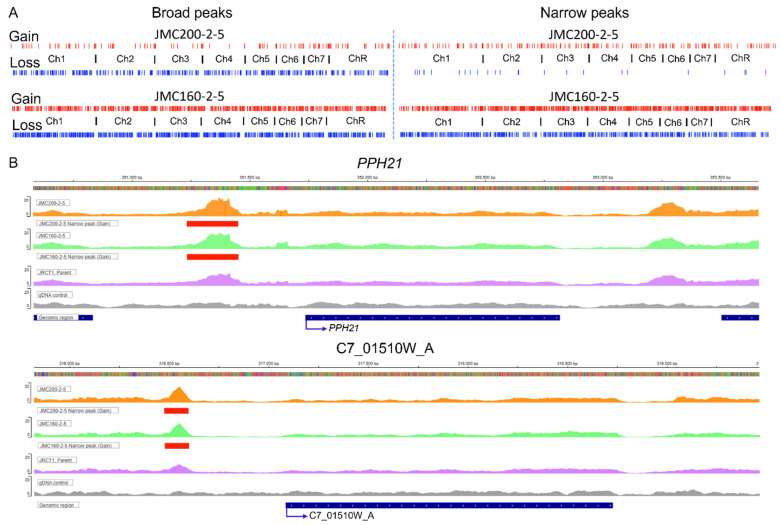 Figure 1
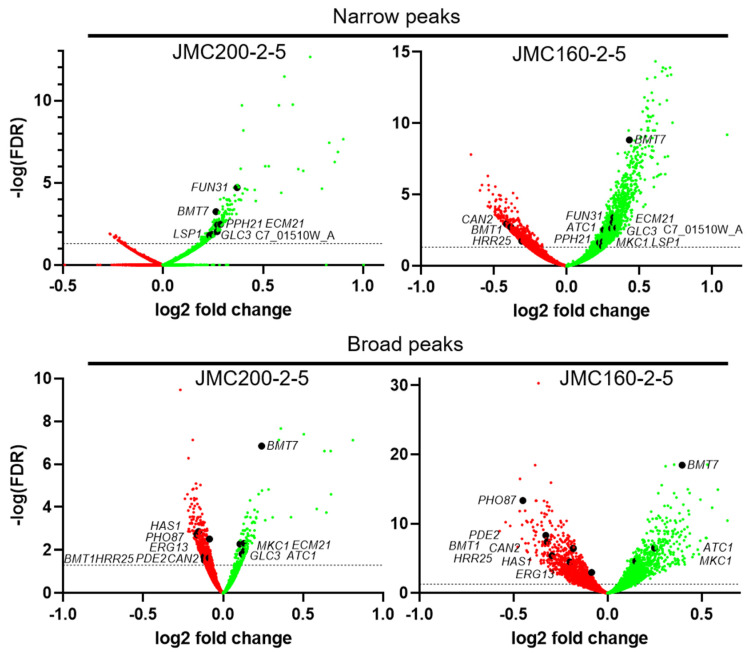 Figure 2
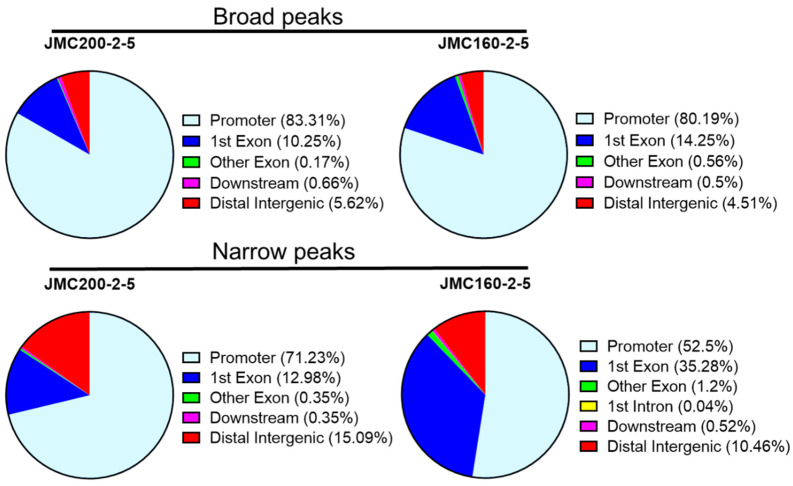 Figure 3
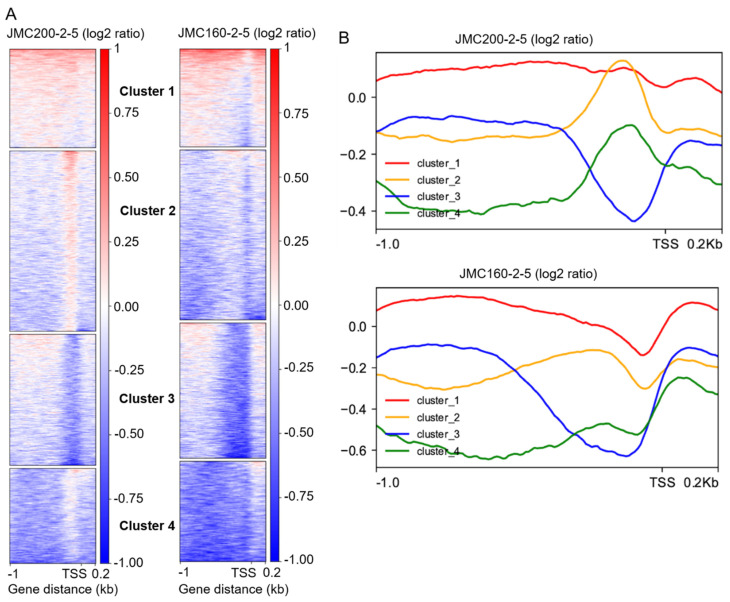 Figure 4
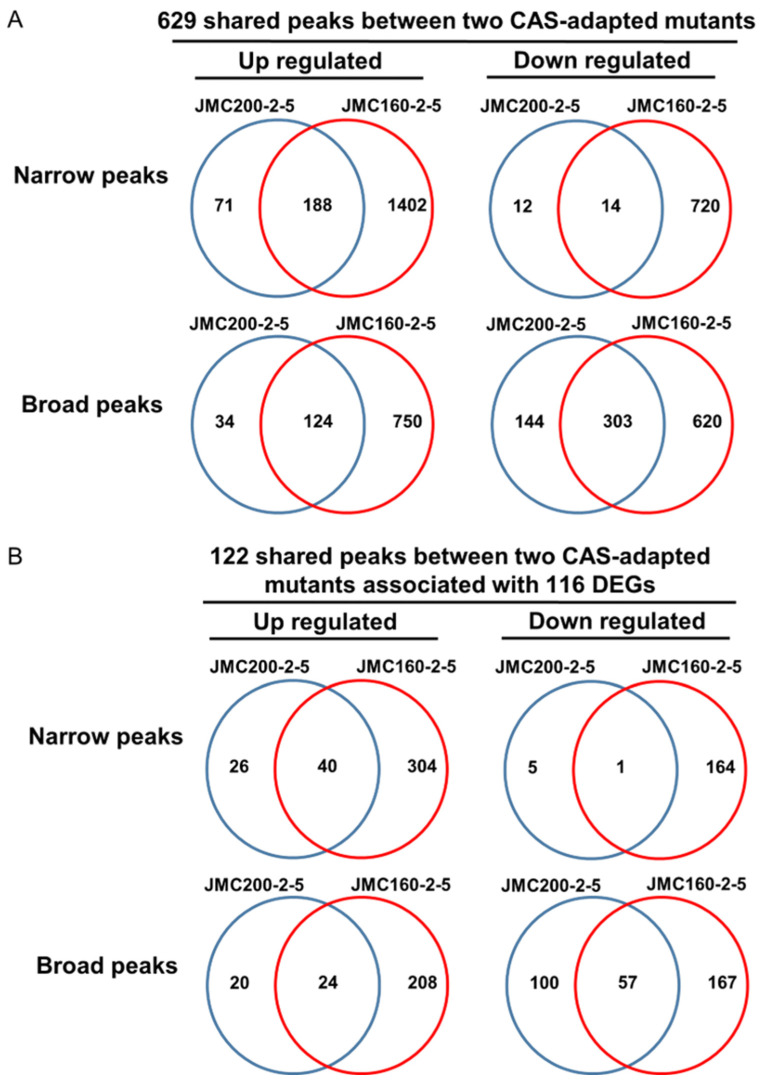 Figure 5
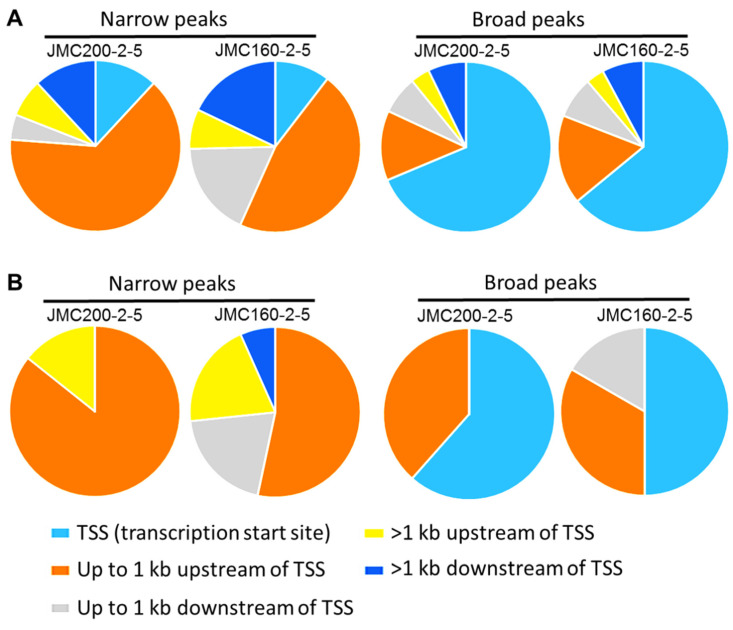 Figure 6
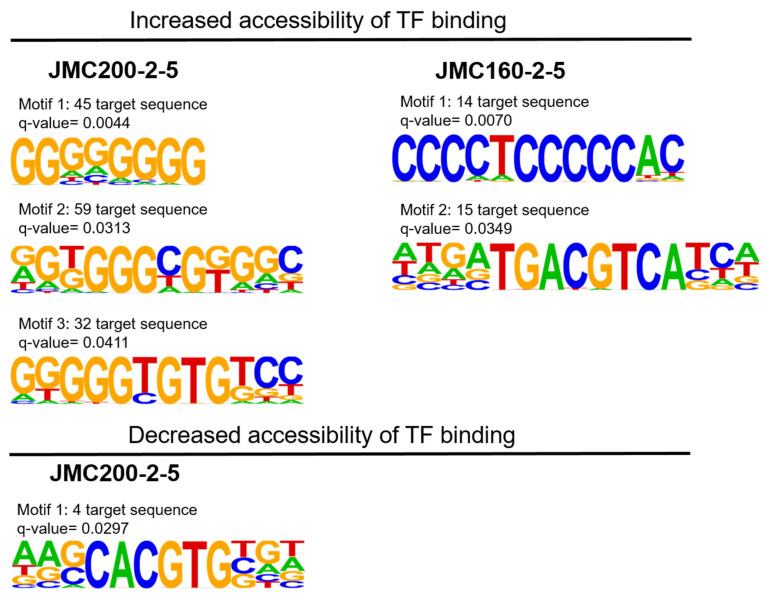 Figure 7
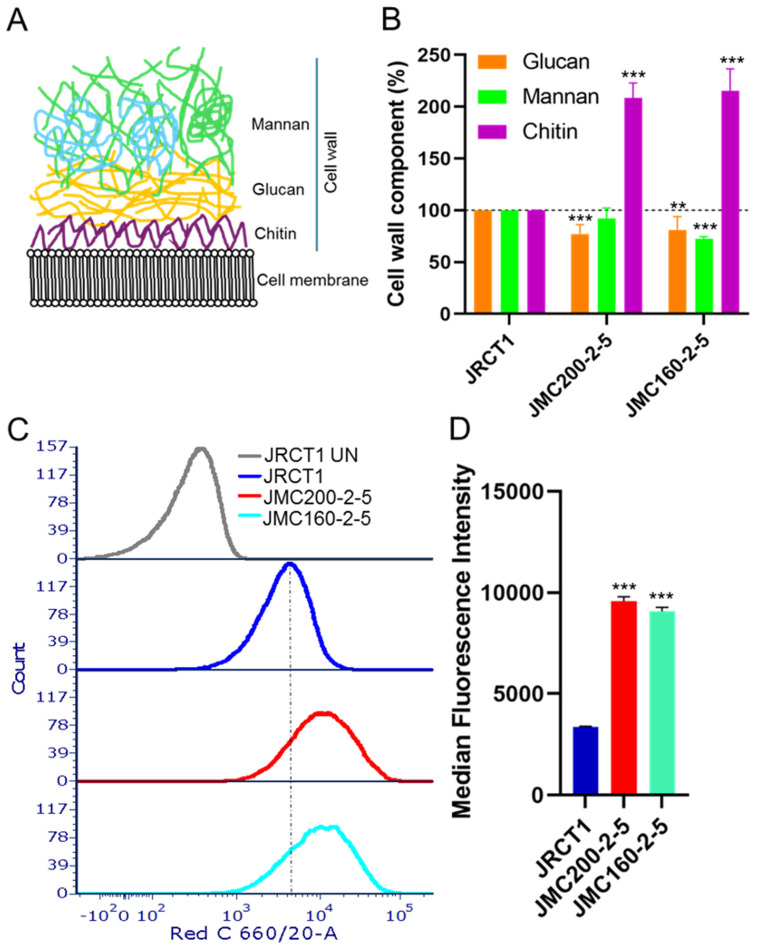 Figure 8
Peer Reviews
No public reviews on file for this paper yet. If you reviewed it on a platform where reviews are public (OpenReview, ICLR, NeurIPS, ICML), you can paste yours below so the community can read it here.
Videos
No videos yet. Explain this paper in a talk, walkthrough, or lecture? Add one.
Taxonomy
TopicsAntifungal resistance and susceptibility · Plant Disease Resistance and Genetics · Fungal Infections and Studies