Longitudinal Displacement for Left Ventricular Function Assessment
Marina Leitman, Vladimir Tyomkin

TL;DR
This study explores how much heart muscle segments move during the heartbeat, finding that this movement is reduced in people with heart dysfunction and behaves differently than traditional strain measurements.
Contribution
The study introduces longitudinal displacement as a novel measure for assessing left ventricular function and reveals its reversed basal-to-apical gradient.
Findings
Longitudinal displacement is highest in basal segments and lowest in the apex of the left ventricle.
Global longitudinal displacement is significantly reduced in patients with left ventricular dysfunction compared to healthy individuals.
Global longitudinal displacement and strain show a strong negative correlation.
Abstract
Background: Quantitative evaluation of myocardial function traditionally relies on parameters such as ejection fraction and strain. Strain, reflecting the relative change in the length of a myocardial segment over the cardiac cycle, has been extensively studied in various cardiac pathologies over the past two decades. However, the absolute length change, or longitudinal displacement, of myocardial segments during the cardiac cycle has received limited attention. This study aims to evaluate longitudinal displacement in two separate groups: healthy athletes and patients with left ventricular dysfunction, providing new insights into myocardial function assessment. Methods: Echocardiographic examinations were performed on 30 healthy football players and 30 patients with left ventricular dysfunction using speckle-tracking imaging analysis. Global and regional peak longitudinal displacement…
Genes, proteins, chemicals, diseases, species, mutations and cell lines named across the full text — each resolved to its canonical identifier and authoritative record.
Click any figure to enlarge with its caption.
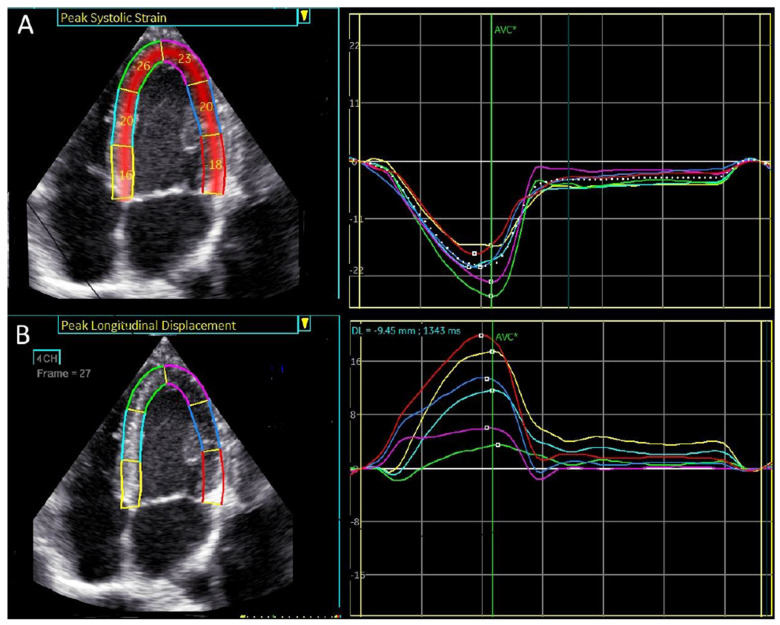 Figure 1
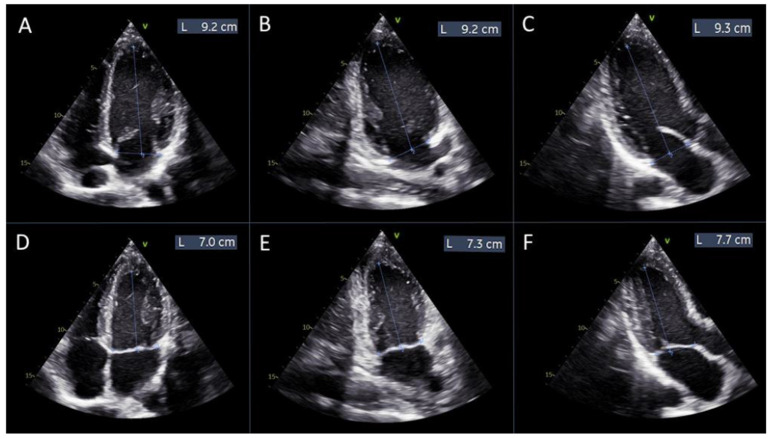 Figure 2
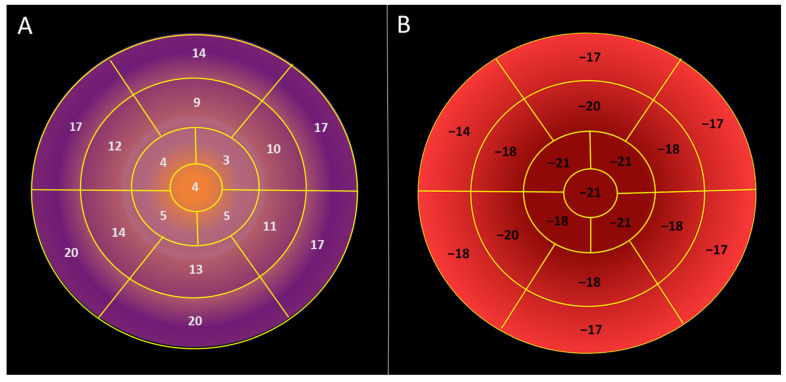 Figure 3
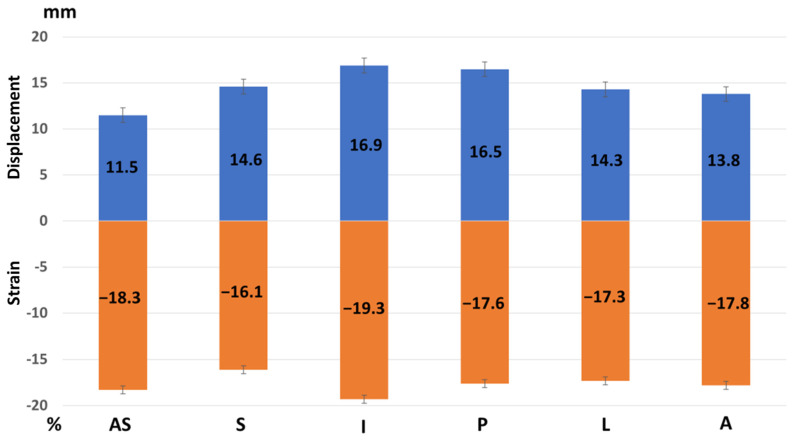 Figure 4
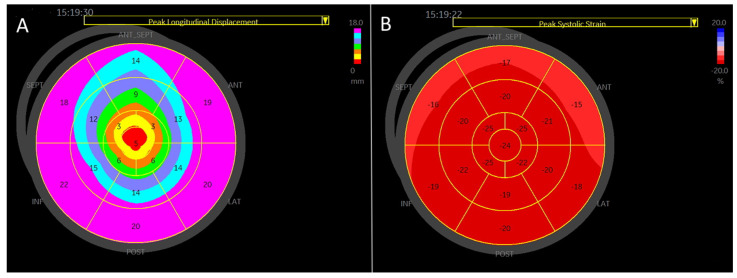 Figure 5
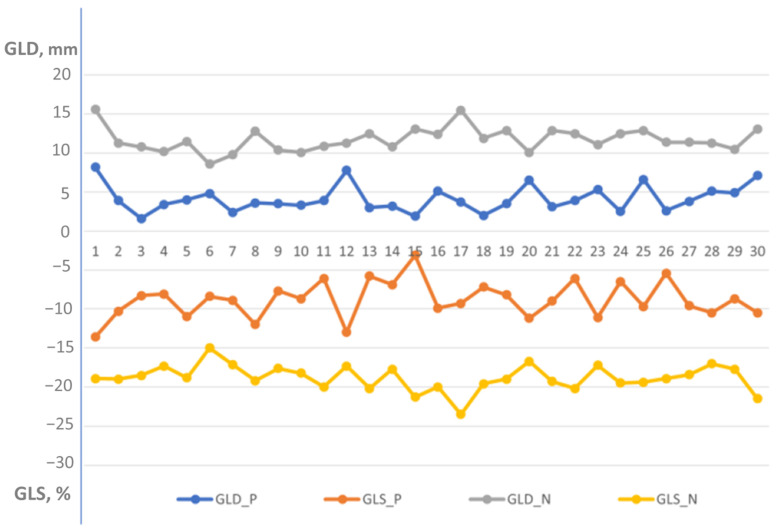 Figure 6
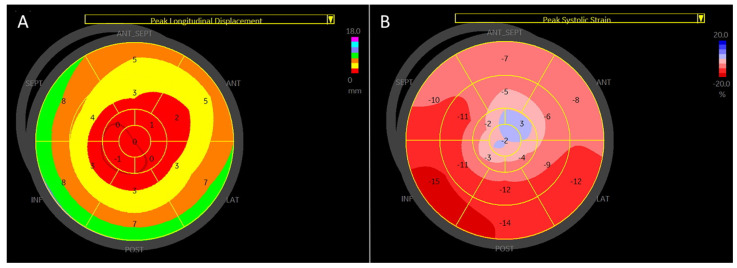 Figure 7
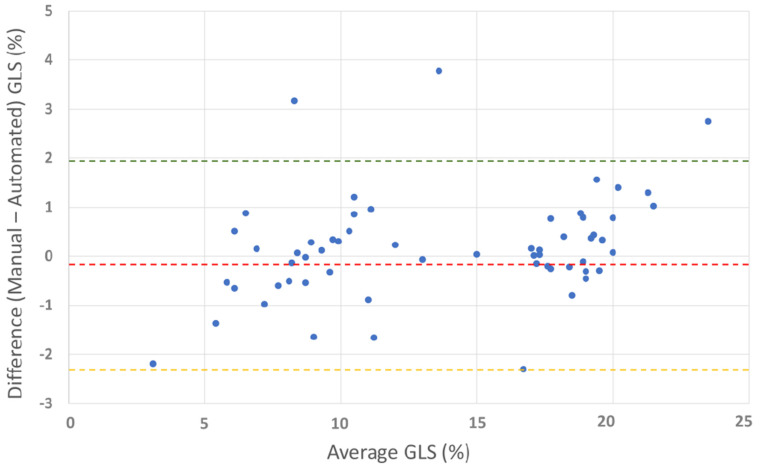 Figure 8
Peer Reviews
No public reviews on file for this paper yet. If you reviewed it on a platform where reviews are public (OpenReview, ICLR, NeurIPS, ICML), you can paste yours below so the community can read it here.
Videos
No videos yet. Explain this paper in a talk, walkthrough, or lecture? Add one.
Taxonomy
TopicsCardiovascular Function and Risk Factors · Cardiac Imaging and Diagnostics · Advanced MRI Techniques and Applications