Methodology for the Evaluation of Varietal Resistance to Haplaxius crudus, Vector of the Causal Agent of Lethal Wilt in Oil Palm in Colombia
Ivette Johana Beltrán-Aldana, Gladys Alejandra Romero-Guerrero, Eloina Mesa-Fuquen, Anuar Morales-Rodriguez

TL;DR
This paper introduces a new method to test oil palm varieties for resistance to a harmful insect that spreads a deadly disease, helping identify resistant plants for breeding.
Contribution
The study introduces a validated methodology to assess resistance in oil palm genotypes against the insect vector Haplaxius crudus.
Findings
Elaeis guineensis is more susceptible to Haplaxius crudus, while Elaeis oleifera and OxG hybrids show greater resistance.
The proposed methodology successfully evaluates resistance through antixenosis and antibiosis mechanisms.
Resistant genotypes can be identified and used in breeding programs to manage Lethal Wilt disease.
Abstract
Lethal Wilt (LW), caused by Candidatus Liberibacter and transmitted by Haplaxius crudus, is a disease that causes significant economic losses in palm oil plantations in Colombia, and no resistant commercial cultivars have been identified to date. This study developed and validated a methodology to evaluate the resistance of oil palm genotypes (Elaeis guineensis, Elaeis oleifera, and OxG hybrids) against the vector Haplaxius crudus through the mechanisms of antixenosis (feeding preference) and antibiosis (insect survival). The results indicated that E. guineensis is more susceptible, while E. oleifera and OxG hybrids showed greater resistance to the insect. The proposed methodology is a useful tool for selecting sources of resistance in breeding programs. Lethal Wilt is a limiting disease for oil palm cultivation in the eastern and central zones of Colombia. In the eastern zone, it…
Genes, proteins, chemicals, diseases, species, mutations and cell lines named across the full text — each resolved to its canonical identifier and authoritative record.
Click any figure to enlarge with its caption.
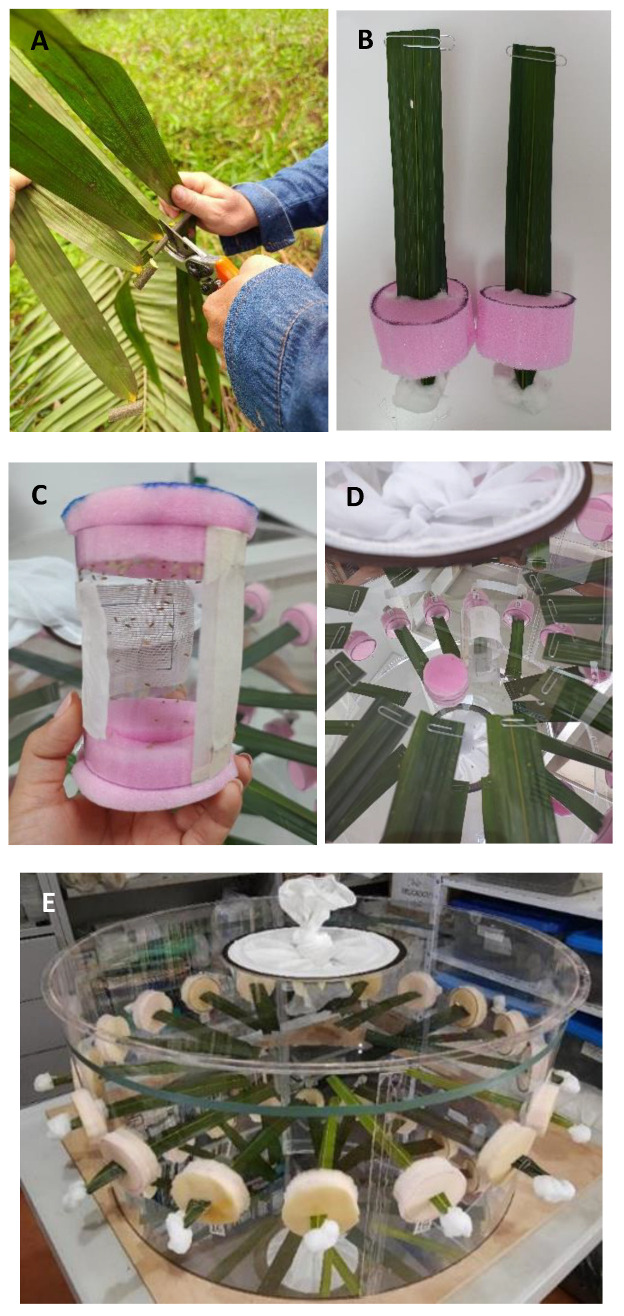 Figure 1
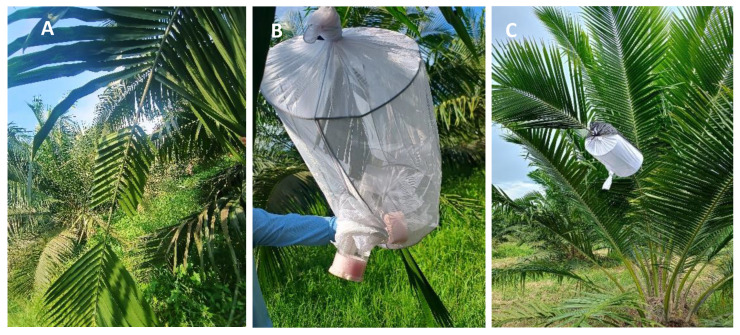 Figure 2
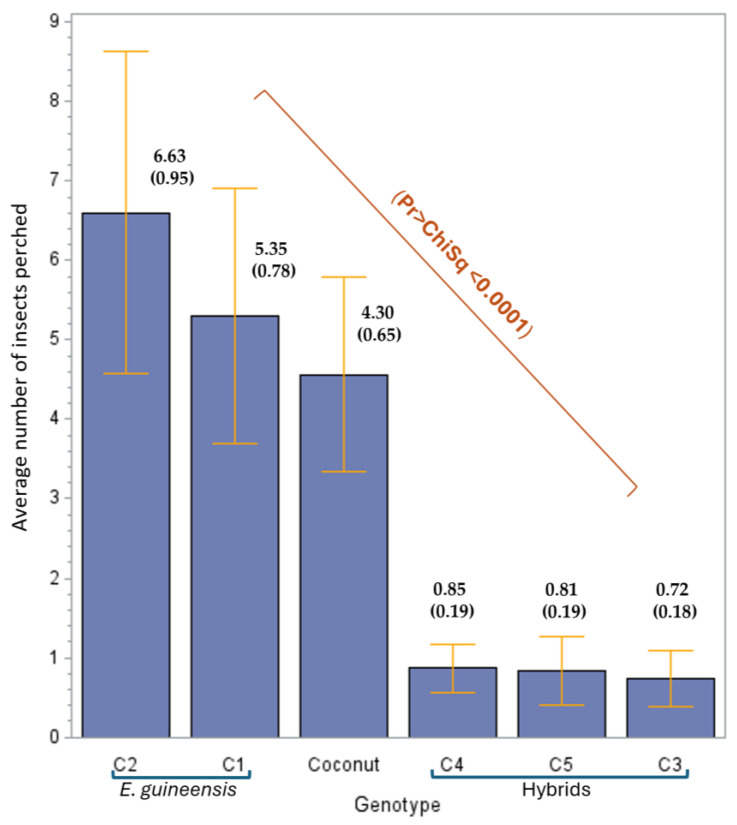 Figure 3
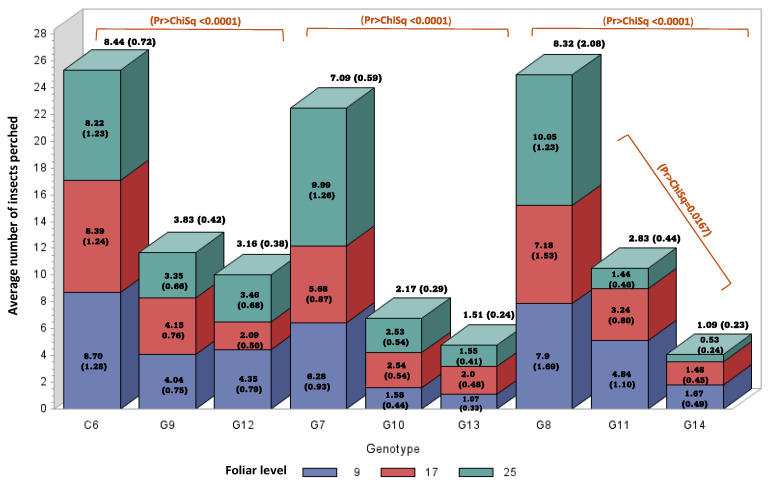 Figure 4
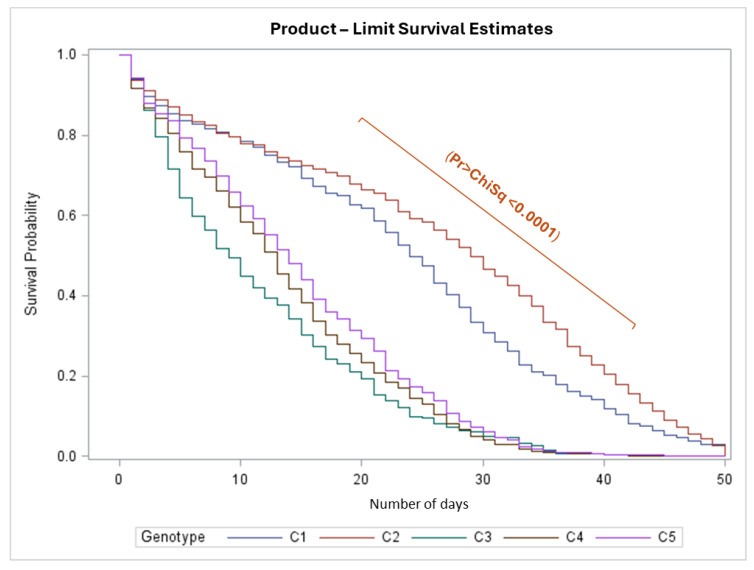 Figure 5
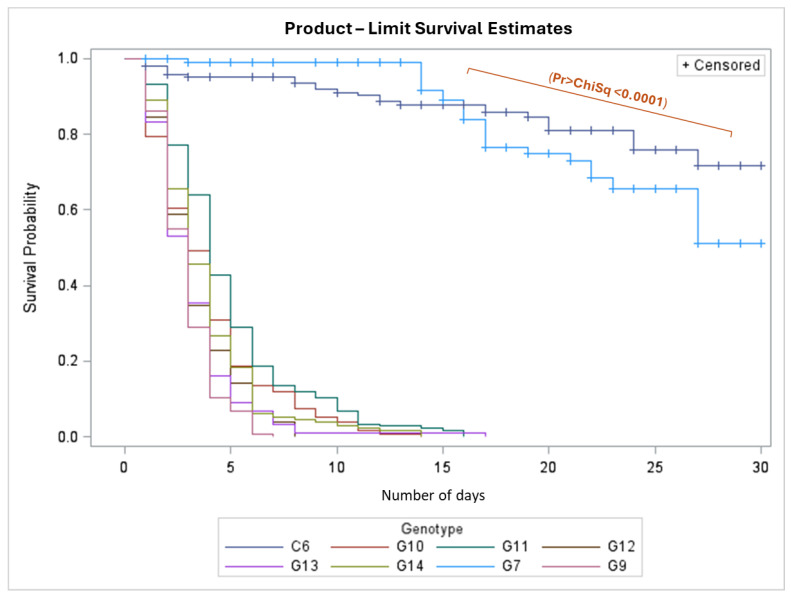 Figure 6
Peer Reviews
No public reviews on file for this paper yet. If you reviewed it on a platform where reviews are public (OpenReview, ICLR, NeurIPS, ICML), you can paste yours below so the community can read it here.
Videos
No videos yet. Explain this paper in a talk, walkthrough, or lecture? Add one.
Taxonomy
TopicsOil Palm Production and Sustainability · Date Palm Research Studies · Studies on Chitinases and Chitosanases