BDNF/BDNF-AS Gene Polymorphisms Modulate Treatment Response and Remission in Bipolar Disorder: A Randomized Clinical Trial
Anton Shkundin, Heather E. Wheeler, James Sinacore, Angelos Halaris

TL;DR
This study finds that genetic variations in the BDNF and BDNF-AS genes affect how well patients with bipolar disorder respond to treatment with escitalopram and celecoxib.
Contribution
The study identifies specific BDNF/BDNF-AS gene polymorphisms that modulate treatment response and remission in bipolar disorder patients.
Findings
Non-carriers of rs6265 A allele and carriers of rs10835210 A allele responded better to adjunctive celecoxib.
Remission rates were higher with adjunctive celecoxib across all three SNPs compared to escitalopram alone.
Remission rates varied significantly based on allele carrier status for rs1519480, rs10835210, and rs6265.
Abstract
Background: Bipolar disorder (BD) is a chronic condition associated with treatment resistance, cognitive decline, structural brain changes, and an approximately 13-year reduction in life expectancy compared to the general population. Depression in BD substantially impairs quality of life, while neuroinflammation and excitotoxicity are thought to contribute to the recurrence of mood episodes and disease progression. Brain-derived neurotrophic factor (BDNF) plays a key role in neuronal growth and function, with its dysregulation being linked to various psychiatric disorders. This study is an extension of a previously published clinical trial and was conducted to assess the effects of three BDNF and BDNF-AS gene polymorphisms (rs1519480, rs6265, and rs10835210) on treatment outcomes and serum BDNF levels in patients with treatment-resistant bipolar disorder depression (TRBDD) over an…
Genes, proteins, chemicals, diseases, species, mutations and cell lines named across the full text — each resolved to its canonical identifier and authoritative record.
Click any figure to enlarge with its caption.
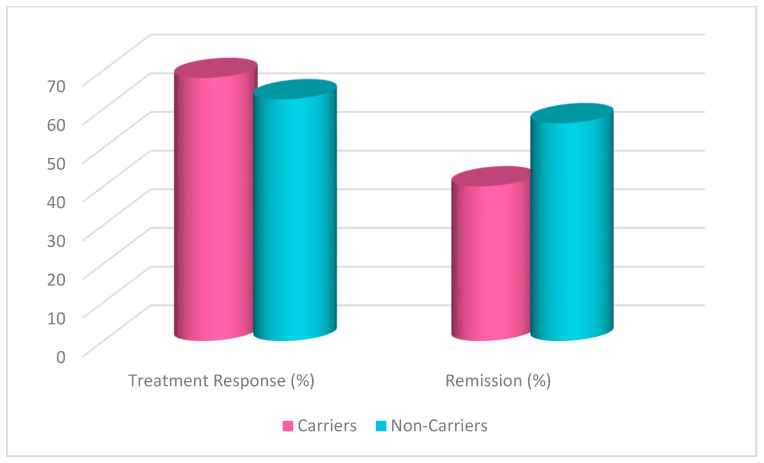 Figure 1
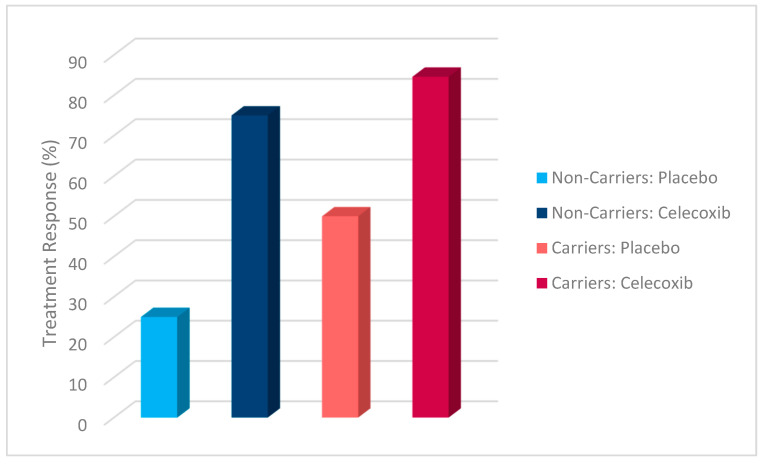 Figure 2
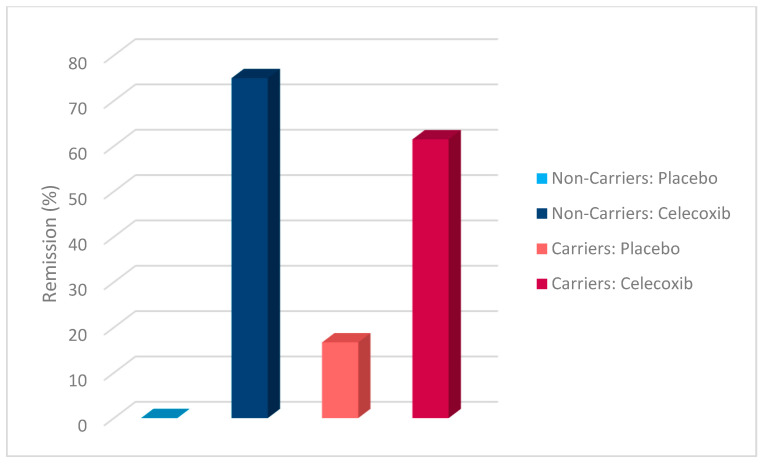 Figure 3
 Figure 4
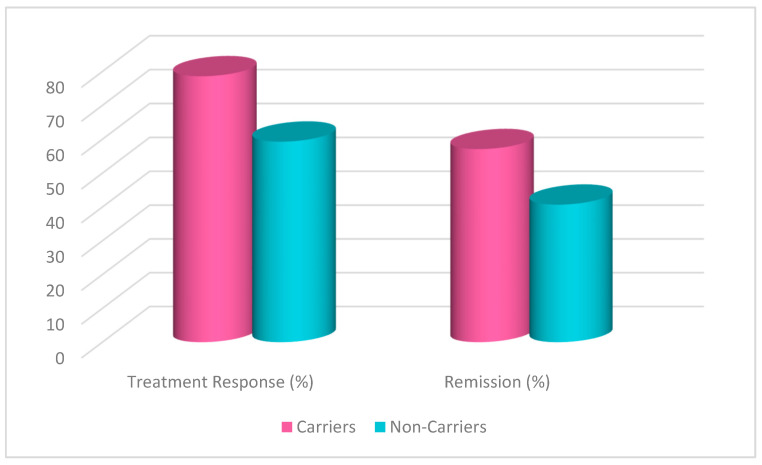 Figure 5
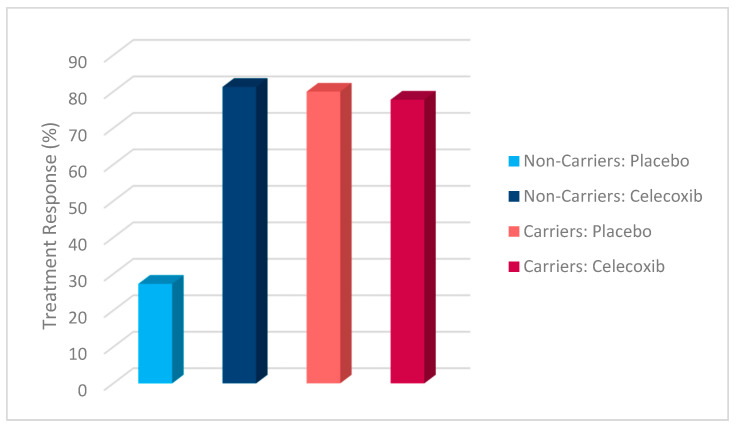 Figure 6
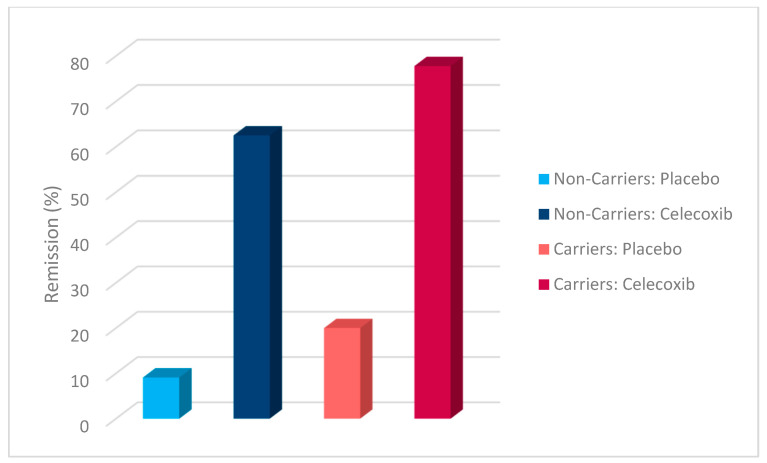 Figure 7
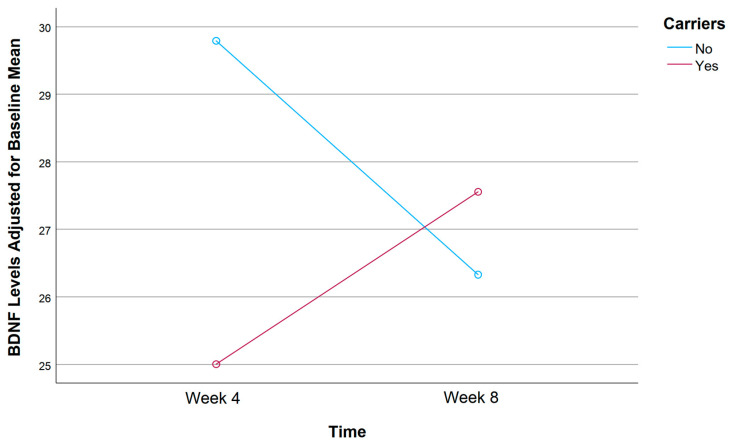 Figure 8
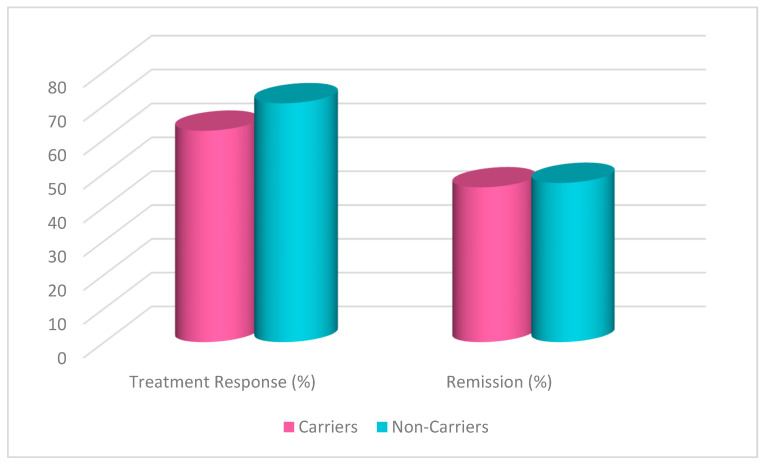 Figure 9
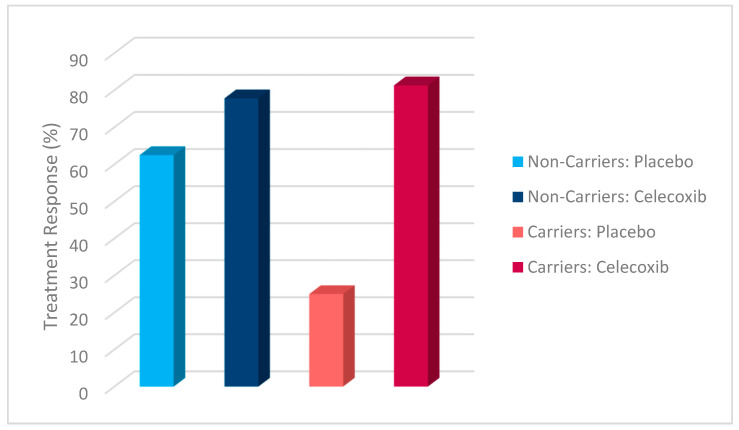 Figure 10
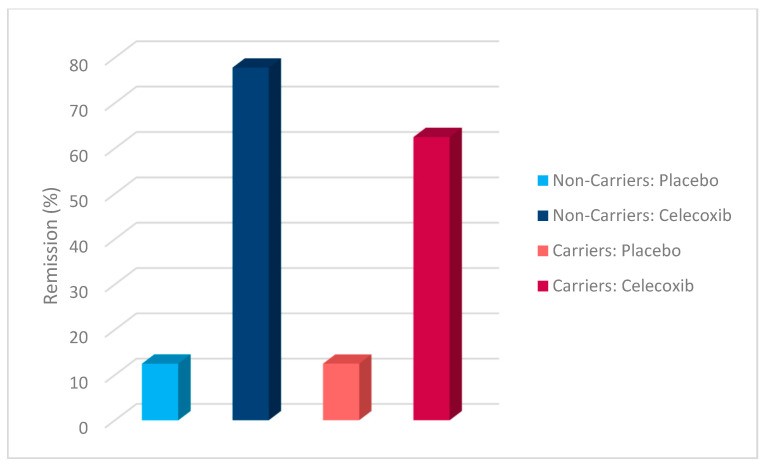 Figure 11
 Figure 12
Peer Reviews
No public reviews on file for this paper yet. If you reviewed it on a platform where reviews are public (OpenReview, ICLR, NeurIPS, ICML), you can paste yours below so the community can read it here.
Videos
No videos yet. Explain this paper in a talk, walkthrough, or lecture? Add one.
Taxonomy
TopicsTryptophan and brain disorders · Bipolar Disorder and Treatment · Stress Responses and Cortisol