An Integrative Phylogenetic Analysis of the Genus Rhynchium Spinola (Hymenoptera: Vespidae: Eumeninae) from China Based on Morphology, Genomic Data and Geographical Distribution
Yun-Lian Peng, Shu-Lin He, Bin Chen, Ting-Jing Li

TL;DR
This study clarifies the classification of the wasp genus Rhynchium in China using a combination of physical traits, genetic data, and geographic distribution.
Contribution
The study integrates morphology, genomic data, and geographic distribution to resolve taxonomic confusion in Rhynchium species in China.
Findings
Three Rhynchium species were verified in China, including a newly recorded species.
R. brunneum is widely distributed in China with diverse color patterns linked to geographic regions.
Genomic and morphological data confirmed distinct species boundaries and geographic ranges.
Abstract
By combining morphology with population genetic differentiation, phylogenetic relationship and geographical distribution, the taxonomic confusion of the genus Rhynchium Spinola in China was resolved. Three Chinese species, namely Rhynchium carnaticum, Rhynchium quinquecinctum, and Rhynchium brunneum, were verified, of which R. carnaticum is newly recorded and R. brunneum is widely distributed in China. Their morphologic features for classification are updated. The color patterns of the widely distributed species R. brunneum are diverse and were preliminarily analyzed in this study, which provides a useful reference for future explorations of the evolution of the family Vespidae. The species of the genus Rhynchium Spinola are important natural insect control resources and widespread in the Old World. Due to the various color patterns of several species in China, it is difficulty to…
Genes, proteins, chemicals, diseases, species, mutations and cell lines named across the full text — each resolved to its canonical identifier and authoritative record.
Click any figure to enlarge with its caption.
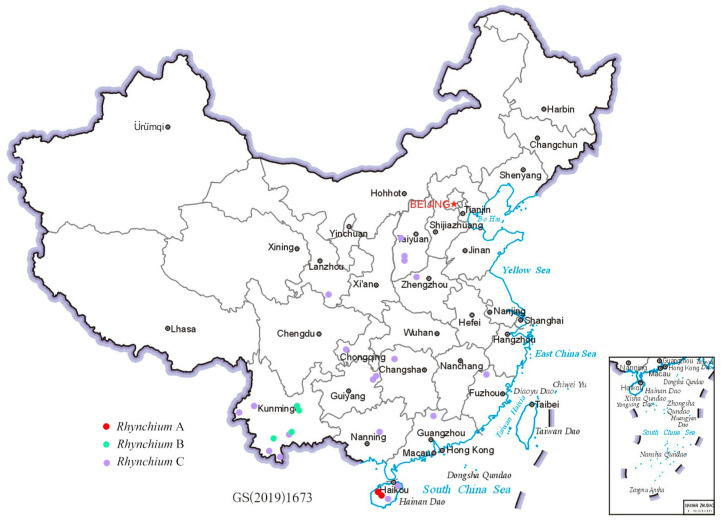 Figure 1
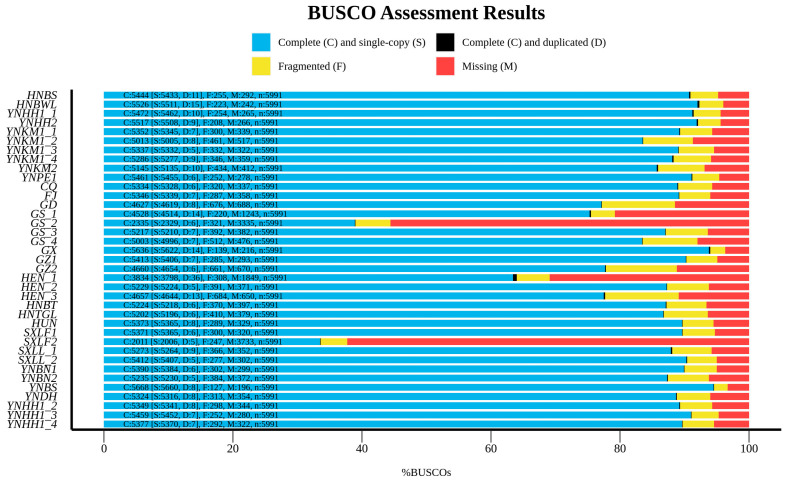 Figure 2
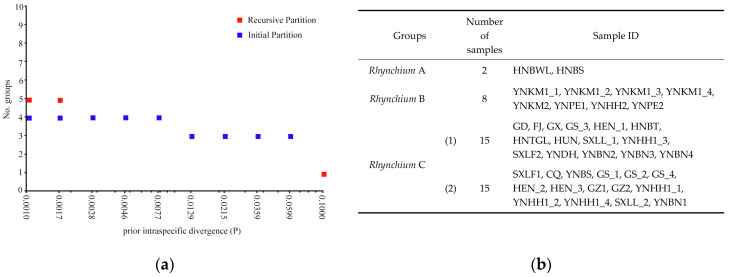 Figure 3
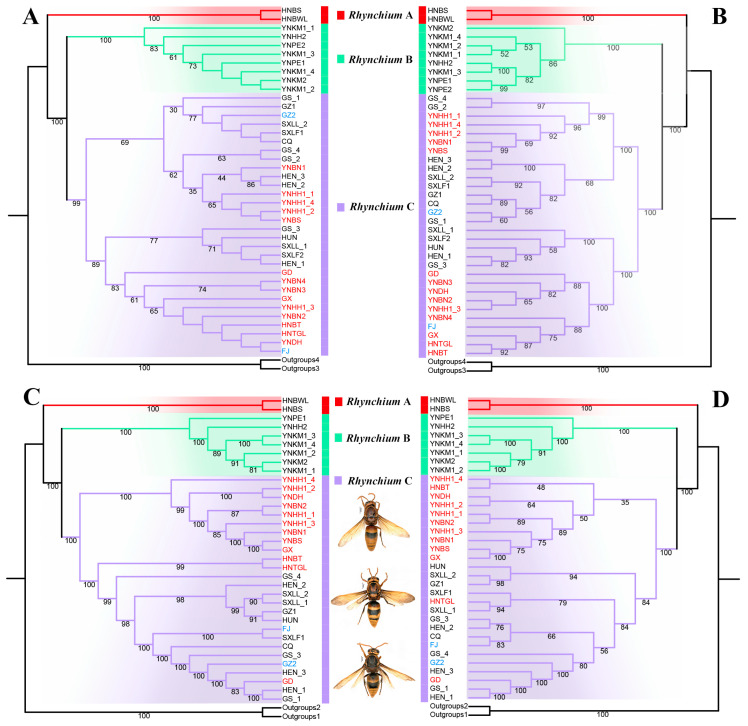 Figure 4
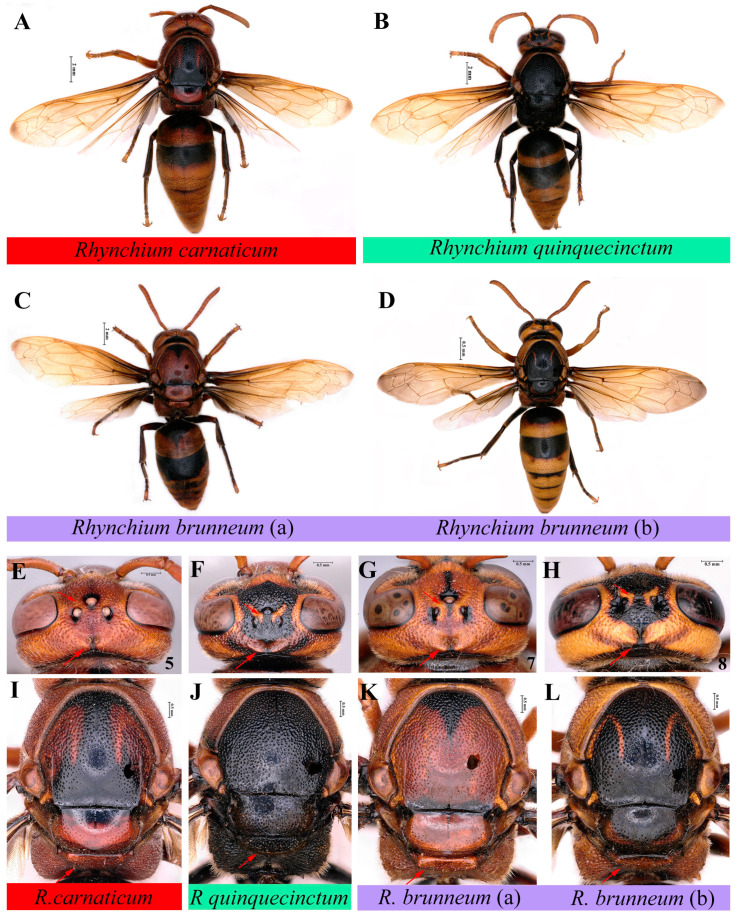 Figure 5
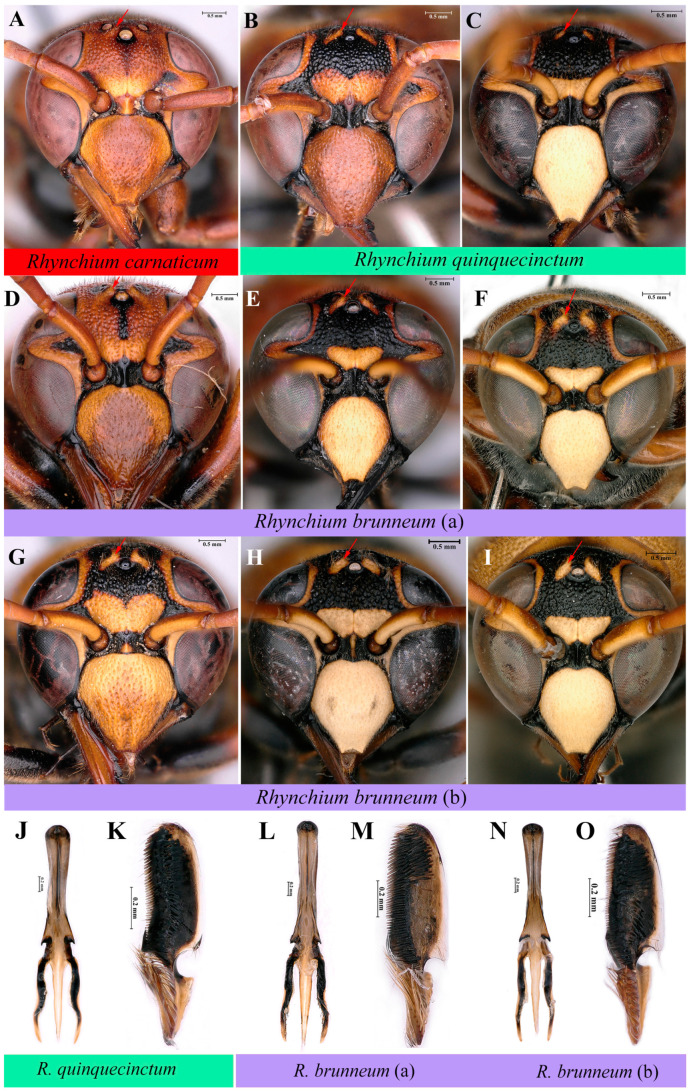 Figure 6
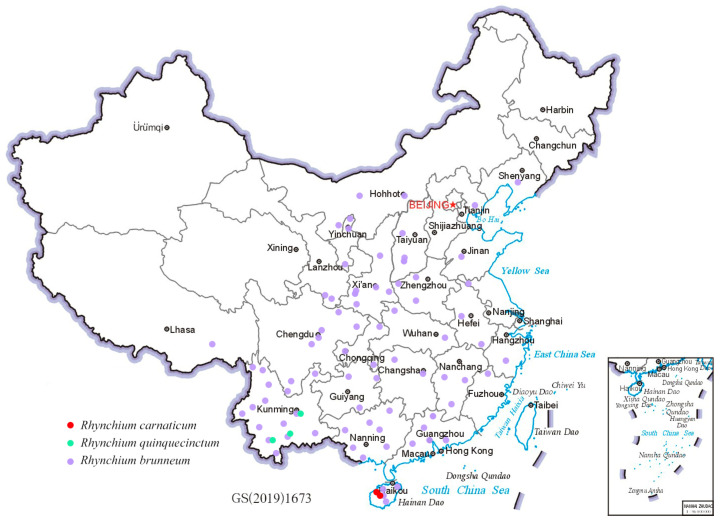 Figure 7
Peer Reviews
No public reviews on file for this paper yet. If you reviewed it on a platform where reviews are public (OpenReview, ICLR, NeurIPS, ICML), you can paste yours below so the community can read it here.
Videos
No videos yet. Explain this paper in a talk, walkthrough, or lecture? Add one.
Taxonomy
TopicsPlant and animal studies · Insect and Arachnid Ecology and Behavior · Plant Parasitism and Resistance