Molecular Characterization of Trypanosoma cruzi from Triatomine Species in São Paulo State, an Area Free of Vector-Borne Chagas Disease
Eliana Ferreira Monteiro, Rubens Antonio da Silva, Arlei Marcili, Karin Kirchgatter

TL;DR
This study found that certain insects in São Paulo can still spread Chagas disease, despite efforts to control the main carriers, highlighting the need for continued monitoring.
Contribution
The study reveals high T. cruzi infection rates in non-target triatomine species in urban and rural areas of São Paulo.
Findings
A 65% T. cruzi infection rate was found in Panstrongylus megistus collected from homes and surrounding areas.
The DTU TcI genotype was the most prevalent in the studied region.
Triatomines collected from palm trees showed no T. cruzi infection.
Abstract
This study focused on understanding how common the parasite Trypanosoma cruzi (which causes Chagas disease) is in certain insects called triatomines, by analyzing their feces. Samples were collected from 570 triatomines in 25 cities in São Paulo and tested for the parasite’s DNA. A low overall infection rate was found (3.2%); however, excluding the insects collected in palm trees, where no positives were found, the infection rate was very high among those collected in residences and peridomiciles (45%), the majority of which were Panstrongylus megistus, and 65% of them were positive for T. cruzi. These findings are important because although the main vectors of Chagas disease have been controlled, other insect species are still capable of spreading the disease, especially in both city and rural areas. This highlights the need for ongoing monitoring of these insects to prevent a…
Genes, proteins, chemicals, diseases, species, mutations and cell lines named across the full text — each resolved to its canonical identifier and authoritative record.
Click any figure to enlarge with its caption.
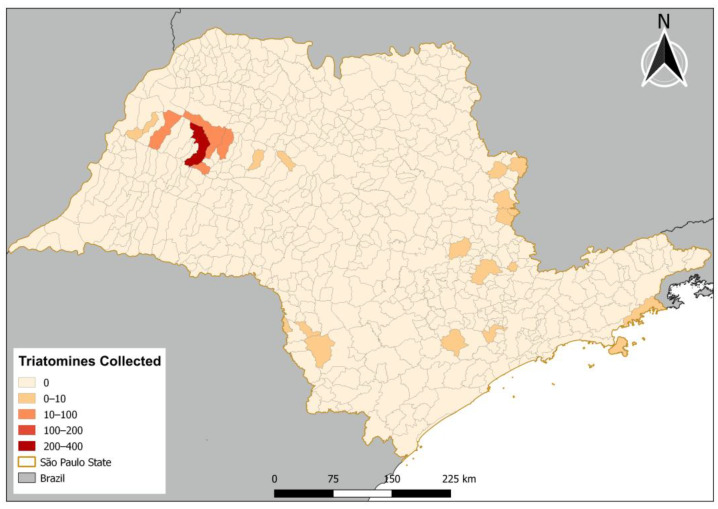 Figure 1
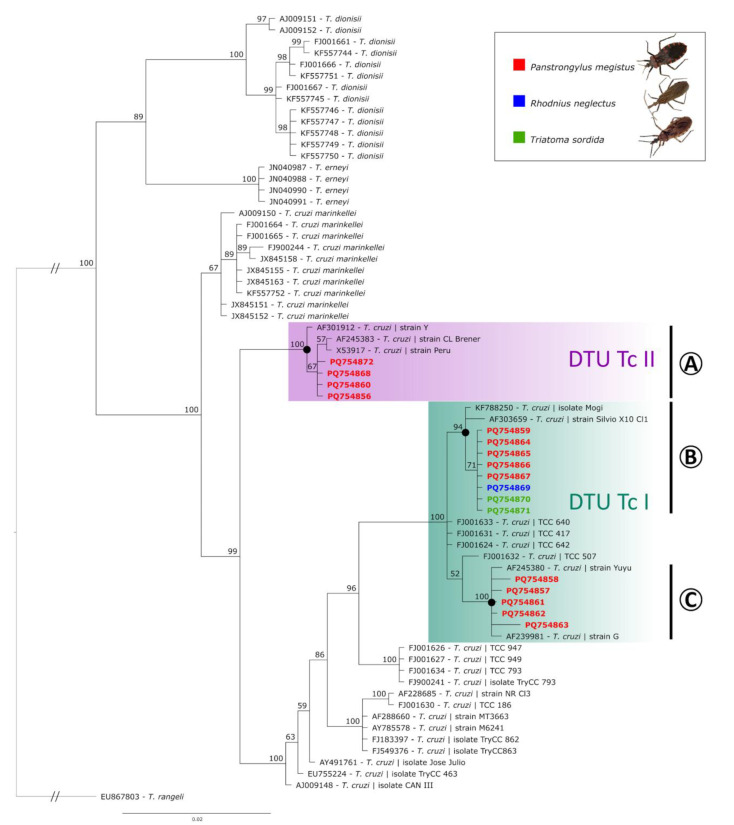 Figure 2
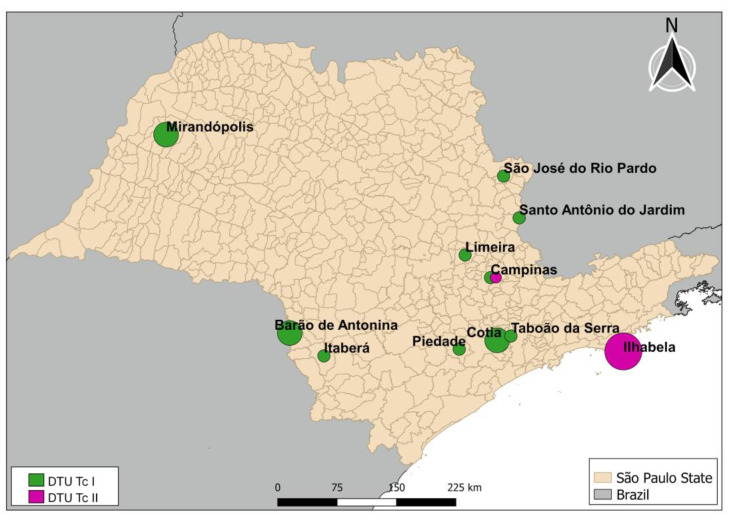 Figure 3
Peer Reviews
No public reviews on file for this paper yet. If you reviewed it on a platform where reviews are public (OpenReview, ICLR, NeurIPS, ICML), you can paste yours below so the community can read it here.
Videos
No videos yet. Explain this paper in a talk, walkthrough, or lecture? Add one.
Taxonomy
TopicsTrypanosoma species research and implications · Research on Leishmaniasis Studies · Insect symbiosis and bacterial influences