Impact of Gentle Touch Stimulation Combined with Advanced Sensory Stimulation in Patients in a Minimally Conscious State: A Quasi-Randomized Clinical Trial
Mirjam Bonanno, Antonio Gangemi, Rosa Angela Fabio, Marco Tramontano, Maria Grazia Maggio, Federica Impellizzeri, Alfredo Manuli, Daniele Tripoli, Angelo Quartarone, Rosaria De Luca, Rocco Salvatore Calabrò

TL;DR
This study shows that adding gentle touch to sensory stimulation helps patients in a minimally conscious state recover better by improving brain and heart function.
Contribution
The novel integration of gentle touch with advanced sensory stimulation improves neuroplasticity and autonomic regulation in MCS patients.
Findings
Gentle touch combined with multisensory stimulation significantly reduced P300 latency in MCS patients.
The intervention improved neurophysiological and functional outcomes compared to conventional methods.
Heart rate regulation and cognitive functioning were positively impacted in the experimental group.
Abstract
Touch, particularly affective touch mediated by C-tactile fibers, plays a key role in emotional regulation and therapeutic interventions. However, tactile stimulation is underutilized in sensory stimulation (SS) protocols for brain injury patients, despite its potential to enhance consciousness and promote recovery through neural and autonomic regulation. Tools like the Neurowave enable advanced multisensory stimulation, including audio-visual and emotional inputs, but lack tactile components. Integrating gentle touch stimulation with such systems could further enhance neuroplasticity, improve heart rate regulation, and support recovery in patients with disorders of consciousness. In this study, twenty patients affected by minimally conscious state (MCS) were divided into two groups: an experimental group (EG n.10) and a control group (CG n.10). Both groups underwent standard…
Genes, proteins, chemicals, diseases, species, mutations and cell lines named across the full text — each resolved to its canonical identifier and authoritative record.
Click any figure to enlarge with its caption.
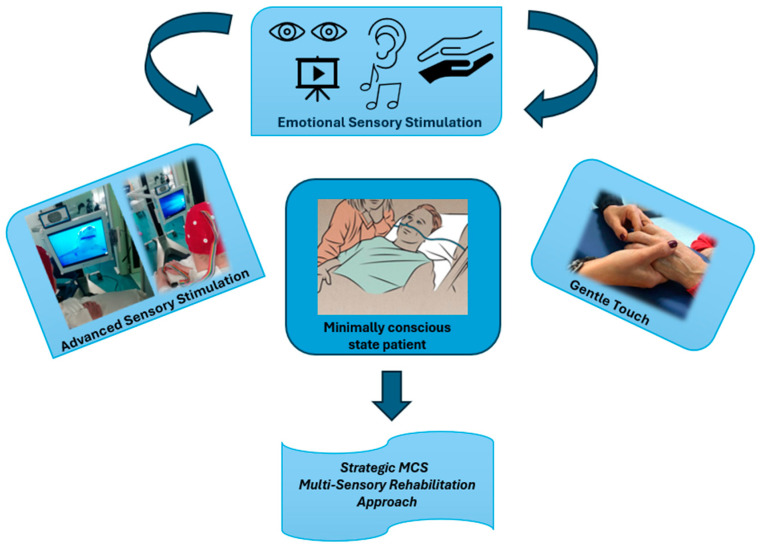 Figure 1
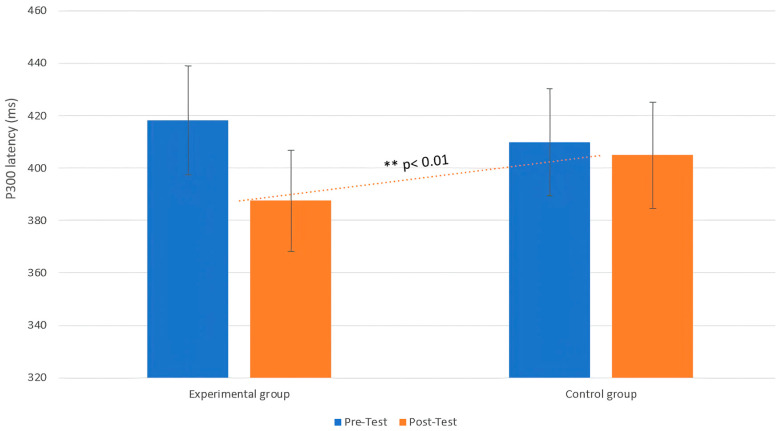 Figure 2
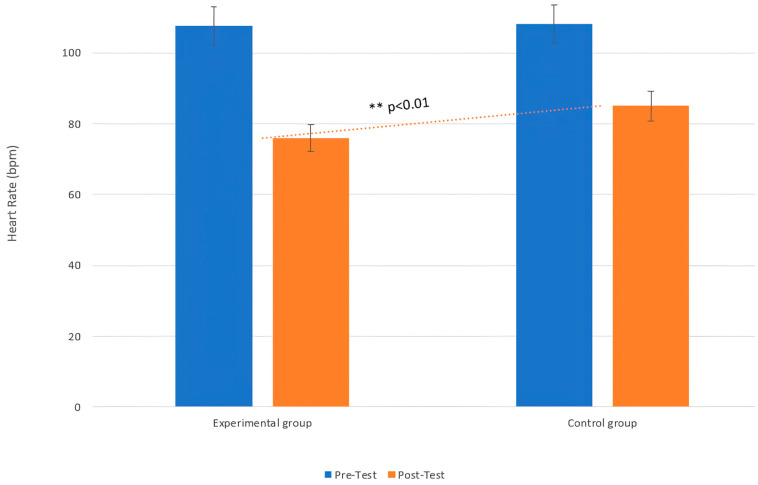 Figure 3
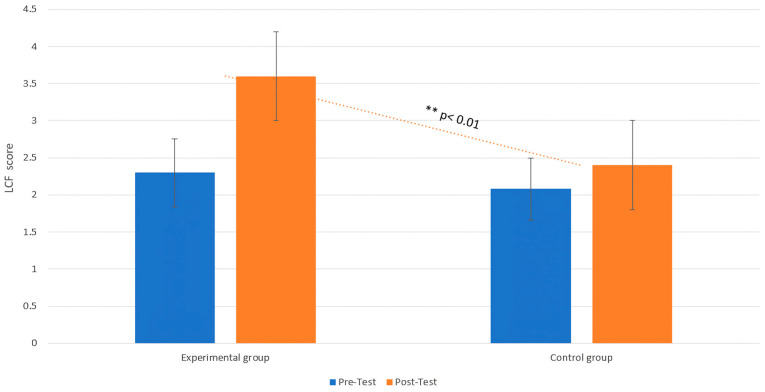 Figure 4
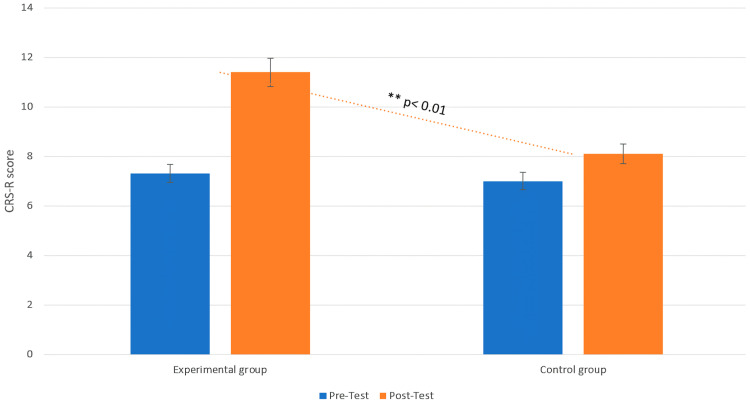 Figure 5
Peer Reviews
No public reviews on file for this paper yet. If you reviewed it on a platform where reviews are public (OpenReview, ICLR, NeurIPS, ICML), you can paste yours below so the community can read it here.
Videos
No videos yet. Explain this paper in a talk, walkthrough, or lecture? Add one.
Taxonomy
TopicsTraumatic Brain Injury Research · EEG and Brain-Computer Interfaces · Psychosomatic Disorders and Their Treatments