Bridging the Gap Between Platforms: Comparing Grape Phylloxera Daktulosphaira vitifoliae (Fitch) Microsatellite Allele Size and DNA Sequence Variation
Mark J. Blacket, Alexander M. Piper, Ary A. Hoffmann, John Paul Cunningham, Isabel Valenzuela

TL;DR
This paper compares different methods for analyzing grape phylloxera microsatellites to ensure consistent results across research platforms.
Contribution
The study introduces standardized methods for phylloxera microsatellite genotyping and identifies reference samples to ensure compatibility between platforms.
Findings
Capillary genotyping results most closely match high-throughput sequencing allele sizes.
Polyacrylamide-based allele sizes differ by up to three base pairs due to uncharacterized DNA sequence indels.
Seven clonal lineages are proposed as reference samples for cross-platform calibration.
Abstract
Grape phylloxera is a serious insect pest of grapevines worldwide. The past two decades have seen genotypic identification of phylloxera using microsatellite markers become an integral part of control, informing the selection of resistant rootstocks and implementation of quarantine zones to prevent the spread of highly virulent genotypes. Here, we assessed three different molecular methods for screening phylloxera microsatellites, providing comparisons with previous data using newer laboratory approaches, including phylloxera whole-genome DNA sequence data. These comparisons and the standard laboratory protocols presented will allow molecular diagnostic results to be consistently obtained between different research groups and maintain compatibility of future work with valuable historic datasets. Grape phylloxera, Daktulosphaira vitifoliae (Fitch), is an economically significant pest of…
Genes, proteins, chemicals, diseases, species, mutations and cell lines named across the full text — each resolved to its canonical identifier and authoritative record.
Click any figure to enlarge with its caption.
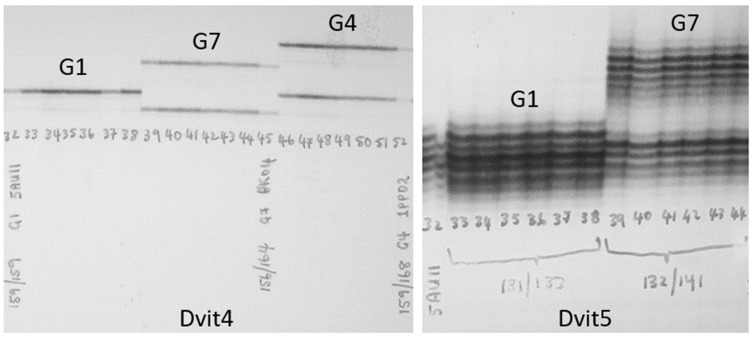 Figure 1
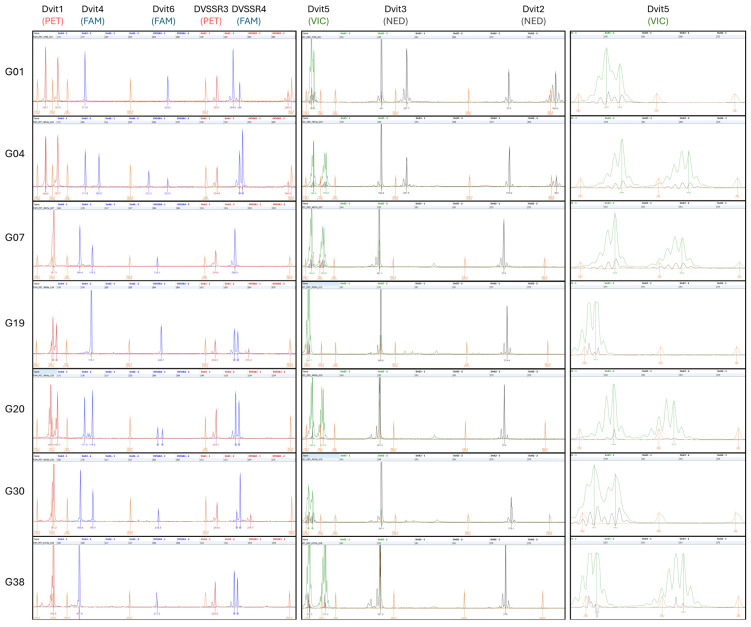 Figure 2
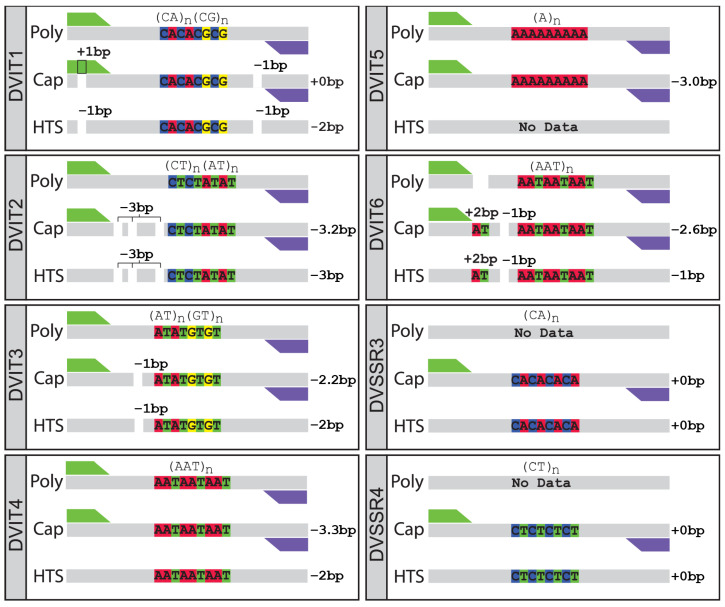 Figure 3
Peer Reviews
No public reviews on file for this paper yet. If you reviewed it on a platform where reviews are public (OpenReview, ICLR, NeurIPS, ICML), you can paste yours below so the community can read it here.
Videos
No videos yet. Explain this paper in a talk, walkthrough, or lecture? Add one.
Taxonomy
TopicsHorticultural and Viticultural Research · Plant Pathogens and Fungal Diseases · Fermentation and Sensory Analysis