Effects of edible bird’s nest and EDTA on cadmium toxicity exposed rats’ embryo production, quality, and pre- and post-embryo transfer pregnancy rates
Anmar Jasim Mohammed, Nurhusien Yimer, Faez Firdaus Abdullah Jesse, Wan Nor Fitri Wan Jaafar, Ainu Husna

TL;DR
This study shows that edible bird's nest (EBN) can protect against cadmium toxicity in rats, improving embryo quality and pregnancy rates more effectively than EDTA.
Contribution
The study provides empirical evidence that EBN at 120 mg/kg is more effective than EDTA in mitigating cadmium-induced reproductive toxicity in rats.
Findings
EBN at 120 mg/kg BW improved blastocyst production and quality compared to cadmium-exposed groups.
Higher pregnancy rates in recipients correlated with better blastocyst scores from EBN-treated donors.
EBN outperformed both lower-dose EBN and EDTA in protecting against cadmium toxicity effects on reproduction.
Abstract
The current study aimed to investigate the prophylactic potential of EBN compared to EDTA in mitigating Cd's toxic effects on pregnancy rates and embryonic development in rats. Ninety-eight female rats (Sprague Dawley) were divided into donor and recipient groups, with donors further divided into seven subgroups, including negative control, Cd-exposed, EBN-treated, and EDTA-treated groups. Embryos from donors were transferred to recipient rats, with EBN and Cd administered for 4 weeks and EDTA given only in the last 5 days for the donor group. Results showed significant differences in pregnancy rates and blastocyst quality. EBN at 120 mg/kg BW led to higher blastocyst production and better quality compared to Cd-exposed groups. The highest pregnancy rates in recipient groups correlated with the highest blastocyst scores from donors. EBN at 120 mg/kg demonstrated significant…
Genes, proteins, chemicals, diseases, species, mutations and cell lines named across the full text — each resolved to its canonical identifier and authoritative record.
Click any figure to enlarge with its caption.
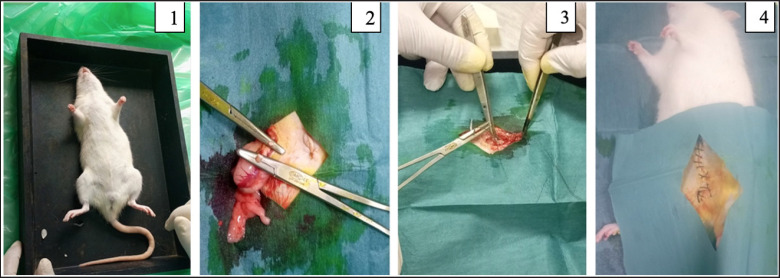 Figure 1
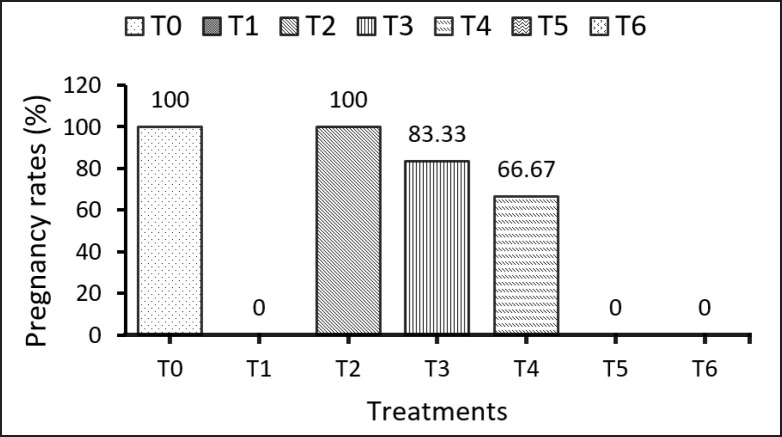 Figure 2
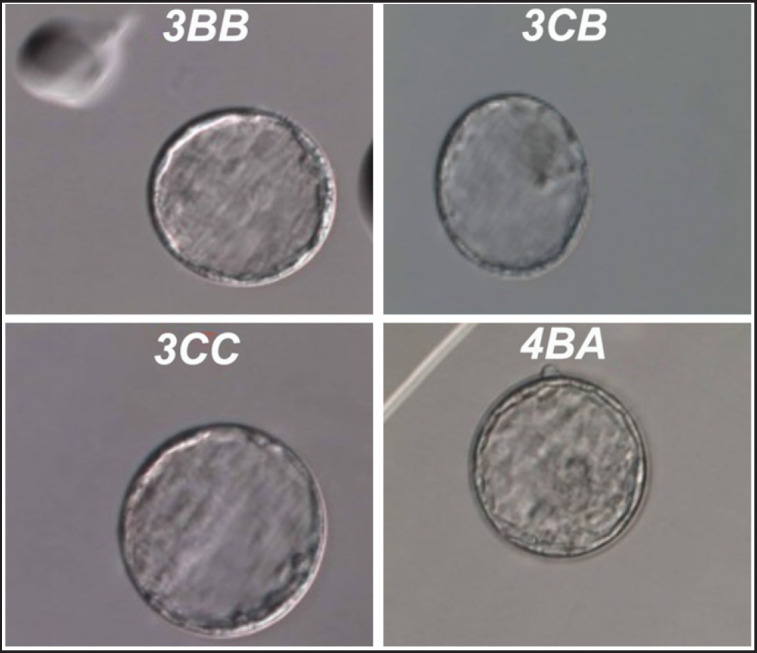 Figure 3
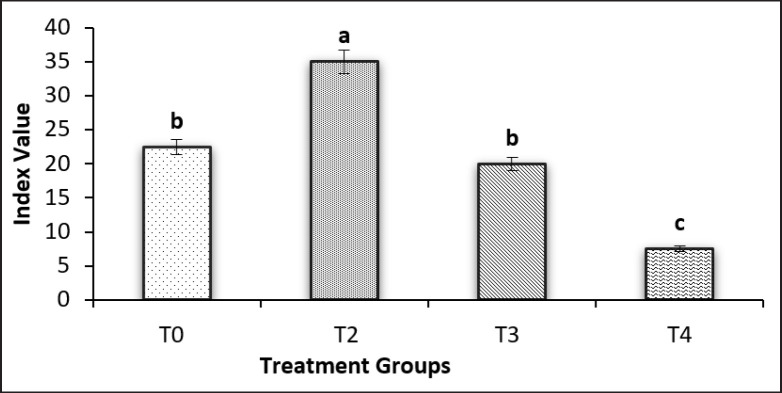 Figure 4
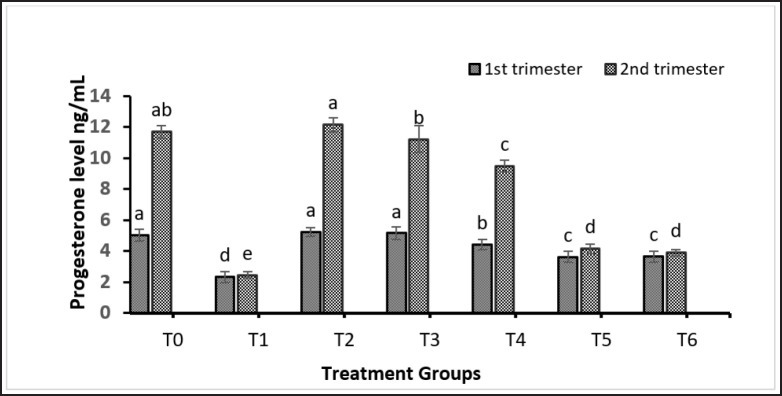 Figure 5
Peer Reviews
No public reviews on file for this paper yet. If you reviewed it on a platform where reviews are public (OpenReview, ICLR, NeurIPS, ICML), you can paste yours below so the community can read it here.
Videos
No videos yet. Explain this paper in a talk, walkthrough, or lecture? Add one.
Taxonomy
TopicsMercury impact and mitigation studies · Identification and Quantification in Food · Heavy Metal Exposure and Toxicity