Mint3 as a Molecular Target Activated in the Early Stage of Hepatocarcinogenesis
Masaki Nishitani, Hikari Okada, Kouki Nio, Tomoyuki Hayashi, Takeshi Terashima, Noriho Iida, Tetsuro Shimakami, Hajime Takatori, Masao Honda, Shuichi Kaneko, Takeharu Sakamoto, Taro Yamashita

TL;DR
Mint3 is activated early in liver cancer development and promotes tumor growth by activating HIF-1-related genes, making it a potential target for early intervention.
Contribution
This study identifies Mint3 as a novel molecular target in the early stages of hepatocarcinogenesis, independent of hypervascularization.
Findings
Mint3 is overexpressed in well-differentiated HCC and activates HIF-1 target genes.
Mint3 knockdown suppresses tumor growth in mice and reduces HIF-1 target gene expression.
Mint3 knockout mice show reduced chemically induced HCC development.
Abstract
Mint3 enhances aerobic ATP production with subsequent nuclear translocation of hypoxia-inducible factor-1 (HIF-1) and activation of angiogenesis-related genes. It remains unclear if and when Mint3 is activated and whether it is involved in hepatocarcinogenesis. We explored the expression of Mint3 in surgically resected hepatocellular carcinoma (HCC) tissues. We evaluated the effects of Mint3 knockdown on spheroid formation capacity and subcutaneous tumor growth in immune-deficient mice. We used Mint3 knockout mice to evaluate the effects of chemically induced HCC development. Mint3 was overexpressed in well-differentiated HCC with the activation of HIF-1 target genes irrespective of the absence of hypervascularization. Mint3 knockdown ameliorated the expression of HIF-1 target genes in patient-derived HCC cell lines and suppressed spheroid formation. Mint3 knockdown further inhibited…
Genes, proteins, chemicals, diseases, species, mutations and cell lines named across the full text — each resolved to its canonical identifier and authoritative record.
Click any figure to enlarge with its caption.
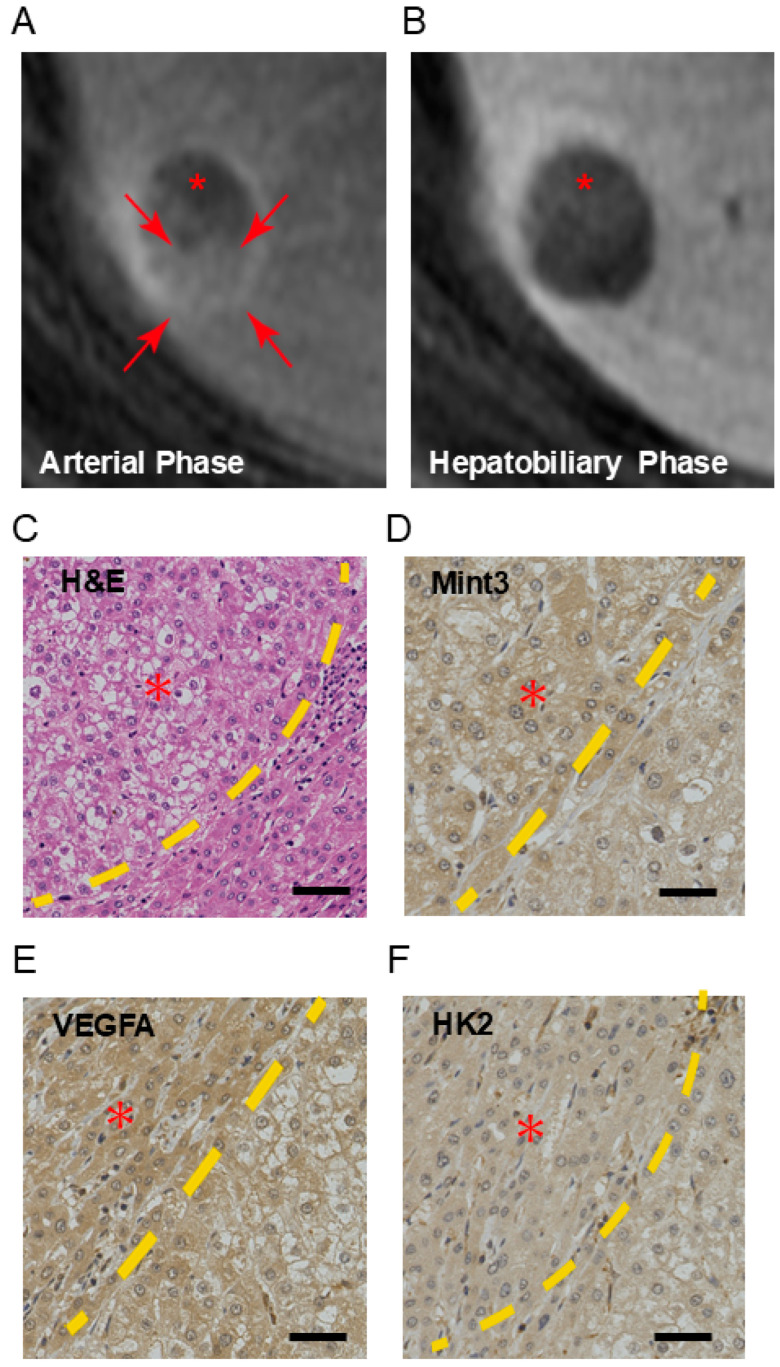 Figure 1
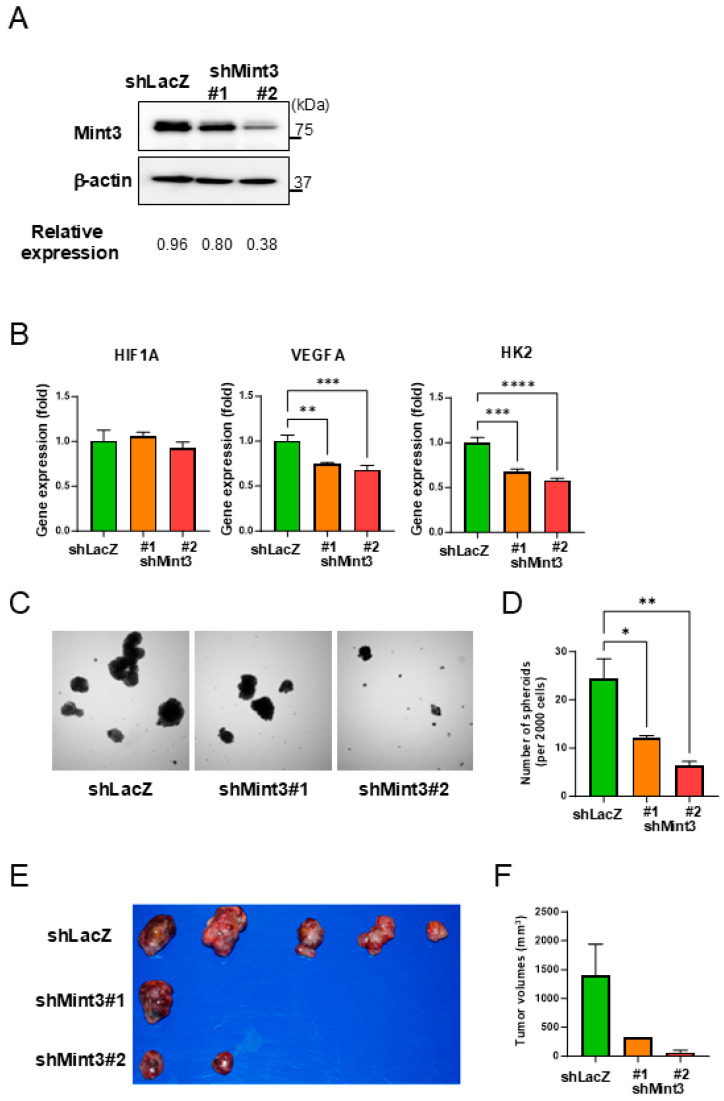 Figure 2
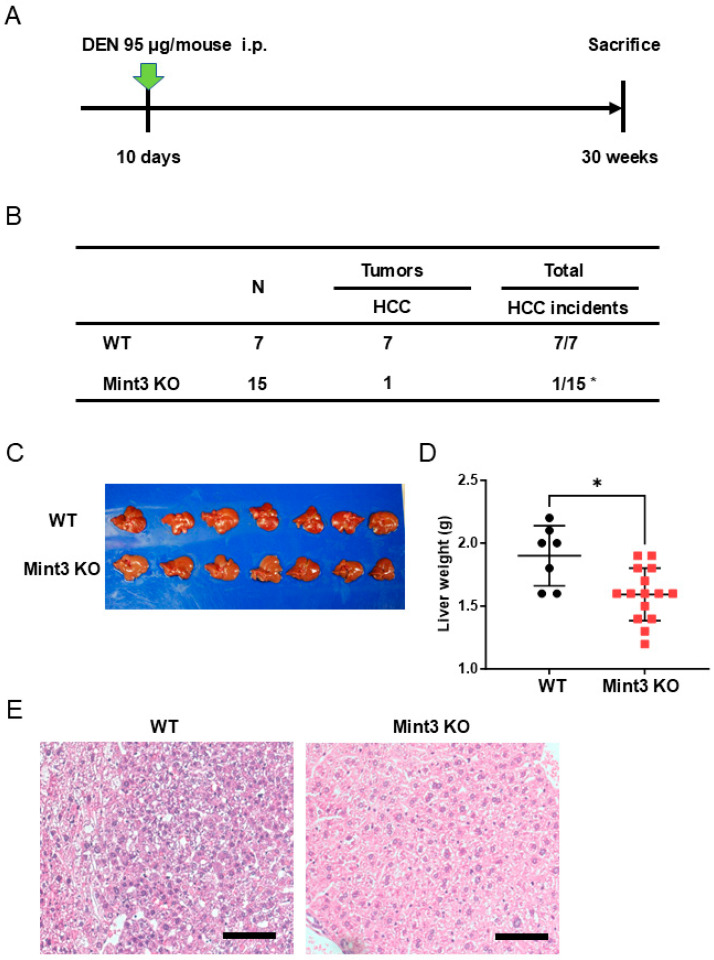 Figure 3
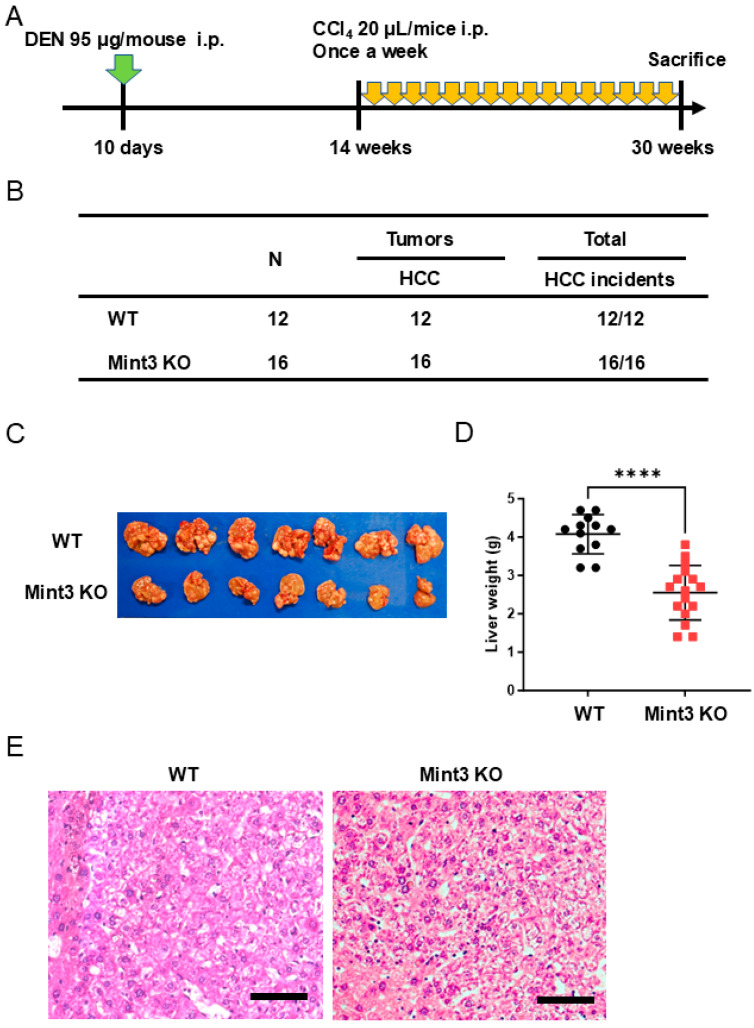 Figure 4
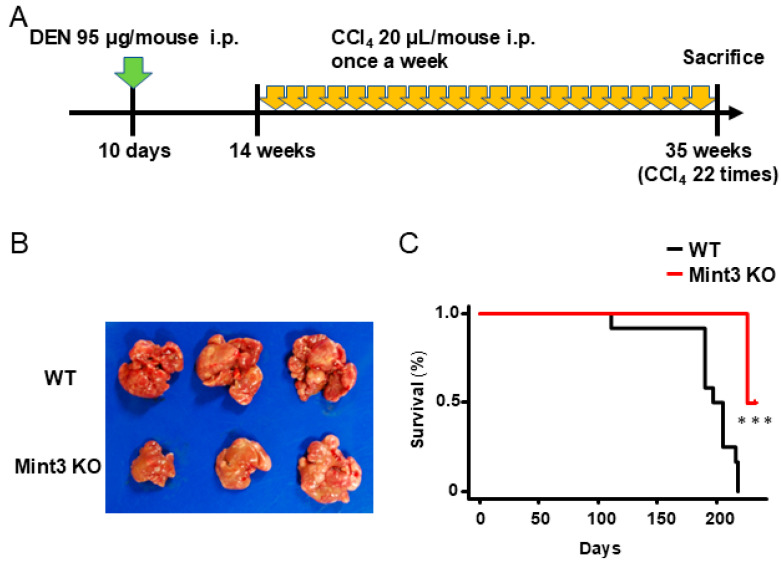 Figure 5
Peer Reviews
No public reviews on file for this paper yet. If you reviewed it on a platform where reviews are public (OpenReview, ICLR, NeurIPS, ICML), you can paste yours below so the community can read it here.
Videos
No videos yet. Explain this paper in a talk, walkthrough, or lecture? Add one.
Taxonomy
TopicsCancer, Hypoxia, and Metabolism · Angiogenesis and VEGF in Cancer · Immune cells in cancer