The Enhancement of Biomass Accumulation, Caffeoylquinic Acid Derivative Production, and Antioxidant Activity of Rhaponticum carthamoides Transformed Roots Cultured in a Nutrient Sprinkle Bioreactor
Ewa Skała, Monika A. Olszewska, Agnieszka Kicel

TL;DR
This study shows that using a nutrient sprinkle bioreactor improves biomass and valuable compound production in a rare plant species.
Contribution
The study introduces a new bioreactor system for enhanced production of caffeoylquinic acids in R. carthamoides.
Findings
The NSB bioreactor achieved the highest dry biomass production (20.4-22.2 g/L).
The NSB bioreactor produced the highest CQA levels (544.5 mg/L) and 5-CQA concentration (7.38 mg/g DW).
The NSB bioreactor is a promising alternative to reduce overharvesting of wild R. carthamoides.
Abstract
Rhaponticum carthamoides (Willd.) Iljin. is an endemic plant species found in Siberia, Mongolia, and Kazakhstan. Its roots and rhizomes are used to treat physical fatigue and weakness following illness. The present study examines the scaling up of caffeoylquinic acid (CQA) derivative and flavonoid production in R. carthamoides transformed roots. The transformed roots were grown in shaken Erlenmeyer flasks of varying volumes (0.5–2 L), a temporary immersion system (TIS) (Rita® and PlantForm bioreactors), and a nutrient sprinkle bioreactor (NSB) in Woody Plant medium for 35 days. The highest dry biomass production was achieved in the 0.5 L and 1 L flasks and in the NSB bioreactor, yielding 22.2 to 20.4 g/L—approximately 14 to 23 times the weight of the inoculum. The accumulation of individual specialized metabolites varied depending on the culture system used. The peak amount of CQAs…
Genes, proteins, chemicals, diseases, species, mutations and cell lines named across the full text — each resolved to its canonical identifier and authoritative record.
Click any figure to enlarge with its caption.
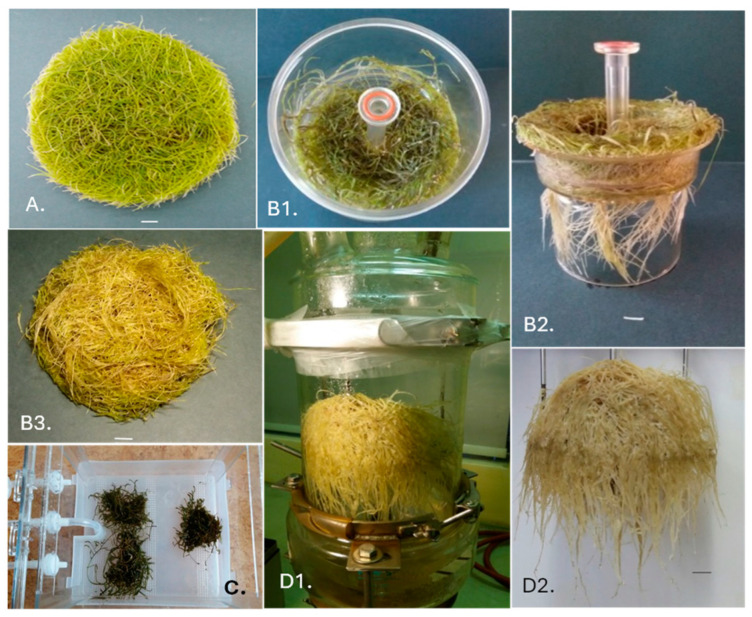 Figure 1
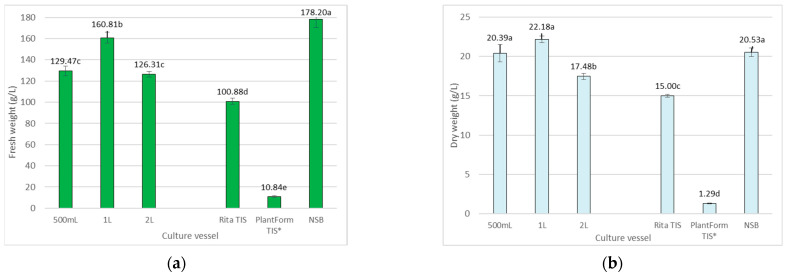 Figure 2
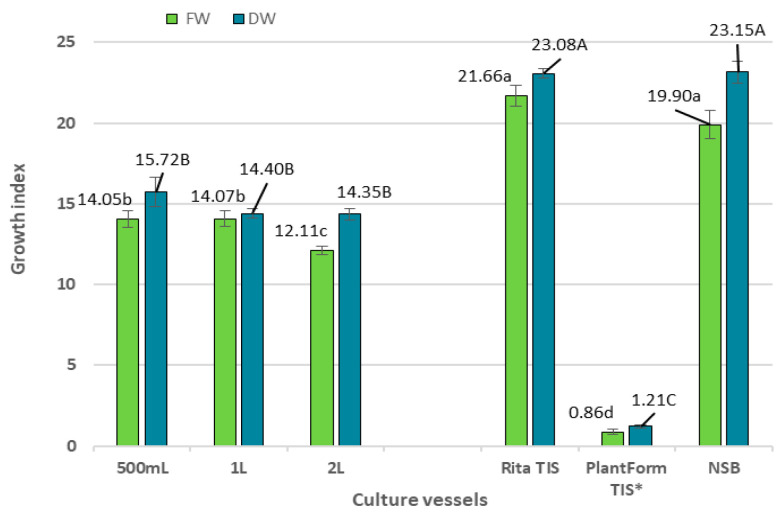 Figure 3
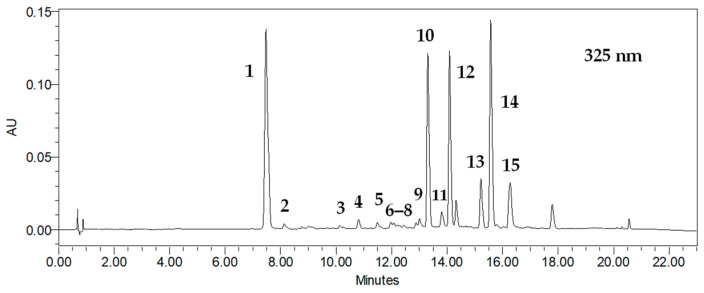 Figure 4
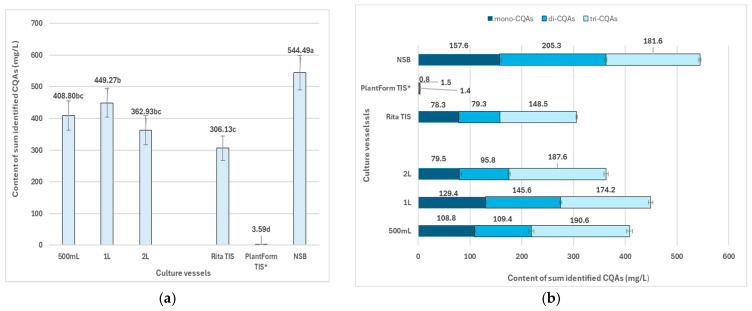 Figure 5
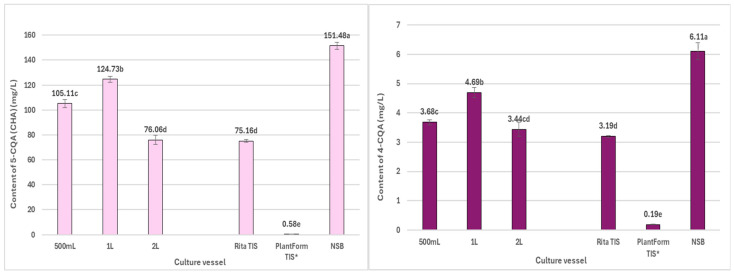 Figure 6
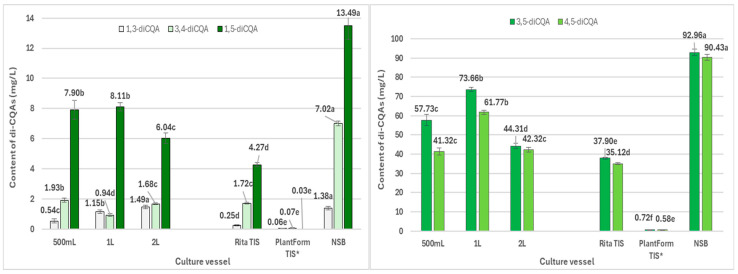 Figure 7
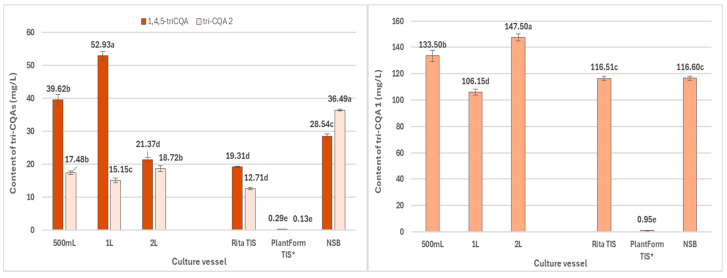 Figure 8
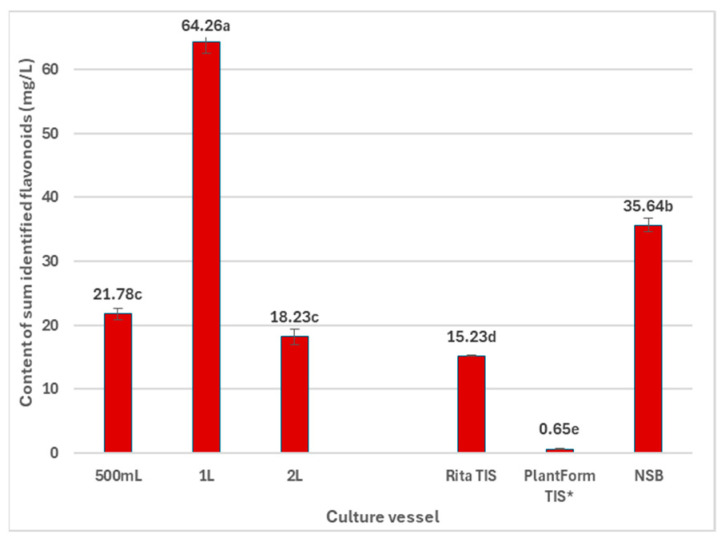 Figure 9
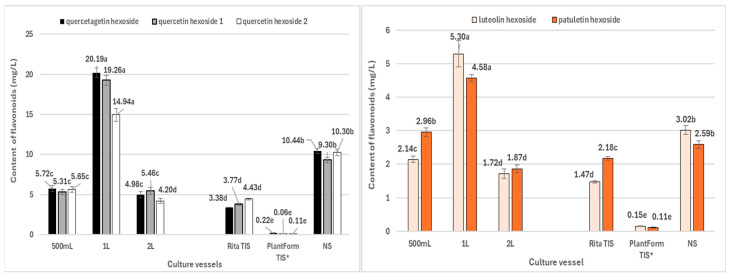 Figure 10
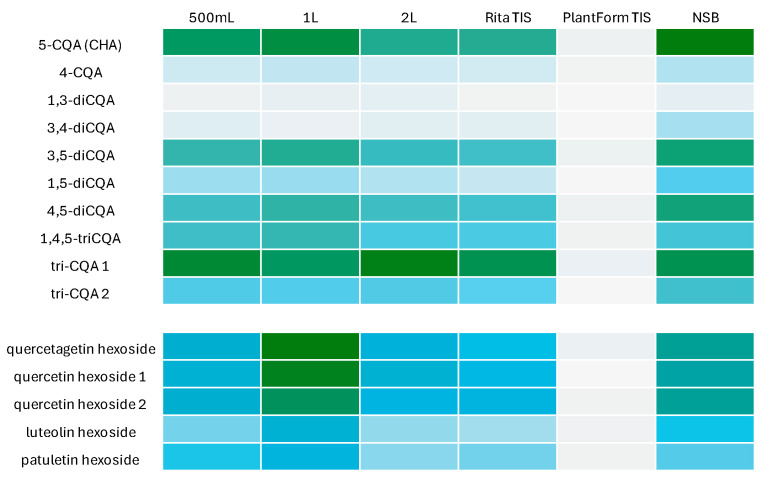 Figure 11
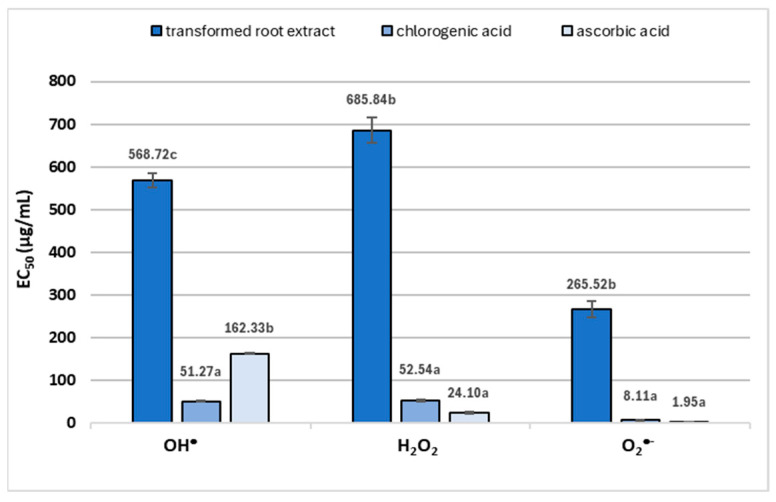 Figure 12
Peer Reviews
No public reviews on file for this paper yet. If you reviewed it on a platform where reviews are public (OpenReview, ICLR, NeurIPS, ICML), you can paste yours below so the community can read it here.
Videos
No videos yet. Explain this paper in a talk, walkthrough, or lecture? Add one.
Taxonomy
TopicsPlant tissue culture and regeneration · Fungal Biology and Applications · Plant Molecular Biology Research