Effects of Pilates Training Combined with Fascial Massage on Upper Cross Syndrome in Office Workers
Liao Jiang, Yada Thadanatthaphak, Kukiat Tudpor

TL;DR
This study found that combining Pilates training with fascial massage improves posture, reduces pain, and enhances quality of life more effectively than Pilates alone for office workers with upper crossed syndrome.
Contribution
The study introduces the combined use of Pilates and fascial massage as a novel intervention for upper crossed syndrome.
Findings
The experimental group showed significant improvements in posture, pain, and cervical mobility compared to the control group.
Muscle activation in the upper trapezius and pectoralis major was significantly higher in the experimental group.
Quality of life metrics improved more in the experimental group than in the control group.
Abstract
Objective: Upper crossed syndrome (UCS) is an abnormal upper extremity movement pattern characterized by muscle tightness in the neck, shoulders, and upper back, coupled with weakness in opposing muscle groups. This study aimed to investigate the effectiveness of Pilates training combined with fascial massage as an intervention in office workers with UCS. Methods: 34 subjects were recruited and randomly divided into an experimental group (n = 17) and a control group (n = 17). The control group underwent 12 weeks of Pilates training, and the experimental group received 12 weeks of Pilates training combined with fascial massage. Body posture was assessed using the forward head angle (FHA) and forward shoulder angle (FSA), joint mobility was evaluated using cervical spine range of motion (ROM), muscle activity was assessed using surface electromyography (sEMG), and quality of life was…
Genes, proteins, chemicals, diseases, species, mutations and cell lines named across the full text — each resolved to its canonical identifier and authoritative record.
Click any figure to enlarge with its caption.
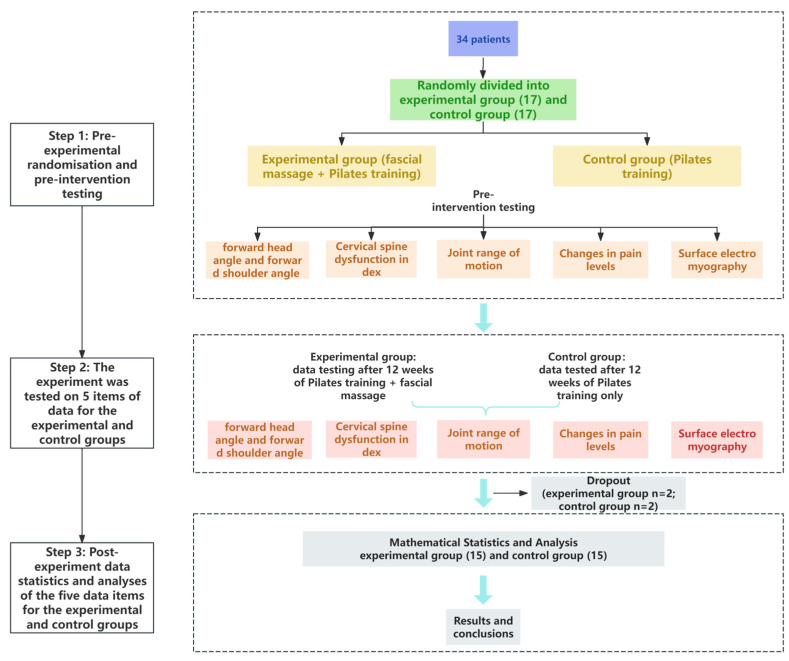 Figure 1
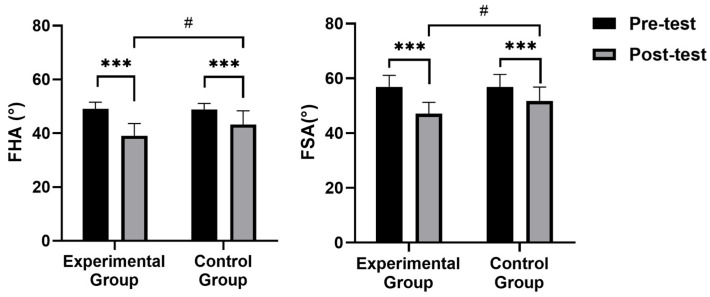 Figure 2
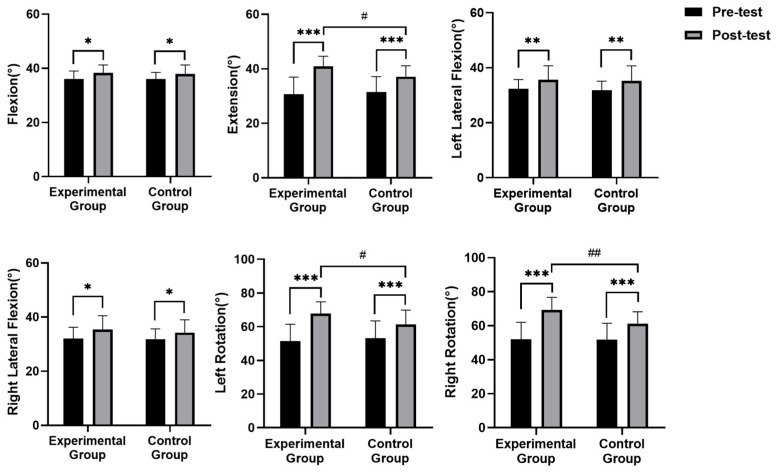 Figure 3
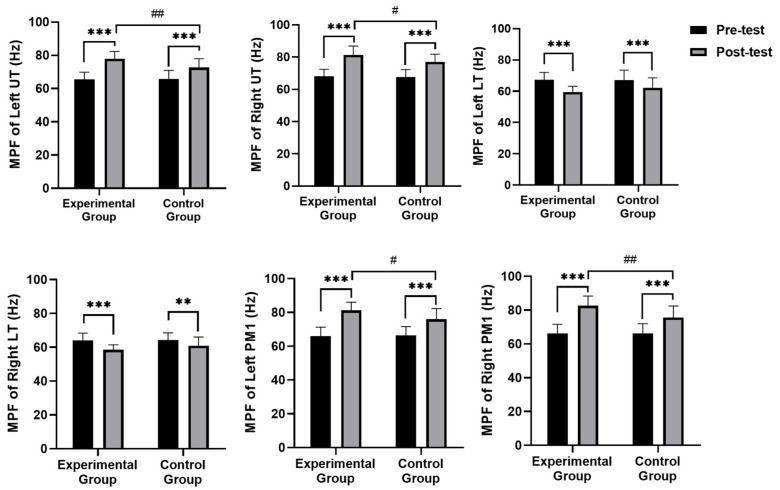 Figure 4
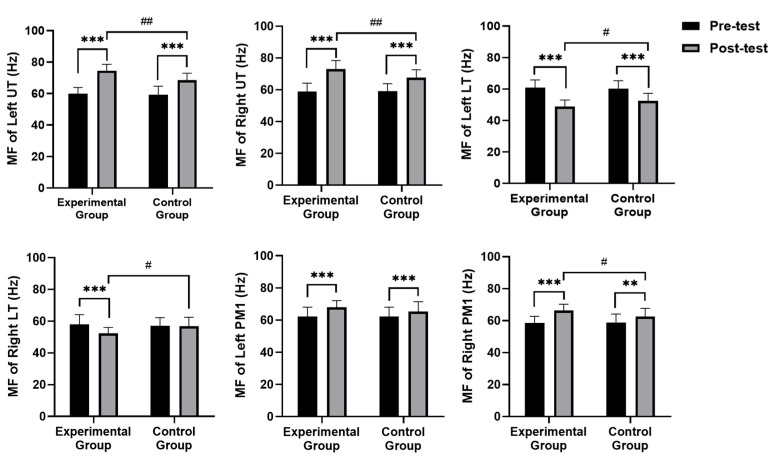 Figure 5
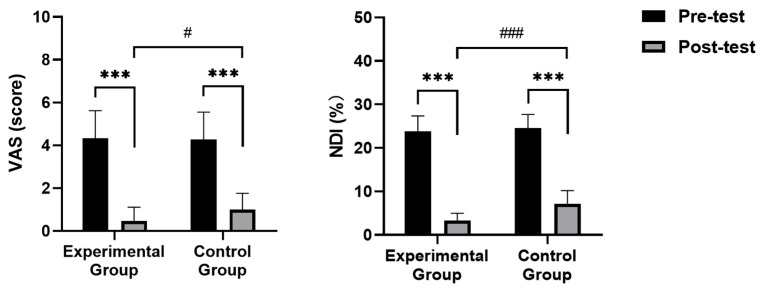 Figure 6
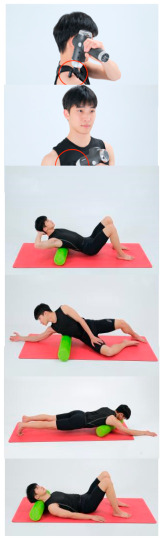 Figure 7
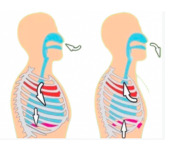 Figure 8
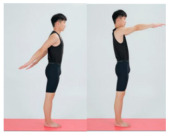 Figure 9
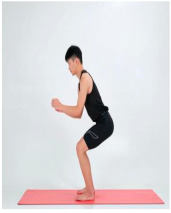 Figure 10
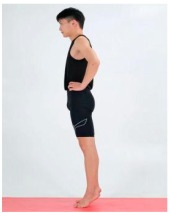 Figure 11
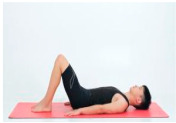 Figure 12
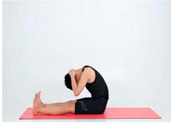 Figure 13
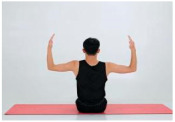 Figure 14
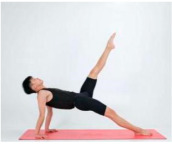 Figure 15
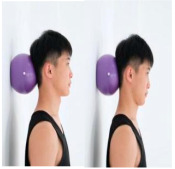 Figure 16
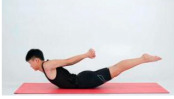 Figure 17
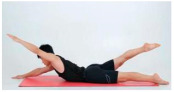 Figure 18
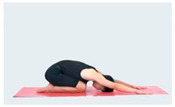 Figure 19
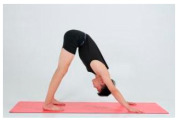 Figure 20
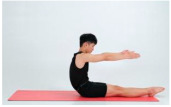 Figure 21
Peer Reviews
No public reviews on file for this paper yet. If you reviewed it on a platform where reviews are public (OpenReview, ICLR, NeurIPS, ICML), you can paste yours below so the community can read it here.
Videos
No videos yet. Explain this paper in a talk, walkthrough, or lecture? Add one.
Taxonomy
TopicsMusculoskeletal pain and rehabilitation · Myofascial pain diagnosis and treatment · Ergonomics and Musculoskeletal Disorders