Eradication of Yellow Crazy Ants, Anoplolepis gracileps Smith, from Lismore and Statistical Proof of Freedom Using Scenario Tree Analysis
Robyn Henderson, Scott Charlton, Catherine Fraser, Barbara Moloney, Evan S. G. Sergeant, Bernard C. Dominiak

TL;DR
This paper describes the eradication of yellow crazy ants in Lismore, Australia, and uses statistical analysis to determine when eradication efforts can safely stop.
Contribution
The paper introduces scenario tree analysis to provide statistical proof of eradication success for invasive species.
Findings
Scenario tree analysis predicted a 70.4% probability of freedom for one detected nest.
The probability of freedom increased to 98% for five nests using the same analysis.
The method helped inform when to terminate eradication and surveillance activities.
Abstract
Exotic insects frequently invade countries, and many countries attempt to eradicate these exotic incursions. Regulatory authorities continue to monitor infested areas to understand whether the eradication methods were working and, finally, whether the eradication was successful. A common problem is how long should eradication and monitoring continue after the last invader is detected, because these are costly activities. We use the example of yellow crazy ant detection and eradication. Here, we used the statistical analysis of probabilities using scenario tree analysis to predict the likelihood of eradication based on different assumptions. This methodology has been used in both plant and animal kingdoms and will assist decision makers regarding when to cease activities. Yellow crazy ants (YCAs) are an invasive ant with a pantropical distribution, largely due to the international…
Genes, proteins, chemicals, diseases, species, mutations and cell lines named across the full text — each resolved to its canonical identifier and authoritative record.
Click any figure to enlarge with its caption.
 Figure 1
 Figure 2
 Figure 3
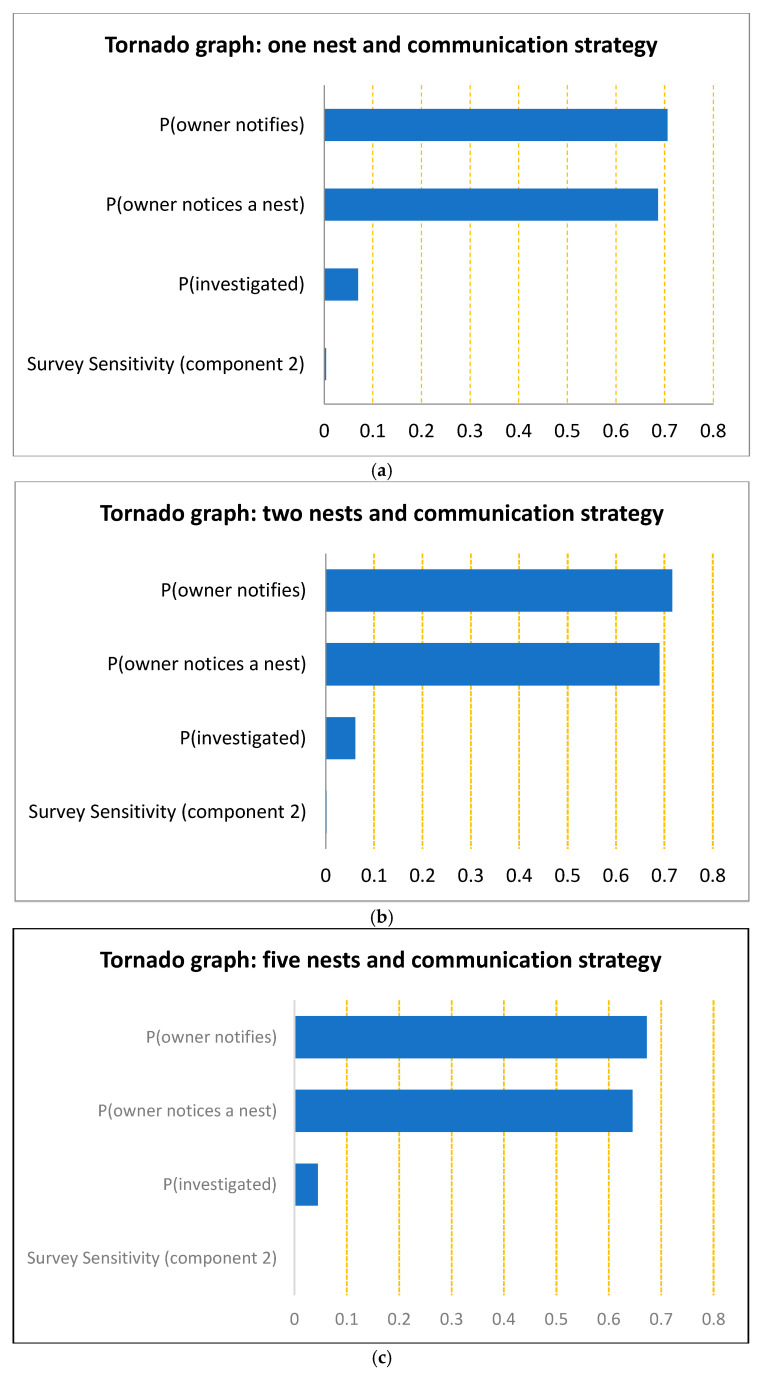 Figure 4
Peer Reviews
No public reviews on file for this paper yet. If you reviewed it on a platform where reviews are public (OpenReview, ICLR, NeurIPS, ICML), you can paste yours below so the community can read it here.
Videos
No videos yet. Explain this paper in a talk, walkthrough, or lecture? Add one.
Taxonomy
TopicsInsect and Arachnid Ecology and Behavior · Plant and animal studies · Insect and Pesticide Research