Optimizing duodenal tissue acquisition for mechanistic studies of duodenal ablation in type 2 diabetes
Celine B.E. Busch, Kim van den Hoek, E. Andra Neefjes-Borst, Max Nieuwdorp, Annieke C.G. van Baar, Jacques J.H.G.M. Bergman

TL;DR
Researchers developed a safer and more effective way to collect duodenal tissue for studying how ablation affects type 2 diabetes and metabolic syndrome.
Contribution
An optimized tissue acquisition protocol using cold snare resections for high-quality histological and scRNA-seq analysis of duodenum.
Findings
Eighty percent of specimens showed optimal tissue orientation with minimal damage.
High-quality tissue dissociation for scRNA-seq was achieved in 72% of samples in DIRECT and 92% in EMINENT-2.
No severe adverse events occurred during the procedure in either study.
Abstract
Histological analysis of regular duodenal biopsies to study morphologic changes after duodenal ablation for type 2 diabetes (T2D) and metabolic syndrome is hampered by variability in tissue orientation. We designed an optimized tissue acquisition protocol using duodenal cold snare resections to create tissue microarrays (TMAs) and to allow for single-cell RNA sequencing (scRNA-seq). The open-label DIRECT study included patients undergoing an upper gastrointestinal interventional endoscopy for non-duodenal indications. All underwent one ot two single-piece duodenal cold snare resections. Endpoints were safety, adequate histological orientation of specimen and TMA, and tissue dissociation quality for scRNA-seq. The optimized tissue acquisition protocol was validated in a duodenal ablation study, EMINENT-2. In DIRECT, nine patients were included in whom a total of 16 cold snare…
Genes, proteins, chemicals, diseases, species, mutations and cell lines named across the full text — each resolved to its canonical identifier and authoritative record.
Click any figure to enlarge with its caption.
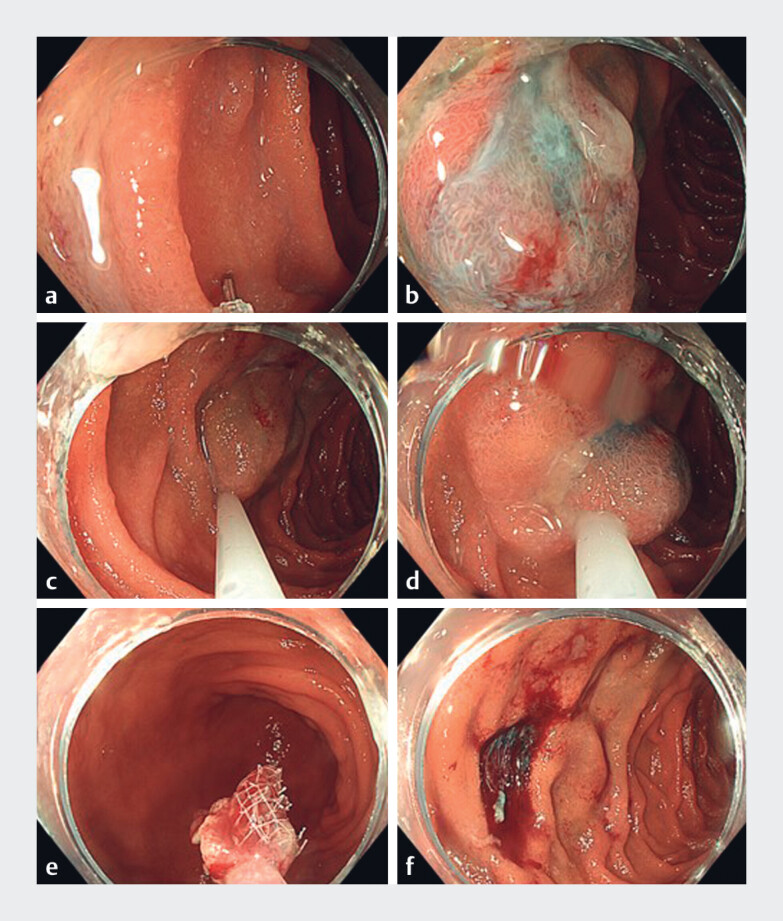 Figure 1
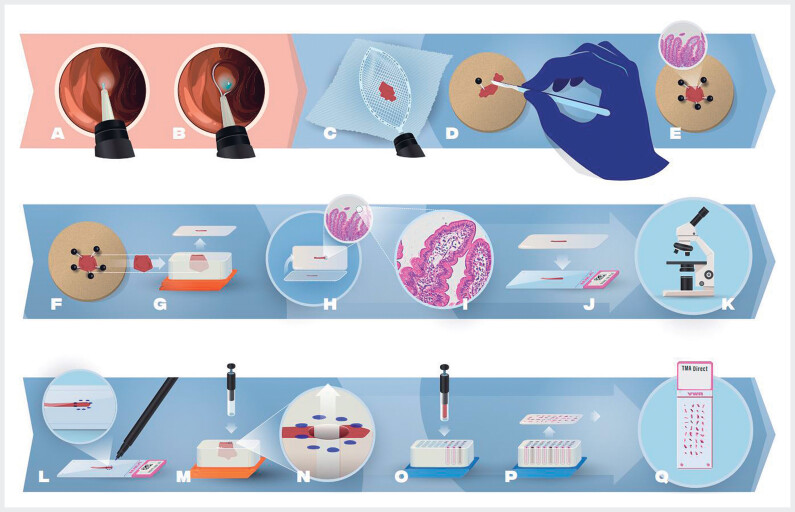 Figure 2
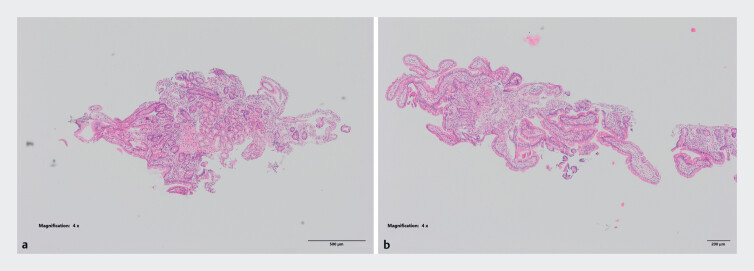 Figure 3
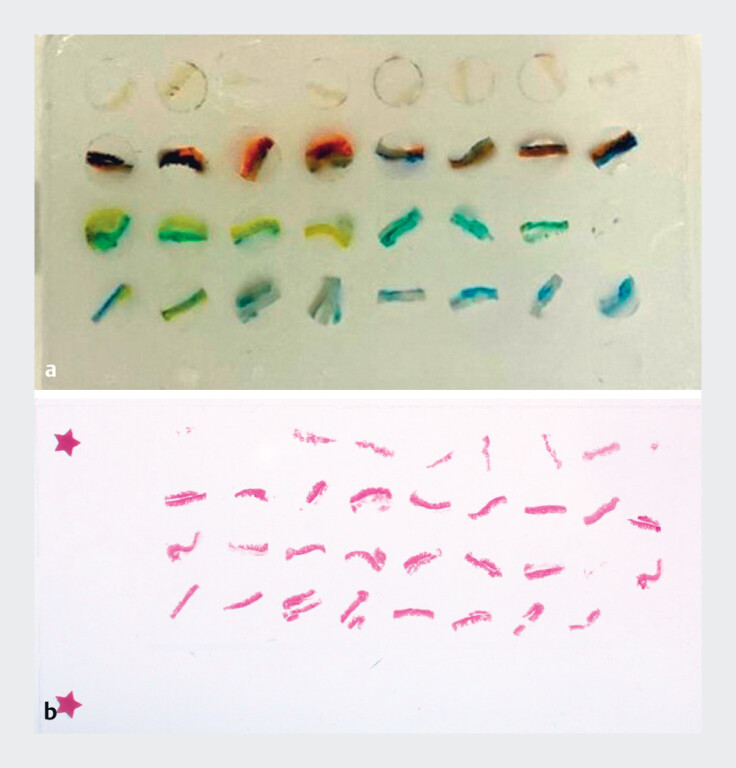 Figure 4
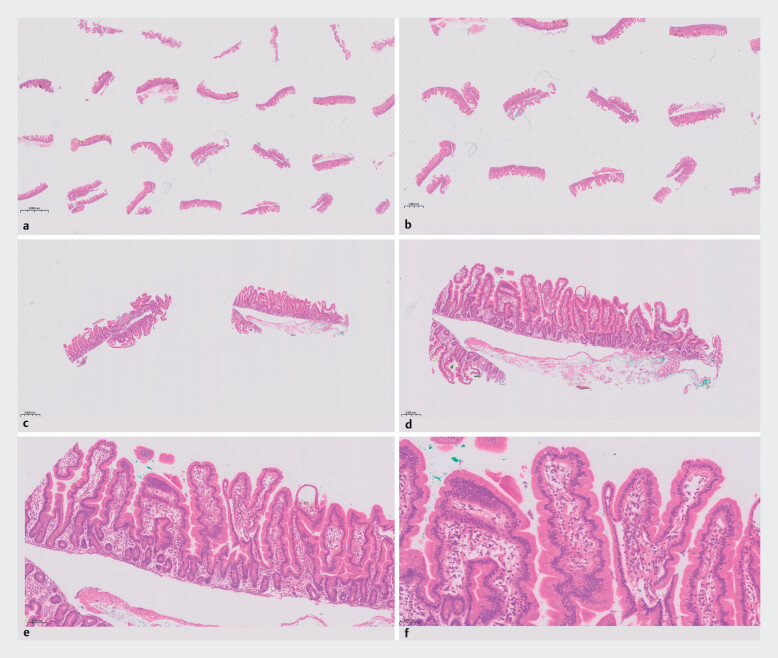 Figure 5
Peer Reviews
No public reviews on file for this paper yet. If you reviewed it on a platform where reviews are public (OpenReview, ICLR, NeurIPS, ICML), you can paste yours below so the community can read it here.
Videos
No videos yet. Explain this paper in a talk, walkthrough, or lecture? Add one.
Taxonomy
TopicsGastroesophageal reflux and treatments · Cardiovascular Function and Risk Factors · Bariatric Surgery and Outcomes