Implementation and Evaluation of a Training Program to Improve Patient Navigators’ Competencies: A Quasi-Experiment at a Public Tertiary Hospital in China
Shuo Liu, Weiwei Tang, Qing Chang, Jueming Lei, Haitao Yue, Linjie Hou, Laura Morlock

TL;DR
A training program improved patient navigators' skills in a Chinese hospital, boosting their competency scores and patient satisfaction, though effects slightly declined over time.
Contribution
The study introduces a competency-based training program for patient navigators using the PDCA framework and Miller’s Pyramid Model, validated through a quasi-experimental design.
Findings
PN competency scores increased significantly after training but slightly declined after 6 months.
Patient satisfaction with PN services improved modestly over the 6-month period.
Theoretical knowledge application posed challenges, suggesting the need for differentiated training approaches.
Abstract
Background/Objectives: Patient navigation is vital for improving healthcare accessibility and patient experience in China’s public hospitals, where high patient demand meets limited medical resources. Patient navigators (PNs) assist patients through the complex healthcare system, but the lack of standardized training and evaluation hampers their ability to meet patient needs. This study piloted a Competencies Improvement Training Program (CITP) in a tertiary hospital to clarify PN competencies, design a feasible curriculum, assess its efficacy, and share insights with peer hospitals. Methods: The CITP used the Plan–Do–Check–Act (PDCA) framework and designed a curriculum with Miller’s Pyramid Model. Over 6 months, eight sessions were conducted, including theory, case studies, etc. The quasi-experimental design compared PN competencies and patient satisfaction before and after. Multiple…
Genes, proteins, chemicals, diseases, species, mutations and cell lines named across the full text — each resolved to its canonical identifier and authoritative record.
Click any figure to enlarge with its caption.
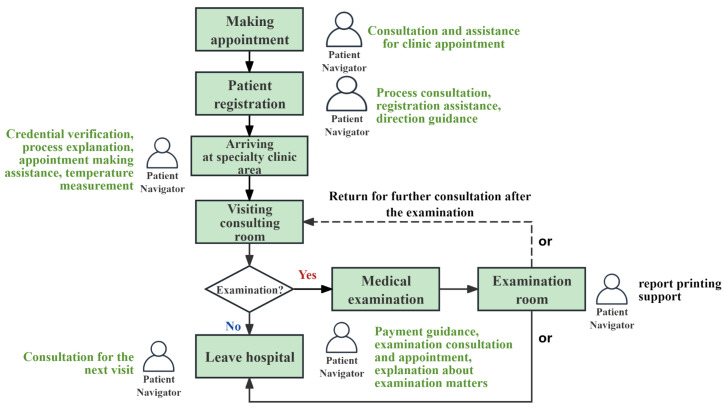 Figure 1
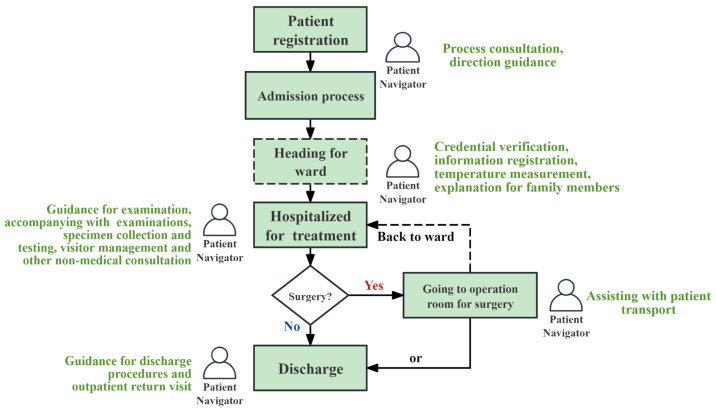 Figure 2
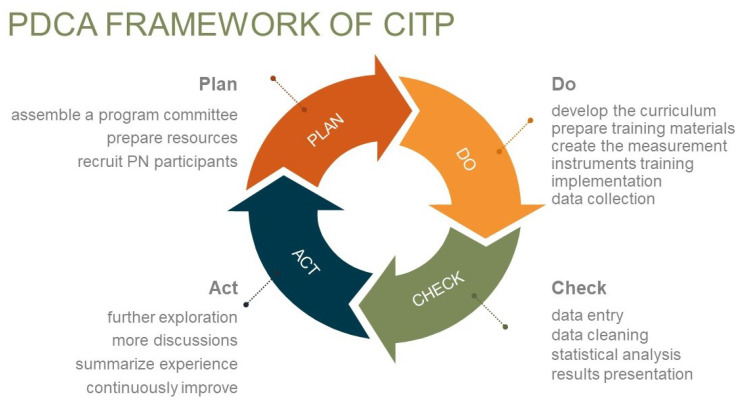 Figure 3
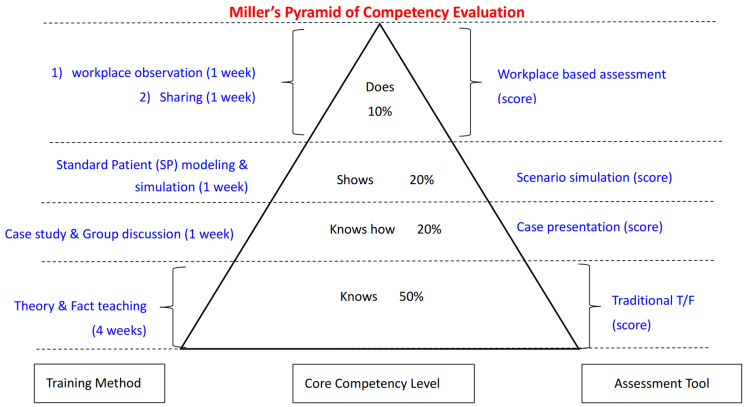 Figure 4
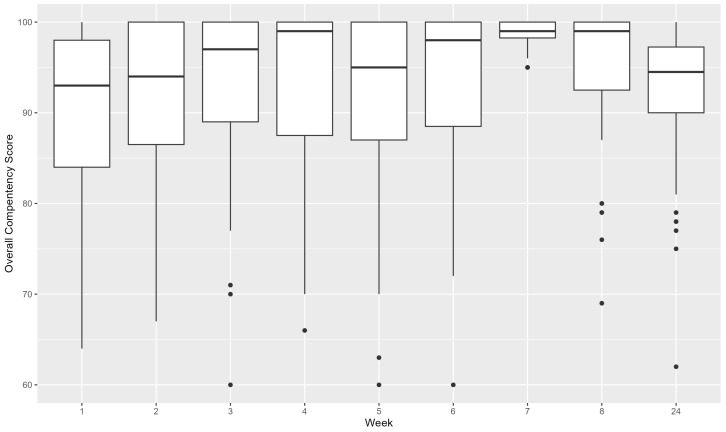 Figure 5
 Figure 6
 Figure 7
 Figure 8
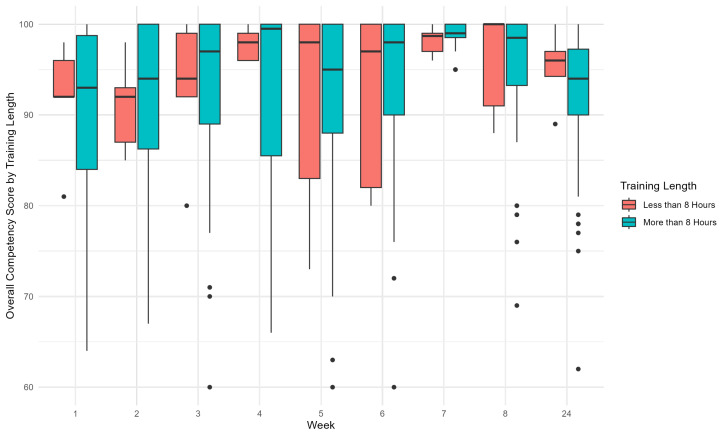 Figure 9
 Figure 10
 Figure 11
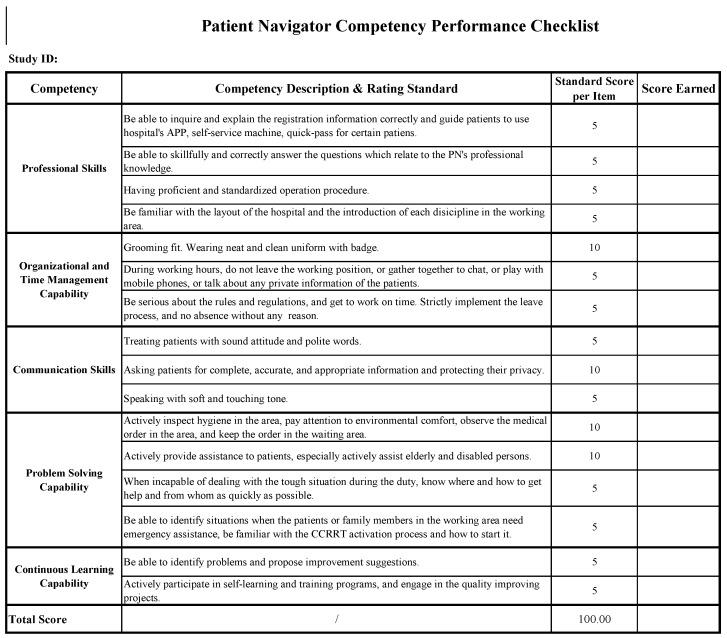 Figure 12
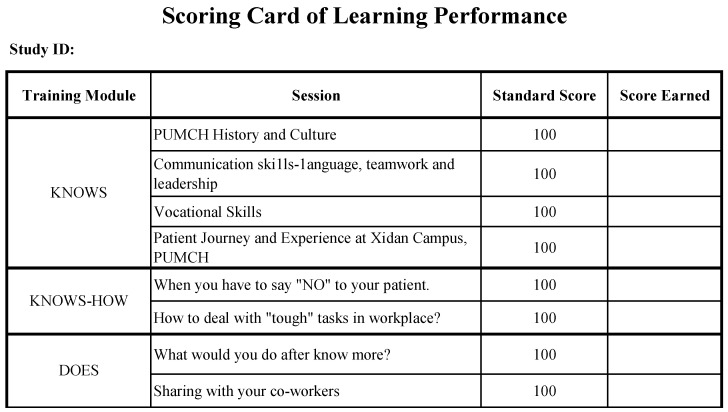 Figure 13
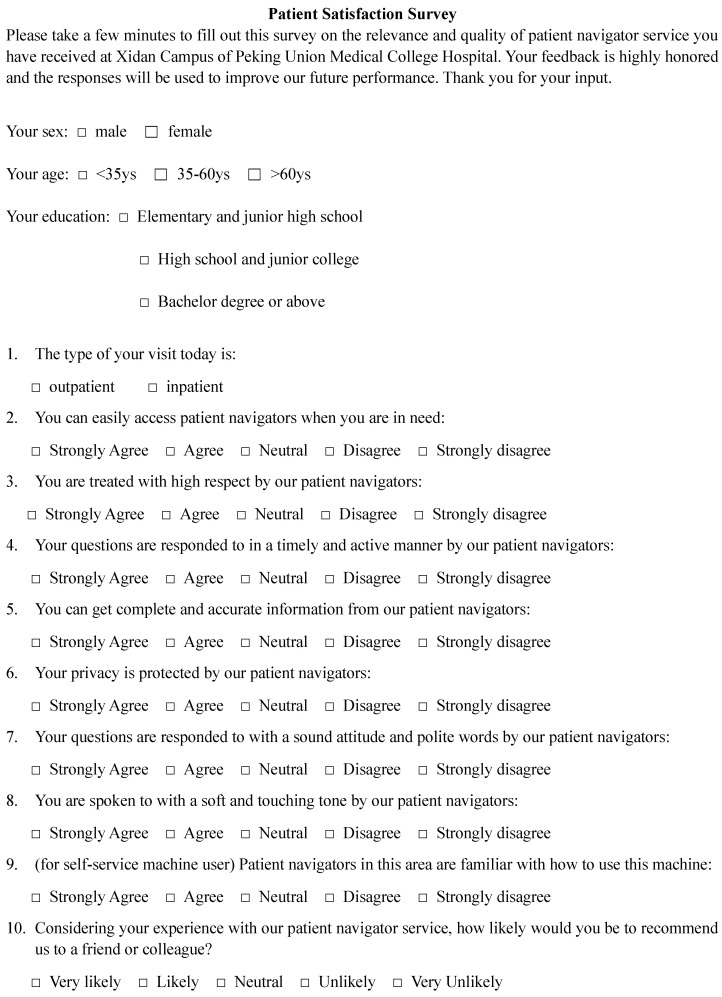 Figure 14
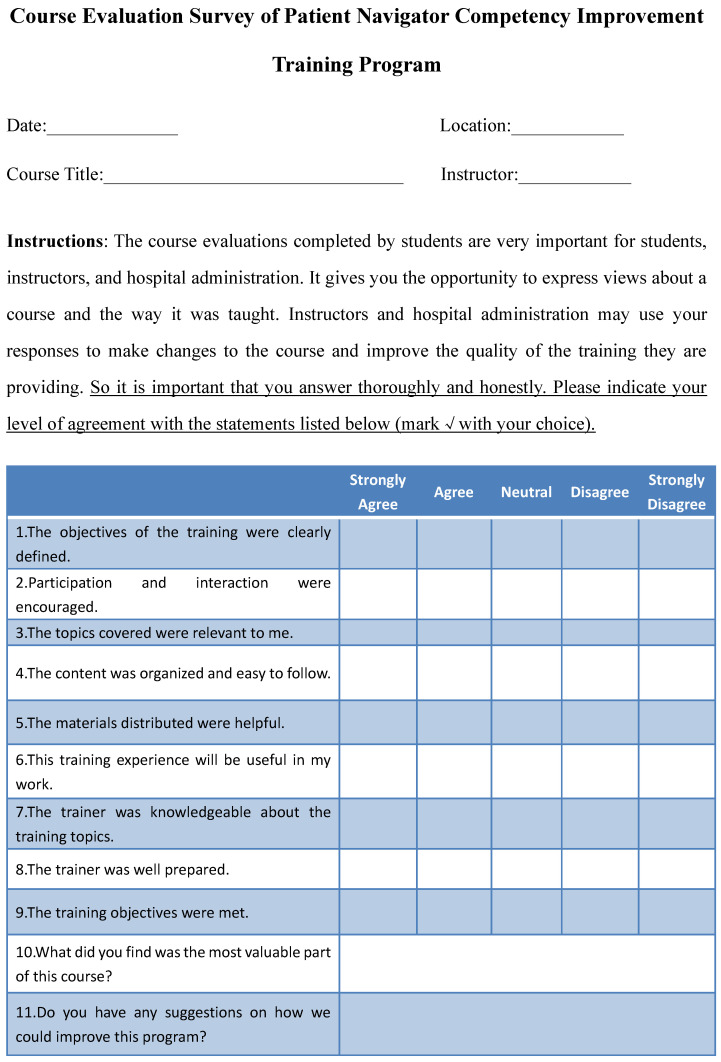 Figure 15
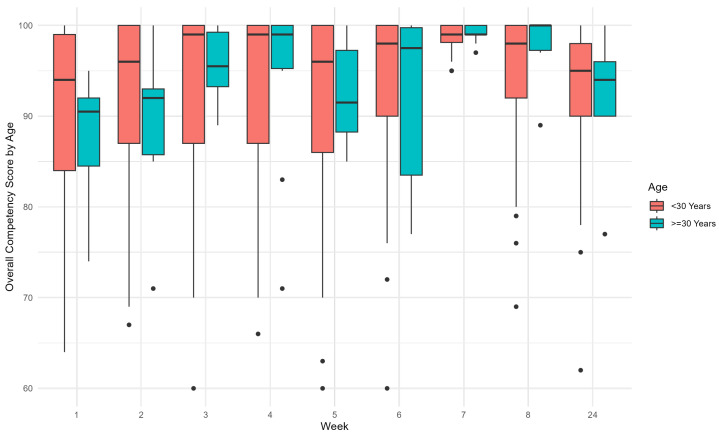 Figure 16
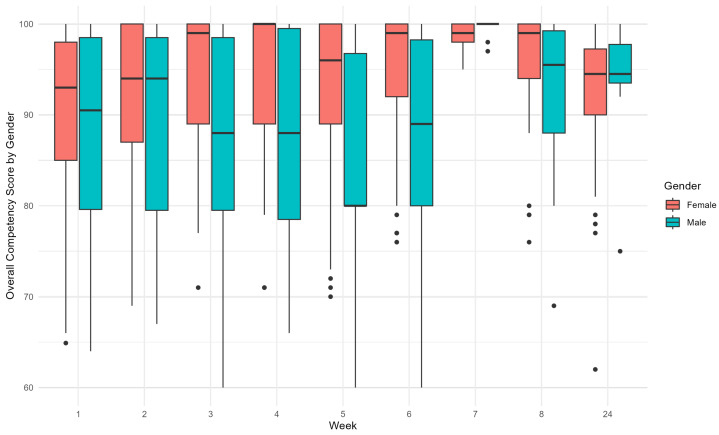 Figure 17
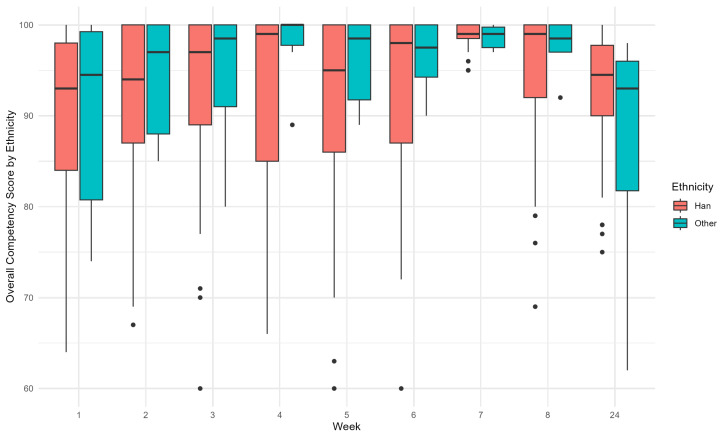 Figure 18
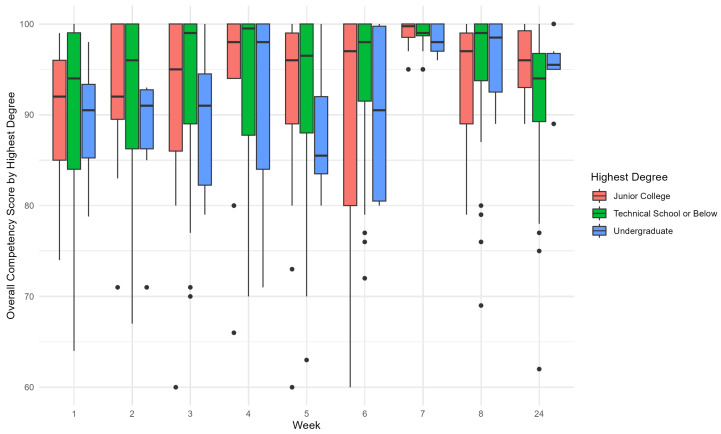 Figure 19
Peer Reviews
No public reviews on file for this paper yet. If you reviewed it on a platform where reviews are public (OpenReview, ICLR, NeurIPS, ICML), you can paste yours below so the community can read it here.
Videos
No videos yet. Explain this paper in a talk, walkthrough, or lecture? Add one.
Taxonomy
TopicsHuman Resource Development and Performance Evaluation · Cardiac, Anesthesia and Surgical Outcomes · Patient Safety and Medication Errors