Inhibition Effects and Mechanism Study of rAj-HRP30, a Recombinant Histidine-Rich Peptide from Apostichopus japonicus, on the Viability of Pancreatic Ductal Adenocarcinoma Cells Panc01 and Panc02
Yuyao Song, Shan Gao, Jingwei Jiang, Yuebin Zhang, Jingyu Zhang, Xiaona Wang, Li Lv, Zunchun Zhou, Jihong Wang

TL;DR
A new histidine-rich peptide, rAj-HRP30, inhibits pancreatic cancer cell growth and migration by targeting specific signaling pathways.
Contribution
rAj-HRP30 is a novel recombinant histidine-rich peptide engineered for antitumor activity against pancreatic cancer cells.
Findings
rAj-HRP30 inhibits adhesion, migration, and invasion of Panc01 and Panc02 cells in a dose-dependent manner.
The peptide induces apoptosis by modulating Bcl-2, Caspase, and PARP1 expression in Panc02 cells.
rAj-HRP30 disrupts FGFR1-related signaling and downstream pathways like FYN, FAK, and PI3K/AKT.
Abstract
rAj-HRP30 is a recombinant peptide derived from the wild-type rAj-HRP of Apostichopus japonicus through a gene-shortening mutation. It has a high histidine content (53.3% in its primary structure) and a molecular weight of 3.919 kDa, classifying it as a histidine-rich peptide. The literature reports indicate that human histidine-rich peptides exhibit antitumor activity. Previous research by our group demonstrated similar properties in rAj-HRP, the precursor of rAj-HRP30. Therefore, this study used Panc01 (human) and Panc02 (mouse) cells—highly malignant models with limited targeted therapies—to investigate the antitumor activity and mechanisms of rAj-HRP30 and evaluate its potential for pancreatic cancer treatment. This study designed a gene-shortening strategy for rAj-HRP and artificially synthesized the gene sequence of rAj-HRP30. The cDNA sequence of rAj-HRP30 was cloned into the…
Genes, proteins, chemicals, diseases, species, mutations and cell lines named across the full text — each resolved to its canonical identifier and authoritative record.
Click any figure to enlarge with its caption.
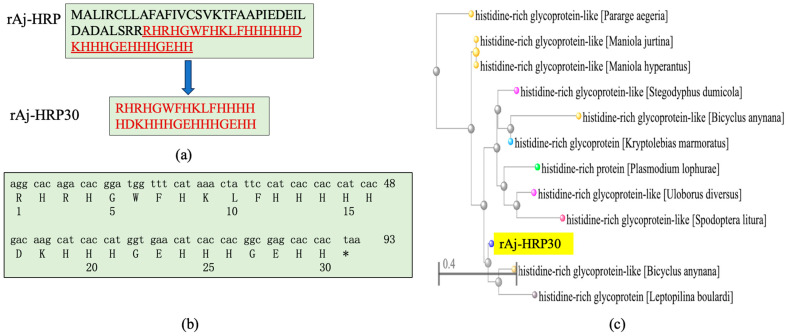 Figure 1
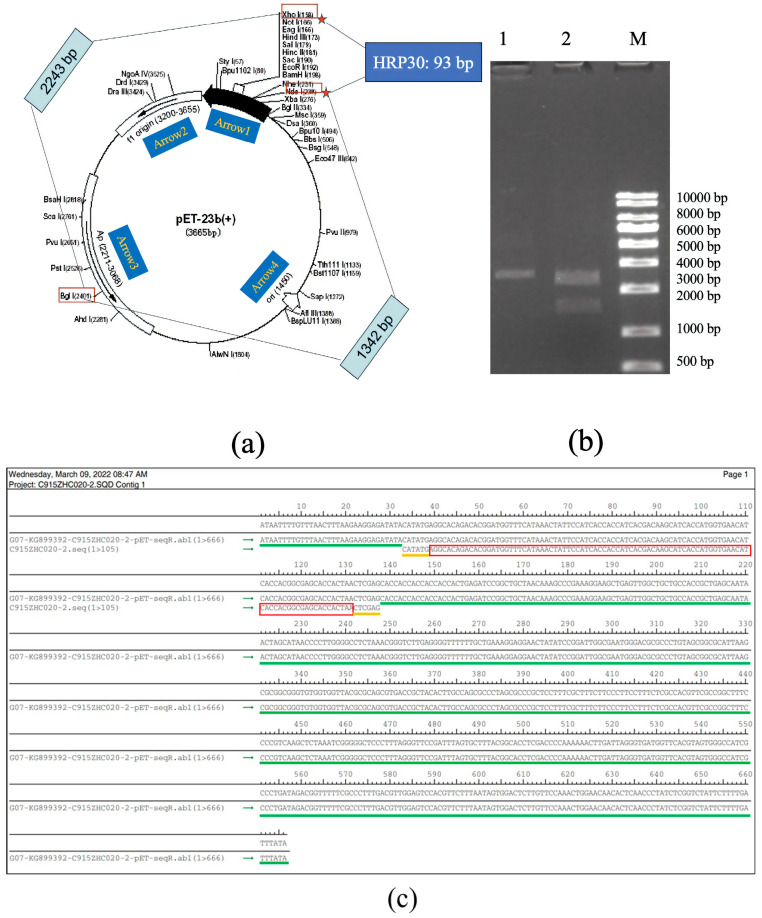 Figure 2
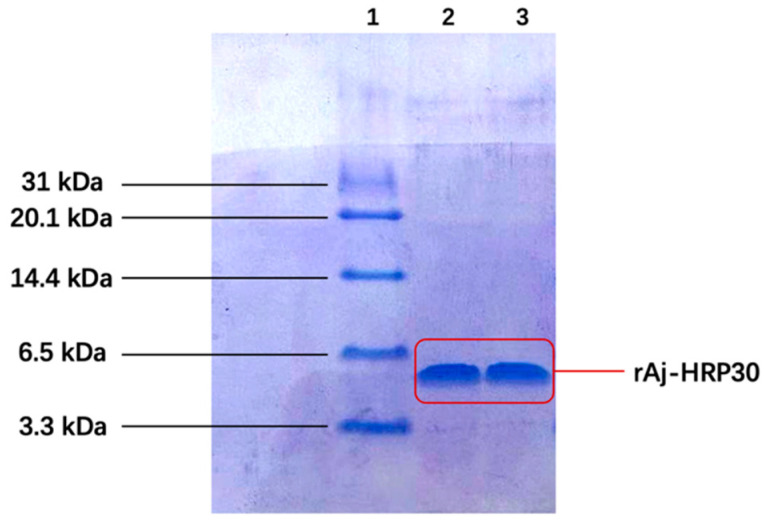 Figure 3
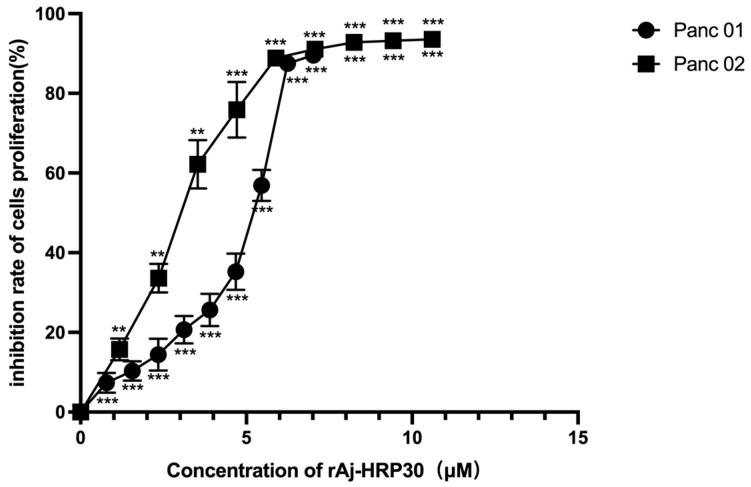 Figure 4
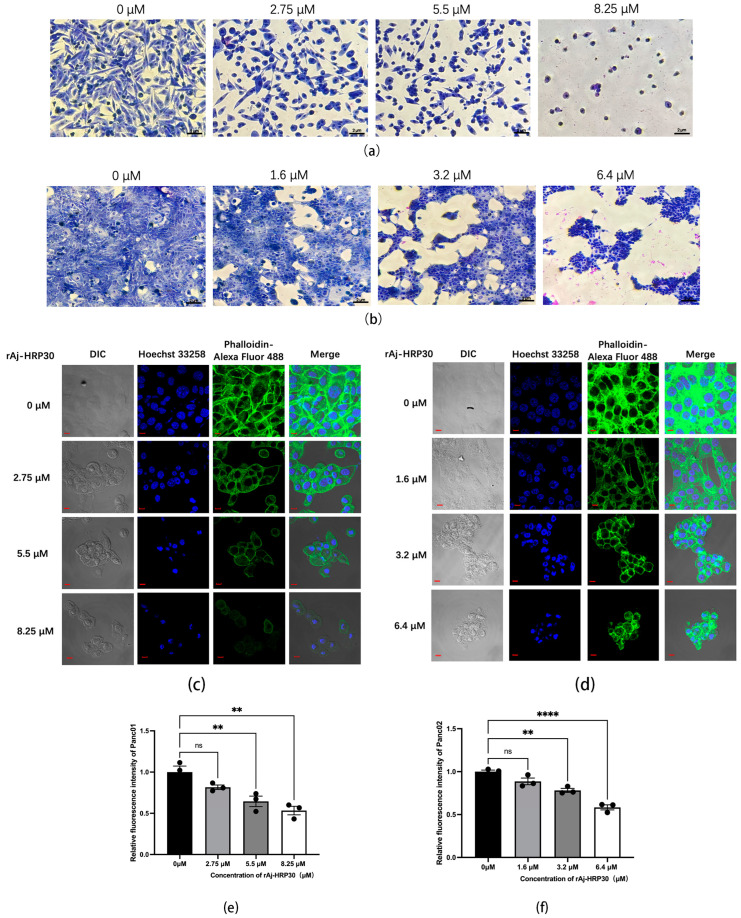 Figure 5
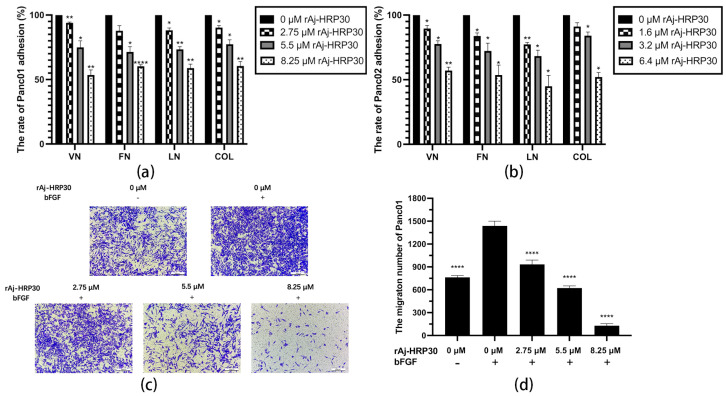 Figure 6
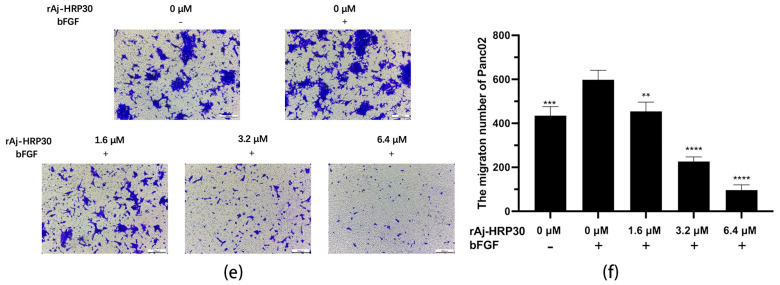 Figure 7
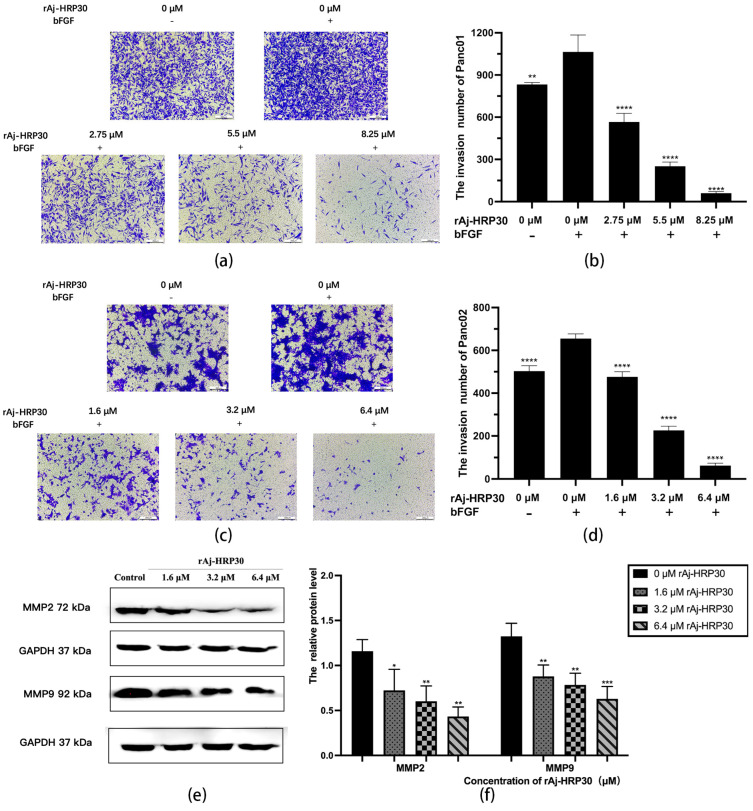 Figure 8
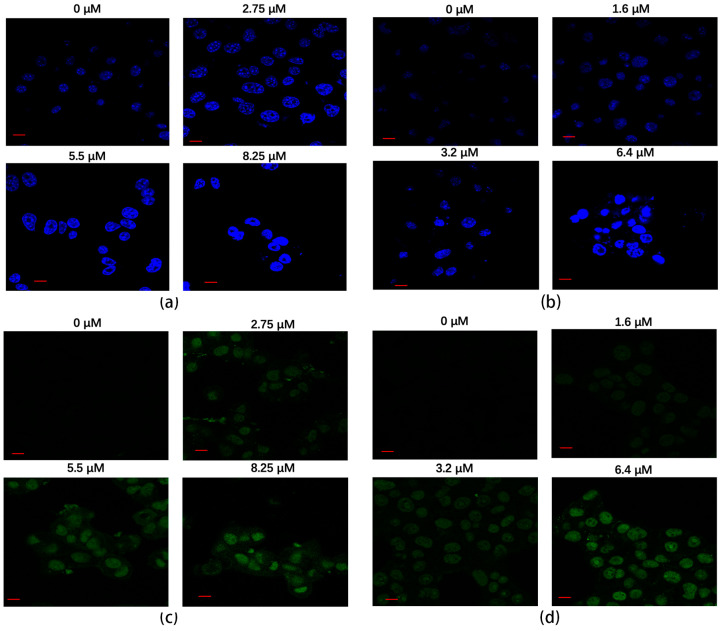 Figure 9
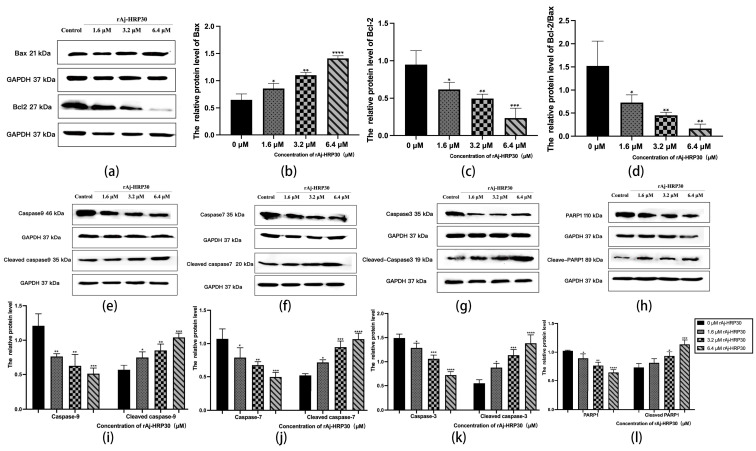 Figure 10
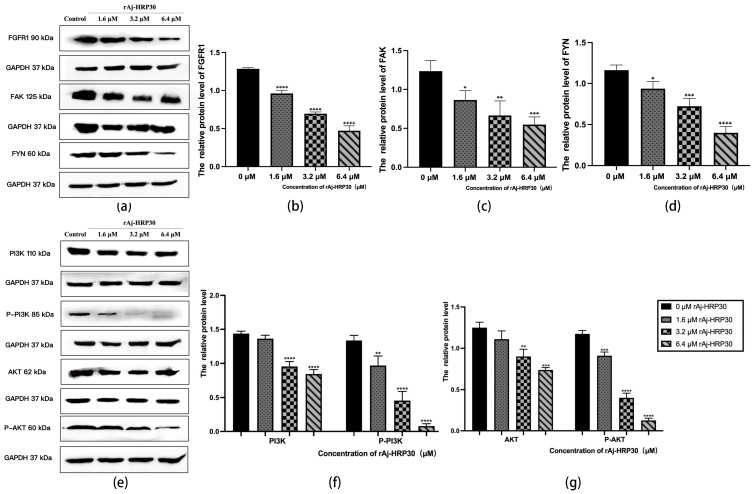 Figure 11
Peer Reviews
No public reviews on file for this paper yet. If you reviewed it on a platform where reviews are public (OpenReview, ICLR, NeurIPS, ICML), you can paste yours below so the community can read it here.
Videos
No videos yet. Explain this paper in a talk, walkthrough, or lecture? Add one.
Taxonomy
TopicsPeptidase Inhibition and Analysis · Echinoderm biology and ecology