Quantum Embedding of Non-Local Quantum Many-Body Interactions in an Prototypal Anti-Tumor Vaccine Metalloprotein on Near-Term Quantum Computing Hardware
Elena Chachkarova, Terence Tse, Yordan Yordanov, Yao Wei, Cedric Weber

TL;DR
This paper uses quantum computing to simulate a complex protein involved in oxygen transport and cancer vaccines, showing how quantum algorithms can reduce computational effort for such systems.
Contribution
The first quantum computer model simulation of hemocyanin using VQE and quantum embedding methods to study its magnetic structure.
Findings
Hemocyanin's magnetic structure is significantly influenced by many-body corrections.
Quantum computing algorithms can reduce computational effort for correlated electron systems.
The Hamiltonian systems presented can serve as benchmarks for quantum algorithms in chemistry.
Abstract
The world obeys quantum physics and quantum computing presents an alternative way to map physical problems to systems that follow the same laws. Such computation fundamentally constitutes a better way to understand the most challenging quantum problems. One such problem is the accurate simulation of highly correlated quantum systems. Still, modern-day quantum hardware has limitations and only allows for the modeling of simple systems. Here, we present for the first time a quantum computer model simulation of a complex hemocyanin molecule, which is an important respiratory protein involved in various physiological processes and is also used as a key component in therapeutic vaccines for cancer. To characterize the mechanism by which hemocyanin transports oxygen, variational quantum eigensolver (VQE) and quantum embedding methods are used in the context of dynamic mean field theory to…
Genes, proteins, chemicals, diseases, species, mutations and cell lines named across the full text — each resolved to its canonical identifier and authoritative record.
Click any figure to enlarge with its caption.
 Figure 1
 Figure 2
 Figure 3
 Figure 4
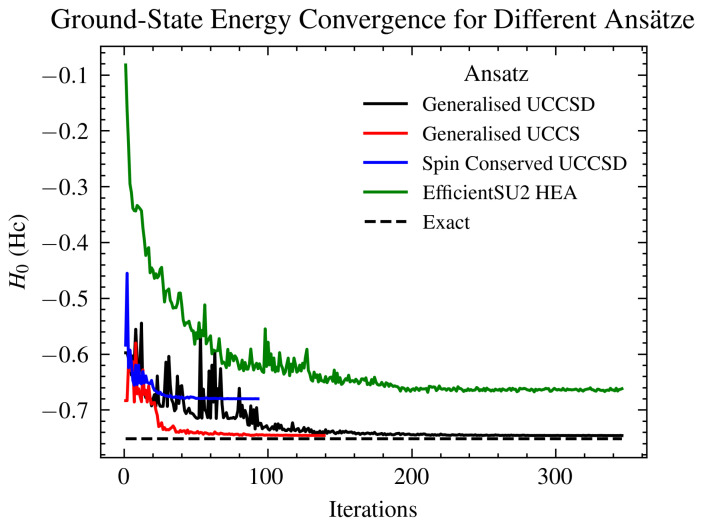 Figure 5
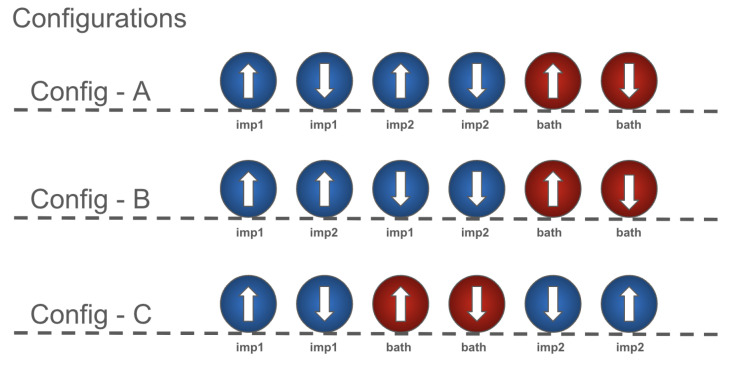 Figure 6
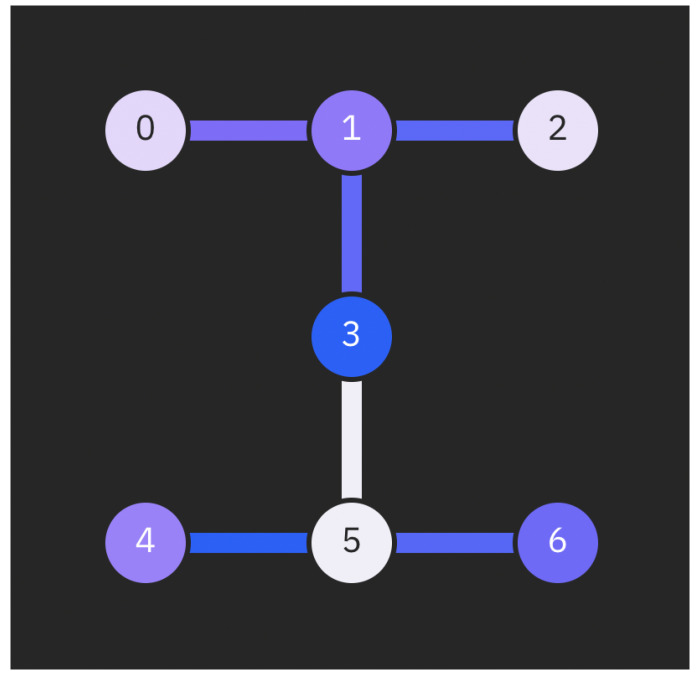 Figure 7
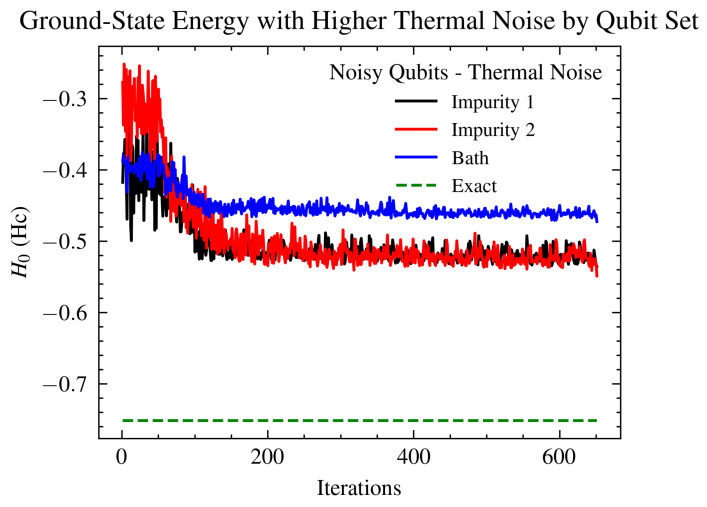 Figure 8
 Figure 9
 Figure 10
 Figure 11
 Figure 12
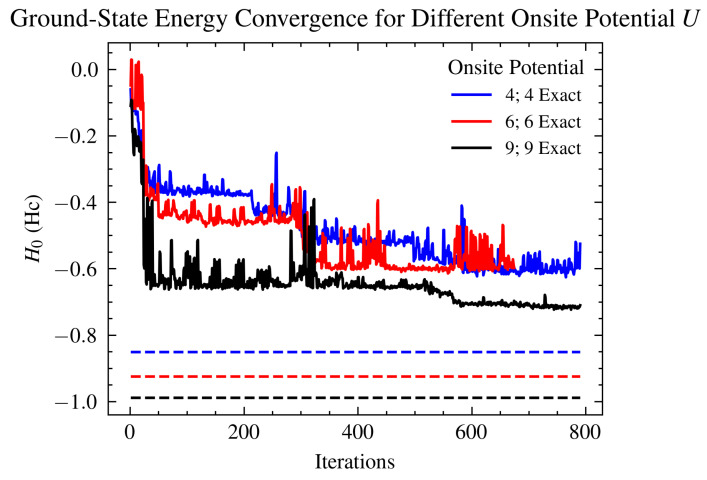 Figure 13
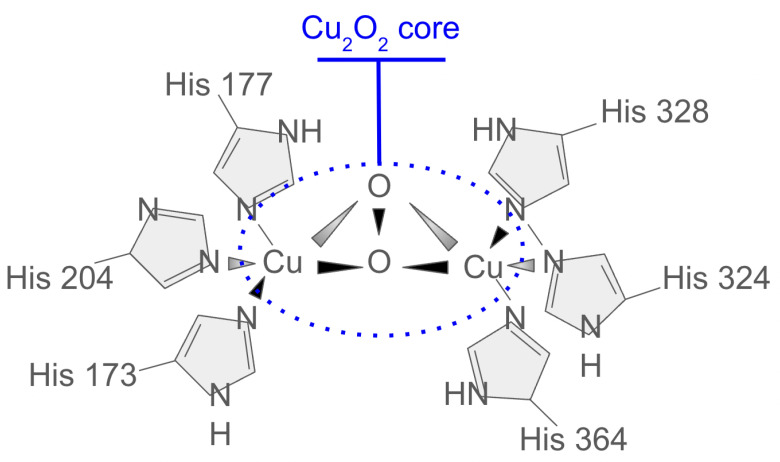 Figure 14
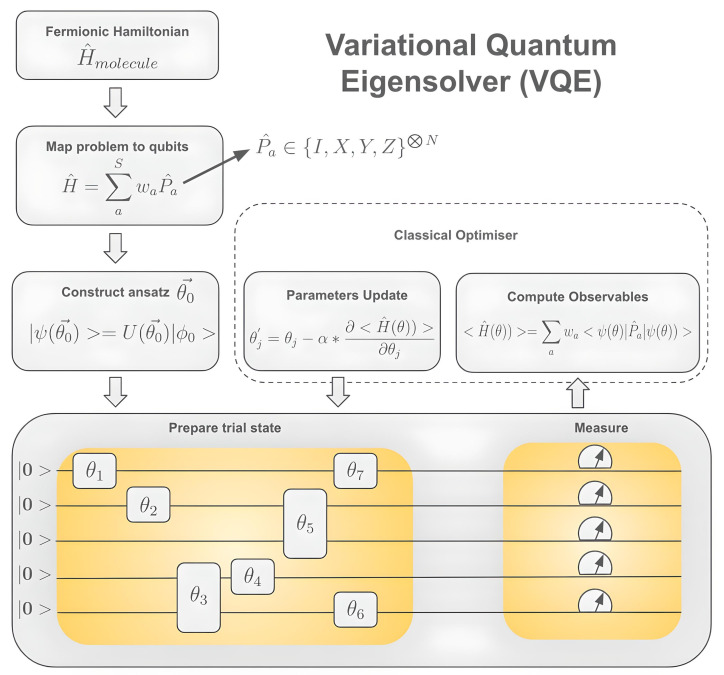 Figure 15
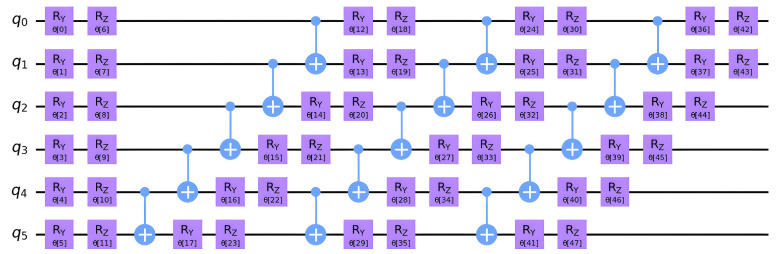 Figure 16
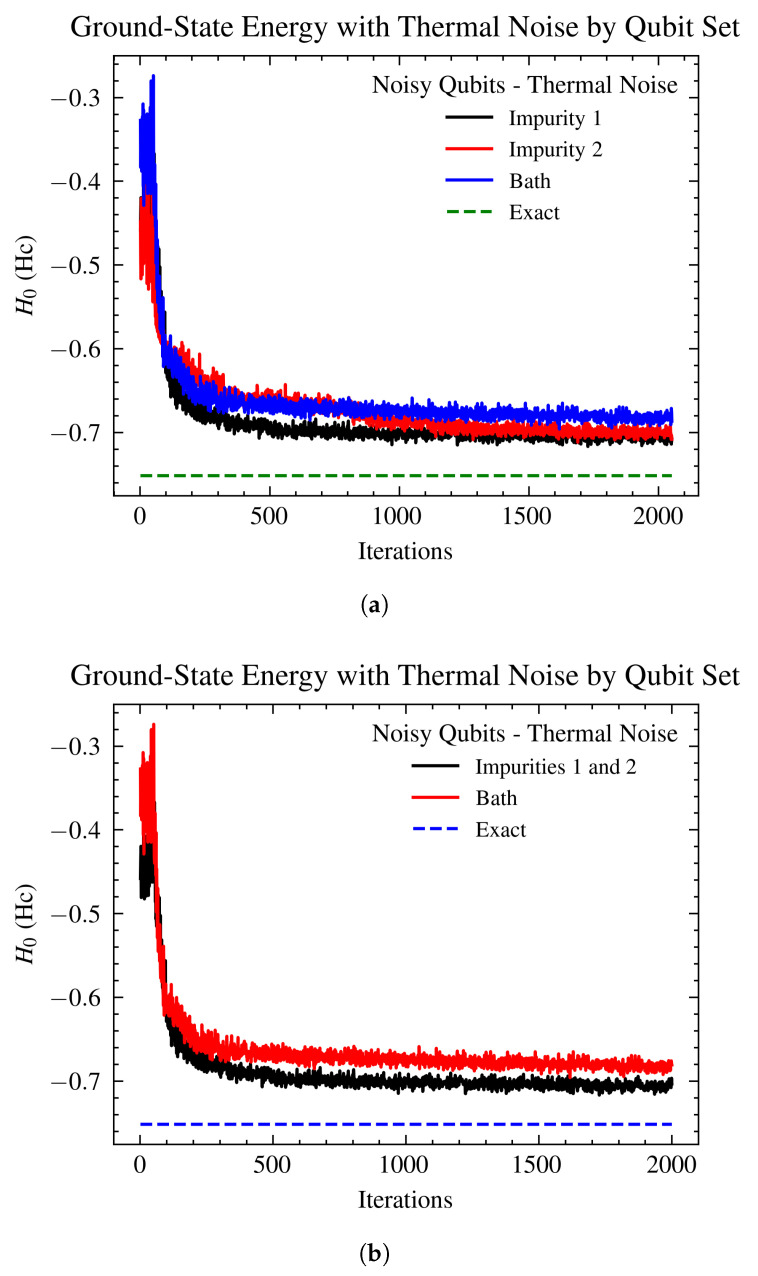 Figure 17
Peer Reviews
No public reviews on file for this paper yet. If you reviewed it on a platform where reviews are public (OpenReview, ICLR, NeurIPS, ICML), you can paste yours below so the community can read it here.
Videos
No videos yet. Explain this paper in a talk, walkthrough, or lecture? Add one.
Taxonomy
TopicsQuantum Computing Algorithms and Architecture · Quantum-Dot Cellular Automata · Advancements in Semiconductor Devices and Circuit Design