The Arg99Gln Substitution in HNRNPC Is Associated with a Distinctive Clinical Phenotype Characterized by Facial Dysmorphism and Ocular and Cochlear Anomalies
Luigi Chiriatti, Manuela Priolo, Roberta Onesimo, Mattia Carvetta, Chiara Leoni, Alessandro Bruselles, Francesca Clementina Radio, Camilla Cappelletti, Marco Ferilli, Daniela Ricci, Marcello Niceta, Viviana Cordeddu, Andrea Ciolfi, Cecilia Mancini, Giuseppe Zampino

TL;DR
A specific mutation in the HNRNPC gene is linked to a unique condition with facial, eye, and ear abnormalities, along with intellectual disability.
Contribution
The study confirms a genotype–phenotype correlation for the Arg99Gln substitution in HNRNPC.
Findings
The Arg99Gln mutation is associated with distinctive facial features, intellectual disability, and ocular and cochlear anomalies.
The second reported case with this mutation shows overlapping clinical features, supporting a consistent phenotype.
The condition should be considered in differential diagnoses for ID with features resembling CHARGE syndrome.
Abstract
Background/Objectives: Heterozygous variants in the heterogeneous nuclear ribonucleoprotein C gene (HNRNPC) have recently been reported to cause intellectual developmental disorder-74 (MRD74), a neurodevelopmental disorder with no recurrent diagnostic handles. Affected individuals show variable, non-specific, and subtle dysmorphic features. The degree of developmental delay (DD)/intellectual disability (ID) is also wide, ranging from mild to severe. The mutational spectrum is relatively broad with exon deletions and splice site and frameshift variants distributed along the entire length of the gene leading to HNRNPC loss of function. Only two missense changes located within the RNA-binding motif (RBM) and adjacent linker region of the more abundant isoform (Arg64Trp and Arg99Gln) have been described. Notably, the Arg99Gln amino acid substitution was reported in a subject presenting with…
Genes, proteins, chemicals, diseases, species, mutations and cell lines named across the full text — each resolved to its canonical identifier and authoritative record.
Click any figure to enlarge with its caption.
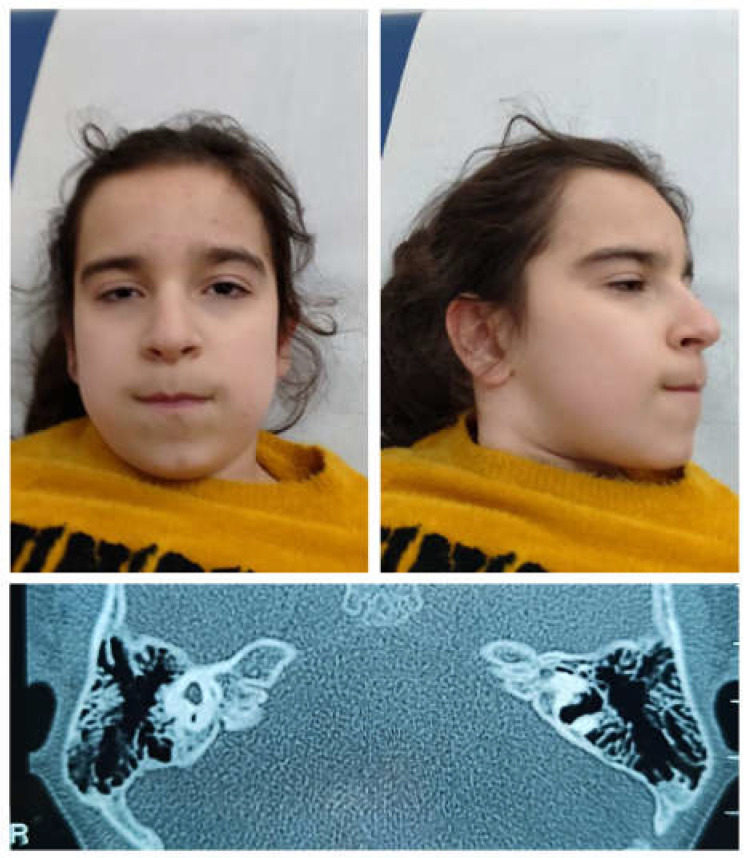 Figure 1
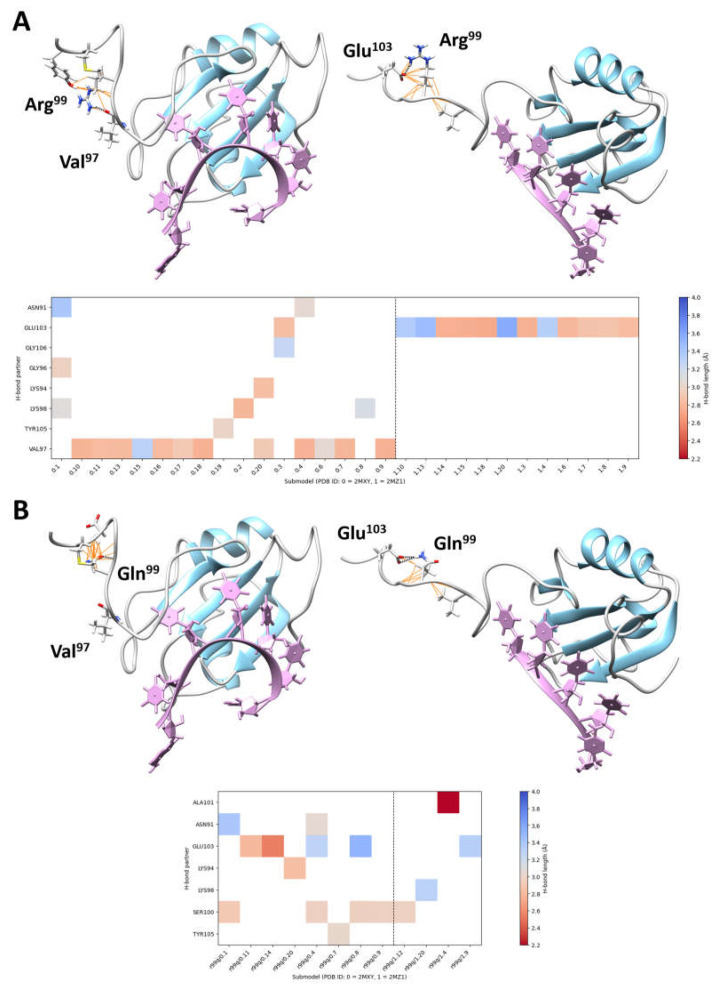 Figure 2
Peer Reviews
No public reviews on file for this paper yet. If you reviewed it on a platform where reviews are public (OpenReview, ICLR, NeurIPS, ICML), you can paste yours below so the community can read it here.
Videos
No videos yet. Explain this paper in a talk, walkthrough, or lecture? Add one.
Taxonomy
TopicsCongenital Ear and Nasal Anomalies · Immunodeficiency and Autoimmune Disorders · Tracheal and airway disorders