Influence of Robotic Neurorehabilitation in Cerebral Palsy on Motor Function and Gait
Hristina Colovic, Dejan Nikolic, Dragan Zlatanovic, Vesna Zivkovic, Anita Stankovic, Jasna Stojkovic, Natasa Mujovic, Sindi Mitrovic, Nevena Krstic, Natasa Radosavljevic

TL;DR
This case report shows that combining robotic-assisted gait training with conventional therapy can improve gait in adolescents with cerebral palsy.
Contribution
The study proposes a specific annual robotic neurorehabilitation protocol for ataxic gait in CP adolescents.
Findings
Improved gait frequency and leg support phases were observed after 10 weeks of combined therapy.
Independent gait over 14 meters was achieved by the patient at age 15.
Functional motor status for standing and gait was maintained during treatment.
Abstract
Background and aim: Cerebral palsy (CP) is a nonprogressive neurological disorder characterized by permanent developmental disorders of movement and posture. One of the most common goals of rehabilitation is the treatment of gait disorders. Ataxic gait disorder tends to worsen in the adolescent period. Research indicates a positive therapeutic effect of the combined application of conventional rehabilitation, robotic neurorehabilitation (RNR) and virtual reality, but there is no consensus on the length of treatment and frequency of application. The aim of this case report was to contribute to the definition of the RNR protocol for the treatment of ataxic gait disorder in adolescents with CP. Case report: In a female child with an ataxic form of CP who was on regular conventional kinesitherapy in the age period between 13 to 15 years, robotic-assisted gait training (RAGT) was applied for…
Genes, proteins, chemicals, diseases, species, mutations and cell lines named across the full text — each resolved to its canonical identifier and authoritative record.
Click any figure to enlarge with its caption.
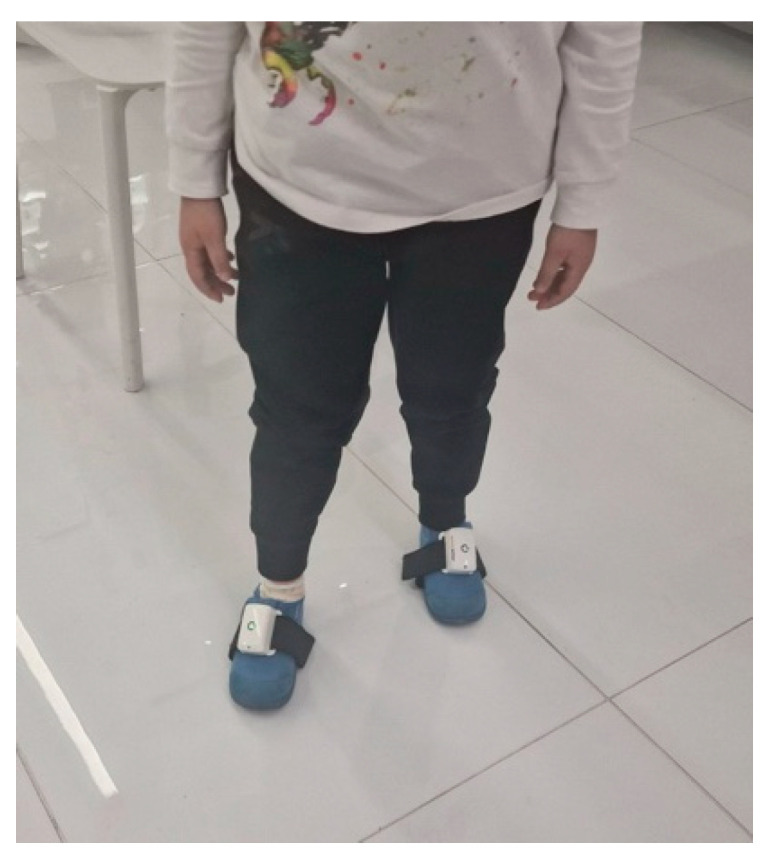 Figure 1
Peer Reviews
No public reviews on file for this paper yet. If you reviewed it on a platform where reviews are public (OpenReview, ICLR, NeurIPS, ICML), you can paste yours below so the community can read it here.
Videos
No videos yet. Explain this paper in a talk, walkthrough, or lecture? Add one.
Taxonomy
TopicsCerebral Palsy and Movement Disorders · Botulinum Toxin and Related Neurological Disorders · Neonatal and fetal brain pathology