Comparative Clinical-Imaging and Histogenetic Analysis Between Astrocytoma IDH-Mutant Grade 4 and Glioblastoma IDH-Wildtype—Is There Really a Worse One?
Cristian Ionut Orasanu, Mariana Aschie, Mariana Deacu, Madalina Bosoteanu, Sorin Vamesu, Manuela Enciu, Georgeta Camelia Cozaru, Anca Florentina Mitroi, Sinziana Andra Ghitoi, Ana Maria Cretu, Oana Andreea Ursica, Raluca Ioana Voda

TL;DR
This study compares two types of brain tumors and finds that one, despite having more risk factors, has better survival outcomes than the other.
Contribution
The study identifies distinct clinical and histogenetic differences and their impact on survival between two glioma subtypes.
Findings
A4IDHmt patients were younger and had higher survival rates compared to G4IDHwt.
G4IDHwt tumors were larger and had lower resectability rates than A4IDHmt.
Both tumor types showed advanced age and p53 positivity as negative survival risk factors.
Abstract
Background: Brain tumors pose a significant health threat, leading to high morbidity and mortality rates. Astrocytoma IDH-mutant grade 4 (A4IDHmt) and glioblastoma IDH-wildtype (G4IDHwt) exhibit similar clinical and imaging characteristics. This study aims to highlight the differences in their clinical evolution and histogenetic aspects with the possible therapeutic impact, as well as the adverse prognostic factors in patient survival. Methods: We performed a 10-year retrospective study of grade 4 gliomas, evaluating immunomarkers and FISH tests. We also quantified tumor necrosis and microvascular density. Results: A total of 81 cases were identified; 54.32% were A4IDHmt. We observed that A4IDHmt patients were younger (34.10% under 50) and had a higher survival rate (4.55%). This group also exhibited a more pronounced microvascular density (p = 0.010) and proliferative index (p =…
Genes, proteins, chemicals, diseases, species, mutations and cell lines named across the full text — each resolved to its canonical identifier and authoritative record.
Click any figure to enlarge with its caption.
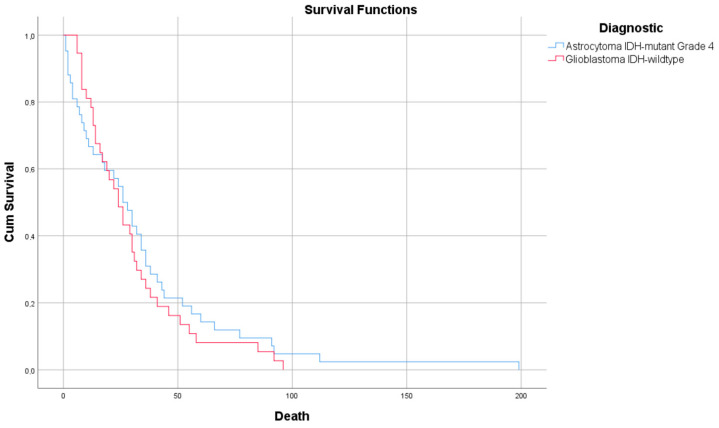 Figure 1
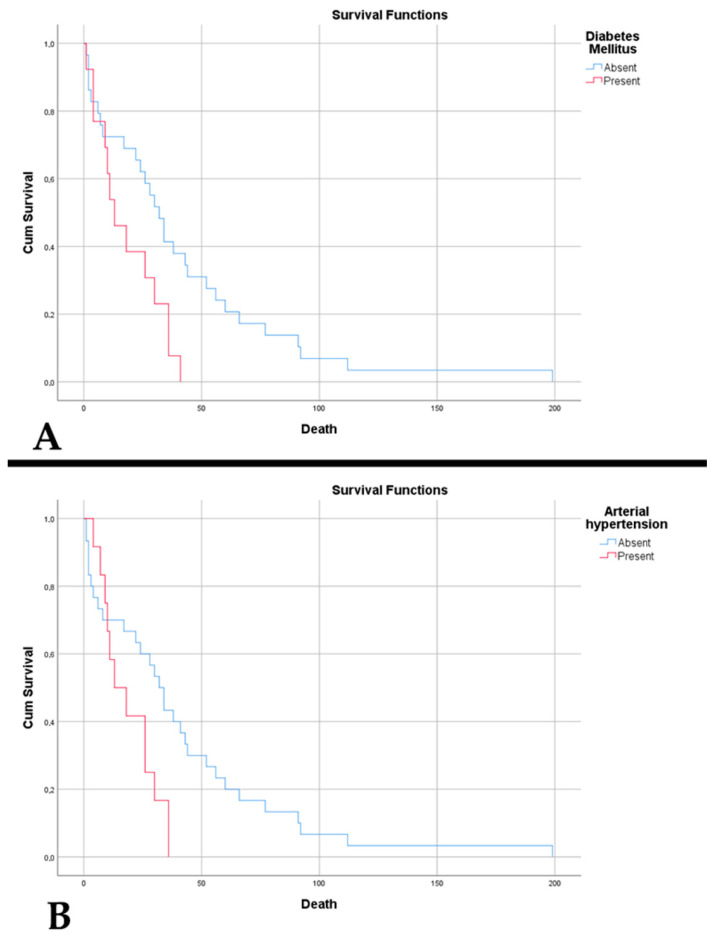 Figure 2
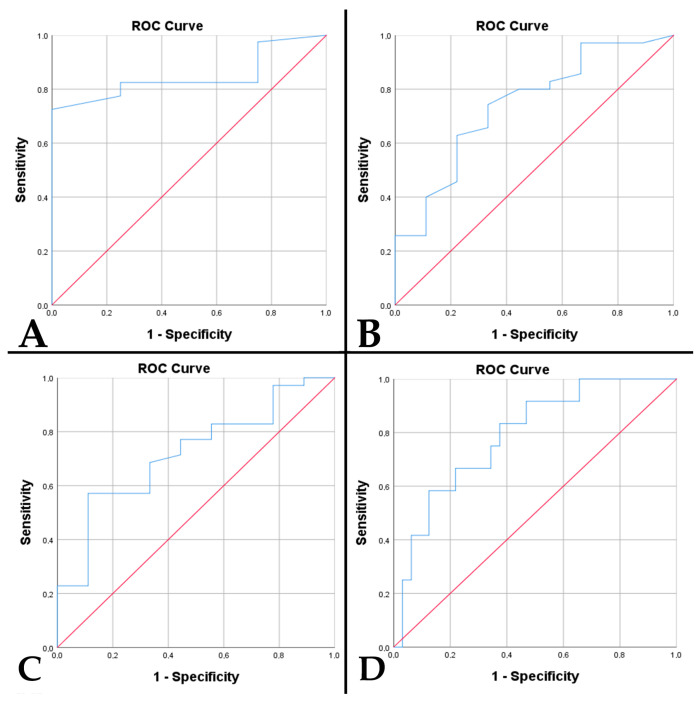 Figure 3
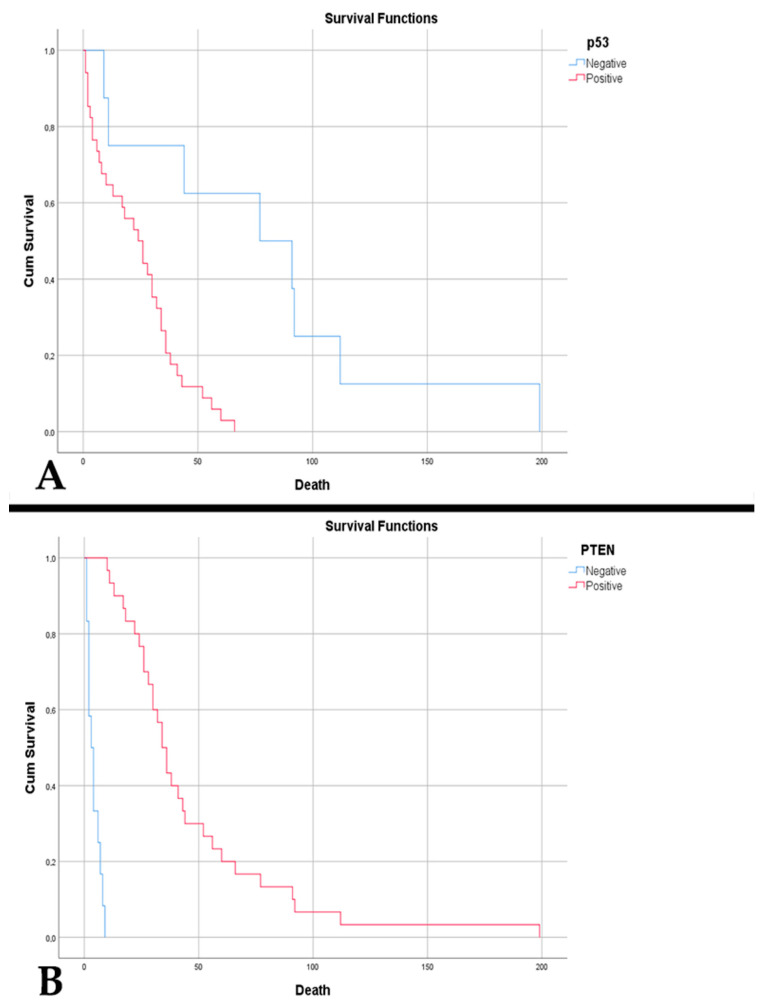 Figure 4
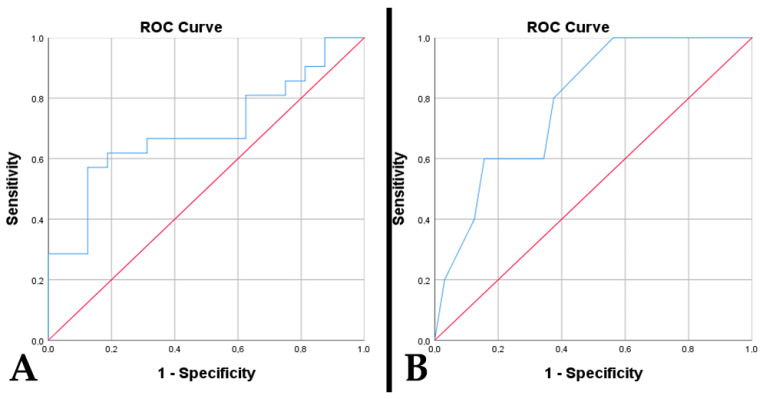 Figure 5
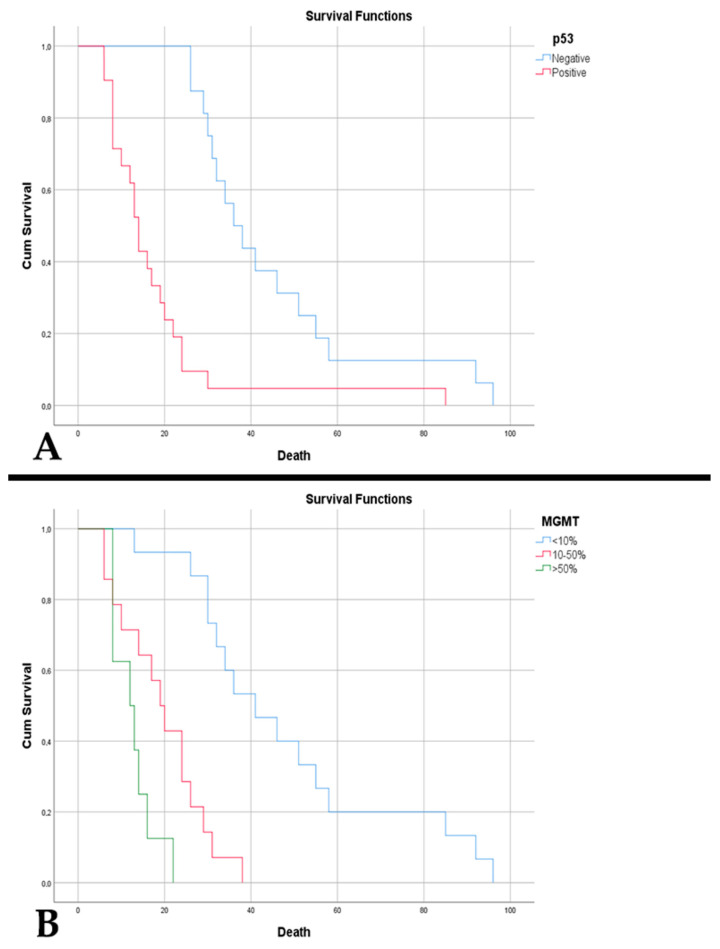 Figure 6
Peer Reviews
No public reviews on file for this paper yet. If you reviewed it on a platform where reviews are public (OpenReview, ICLR, NeurIPS, ICML), you can paste yours below so the community can read it here.
Videos
No videos yet. Explain this paper in a talk, walkthrough, or lecture? Add one.
Taxonomy
TopicsGlioma Diagnosis and Treatment · Cancer, Hypoxia, and Metabolism · Neuroblastoma Research and Treatments