Role of Sex in Shaping Brain Network Organization During Reading in Developmental Dyslexia
Tihomir Taskov, Juliana Dushanova

TL;DR
This study explores how sex influences brain network organization during reading in children with and without dyslexia, revealing subtle gender-specific differences.
Contribution
The study introduces novel insights into sex-based variations in brain connectivity patterns during reading in developmental dyslexia using the minimum spanning tree model.
Findings
Girls with dyslexia showed stronger connections in posterior brain regions compared to boys.
Boys with dyslexia exhibited a more diffuse connectivity pattern in the left hemisphere.
Sex differences were most pronounced in higher frequency bands like β2-γ2.
Abstract
Background/Methods: The influence of sex on brain organization was investigated in functional reading networks in 8-year-old children, in those typically developing and those with developmental dyslexia (DD), utilizing the minimum spanning tree model. Results: The word reading task revealed subtle sex differences in brain connectivity and highlighted even small individual variations in functional connectivity characteristics, particularly among boys with DD. In girls, significantly stronger connections and core hubs were identified within and between motor, parietal, and visual networks in posterior brain regions in both hemispheres, particularly in the θ (dyslexics) and δ (normolexics) frequency bands. In contrast, boys showed a more diffuse connectivity pattern, predominantly in the left hemisphere, encompassing anterior heteromodal and sensorimotor networks. Girls exhibited greater…
Genes, proteins, chemicals, diseases, species, mutations and cell lines named across the full text — each resolved to its canonical identifier and authoritative record.
Click any figure to enlarge with its caption.
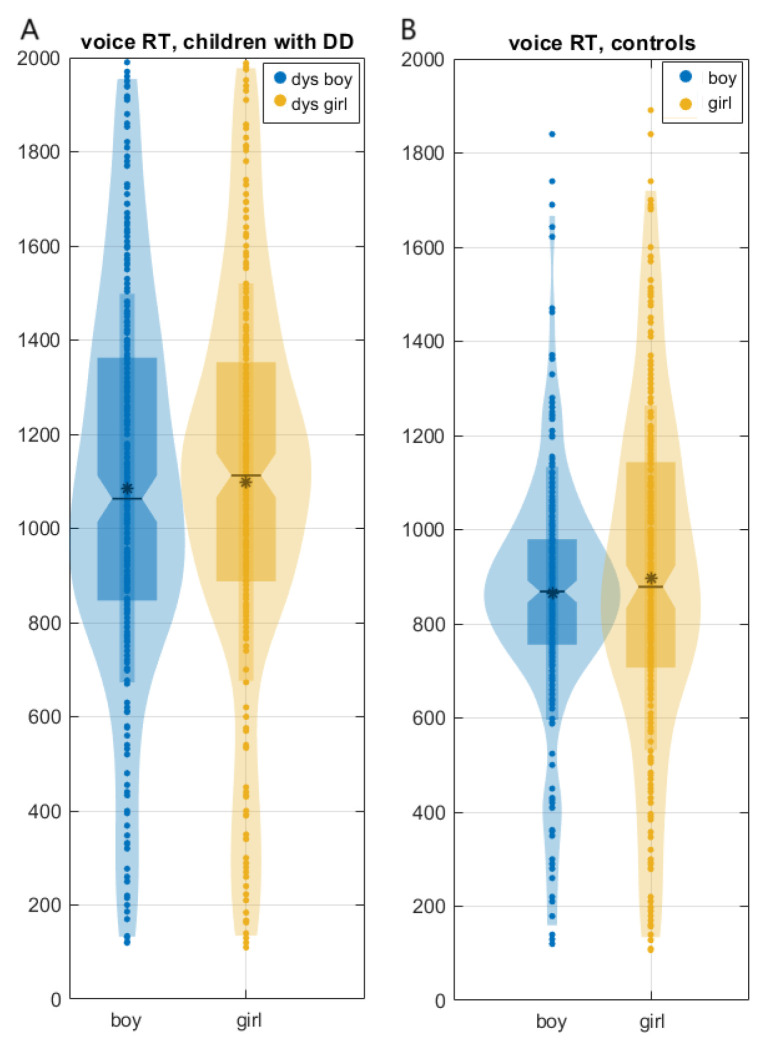 Figure 1
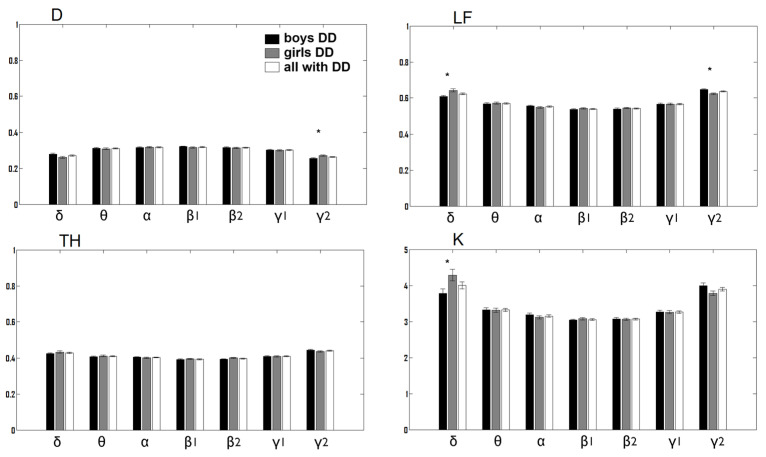 Figure 2
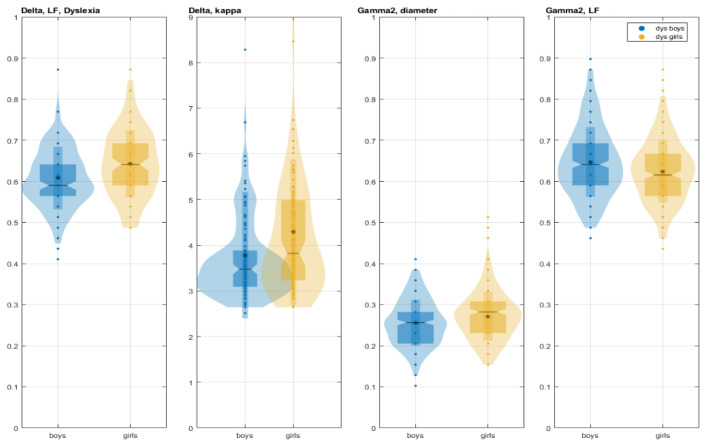 Figure 3
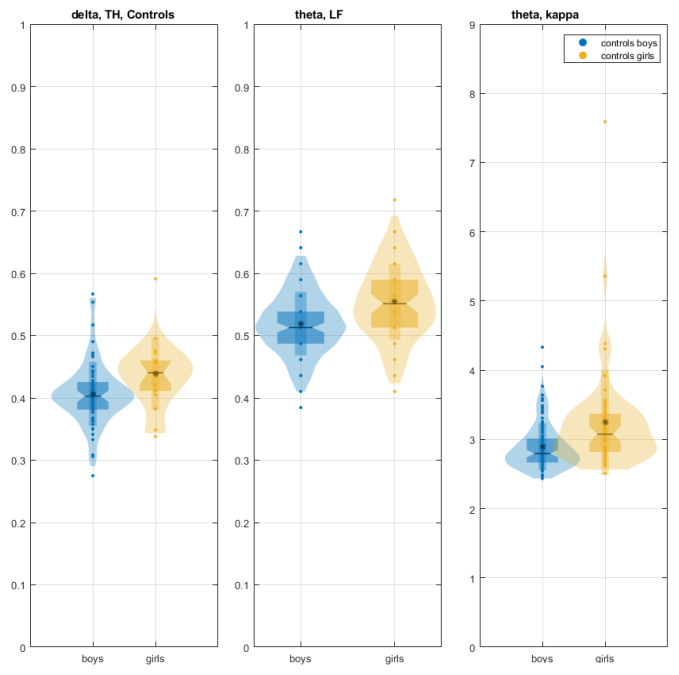 Figure 4
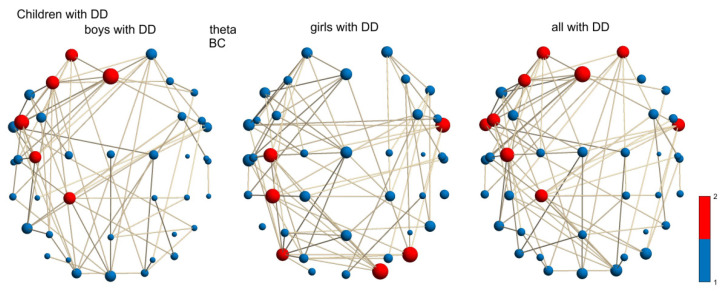 Figure 5
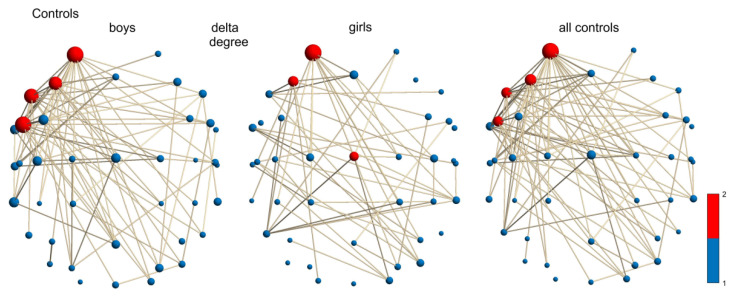 Figure 6
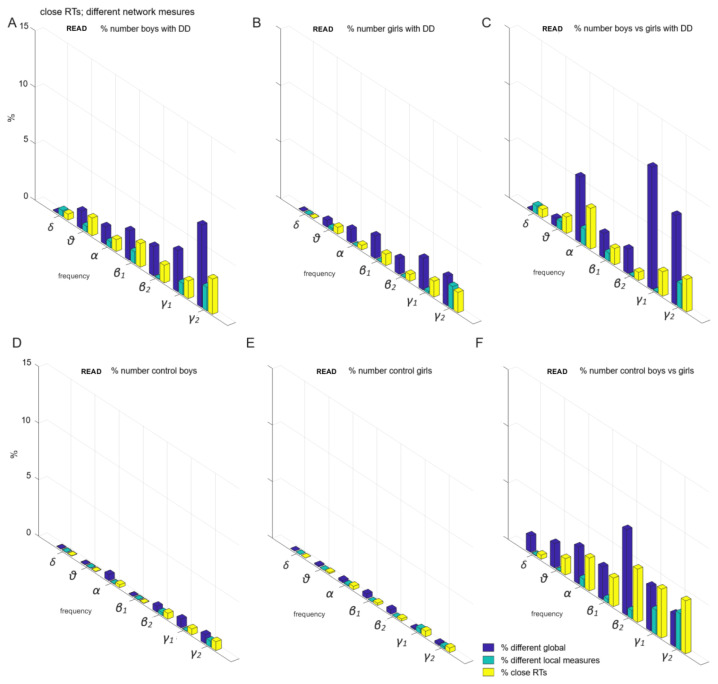 Figure 7
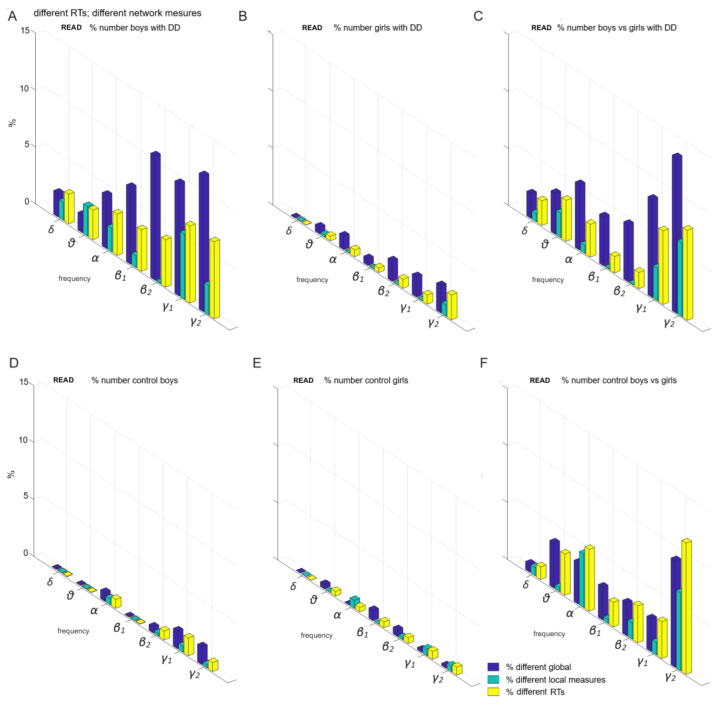 Figure 8
Peer Reviews
No public reviews on file for this paper yet. If you reviewed it on a platform where reviews are public (OpenReview, ICLR, NeurIPS, ICML), you can paste yours below so the community can read it here.
Videos
No videos yet. Explain this paper in a talk, walkthrough, or lecture? Add one.
Taxonomy
TopicsFunctional Brain Connectivity Studies · EEG and Brain-Computer Interfaces · Attention Deficit Hyperactivity Disorder