Clinical Outcomes in Patients with Cystic Fibrosis Receiving CFTR Modulators: A Comparison of Childhood Versus Adolescent Initiation
Eman A. Toraih, Hassan A. Malik, Rahib K. Islam, Humza A. Pirzadah, Ahmed Abdelmaksoud, Rami M. Elshazli, Paul Antwi Boasiako, Shehab Ahmed Alenazi, Angelique Dabel, Jessan A. Jishu, Bandar T. Alenezi, Hani Aiash, Manal S. Fawzy

TL;DR
Starting CFTR modulator therapy in childhood leads to better clinical outcomes and fewer hospitalizations compared to starting in adolescence for cystic fibrosis patients.
Contribution
This study provides evidence that early initiation of CFTR modulator therapy in children improves clinical outcomes compared to initiation in adolescents.
Findings
Adolescents had higher rates of respiratory failure and infections compared to children.
Adolescents had higher hospitalization rates and longer hospital stays.
Mortality rates were similar between the two age groups.
Abstract
Background/objectives: Cystic fibrosis (CF) is a life-limiting genetic disorder affecting multiple organ systems. This study compared clinical outcomes, hospitalization rates, and survival between children and adolescents with CF who received CFTR modulator therapies (ivacaftor, lumacaftor, tezacaftor, and elexacaftor). Methods: A retrospective cohort study was conducted using data from the TriNetX global collaborative network. Patients with CF aged 2–12 years (children) and 13–18 years (adolescents) who received CFTR modulator therapies were included. The propensity score matching balanced baseline characteristics between the two age groups. Results: After propensity score matching, 946 patients per group were analyzed. The incidence of respiratory failure (3.81% vs. 1.06%, p < 0.001) and respiratory infections (62.7% vs. 57.5%, p = 0.021) were significantly higher in adolescents…
Genes, proteins, chemicals, diseases, species, mutations and cell lines named across the full text — each resolved to its canonical identifier and authoritative record.
Click any figure to enlarge with its caption.
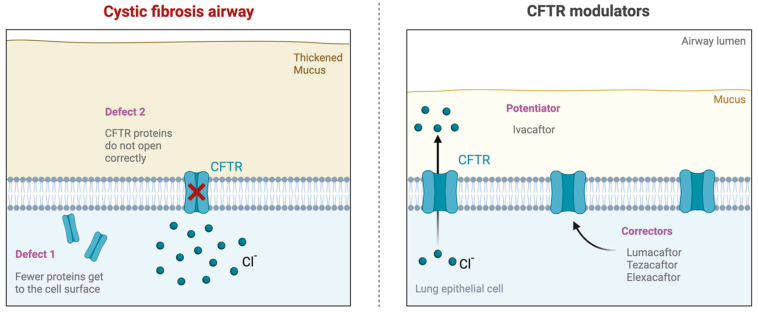 Figure 1
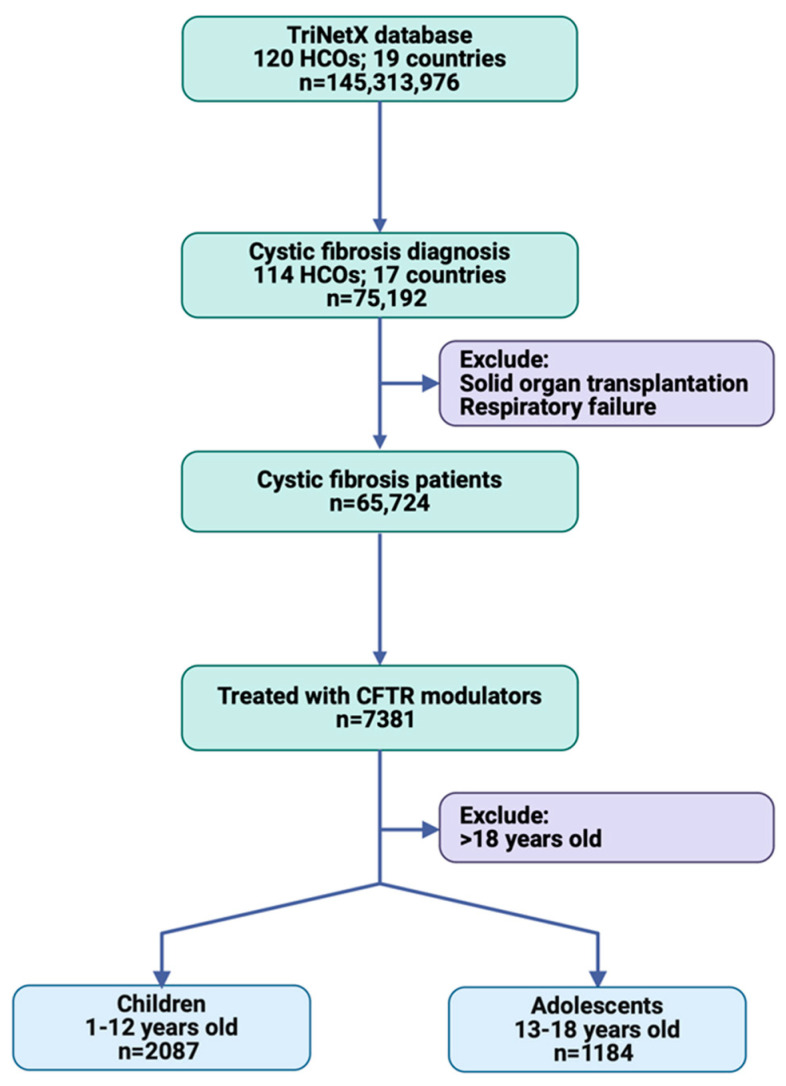 Figure 2
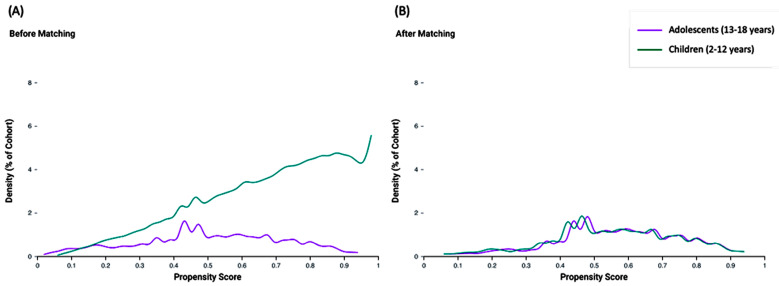 Figure 3
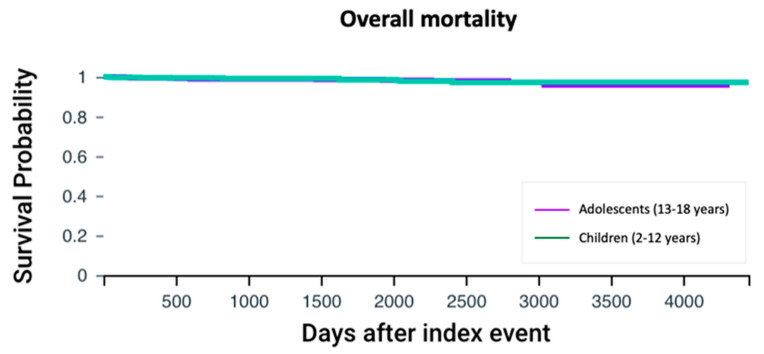 Figure 4
Peer Reviews
No public reviews on file for this paper yet. If you reviewed it on a platform where reviews are public (OpenReview, ICLR, NeurIPS, ICML), you can paste yours below so the community can read it here.
Videos
No videos yet. Explain this paper in a talk, walkthrough, or lecture? Add one.
Taxonomy
TopicsCystic Fibrosis Research Advances