Physicochemical Characterization and Antioxidant Properties of Cellulose-Rich Extracts Obtained from Carob (Ceratonia siliqua L.) Pulp for Preparation of Cellulose-Rich Gels
Bernat Llompart, Esperanza Dalmau, Mónica Umaña, Antoni Femenia

TL;DR
This study explores carob pulp as a source of cellulose-rich extracts and antioxidants, showing potential for new economic and sustainable uses beyond animal feed.
Contribution
The study identifies carob pulp as a valuable source of cellulose and antioxidants, particularly highlighting the Bugadera and Rotjal varieties.
Findings
Carob pulp contains 33–45% soluble sugars and 45% cell wall polysaccharides, with cellulose as the main component.
The Bugadera variety under irrigated conditions showed high phenolic content and antioxidant activity, with ABTS values up to 391.5 mg Trolox equivalents per gram.
Carob pulp's antioxidant capacity was confirmed using FRAP, ABTS, and CUPRAC methods, indicating its potential as a functional ingredient.
Abstract
The carob tree (Ceratonia siliqua L.) is a defining species of the Mediterranean region, and its fruit, the carob pod, has seen a notable increase in economic interest in recent years, primarily due to the production of locust bean gum (E410), a widely used food additive derived from the seeds. The remainder of the fruit, the carob pulp, comprises 80–90% of the fruit’s weight and is typically considered a by-product, with its primary application being in animal feed. This study focused on obtaining cellulose-rich extracts from selected carob varieties cultivated in the Mediterranean region. A comprehensive physicochemical characterization of these cellulose-rich fractions was conducted, including the assessment of their antioxidant properties, specifically total phenolics and antioxidant capacity measured by the FRAP, ABTS, and CUPRAC methods. The findings reveal that carob pulp is an…
Genes, proteins, chemicals, diseases, species, mutations and cell lines named across the full text — each resolved to its canonical identifier and authoritative record.
Click any figure to enlarge with its caption.
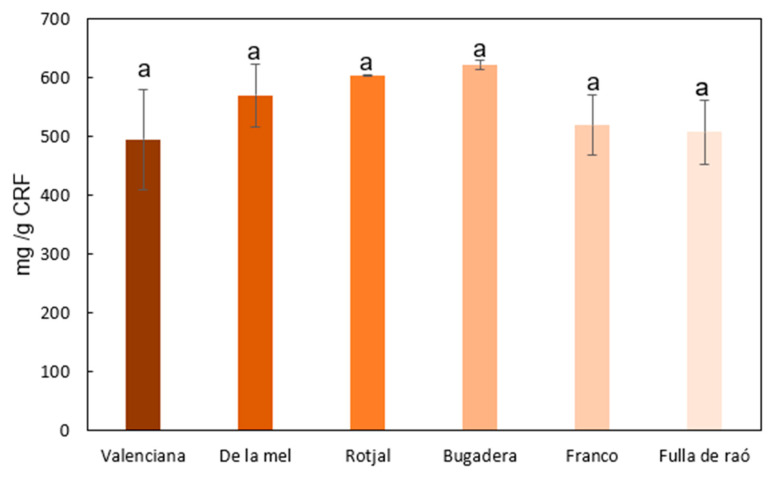 Figure 1
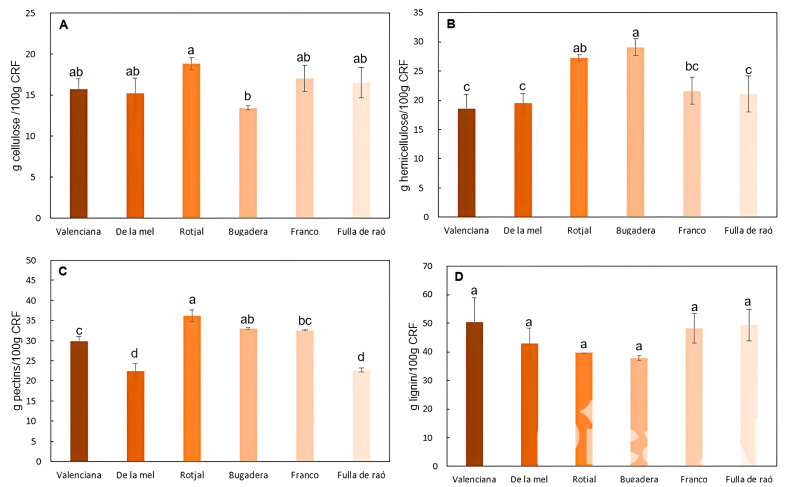 Figure 2
 Figure 3
 Figure 4
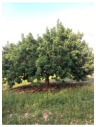 Figure 5
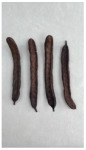 Figure 6
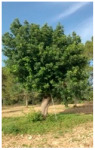 Figure 7
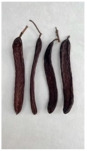 Figure 8
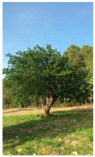 Figure 9
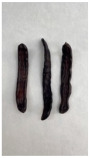 Figure 10
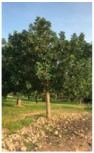 Figure 11
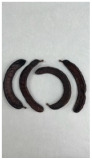 Figure 12
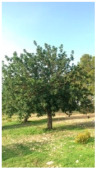 Figure 13
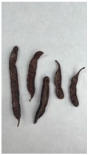 Figure 14
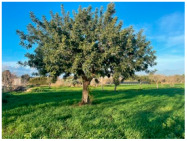 Figure 15
Peer Reviews
No public reviews on file for this paper yet. If you reviewed it on a platform where reviews are public (OpenReview, ICLR, NeurIPS, ICML), you can paste yours below so the community can read it here.
Videos
No videos yet. Explain this paper in a talk, walkthrough, or lecture? Add one.
Taxonomy
TopicsPolysaccharides Composition and Applications · Polysaccharides and Plant Cell Walls · Botanical Research and Applications