Mode of Delivery and Neonatal Transition: Insights from Electrical Cardiometry
Reem M. Soliman, Marwa M. Elgendy, Eman M. Metwalli, Zahraa Ezz ElDin, Antoine F. Abdel Massih, Hany Aly

TL;DR
This study uses Electrical Cardiometry to show that heart function declines in the first hour after birth, with vaginally delivered infants showing better initial cardiovascular performance than those born via Cesarean section.
Contribution
The study introduces Electrical Cardiometry as a noninvasive method to measure neonatal hemodynamics during the critical first hour of life.
Findings
Heart rate, stroke volume index, cardiac output index, and contractility all decreased significantly in the first hour after birth.
Vaginally delivered infants had higher heart rate, stroke volume index, cardiac output index, and contractility compared to Cesarean section infants.
The decline in hemodynamic variables was consistent across both full-term and preterm infants.
Abstract
Background/Objectives: Examining hemodynamic changes during the early transition period aids in identifying variations in neonatal outcomes linked to ante- or intrapartum events. It facilitates the recognition of potential impacts stemming from common intrapartum management practices. The current literature provides scant insights into cardio-circulatory changes during the crucial first 10 min after birth. The application of Electrical Cardiometry (EC) emerges as a valuable noninvasive clinical tool for measuring neonatal hemodynamics. This prospective cohort study aimed to assess hemodynamic variables, including heart rate (HR), stroke volume index (SVI), index of contractility (ICON), and cardiac output index (COI) during the first hour of life in late preterm and full-term infants. Additionally, this study investigated the relationship between the mode of delivery and cardiovascular…
Genes, proteins, chemicals, diseases, species, mutations and cell lines named across the full text — each resolved to its canonical identifier and authoritative record.
Click any figure to enlarge with its caption.
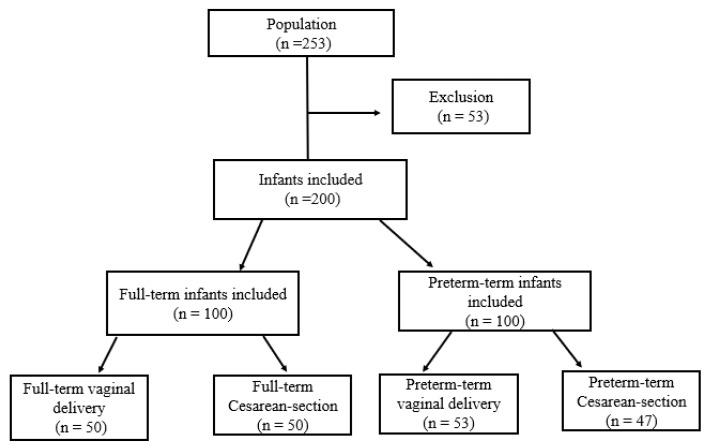 Figure 1
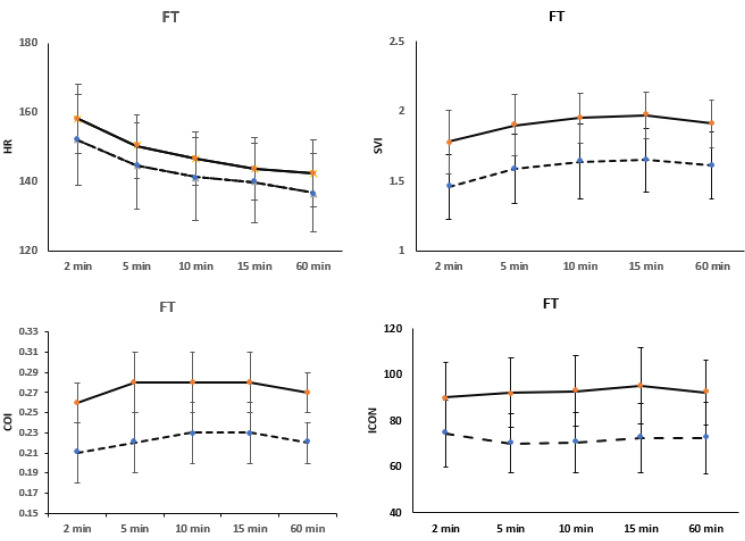 Figure 2
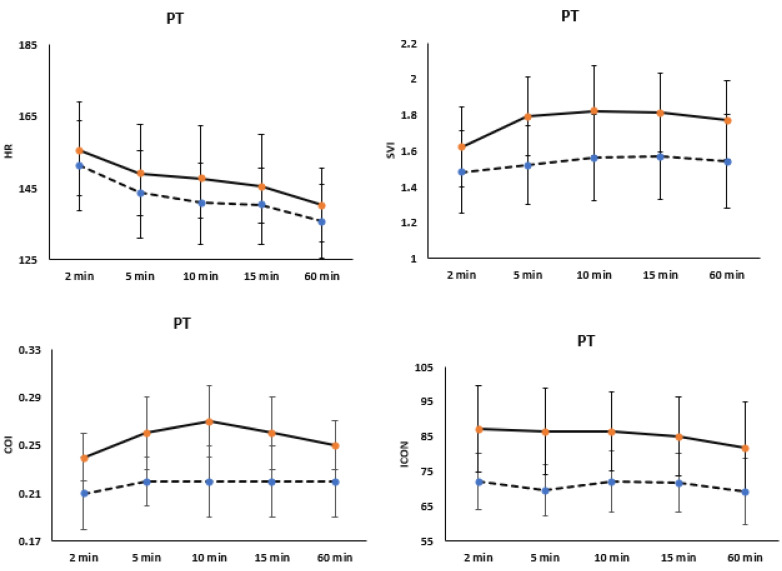 Figure 3
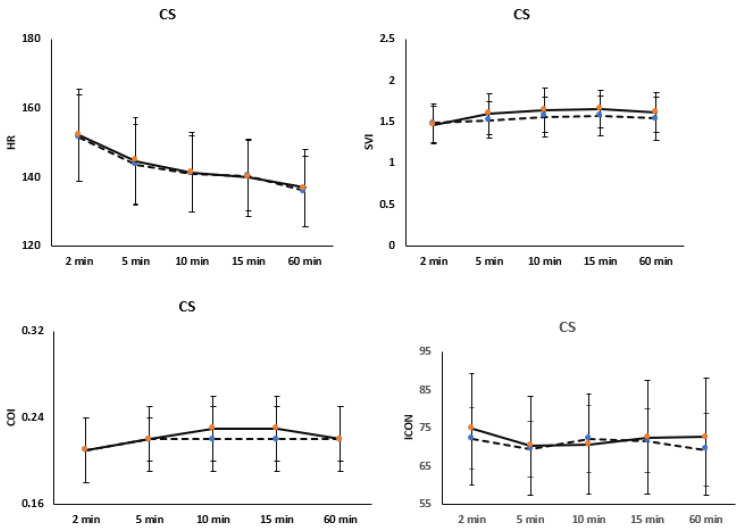 Figure 4
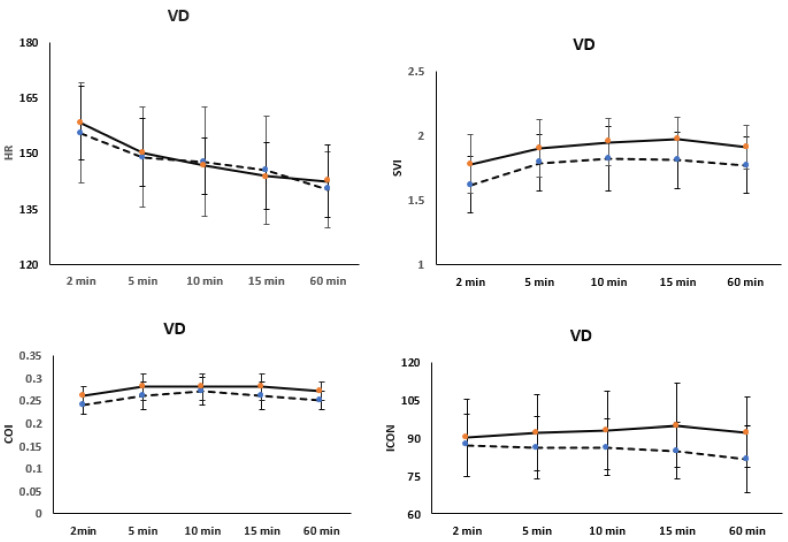 Figure 5
Peer Reviews
No public reviews on file for this paper yet. If you reviewed it on a platform where reviews are public (OpenReview, ICLR, NeurIPS, ICML), you can paste yours below so the community can read it here.
Videos
No videos yet. Explain this paper in a talk, walkthrough, or lecture? Add one.
Taxonomy
TopicsNeonatal Respiratory Health Research · Congenital Heart Disease Studies · Infant Development and Preterm Care