Energy Saving in Permanent Cardiac Pacing: Pulse Waveform and Charge Balancing Deserve Consideration
Franco Di Gregorio, Lina Marcantoni, Aldo Mozzi, Alberto Barbetta, Francesco Zanon

TL;DR
This paper discusses how adjusting pulse waveform and charge balancing in cardiac pacemakers can save energy and extend device life.
Contribution
The paper introduces a method to optimize pacing pulse settings using waveform properties to reduce energy consumption.
Findings
Shorter pulses below the chronaxie time minimize energy use while ensuring stimulation safety.
Pulse amplitude decay limits the effectiveness of long pulses in implantable stimulators.
Optimal pulse settings based on waveform properties can prolong stimulator service life.
Abstract
The pacing pulse produced by implantable stimulators can be described as a truncated exponential decay from the starting peak amplitude, corresponding to the discharge of the output stage capacitance (reservoir and isolation capacitors, in series) along the application time. Pulse decay and charge balancing have relevant implications on the ideal setting of a pacing device, as demonstrated by mathematical predictions based on well-acknowledged theoretical statements. Successful stimulation is achieved with minimum energy expense at a pulse duration shorter than the chronaxie time, which represents the upper border of the advisable duration interval. With any start amplitude, the stimulation safety margin can be improved by a duration increase beyond the chronaxie only up to an absolute limit (longest useful duration), which depends on the chronaxie and the pulse time-constant. At the…
Genes, proteins, chemicals, diseases, species, mutations and cell lines named across the full text — each resolved to its canonical identifier and authoritative record.
Click any figure to enlarge with its caption.
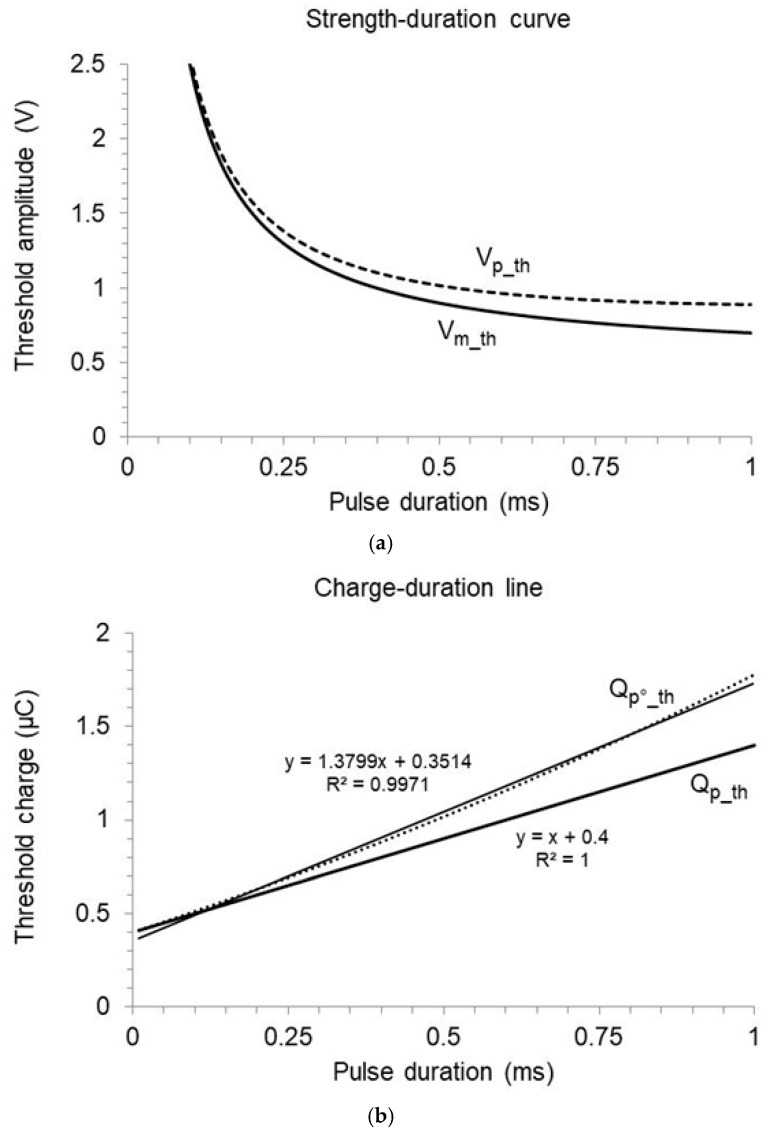 Figure 1
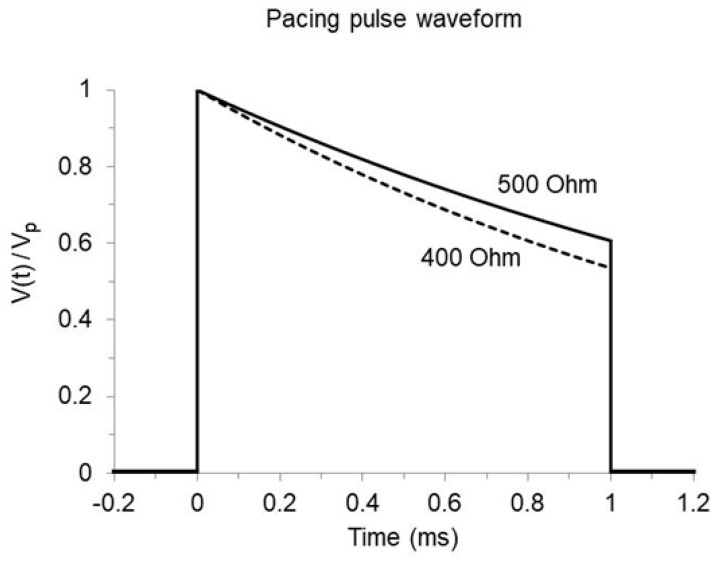 Figure 2
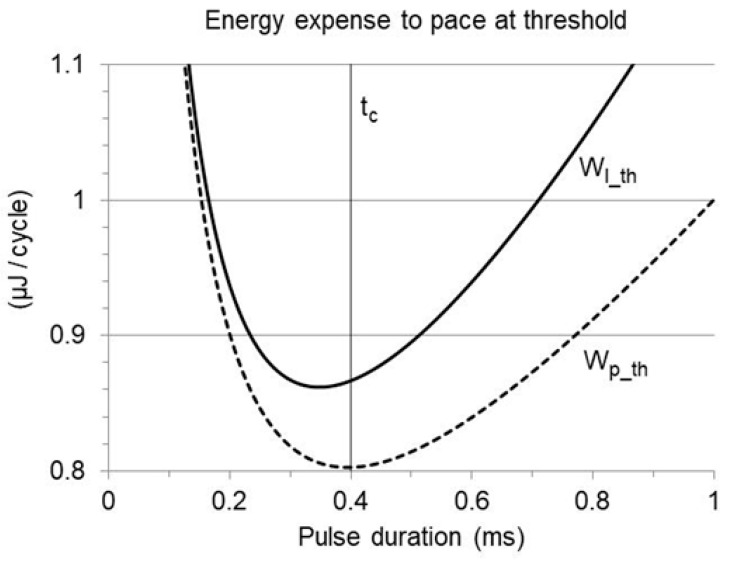 Figure 3
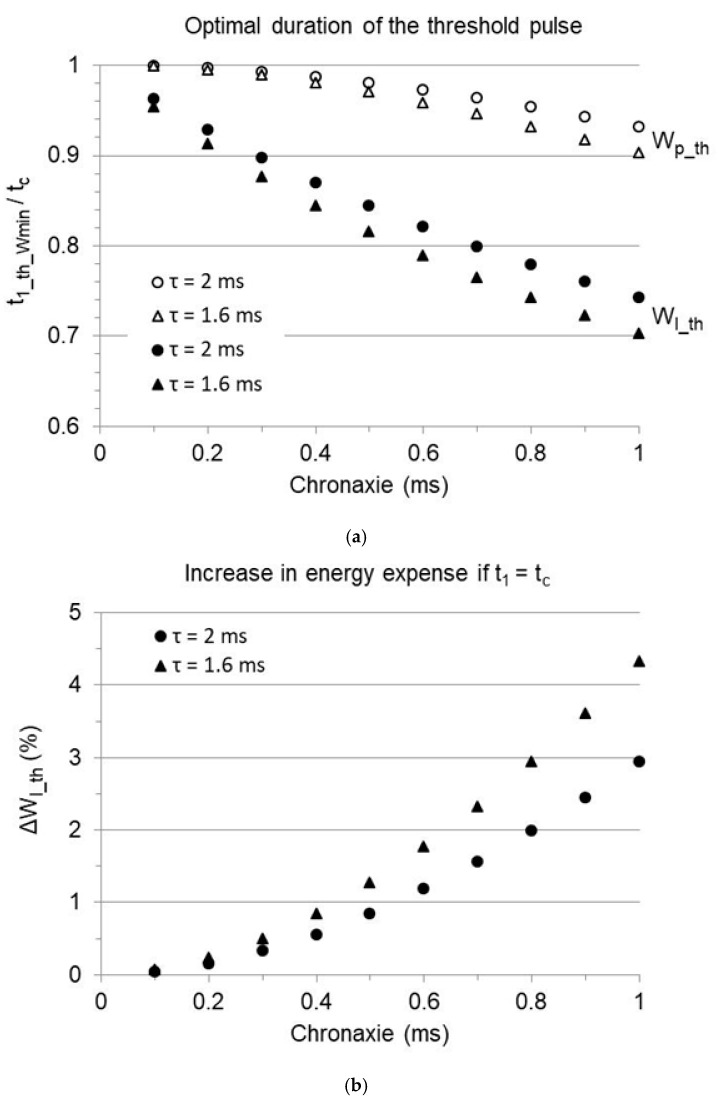 Figure 4
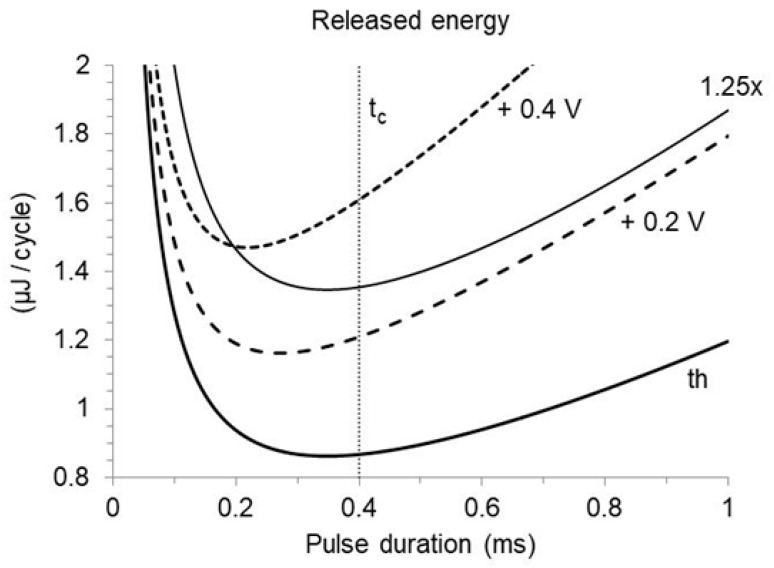 Figure 5
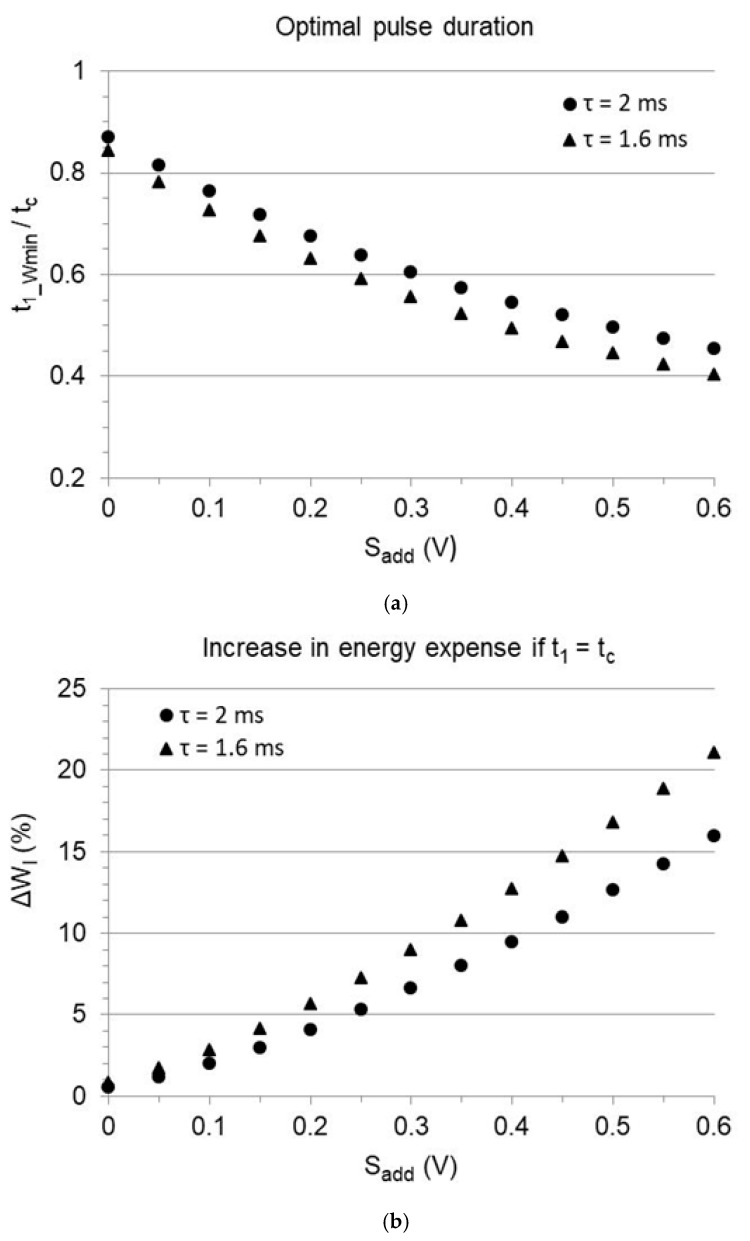 Figure 6
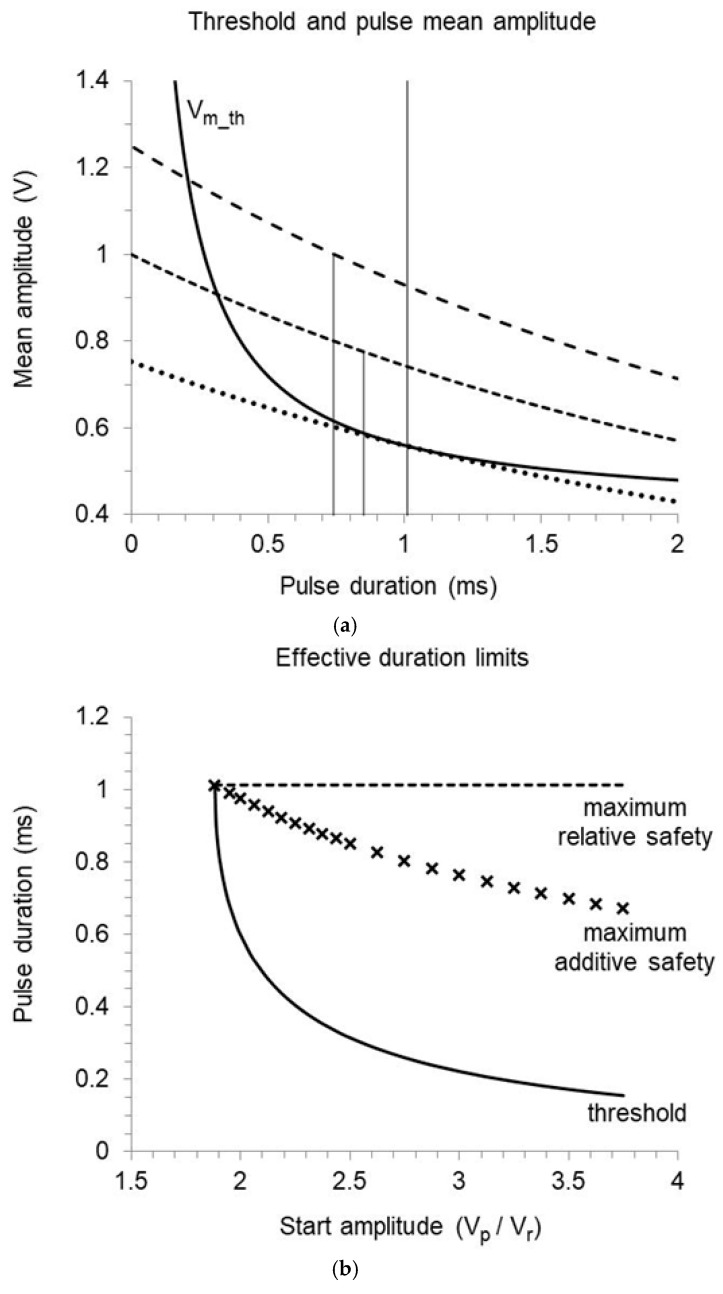 Figure 7
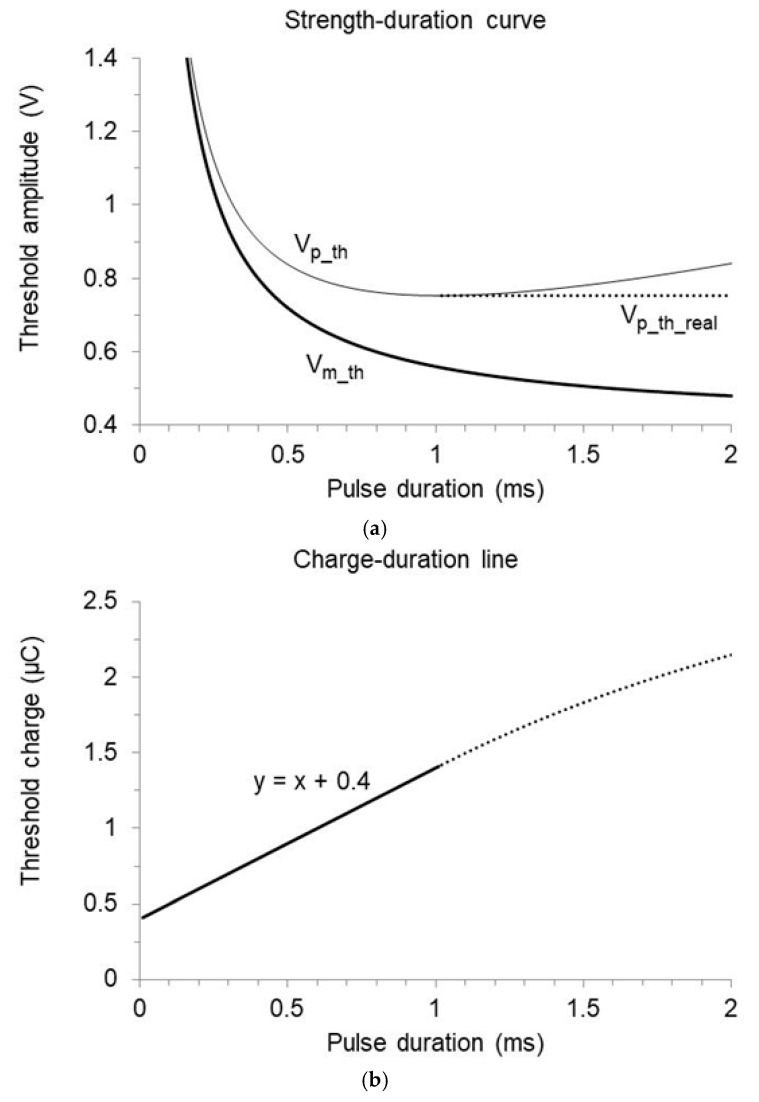 Figure 8
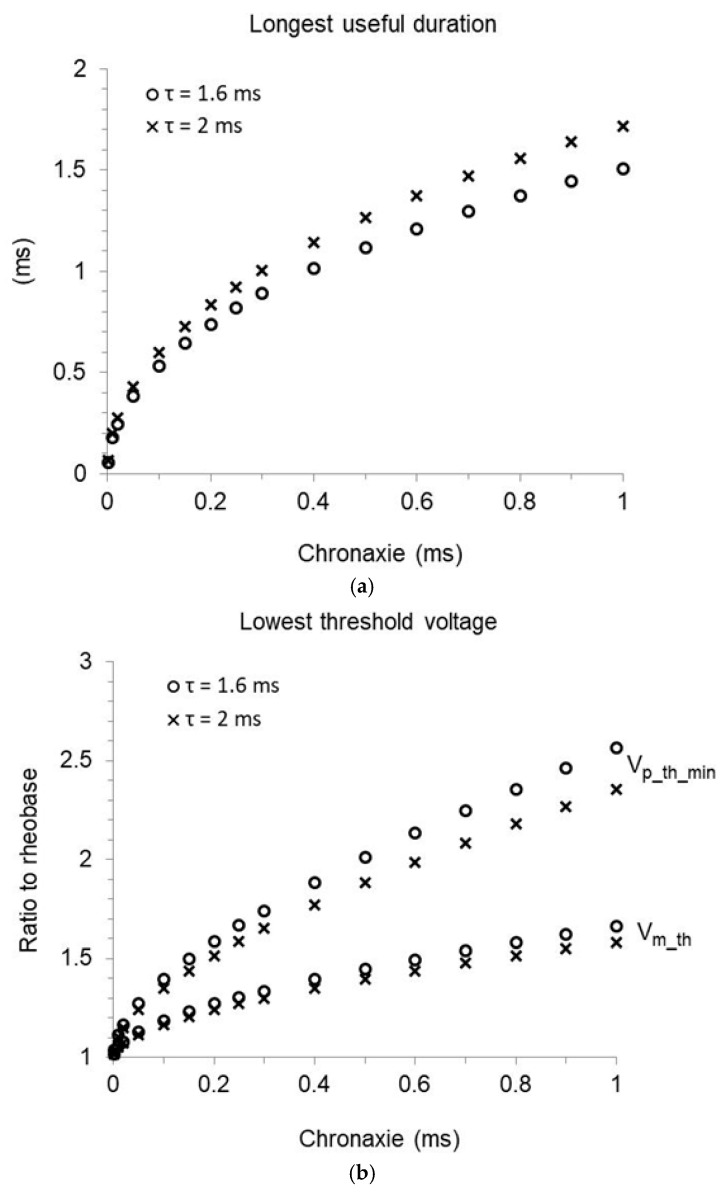 Figure 9
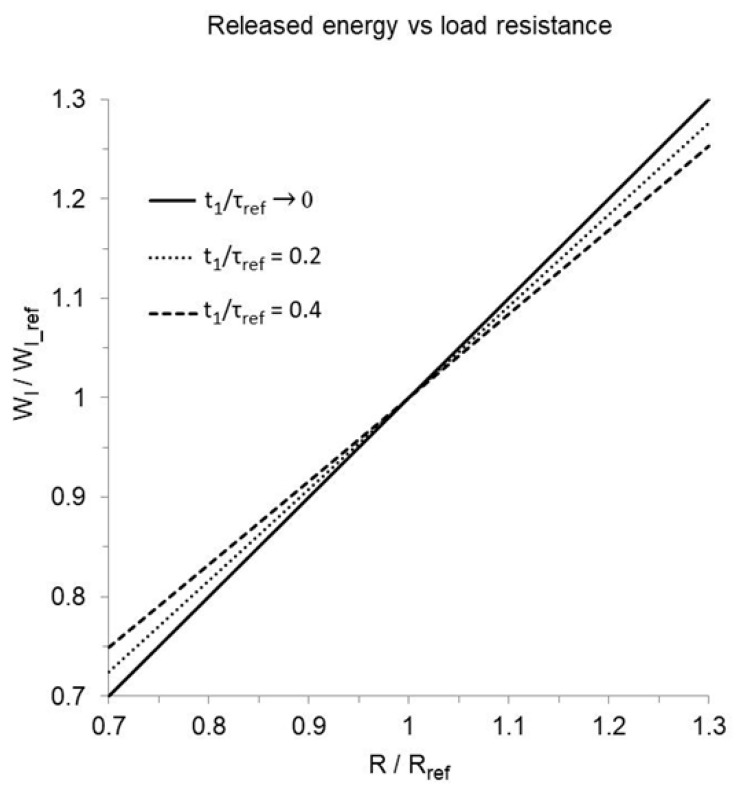 Figure 10
Peer Reviews
No public reviews on file for this paper yet. If you reviewed it on a platform where reviews are public (OpenReview, ICLR, NeurIPS, ICML), you can paste yours below so the community can read it here.
Videos
No videos yet. Explain this paper in a talk, walkthrough, or lecture? Add one.
Taxonomy
TopicsCardiac pacing and defibrillation studies · Neuroscience and Neural Engineering · Cardiac Arrhythmias and Treatments