High Diversity and Low Genetic Differentiation Among Geographic Populations of Myotis yumanensis in Western Canada
Xingyuan Su, Nicolas Popescu, Chadabhorn Insuk, Cori Lausen, Jianping Xu

TL;DR
This study examines the genetic diversity and population structure of Yuma Myotis bats in Western Canada to better manage their vulnerability to white-nose syndrome.
Contribution
The study provides the first detailed genetic analysis of Myotis yumanensis populations in Western Canada, revealing high diversity and low differentiation.
Findings
High genetic diversity was found within most geographic populations of Myotis yumanensis.
Low genetic differentiation was observed among populations, despite geographic differences.
The Lillooet population showed the highest genetic differentiation, suggesting non-geographic factors influence gene flow.
Abstract
Bats are keystone species and play important roles in natural ecosystems. There are at least 18 bat species in Canada, and the highest species diversity is found in British Columbia in Western Canada. At present, bats in 9 of the 10 Canadian provinces (except British Columbia) and 40 of the 48 continuous continental states in the United States of America have been reported to suffer from white-nose syndrome, a deadly infection caused by the fungus Pseudogymnoascus destructans. Yuma Myotis (Myotis yumanensis) is a common bat species in Western Canada that contributes significantly to insect pest control but is susceptible to white-nose syndrome. However, there is so far very limited genetic knowledge about this bat, including its population structure, especially in Western Canada. By analyzing 336 M. yumanensis from 10 geographic locations in Western Canada using nine nuclear…
Genes, proteins, chemicals, diseases, species, mutations and cell lines named across the full text — each resolved to its canonical identifier and authoritative record.
Click any figure to enlarge with its caption.
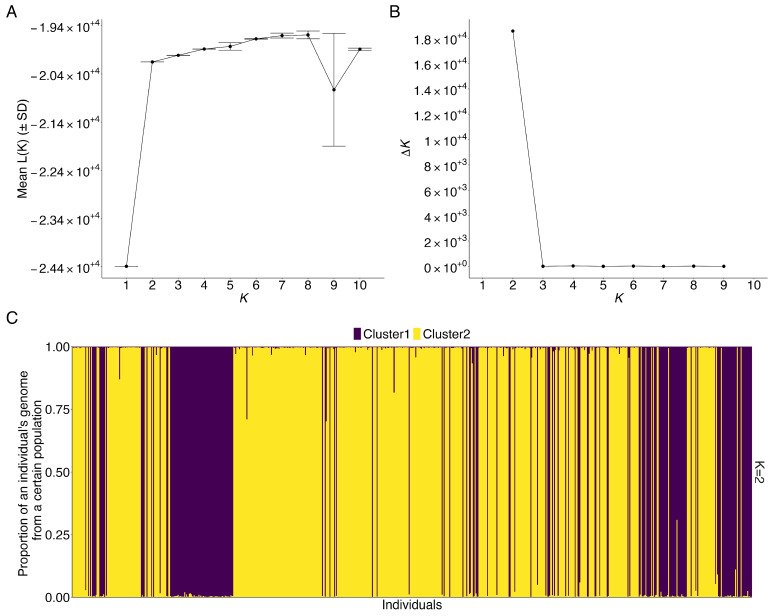 Figure 1
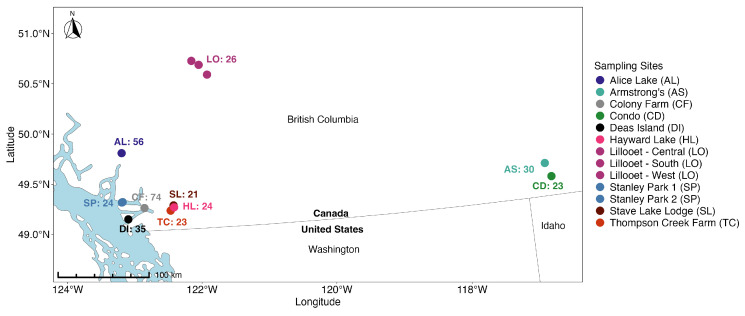 Figure 2
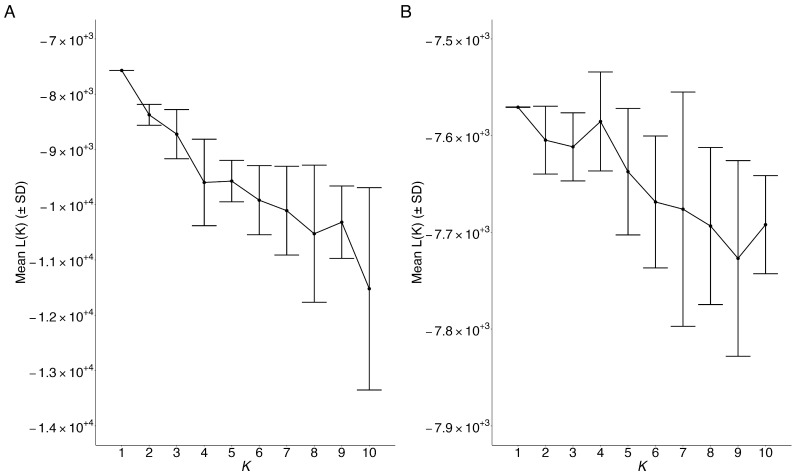 Figure 3
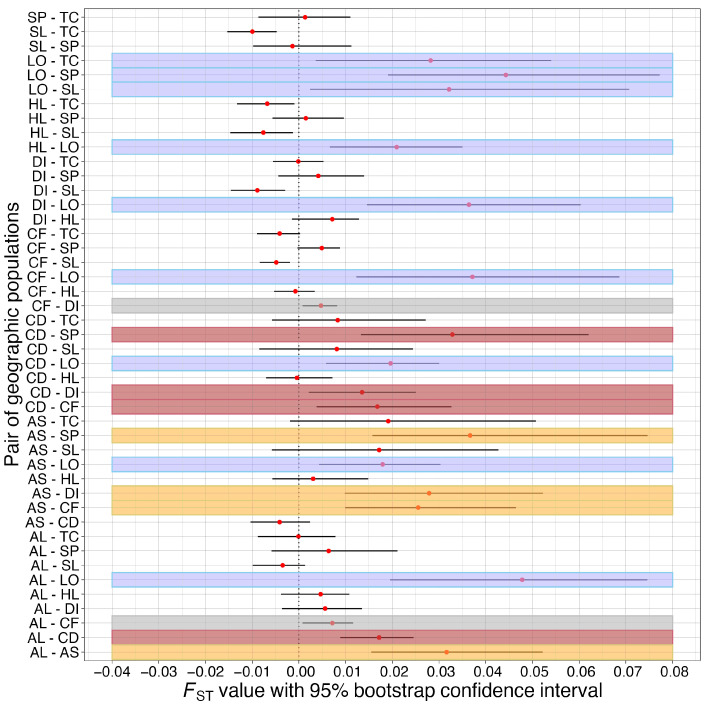 Figure 4
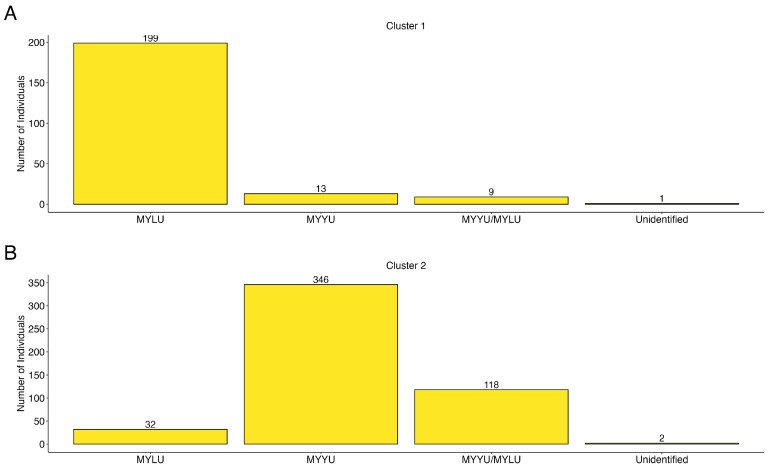 Figure 5
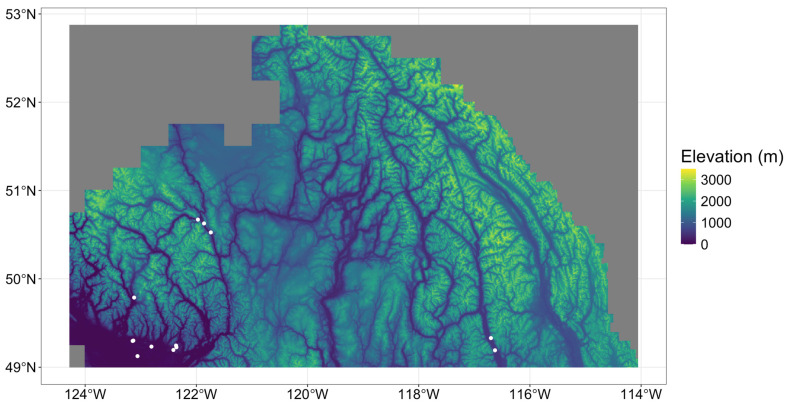 Figure 6
Peer Reviews
No public reviews on file for this paper yet. If you reviewed it on a platform where reviews are public (OpenReview, ICLR, NeurIPS, ICML), you can paste yours below so the community can read it here.
Videos
No videos yet. Explain this paper in a talk, walkthrough, or lecture? Add one.
Taxonomy
TopicsBat Biology and Ecology Studies · Yersinia bacterium, plague, ectoparasites research · Viral Infections and Vectors