Exploring Pet Owner Preferences in Order to Assess the Role of Cost and Quality of Life in Anti-Pruritic Treatment Plan Selection for Dog Owners
Andrea Wright, Edwina Gildea, Michelle Greaves, Louise Longstaff, Robin Wyn, Nirav Nagda, Kristina DiPietrantonio, Ashley Enstone, Danielle Riley, David Bartram

TL;DR
This study shows that many UK dog owners are willing to pay for safer and more effective treatments to improve their dog's quality of life when dealing with itching.
Contribution
The study provides new insights into pet owner preferences and willingness-to-pay for anti-pruritic treatments in dogs.
Findings
Almost half of UK dog owners are willing to pay for more effective anti-pruritic treatments.
Over 50% of respondents preferred newer, safer therapies over corticosteroids for acute pruritus.
Safety and effectiveness were the most important attributes of therapy for managing pruritus.
Abstract
Itch, known as pruritus, is known to reduce the quality of life of both pet dogs and their owners. However, dog owners’ opinions about treatments for canine pruritus are not well known. Using a web-based quantitative survey, we found that almost half of UK’s dog owners were willing to pay for more effective treatments against canine pruritus to improve their dog’s quality of life regardless their financial status. More than half of the dog owners that took part in the survey preferred safer and newer treatment options, and as such, veterinary clinics should discuss and offer newly available therapies for acute and chronic pruritus with pet owners where medically appropriate. A web-based quantitative survey tested pet owners’ preferences and willingness-to-pay for canine anti-pruritus therapies, and for improvements in pruritus-related quality of life. This survey was designed using…
Genes, proteins, chemicals, diseases, species, mutations and cell lines named across the full text — each resolved to its canonical identifier and authoritative record.
Click any figure to enlarge with its caption.
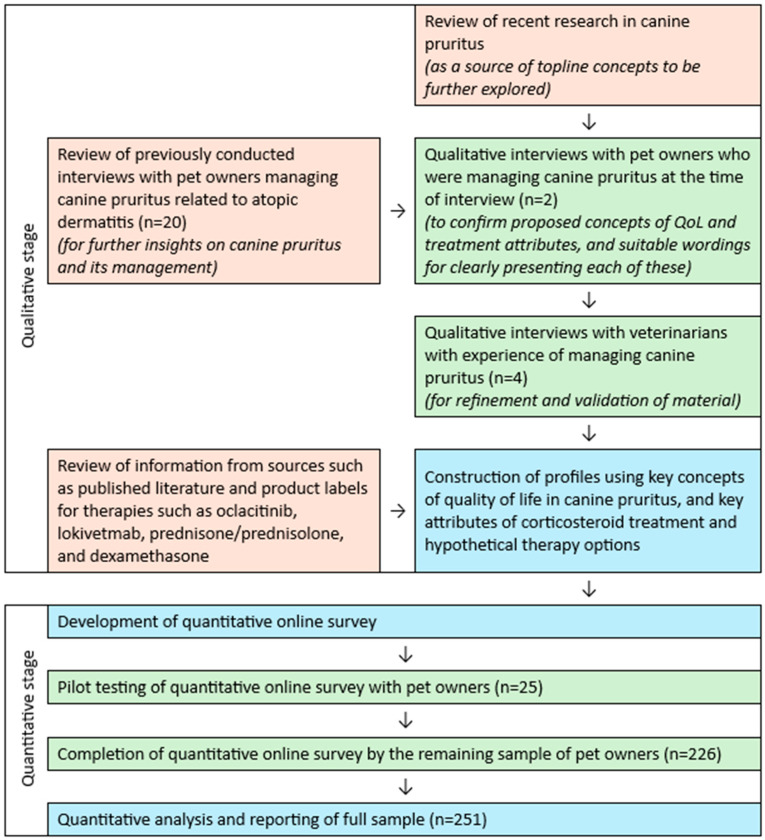 Figure 1
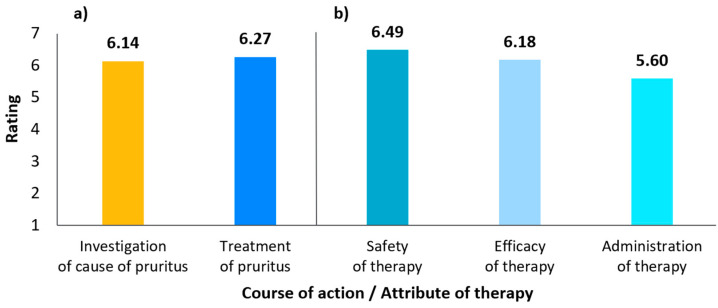 Figure 2
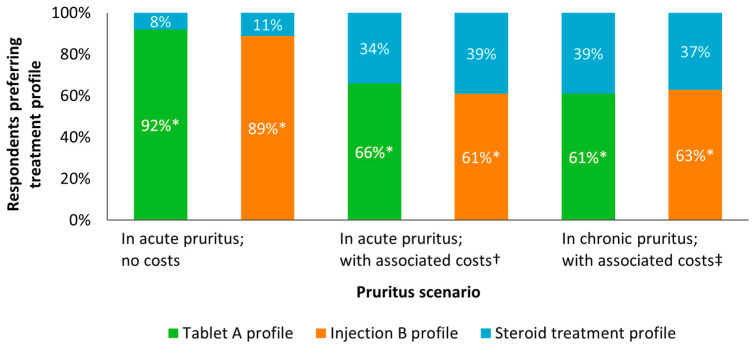 Figure 3
Peer Reviews
No public reviews on file for this paper yet. If you reviewed it on a platform where reviews are public (OpenReview, ICLR, NeurIPS, ICML), you can paste yours below so the community can read it here.
Videos
No videos yet. Explain this paper in a talk, walkthrough, or lecture? Add one.
Taxonomy
TopicsHuman-Animal Interaction Studies · Dermatology and Skin Diseases · Veterinary Orthopedics and Neurology