What Is the Impact of Antibiotic Resistance Determinants on the Bacterial Death Rate?
Bruno T. S. Luz, João S. Rebelo, Francisca Monteiro, Francisco Dionisio

TL;DR
This study explores how antibiotic resistance affects how quickly bacteria die when exposed to bactericidal antibiotics, finding that resistance can both speed up and slow down death rates depending on the type of resistance.
Contribution
The study reveals that resistance determinants can have epistatic interactions and influence bacterial death rates differently during early and persistent phases of antibiotic exposure.
Findings
Nalidixic acid or rifampicin-resistant single mutants decayed faster than sensitive cells during the early phase.
Double-resistant mutants showed prolonged survival, indicating epistatic interactions between resistance mutations.
Plasmid-carrying bacteria exhibited altered persistent-phase death rates compared to plasmid-free cells.
Abstract
Objectives: Antibiotic-resistant bacteria are widespread, with resistance arising from chromosomal mutations and resistance genes located in the chromosome or in mobile genetic elements. While resistance determinants often reduce bacterial growth rates, their influence on bacterial death under bactericidal antibiotics remains poorly understood. When bacteria are exposed to bactericidal antibiotics to which they are susceptible, they typically undergo a two-phase decline: a fast initial exponentially decaying phase, followed by a persistent slow-decaying phase. This study examined how resistance determinants affect death rates during both phases. Methods: We analyzed the death rates of ampicillin-exposed Escherichia coli populations of strains sensitive to ampicillin but resistant to nalidixic acid, rifampicin, or both, and bacteria carrying the conjugative plasmids RN3 or R702. Results:…
Genes, proteins, chemicals, diseases, species, mutations and cell lines named across the full text — each resolved to its canonical identifier and authoritative record.
Click any figure to enlarge with its caption.
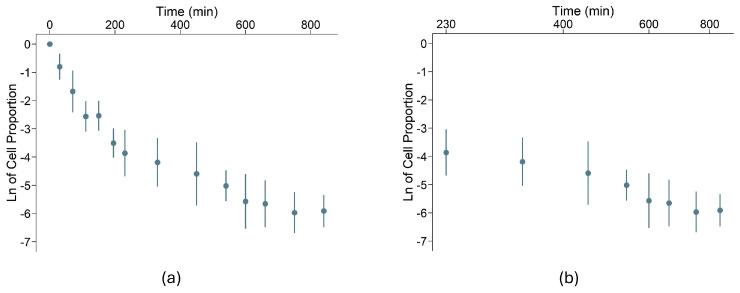 Figure 1
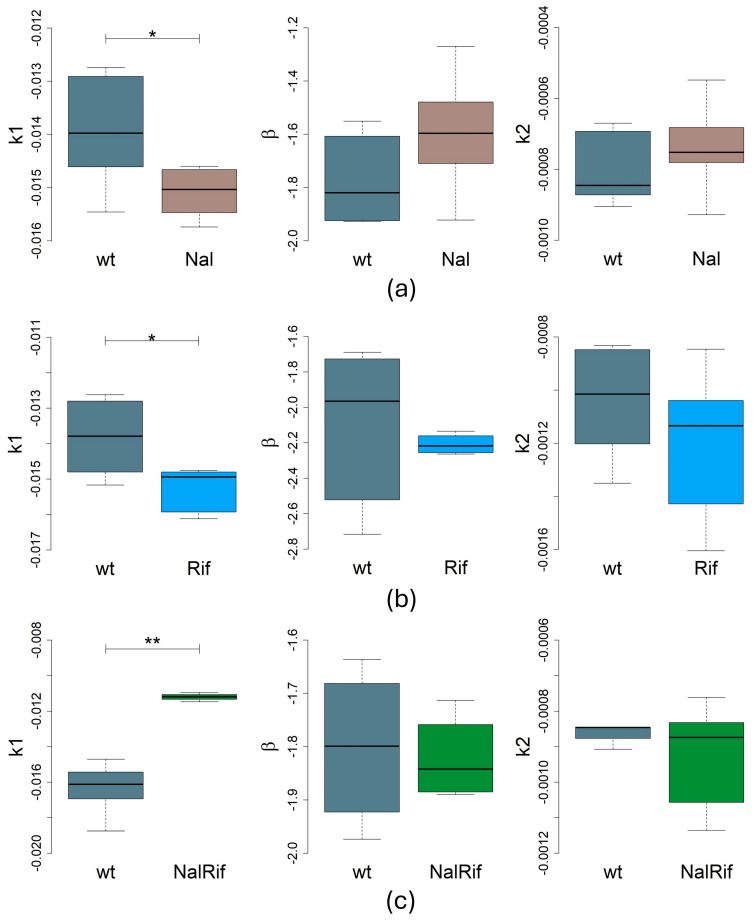 Figure 2
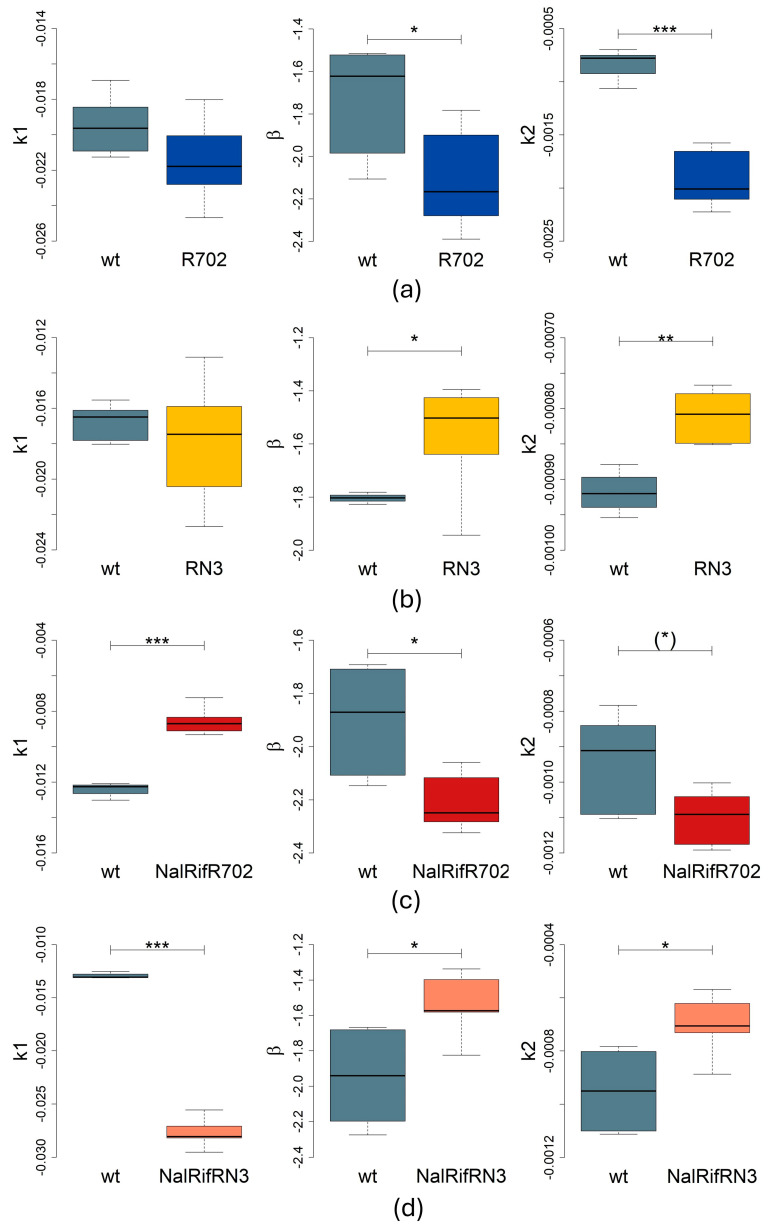 Figure 3
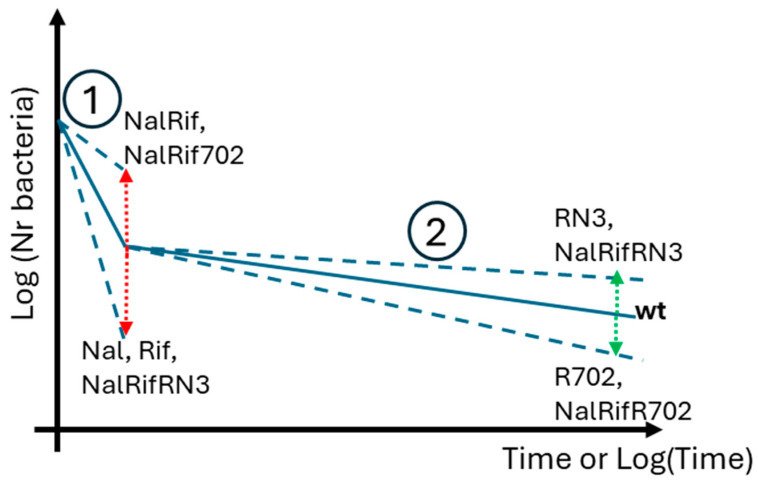 Figure 4
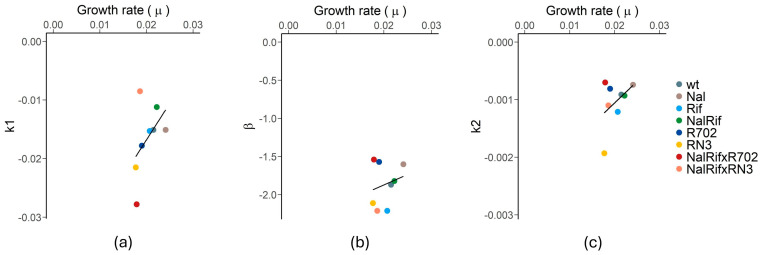 Figure 5
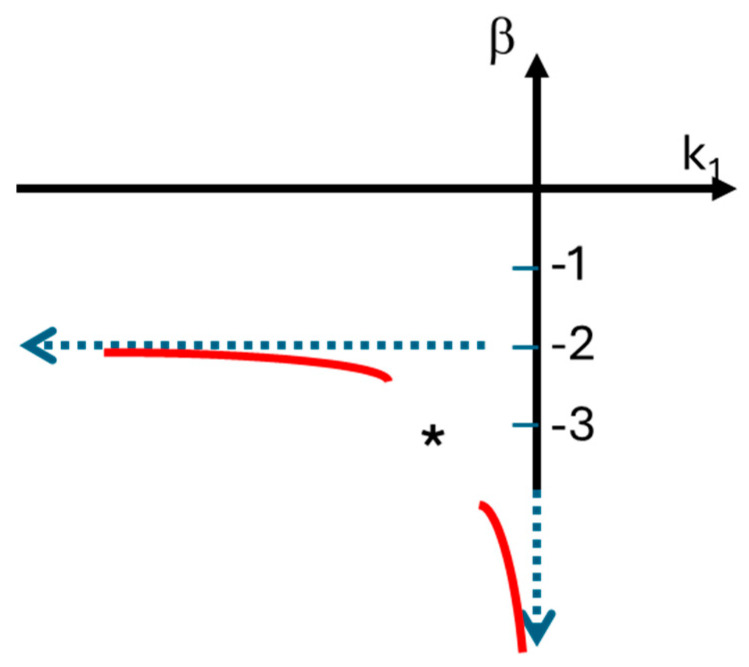 Figure 6
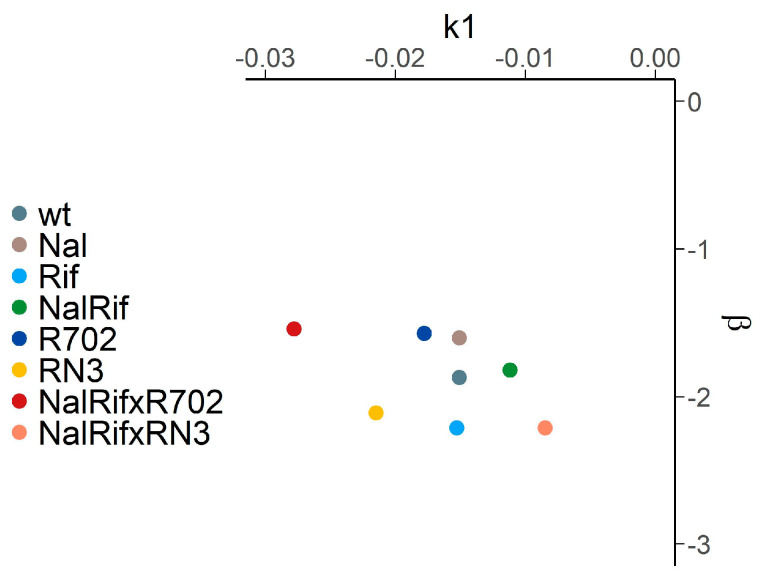 Figure 7
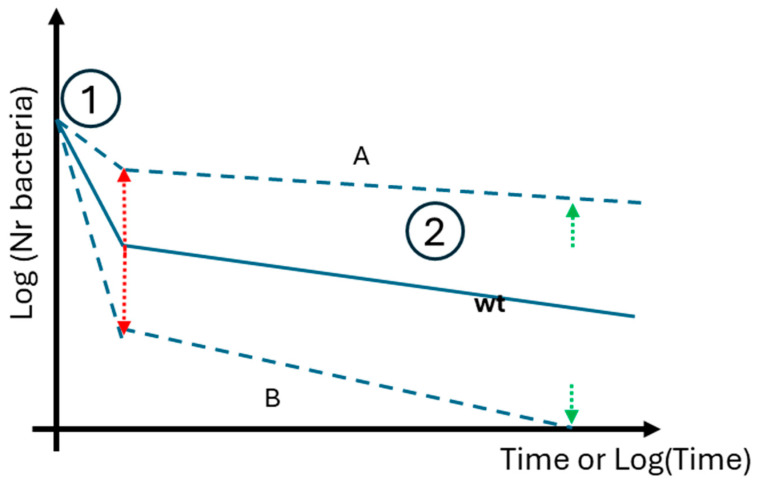 Figure 8
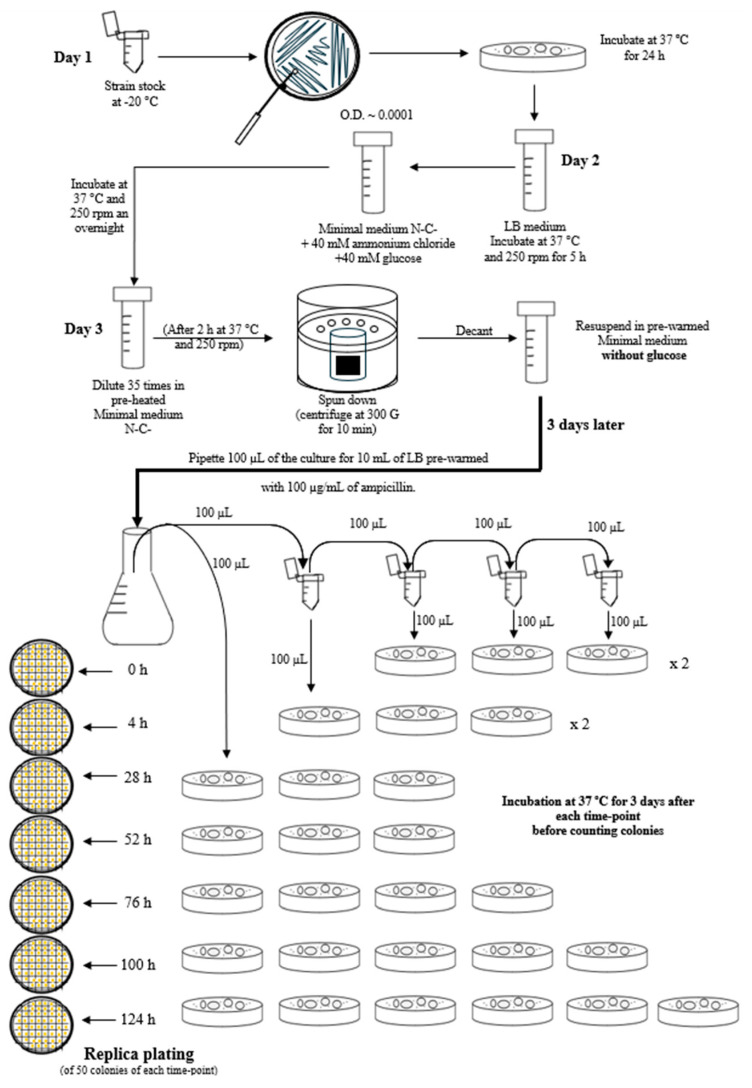 Figure 9
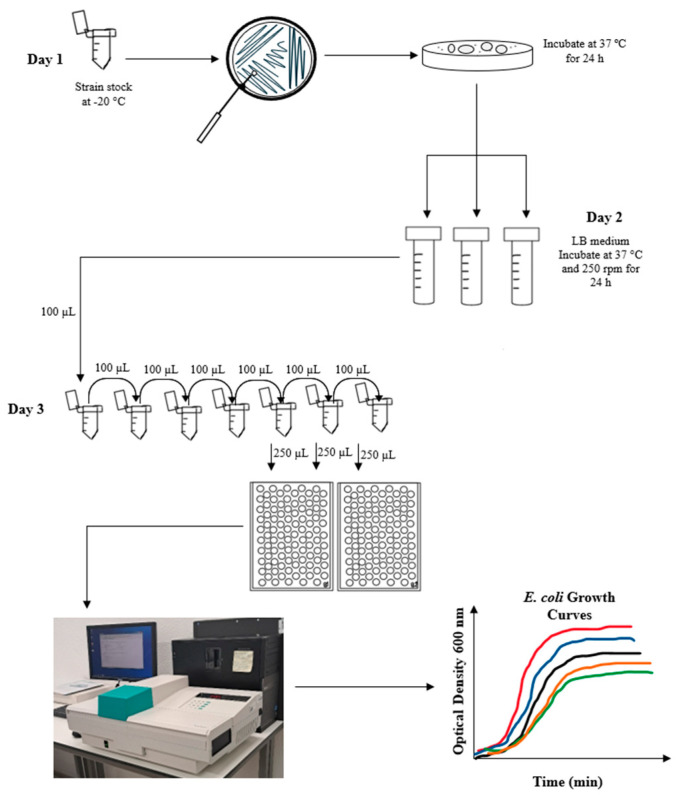 Figure 10
Peer Reviews
No public reviews on file for this paper yet. If you reviewed it on a platform where reviews are public (OpenReview, ICLR, NeurIPS, ICML), you can paste yours below so the community can read it here.
Videos
No videos yet. Explain this paper in a talk, walkthrough, or lecture? Add one.
Taxonomy
TopicsAntibiotic Resistance in Bacteria · Bacteriophages and microbial interactions · Bacterial Genetics and Biotechnology