Functional Study of Four Histone Genes Involved in the Spermatogenesis of Cynoglossus semilaevis
Xuexue Sun, Zhijie Li, Lijun Wang, Haipeng Yan, Xihong Li, Na Wang, Zhongdian Dong, Wenteng Xu

TL;DR
This study explores how four histone genes influence spermatogenesis in Chinese tongue sole, a fish species where females can become pseudomales that produce only Z sperm.
Contribution
The study identifies four histone genes and their regulatory roles in gonadal development and spermatogenesis in Chinese tongue sole.
Findings
The four histone genes show peak expression during late gonadal development in Chinese tongue sole.
siRNA knockdown of these genes affects spermatogenesis-related genes like dmrt1, tesk1, and neurl3.
Promoter analysis suggests YY1A, YY1B, C-JUN, and JUNB may negatively regulate these histone genes.
Abstract
The genetic females of Chinese tongue sole (ZW sex chromosomes) can sex reverse to phenotypic males, designated pseudomales, while the pseudomale produces only Z sperm with W sperm missing. Previous studies have shown that histone plays an important role in spermatogenesis; thus, we selected four histone genes, h1.1-like, h1.2-like, h3, and h3.3-like, for further analysis. Their expression reached their highest levels at 1.5–2 years post-hatching, indicating that its role began during the late stage of gonadal development. The promoter of the four genes was located approximately 2000 bp upstream, and transcription factor sites were predicted. Among them, YY1A, YY1B, C-JUN, and JUNB may have negative regulatory effects on h1.1-like, h1.2-like, h3, and h3.3-like; AR and ETS-2 may have positive regulatory effects on h3 and h3.3-like. In situ hybridization showed mRNAs of these four genes…
Genes, proteins, chemicals, diseases, species, mutations and cell lines named across the full text — each resolved to its canonical identifier and authoritative record.
Click any figure to enlarge with its caption.
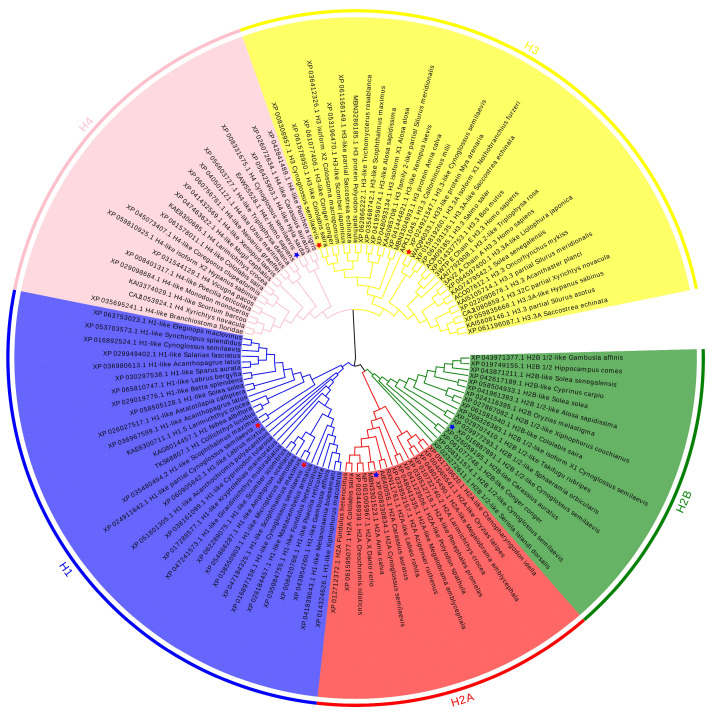 Figure 1
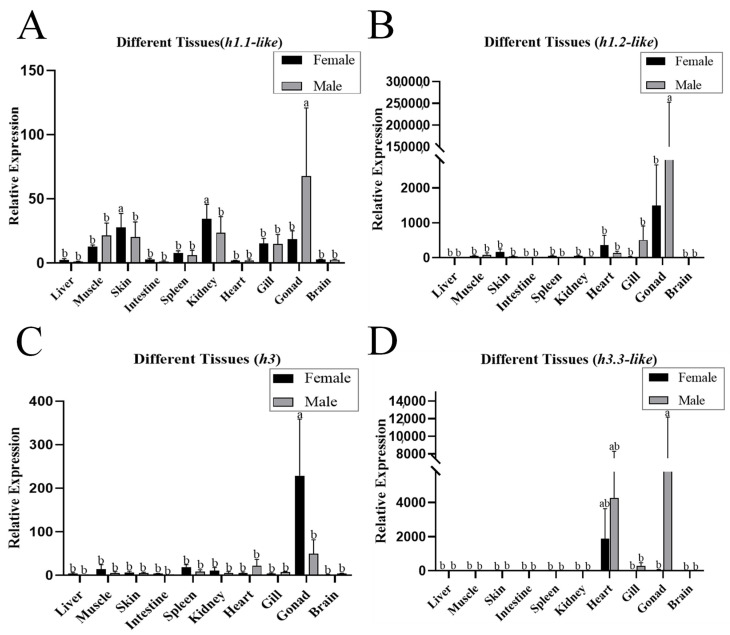 Figure 2
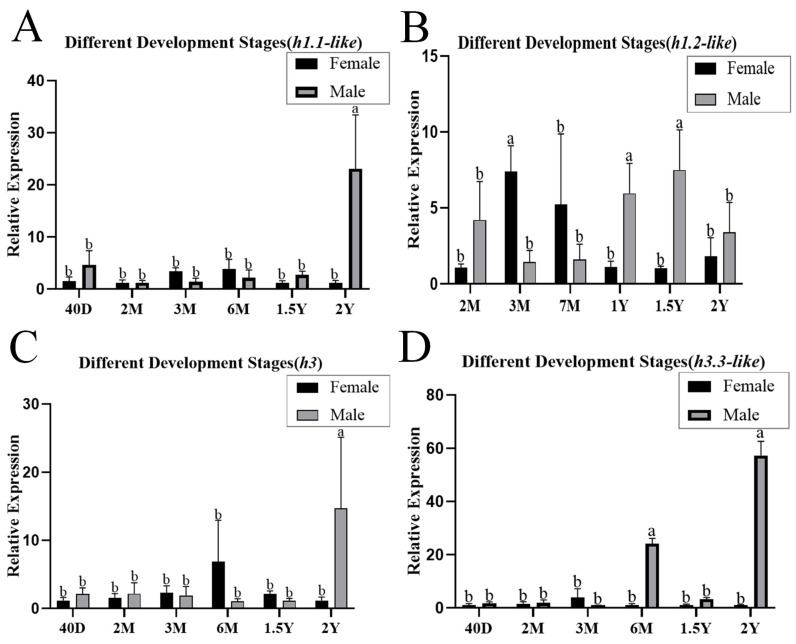 Figure 3
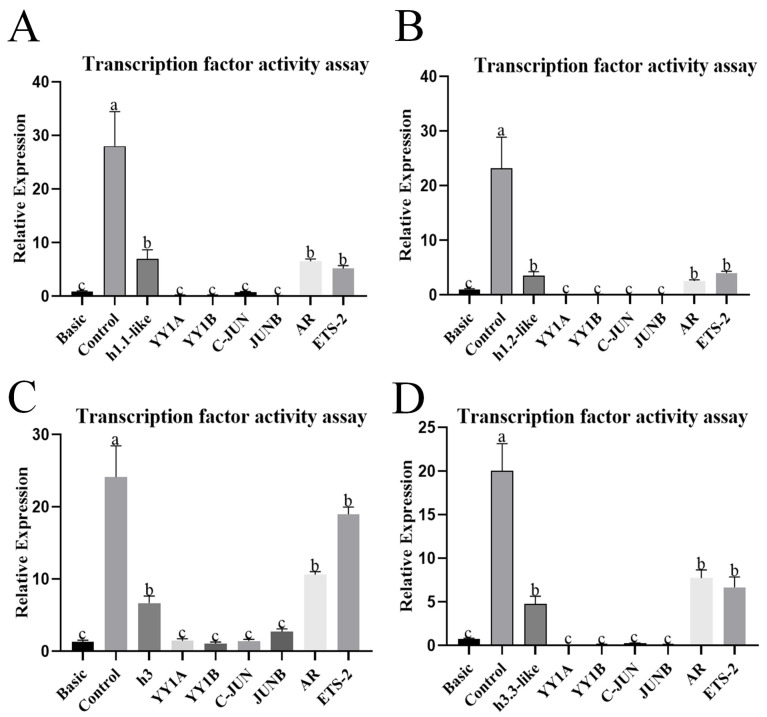 Figure 4
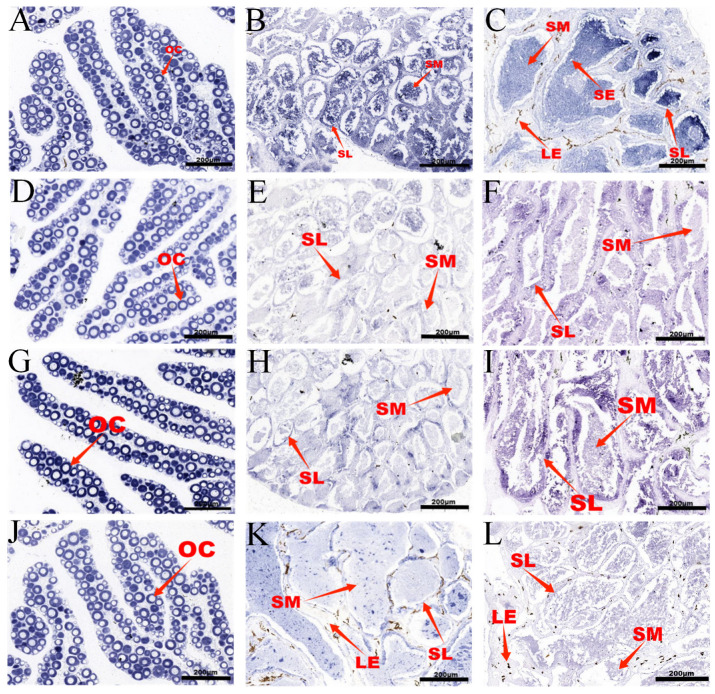 Figure 5
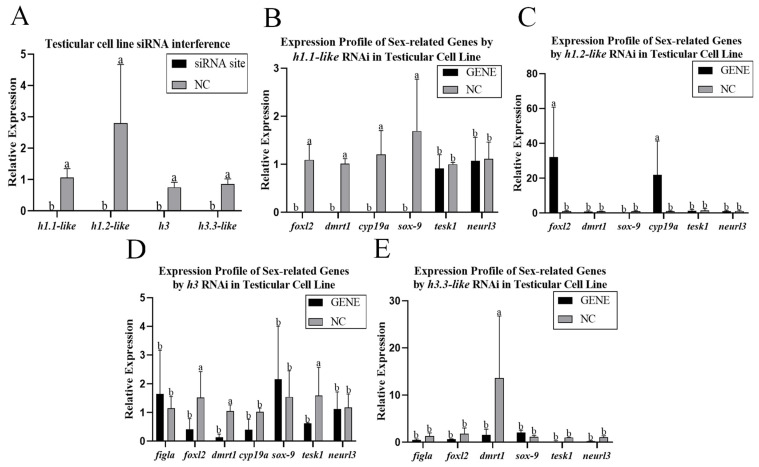 Figure 6
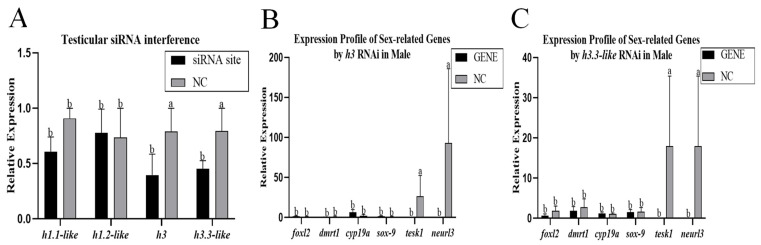 Figure 7
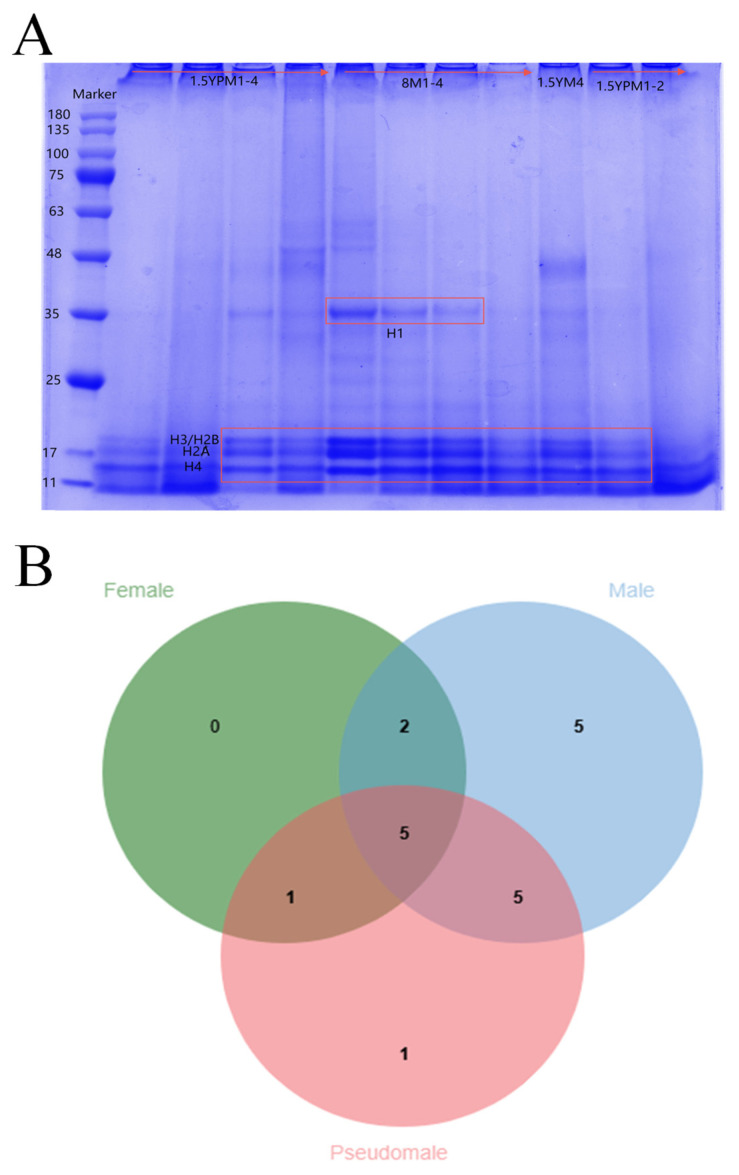 Figure 8
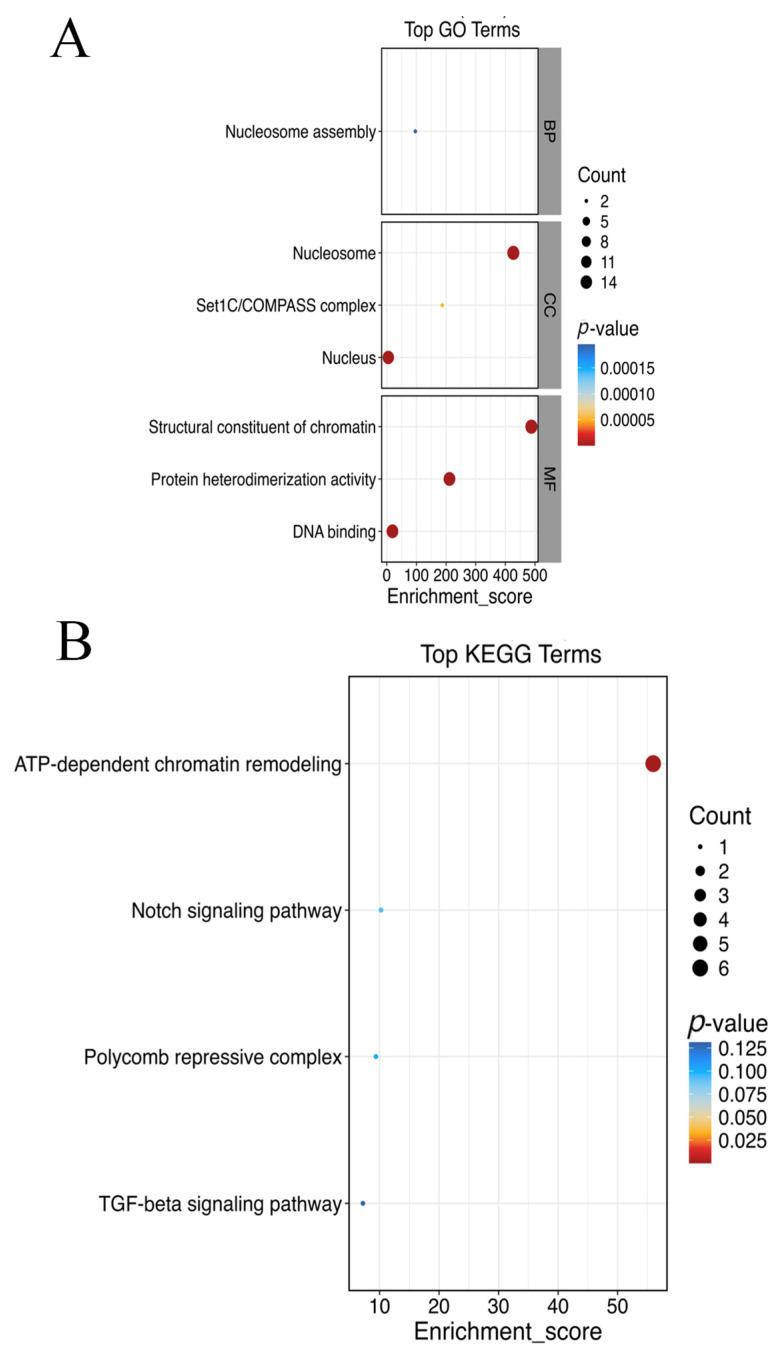 Figure 9
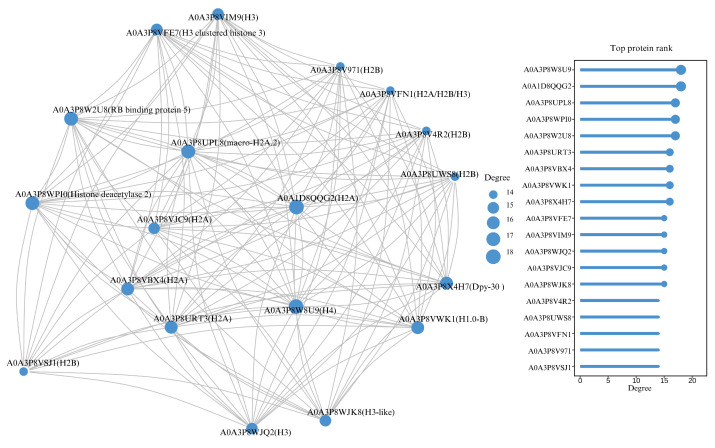 Figure 10
Peer Reviews
No public reviews on file for this paper yet. If you reviewed it on a platform where reviews are public (OpenReview, ICLR, NeurIPS, ICML), you can paste yours below so the community can read it here.
Videos
No videos yet. Explain this paper in a talk, walkthrough, or lecture? Add one.
Taxonomy
TopicsGenetic and Clinical Aspects of Sex Determination and Chromosomal Abnormalities · Cancer-related molecular mechanisms research · Genomics and Chromatin Dynamics