Differential Remodelling of Endometrial Extracellular Matrix in the Non-Pregnant Uterus of Lagostomus maximus as a Potential Mechanism Underlying Embryonic Death
Francisco Acuña, Gisela Soledad Gualdoni, Francisco Rivollier, Camila Barril, Enrique Leo Portiansky, Claudio Gustavo Barbeito, Elisa Cebral

TL;DR
This study explores how differences in the uterine structure of plains viscachas may explain why some embryos survive while others die during pregnancy.
Contribution
The study identifies differential extracellular matrix remodelling in the non-pregnant uterus of Lagostomus maximus as a potential mechanism for embryonic death.
Findings
Caudal uterine segments show increased collagen and elastic fibres compared to cranial and middle segments.
MMP-9 activity is significantly higher in the caudal segment, which may support embryonic survival.
Endometrial ECM variations along the craniocaudal axis may regulate embryonic survival during gestation.
Abstract
Embryonic death is an inherent process in the reproductive biology of the plains viscacha (Lagostomus maximus). During this process of embryonic death, embryos implanted in the caudal uterine segments survive, whereas those in the cranial and middle segments do not. Endometrial remodelling plays a key role in embryonic development. In this study, various extracellular matrix molecules (metalloproteinases, their inhibitors, and fibrillar components) were analysed in three uterine segments (cranial, middle, and caudal) of adult viscachas using histology, immunohistochemistry, and zymography. The results revealed greater endometrial remodelling along the craniocaudal axis. This finding may help to explain the phenomenon of embryonic death in this species. During development, the remodelling of fibrillar components of the uterine extracellular matrix (ECM), mediated by the matrix…
Genes, proteins, chemicals, diseases, species, mutations and cell lines named across the full text — each resolved to its canonical identifier and authoritative record.
Click any figure to enlarge with its caption.
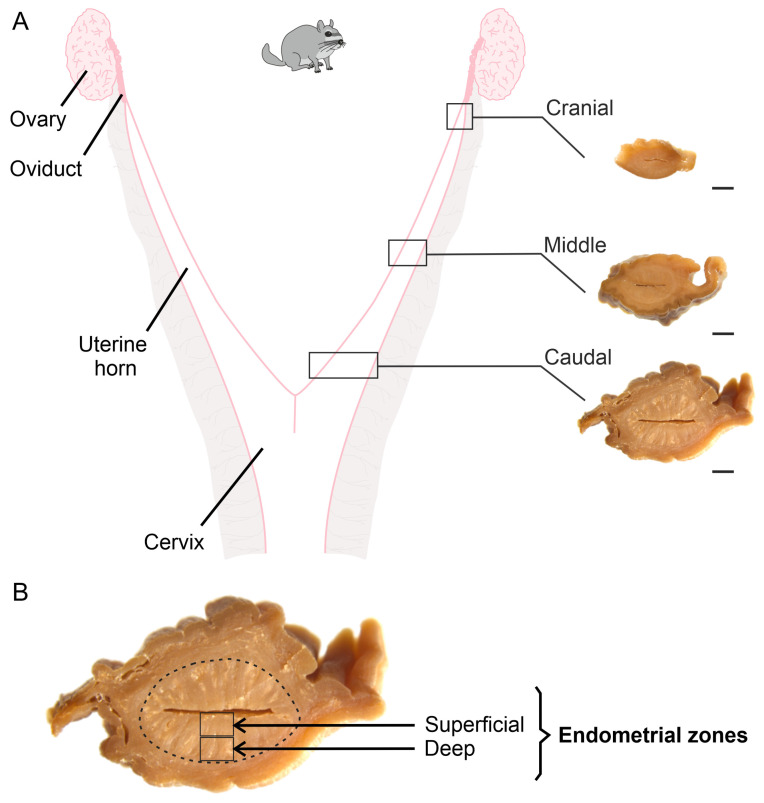 Figure 1
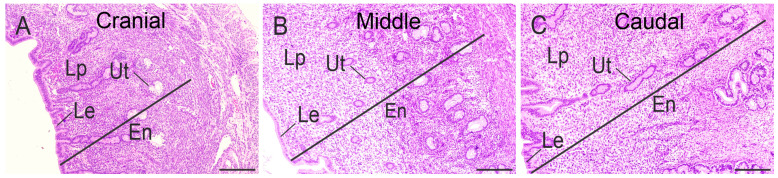 Figure 2
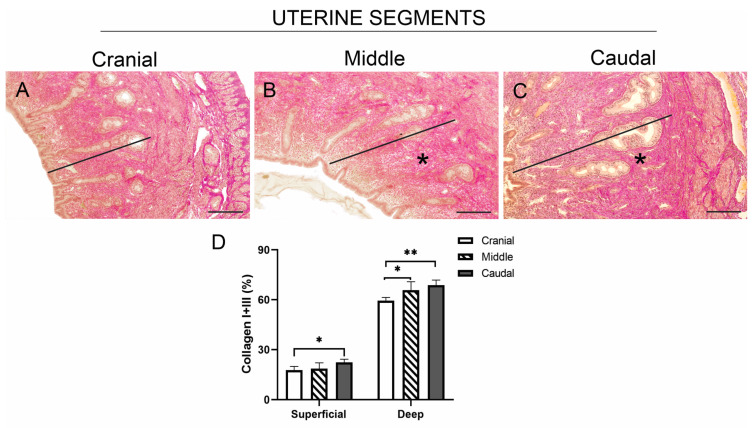 Figure 3
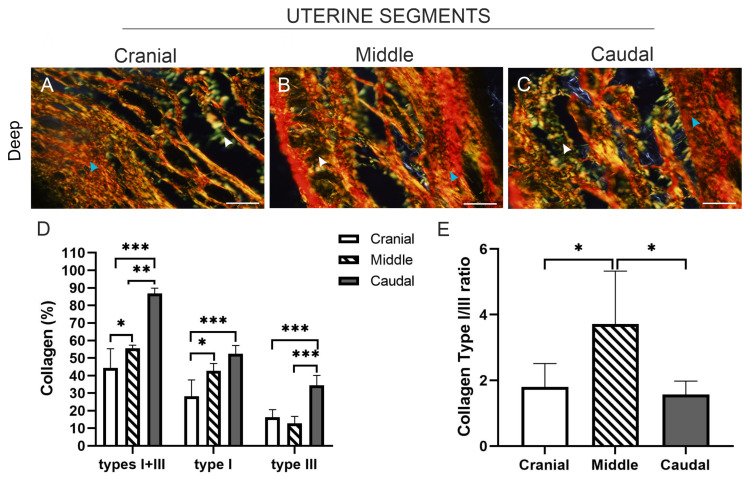 Figure 4
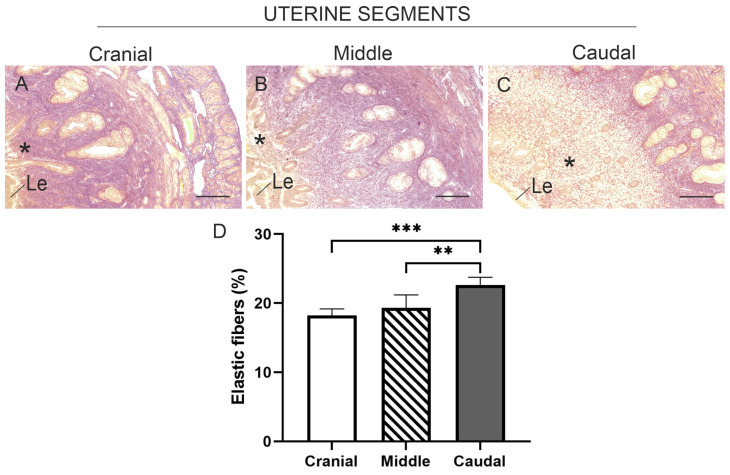 Figure 5
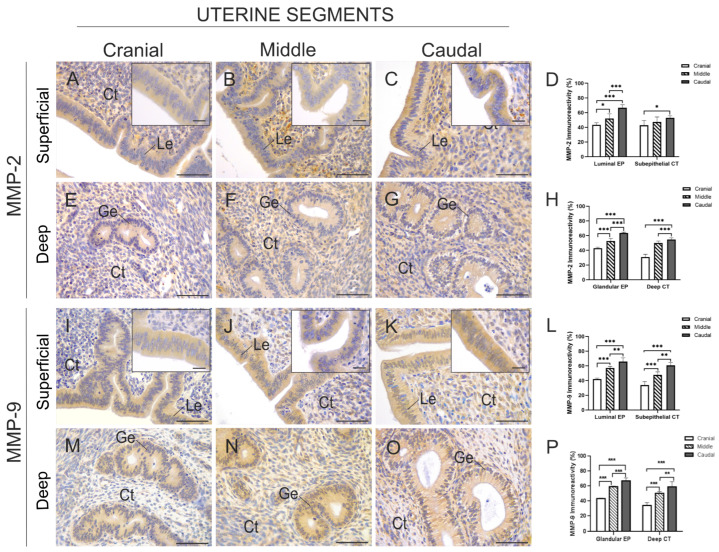 Figure 6
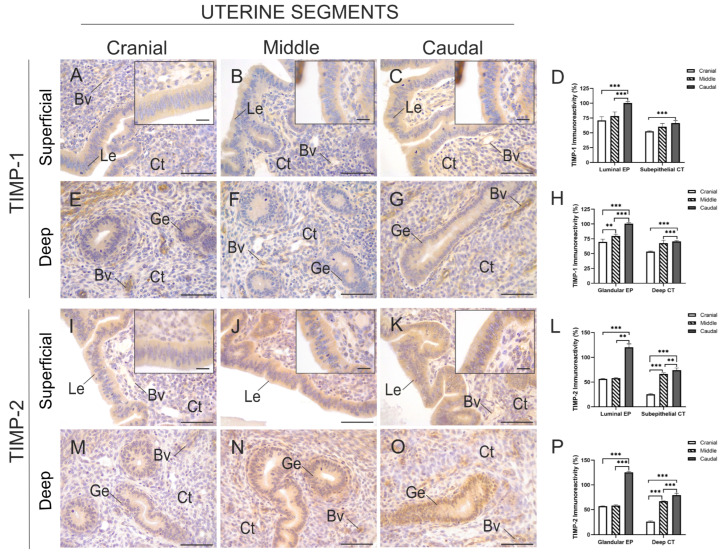 Figure 7
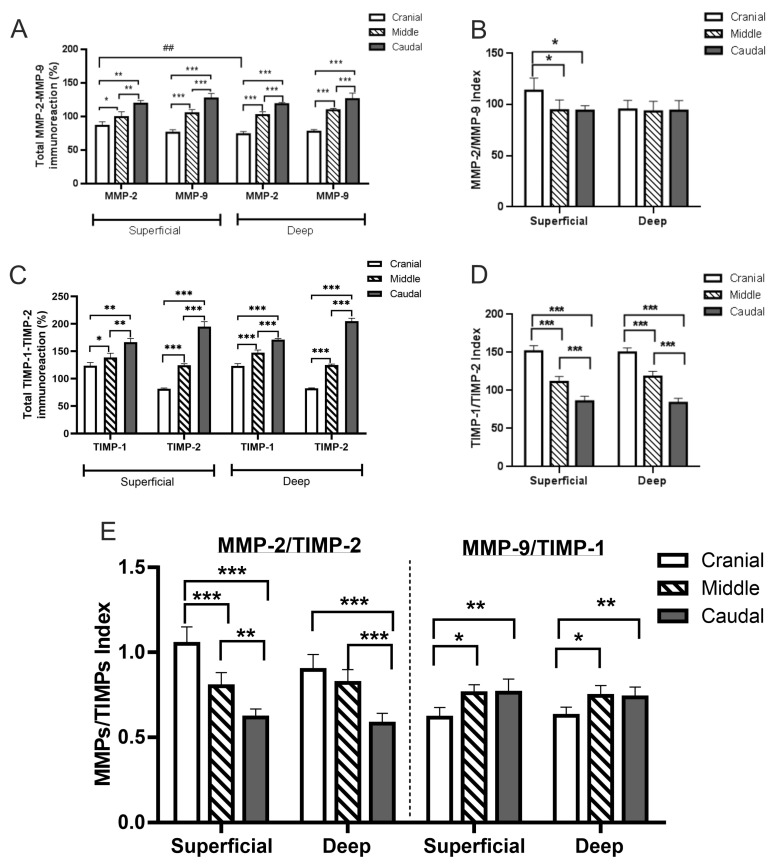 Figure 8
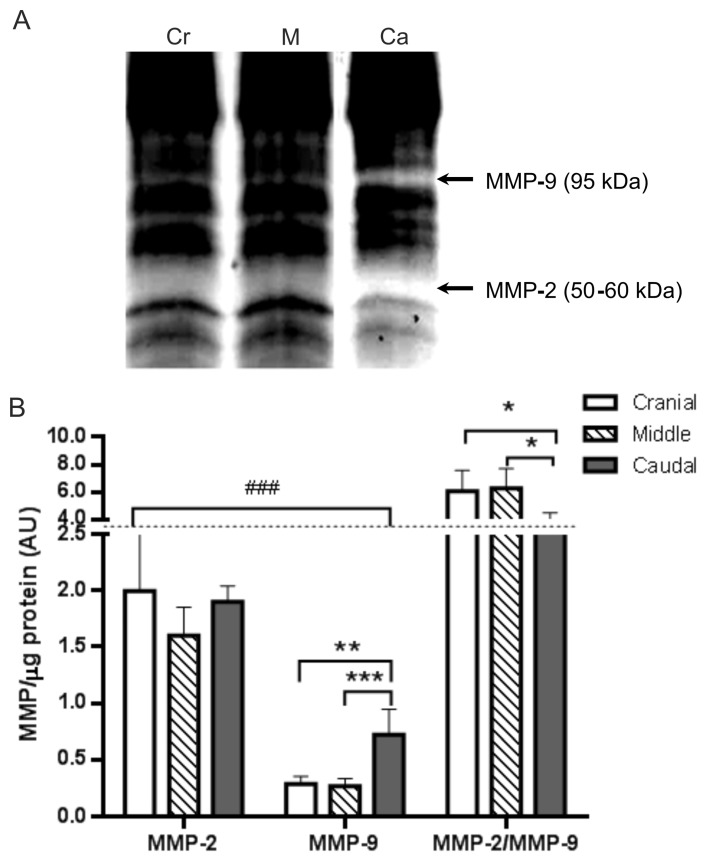 Figure 9
Peer Reviews
No public reviews on file for this paper yet. If you reviewed it on a platform where reviews are public (OpenReview, ICLR, NeurIPS, ICML), you can paste yours below so the community can read it here.
Videos
No videos yet. Explain this paper in a talk, walkthrough, or lecture? Add one.
Taxonomy
TopicsReproductive System and Pregnancy · Blood Coagulation and Thrombosis Mechanisms · Protease and Inhibitor Mechanisms