Chemical and Biological Mechanisms Relevant to the Rescue of MG-132-Treated Neurons by Cysteine
Anna-Katharina Ückert, Ilinca Suciu, Anja Land, Anna-Sophie Spreng, Hannah Welte, Doreen Herzog, Michael Basler, Marcel Leist

TL;DR
This study investigates how cysteine protects neurons from MG-132, a proteasome inhibitor, and finds that it acts as an antioxidant rather than chemically inactivating the drug.
Contribution
The study clarifies the mechanism of cysteine's neuroprotection against MG-132, challenging previous assumptions about chemical inactivation.
Findings
L-cysteine reacts with MG-132 to form a stable product, but does not fully inactivate it in cellular models.
Glutathione and N-acetyl-cysteine do not reduce proteasome inhibition by MG-132, even at high concentrations.
Cysteine's protective effect is likely due to antioxidant activity rather than chemical inactivation of MG-132.
Abstract
Proteasome dysfunctions are observed in many human pathologies. To study their role and potential treatment strategies, models of proteasome inhibition are widely used in biomedical research. One frequently used tool is the proteasome inhibitor MG-132. It triggers the degeneration of human neurons, and several studies show protection from pathological events by glutathione or its precursors. It has therefore been concluded that glutathione protects cells from proteasome dysfunction. However, an alternative explanation is that MG-132, which is a peptide aldehyde, is chemically inactivated by thiols, and the apparent protection by glutathione from proteasome dysfunction is an artefact. To clarify this issue, we examined the chemical inactivation of MG-132 by thiols and the role of such reactions for neuroprotection. Using mass spectrometry and nuclear magnetic resonance spectroscopy, we…
Genes, proteins, chemicals, diseases, species, mutations and cell lines named across the full text — each resolved to its canonical identifier and authoritative record.
Click any figure to enlarge with its caption.
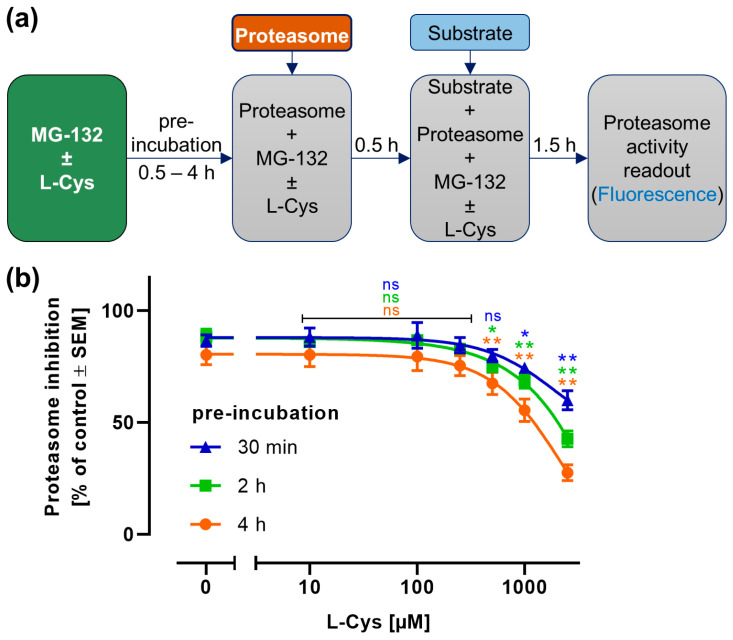 Figure 1
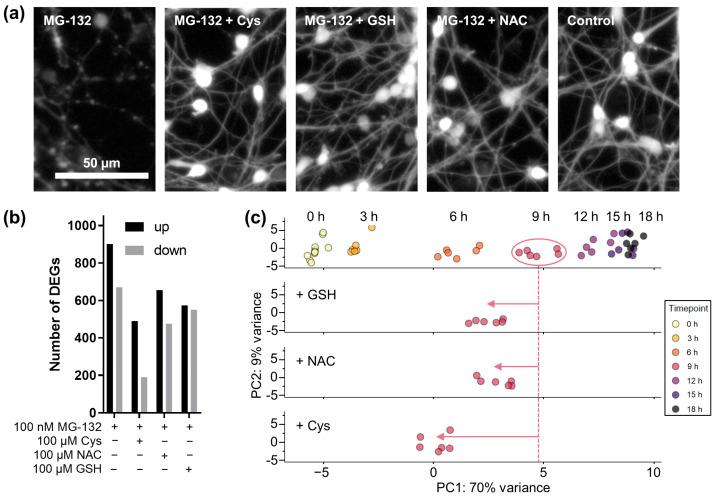 Figure 2
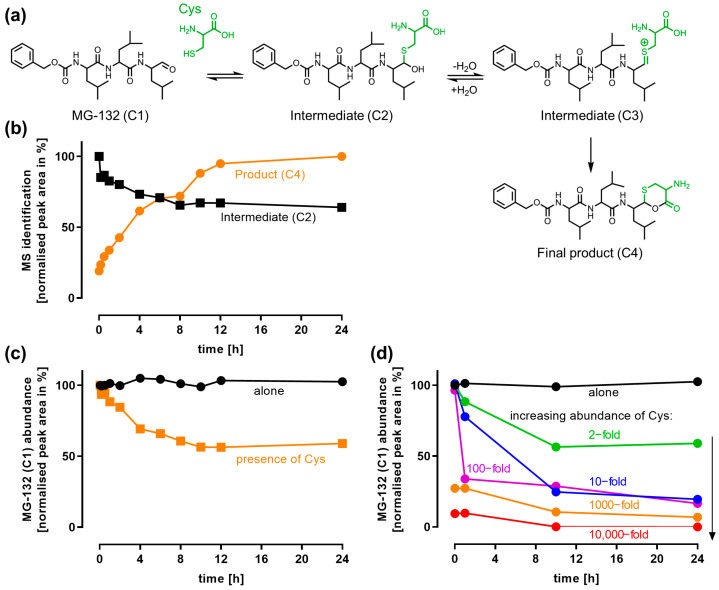 Figure 3
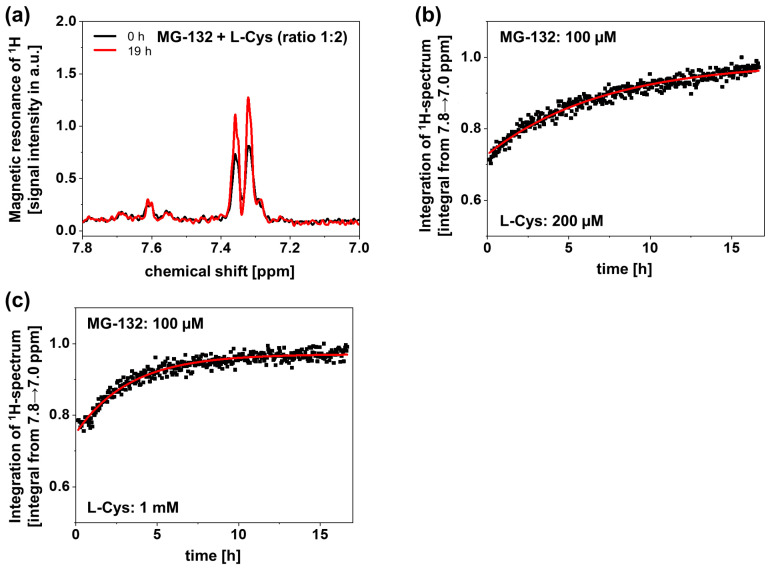 Figure 4
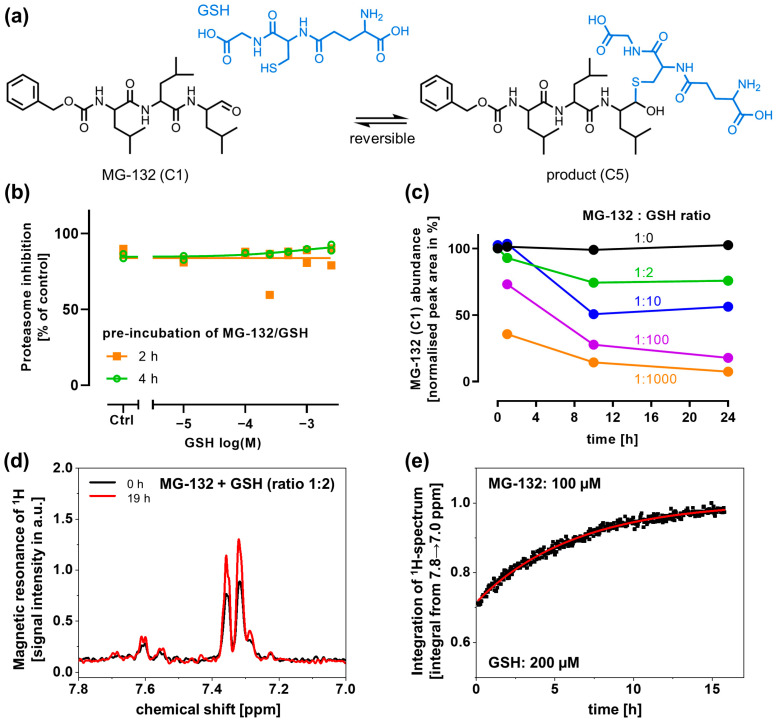 Figure 5
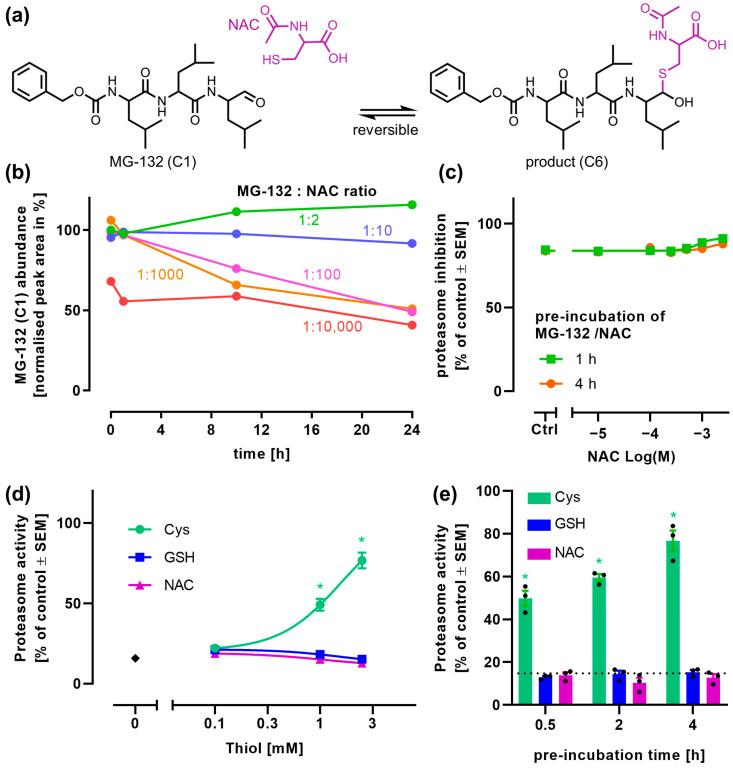 Figure 6
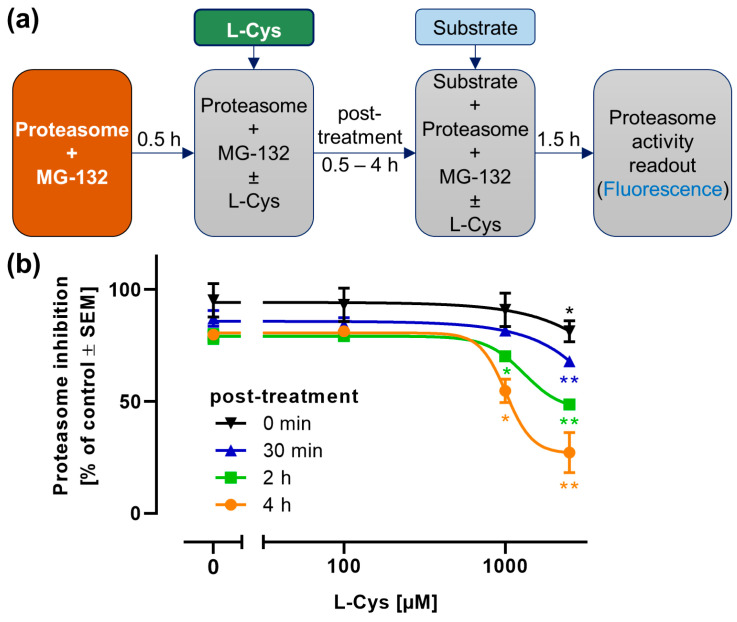 Figure 7
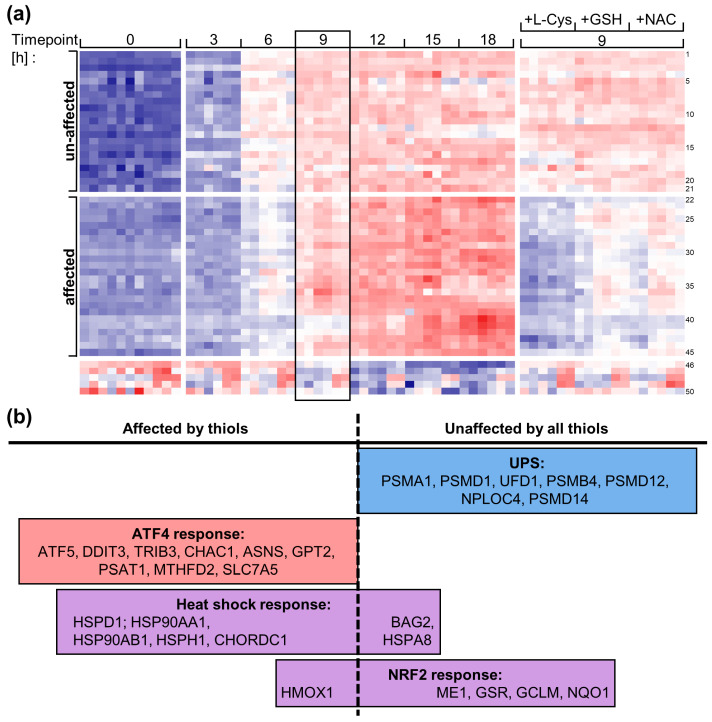 Figure 8
Peer Reviews
No public reviews on file for this paper yet. If you reviewed it on a platform where reviews are public (OpenReview, ICLR, NeurIPS, ICML), you can paste yours below so the community can read it here.
Videos
No videos yet. Explain this paper in a talk, walkthrough, or lecture? Add one.
Taxonomy
TopicsUbiquitin and proteasome pathways · Retinoids in leukemia and cellular processes · Endoplasmic Reticulum Stress and Disease