Diagnostic ultrasound enhances, then reduces, exogenously induced brain activity of mice
Henry Tan, Devon J. Griggs, Lucas Chen, Kahte Adele Culevski, Kathryn Floerchinger, Alissa Phutirat, Gabe Koh, Nels Schimek, Pierre D. Mourad

TL;DR
Diagnostic ultrasound increases mouse brain activity when combined with a blinking light, then reduces it afterward.
Contribution
Demonstrates that tDUS modulates mouse brain activity during external stimulation, mirroring human studies.
Findings
tDUS plus blinking light significantly increased median brain activity compared to baseline and sham tDUS.
Brain activity decreased after tDUS cessation but remained higher than with blinking light alone.
tDUS alone had no immediate effect but reduced brain activity after its cessation.
Abstract
Transcranially delivered diagnostic ultrasound (tDUS) applied to the human brain can modulate those brains such that they became more receptive to external stimulation relative to sham ultrasound exposure. Here, we sought to directly measure the effect of tDUS on mouse brain activity subjected to an external stimulation—a blinking light. Using electrocorticography, we observed a substantial increase in median brain activity due to tDUS plus a blinking light relative to baseline and relative to sham tDUS plus a blinking light. Subsequent brain activity decreased after cessation of tDUS but with continuation of the blinking light, though it remained above that demonstrated by mice exposed to only a blinking light. In a separate experiment, we showed that tDUS alone, without a blinking light, had no observable effect on median brain activity, but upon its cessation, brain activity…
Genes, proteins, chemicals, diseases, species, mutations and cell lines named across the full text — each resolved to its canonical identifier and authoritative record.
Click any figure to enlarge with its caption.
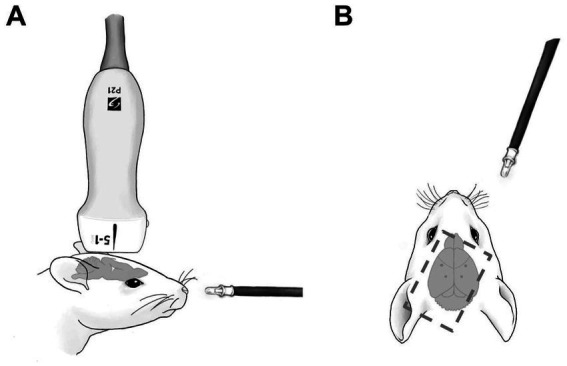 Figure 1
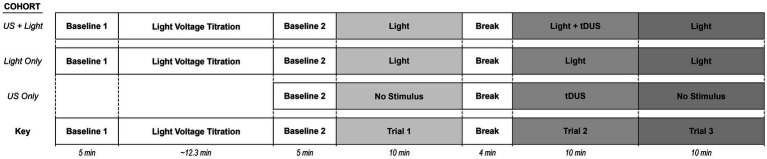 Figure 2
 Figure 3
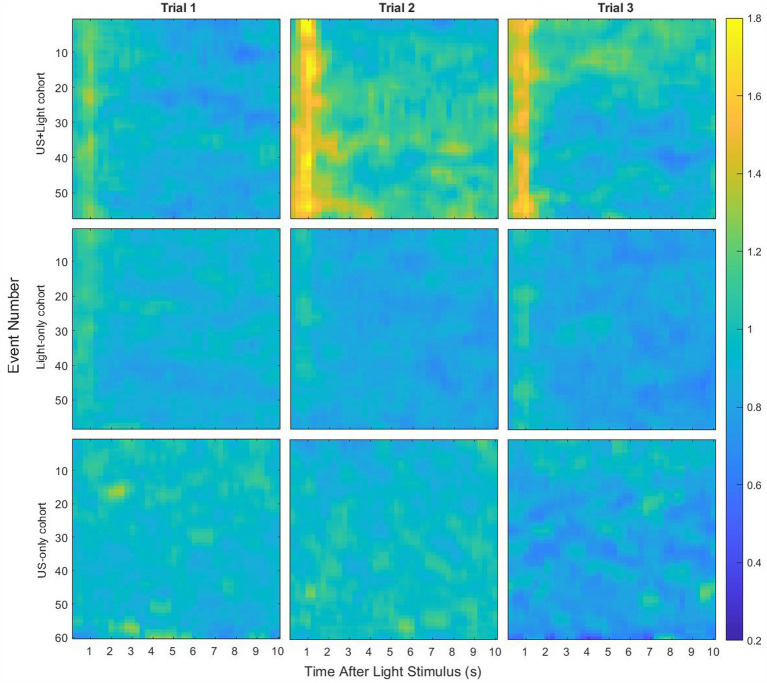 Figure 4
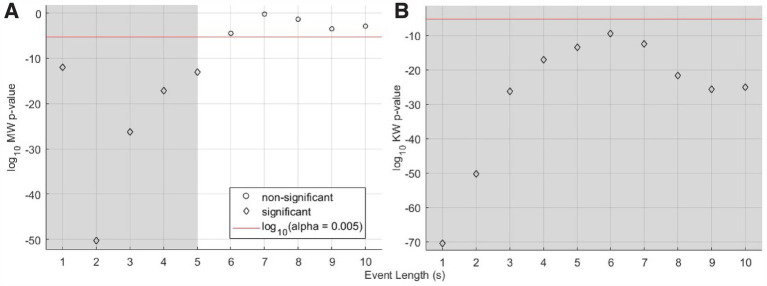 Figure 5
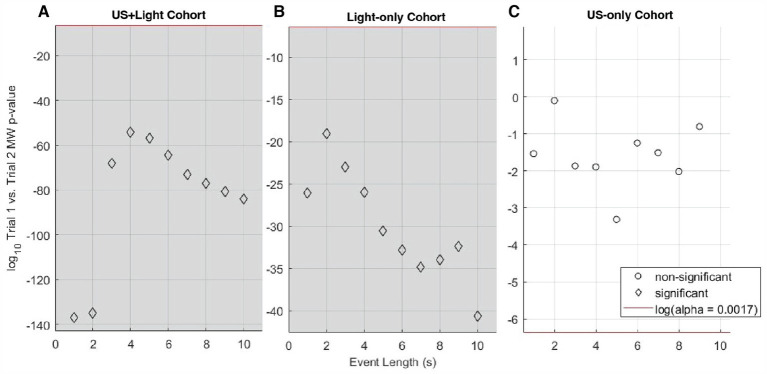 Figure 6
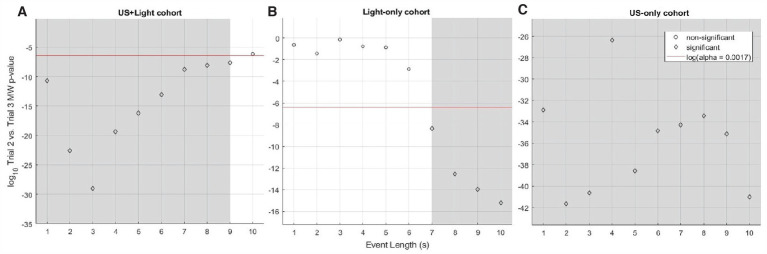 Figure 7
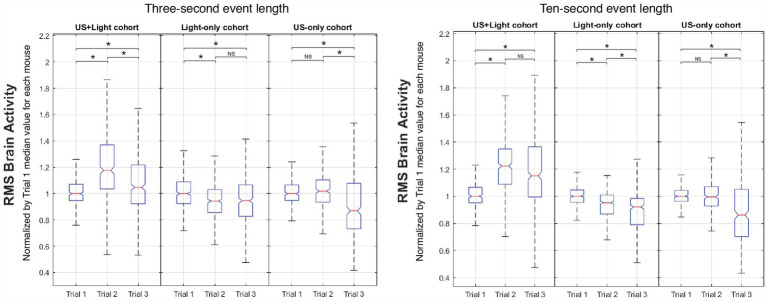 Figure 8
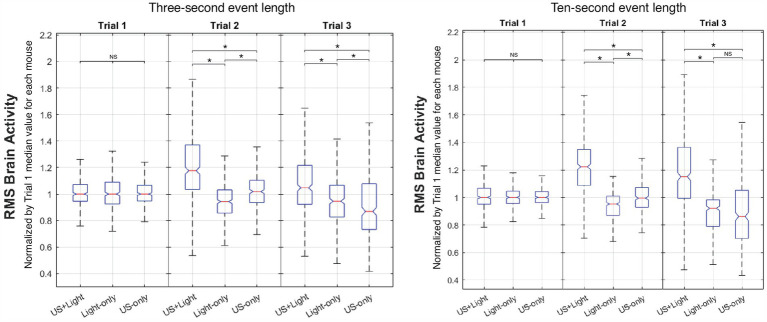 Figure 9
Peer Reviews
No public reviews on file for this paper yet. If you reviewed it on a platform where reviews are public (OpenReview, ICLR, NeurIPS, ICML), you can paste yours below so the community can read it here.
Videos
No videos yet. Explain this paper in a talk, walkthrough, or lecture? Add one.
Taxonomy
TopicsUltrasound and Hyperthermia Applications · Photoacoustic and Ultrasonic Imaging · Ultrasound and Cavitation Phenomena