Robot-Assisted Ultra-Low Anterior Resection for Rectal Neuroendocrine Tumors after Severe Perineal Tears: A Case Report
Kenji Baba, Masumi Wada, Naoki Kuroshima, Yuto Hozaka, Daisaku Kamiimabeppu, Masataka Shimonosono, Yota Kawasaki, Ken Sasaki, Michiyo Higashi, Hiroaki Kobayashi, Takaaki Arigami, Takao Ohtsuka

TL;DR
A young woman with a rectal tumor discovered after a severe perineal tear successfully underwent robot-assisted surgery to remove the tumor while preserving anal function.
Contribution
This case report presents a rare instance of robot-assisted ultra-low anterior resection for a rectal neuroendocrine tumor following a severe perineal tear.
Findings
Robot-assisted surgery successfully removed a rectal neuroendocrine tumor while preserving anal function.
The patient recovered smoothly and was discharged on the seventh postoperative day.
Rectal surgery after severe perineal tears may be better performed several months post-tear to avoid complications from scarring.
Abstract
Surgical repair of severe perineal tears is required immediately postpartum. Owing to their low prevalence, the post-treatment course of severe tears is not well known. Herein, we report a rare case of a young woman who underwent robot-assisted curative resection with anal preservation for a rectal neuroendocrine tumor (NET) incidentally discovered following a severe perineal tear. A 29-year-old woman experienced a severe perineal tear during the first vaginal delivery, which led to the incidental discovery of a 20-mm rectal NET. Four months after the perineal tear, the gynecology and digestive surgery teams ensured that the tear wound had completely healed and anal function was preserved. The patient underwent robot-assisted ultra-low anterior resection with lymph node dissection. The procedure was successfully completed, preserving anal function, and histopathology confirmed an NET…
Genes, proteins, chemicals, diseases, species, mutations and cell lines named across the full text — each resolved to its canonical identifier and authoritative record.
Click any figure to enlarge with its caption.
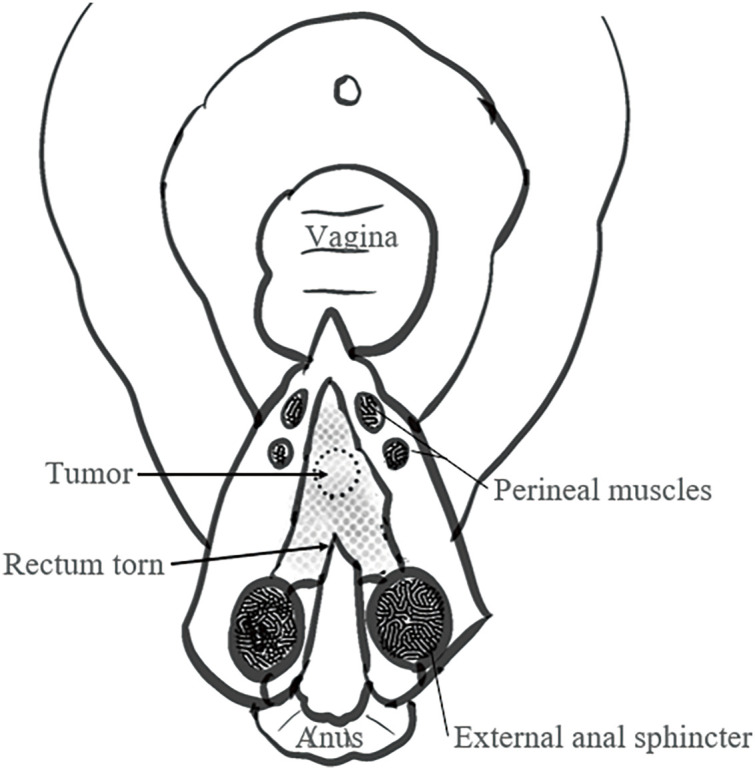 Figure 1
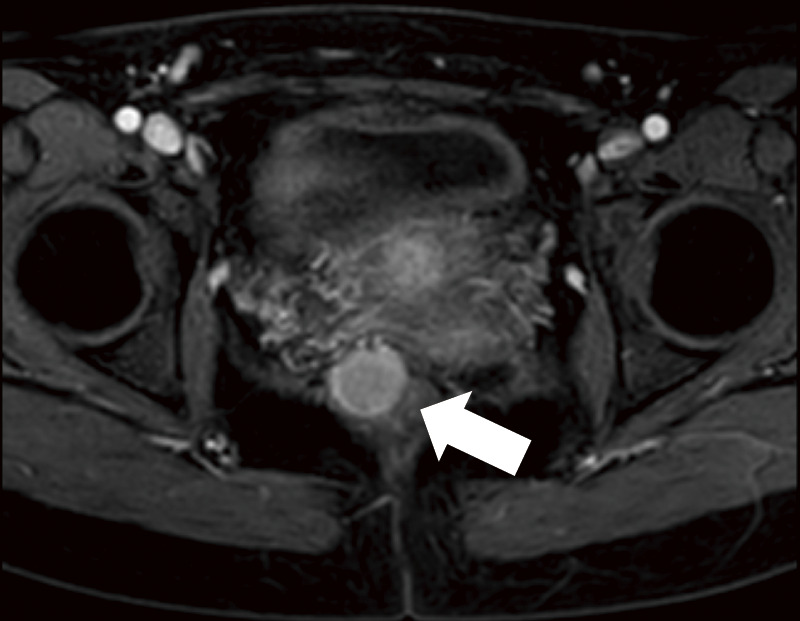 Figure 2
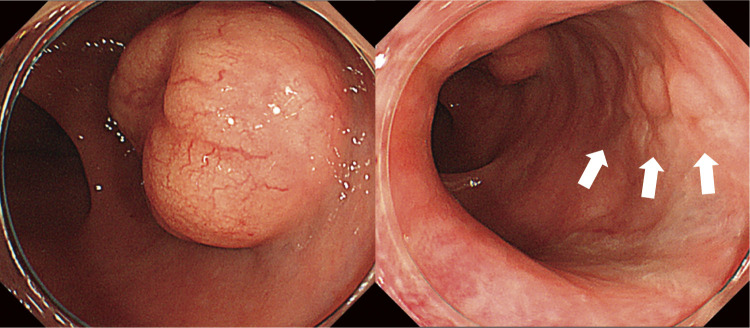 Figure 3
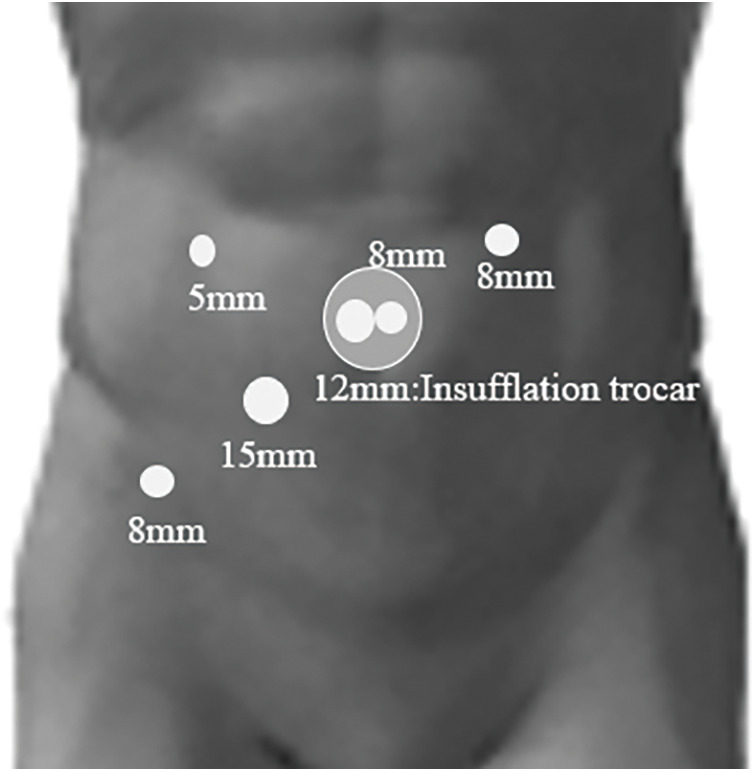 Figure 4
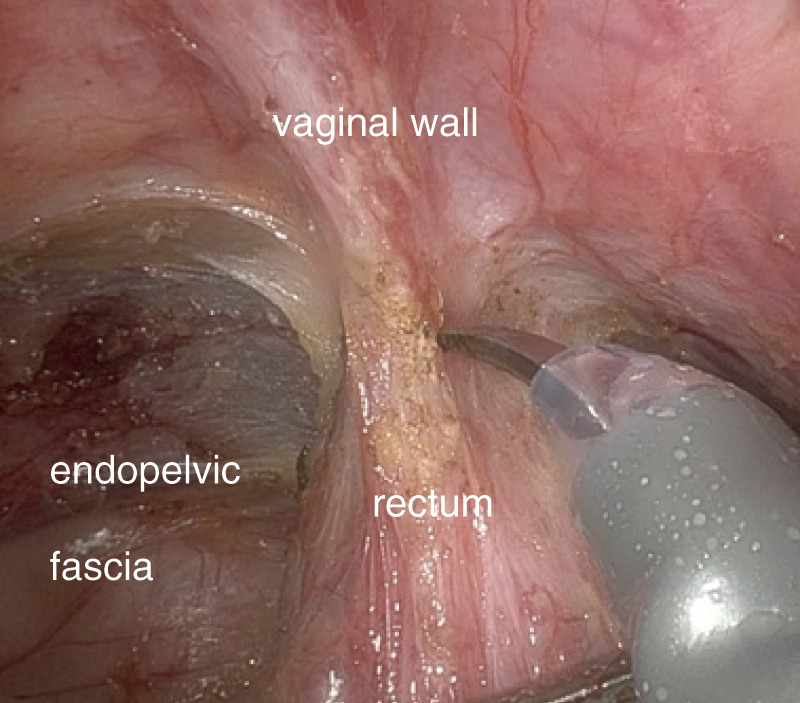 Figure 5
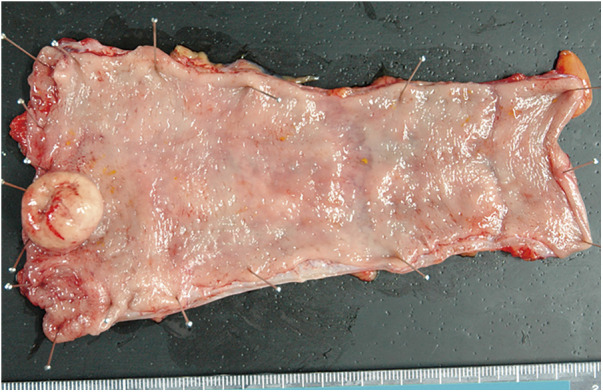 Figure 6
Peer Reviews
No public reviews on file for this paper yet. If you reviewed it on a platform where reviews are public (OpenReview, ICLR, NeurIPS, ICML), you can paste yours below so the community can read it here.
Videos
No videos yet. Explain this paper in a talk, walkthrough, or lecture? Add one.
Taxonomy
TopicsNeuroendocrine Tumor Research Advances · Salivary Gland Tumors Diagnosis and Treatment · Neuroblastoma Research and Treatments