Migration of Wintering Grey Plover From Southeast Asia to North‐Central Siberia Challenges Breeding Population Delineations in Russia
David Li, Max De Yuan Khoo, Richard B. Lanctot, Pavel S. Tomkovich, Zhijun Ma, Jun Rui Chow, Malcolm Chu Keong Soh, Shufen Yang, Choon Beng How, Adrian Loo, Robert Teo, Liang Jim Lim, Chee Chiew Leong, Kenneth Boon Hwee Er

TL;DR
A Grey Plover tracked from Singapore to Siberia reveals unexpected migration patterns, challenging assumptions about its breeding population and highlighting the impact of climate change.
Contribution
This study provides the first evidence of a Grey Plover from Southeast Asia migrating to Siberia, challenging existing population delineations and migration route assumptions.
Findings
A Grey Plover from Singapore migrated to Siberia, suggesting it belongs to a previously unlinked population.
The bird's post-breeding westward migration contradicted prevailing winds, possibly due to habitat changes from climate change.
The plover's migration route included unexpected detours, indicating potential shifts in breeding or staging grounds.
Abstract
Shorebird populations are declining across the world due to factors such as habitat loss and climate change. Identification of shorebird migration routes and important stopover sites can facilitate the implementation of strategic and effective conservation measures. Using a satellite transmitter, we successfully tracked the migration of one Grey Plover ( Pluvialis squatarola ) from its wintering grounds in Singapore north along the East Asian‐Australasian Flyway (EAAF) to its breeding grounds located east of the Taymyr Peninsula in north‐central Siberia. This provides the first evidence that the Singapore plover could be part of the Yamal/Taymyr population that is known to only migrate south via the East Atlantic Flyway and winter in Western Europe. After breeding, the bird took an unexpected westward migration towards northwestern Taymyr Peninsula where it stopped at two locations for…
Genes, proteins, chemicals, diseases, species, mutations and cell lines named across the full text — each resolved to its canonical identifier and authoritative record.
Click any figure to enlarge with its caption.
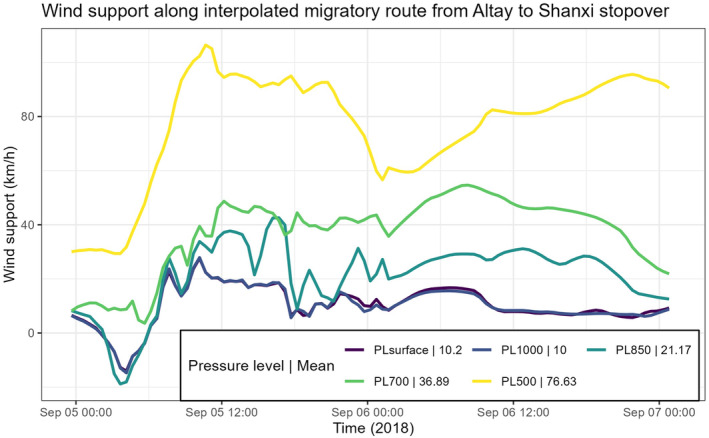 Figure 1
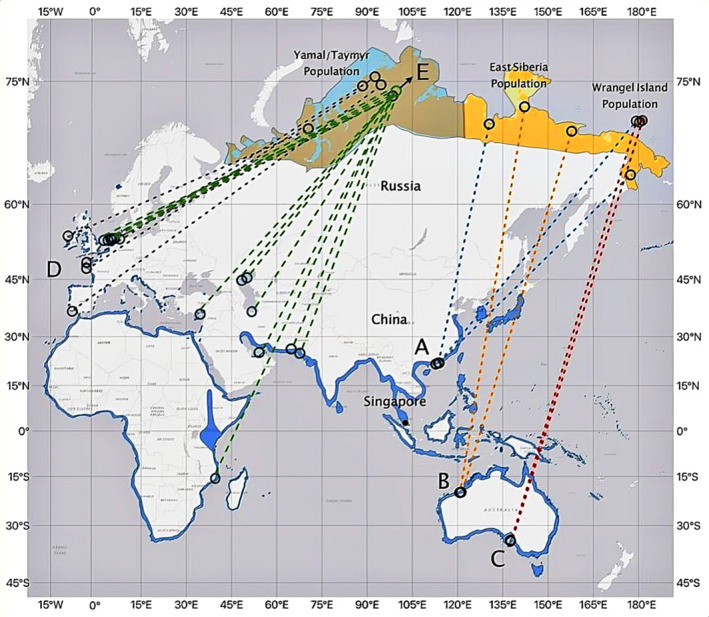 Figure 2
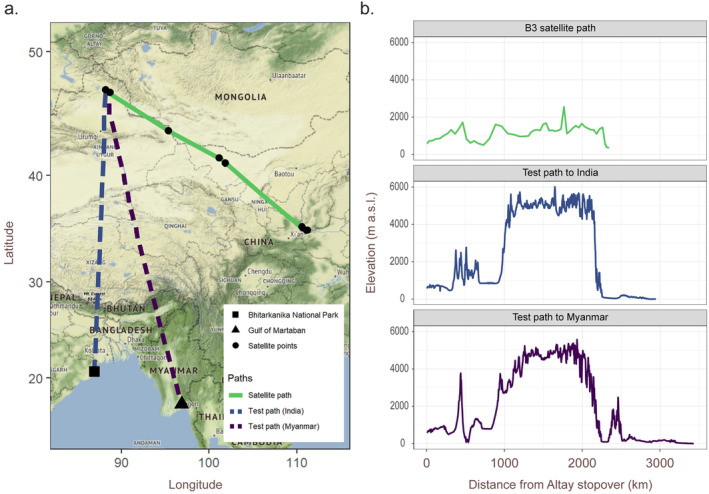 Figure 3
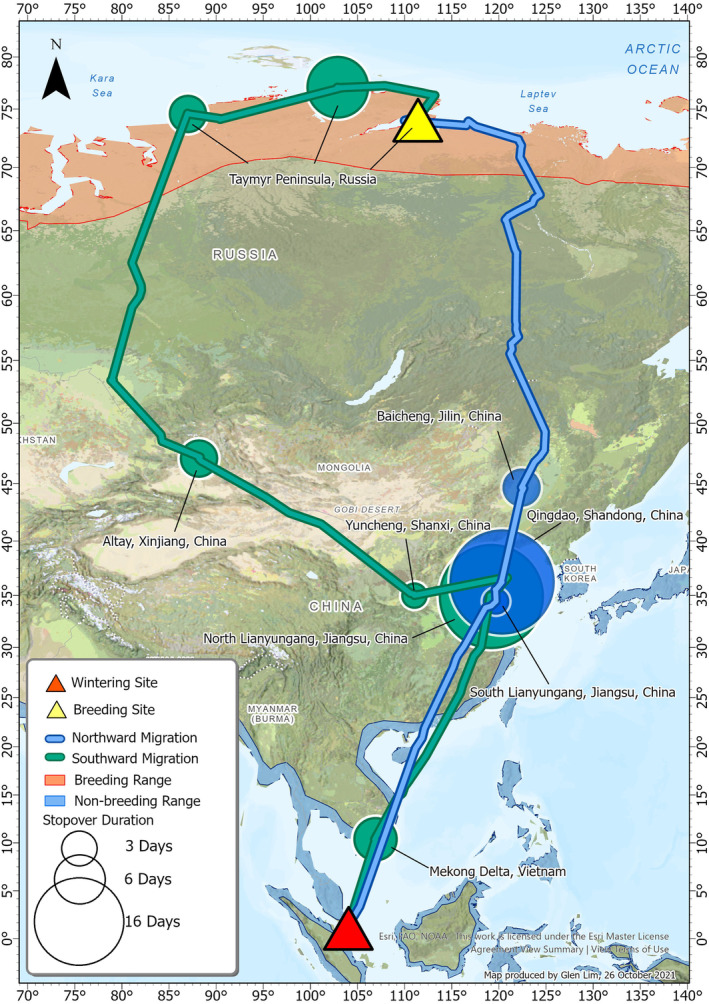 Figure 4
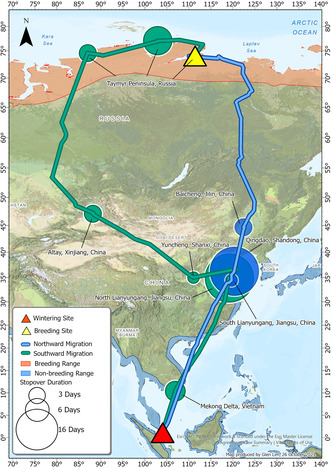 Figure 5
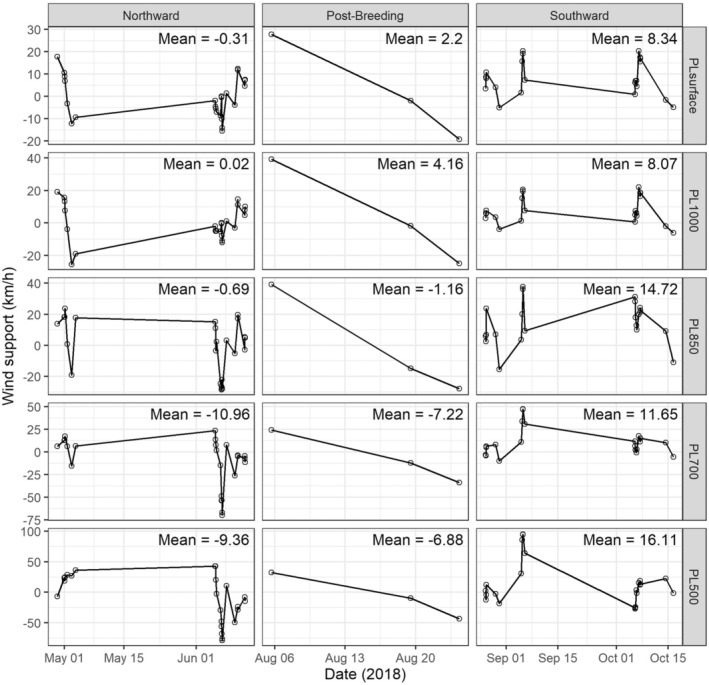 Figure 6
Peer Reviews
No public reviews on file for this paper yet. If you reviewed it on a platform where reviews are public (OpenReview, ICLR, NeurIPS, ICML), you can paste yours below so the community can read it here.
Videos
No videos yet. Explain this paper in a talk, walkthrough, or lecture? Add one.
Taxonomy
TopicsEcology and Vegetation Dynamics Studies · Botany and Plant Ecology Studies · Plant Physiology and Cultivation Studies