Microbial proliferation deteriorates the corrosion inhibition capability, lubricity, and stability of cutting fluid
Yuanyuan Shen, Wenkai Zhang, Lili Wu, Yaohua Dong, Guoqiang Guo, Lihua Dong, Zhangwei Guo

TL;DR
Microbial growth in cutting fluids harms their ability to prevent corrosion, provide lubrication, and maintain stability during metal-cutting processes.
Contribution
This study reveals how different microbes affect cutting fluid properties and provides a basis for improving fluid longevity.
Findings
Aerobic bacteria and anaerobic microbes lower pH and corrosion resistance by consuming key components and producing organic acids.
Fungal growth later in the process reduces lubricity and stability through mycelium-induced flocculation.
Microbial diversity varies by location in the cutting fluid, with fungi increasing significantly over time.
Abstract
Cutting fluid is a type of fluid used in the metal-cutting process. It is prone to microbial growth during use, which can lead to the deterioration of its various useful properties; however, the mechanism underlying this deterioration remains unclear. This study analyzed the microbial diversity of field-sampled cutting fluids, and those with higher levels of diversity were used to inoculate other fluid samples in order to further study the effects of microbial growth on the properties of cutting fluids. The results show that the surface of cutting fluid sampled from the tank of a machining tool tank contained predominantly aerobic bacteria, while the bottom mainly harbored anaerobic and facultative microorganisms, with Yarrowia lipolytica representing the dominant fungus. Some obligate anaerobic bacteria were also present in the cutting fluid. Organic acids secreted by anaerobic…
Genes, proteins, chemicals, diseases, species, mutations and cell lines named across the full text — each resolved to its canonical identifier and authoritative record.
Click any figure to enlarge with its caption.
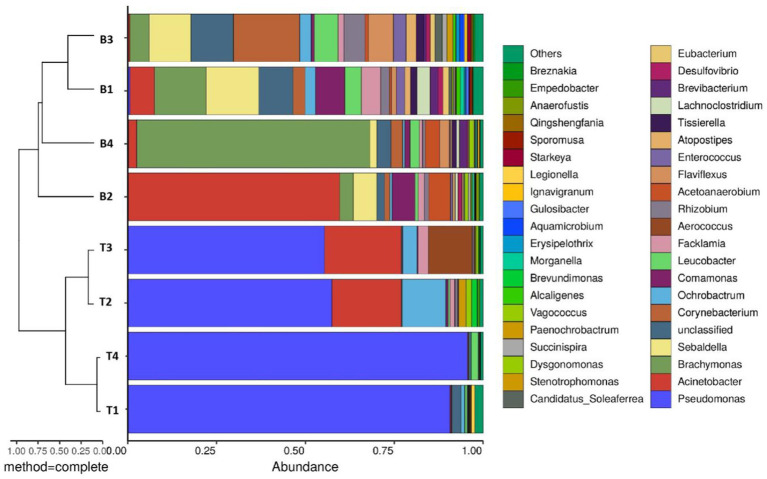 Figure 1
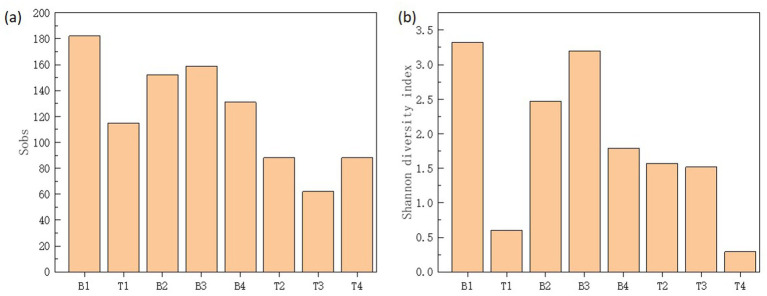 Figure 2
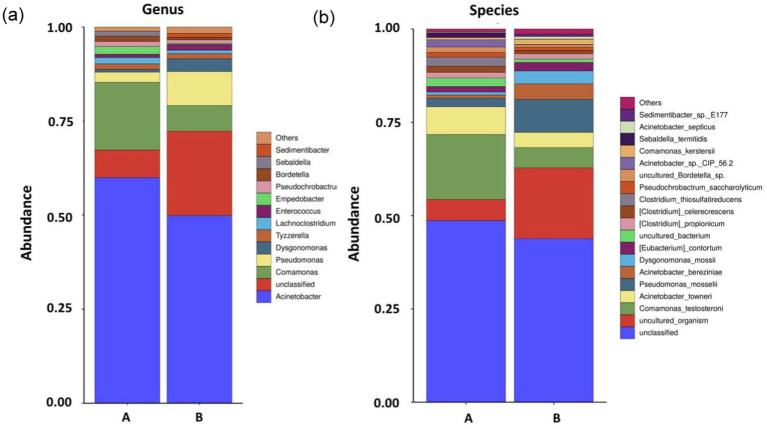 Figure 3
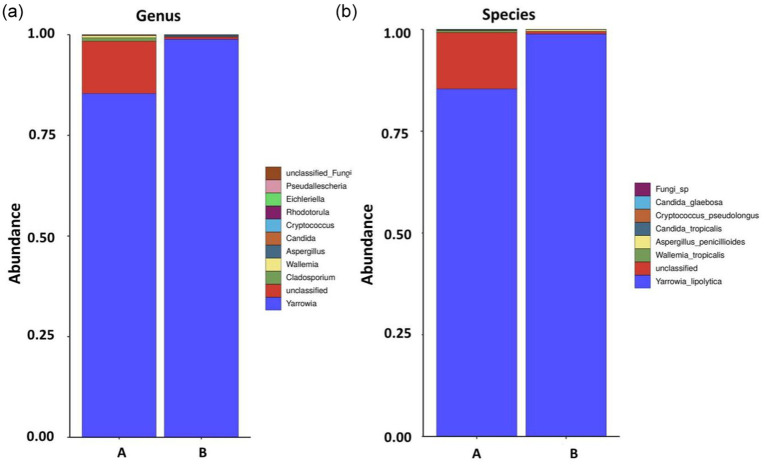 Figure 4
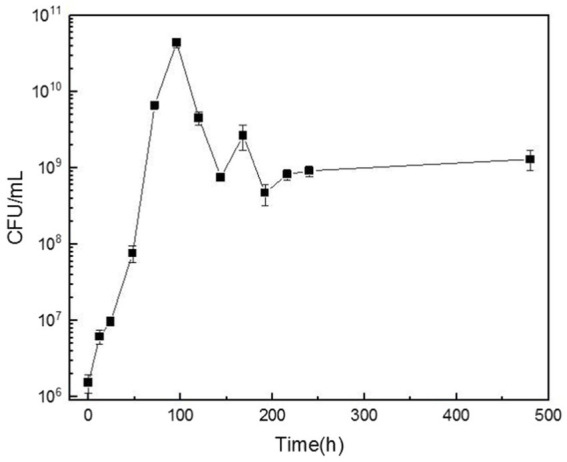 Figure 5
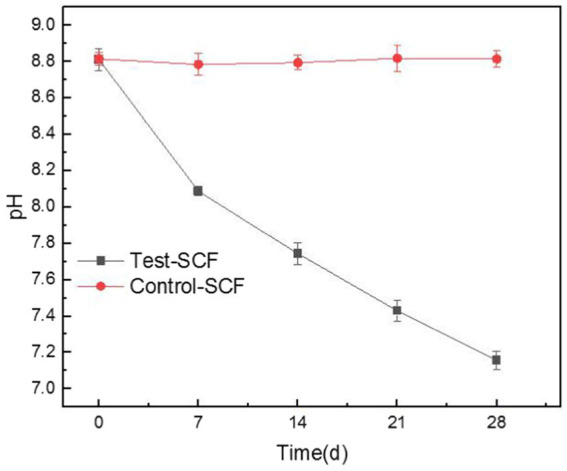 Figure 6
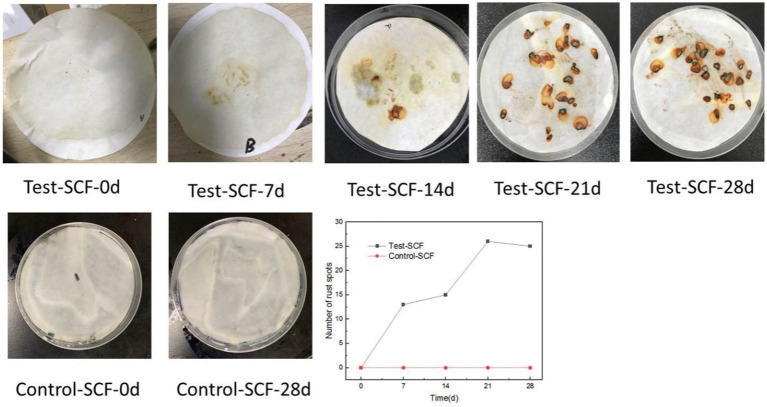 Figure 7
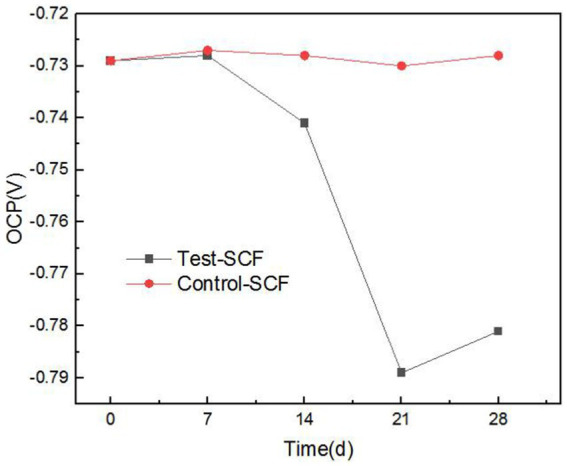 Figure 8
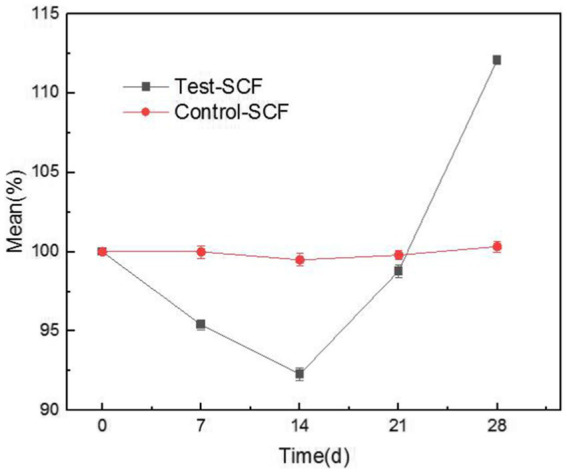 Figure 9
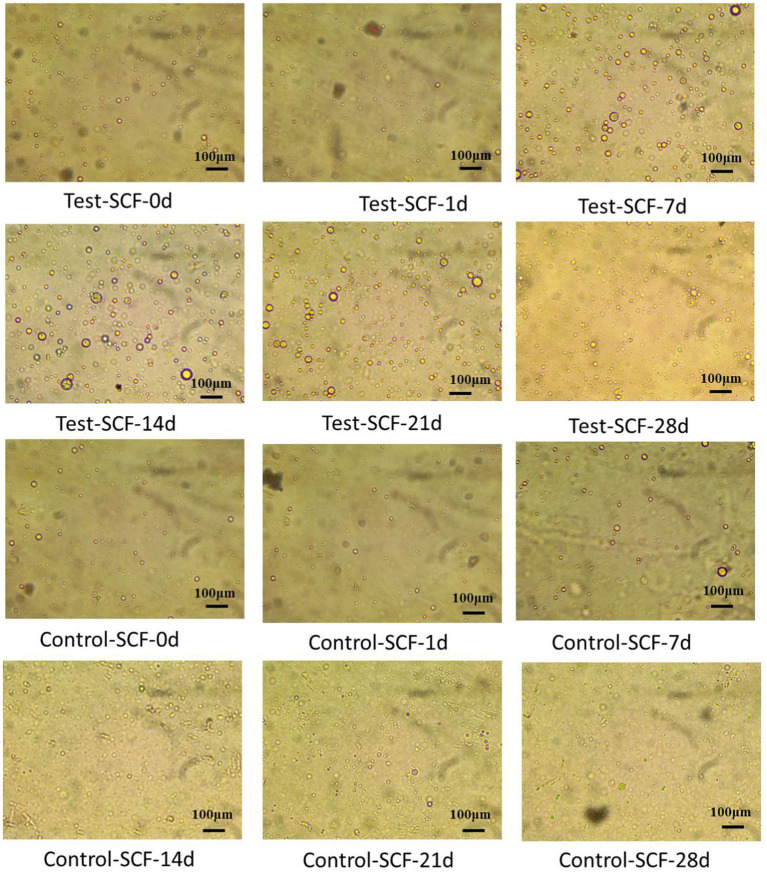 Figure 10
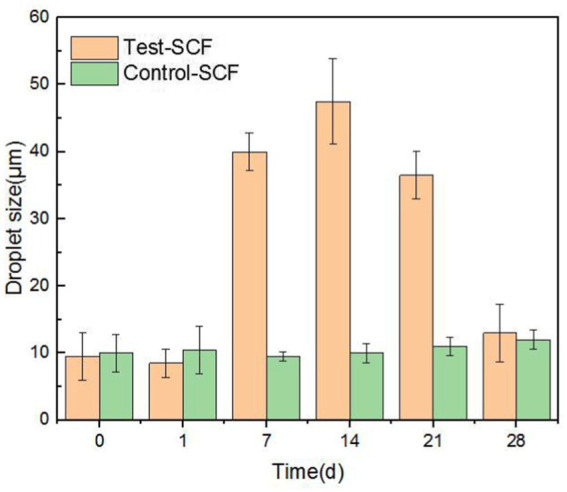 Figure 11
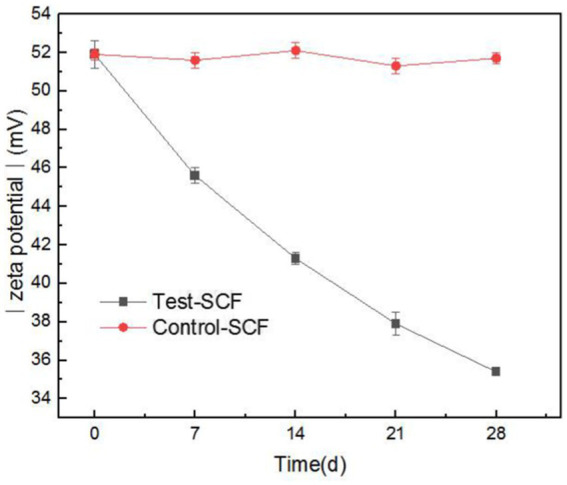 Figure 12
 Figure 13
 Figure 14
Peer Reviews
No public reviews on file for this paper yet. If you reviewed it on a platform where reviews are public (OpenReview, ICLR, NeurIPS, ICML), you can paste yours below so the community can read it here.
Videos
No videos yet. Explain this paper in a talk, walkthrough, or lecture? Add one.
Taxonomy
TopicsDental materials and restorations · Building materials and conservation · Bacterial biofilms and quorum sensing